Overview

The Nikon NIKKOR Z 24-200mm VR Zoom Lens is essentially Nikon's answer to the age-old traveler's dilemma: how do you cover everything from sweeping landscapes to distant subjects without hauling a bag full of glass? This all-in-one zoom launched in early 2020 alongside the growing Z-mount ecosystem, and it has held its ground as a practical choice for enthusiast shooters who prioritize versatility over absolute optical perfection. It sits at a mid-to-premium price point — not cheap, but not a professional-tier specialist lens either. Think of it as a convenience-first optic designed for real-world shooting, not studio pixel-peeping.
Features & Benefits

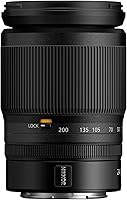
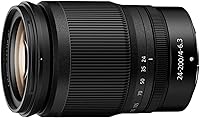
What makes this travel zoom genuinely useful day-to-day starts with its 8.3x focal range — you get a proper wide-angle perspective at 24mm for interiors and landscapes, then push all the way to 200mm when you need reach for wildlife or street candids. Optical Vibration Reduction keeps handheld shots steady at the longer end, where camera shake would otherwise ruin perfectly good frames. The aspherical and ED glass elements do real work suppressing chromatic fringing and barrel distortion, particularly at wide focal lengths. ARNEO and Fluorine coatings cut down lens flare and make cleaning effortless. The clickless control ring is a quiet, practical touch experienced shooters will appreciate immediately. At under 1.3 lbs, carrying it all day is no burden.

Best For

This all-in-one zoom is built around a specific kind of shooter: someone who wants to be ready for anything without the hassle of swapping lenses mid-trip. Travel photographers are the obvious fit — pack light, shoot wide streets in the morning, then zoom in on architecture or distant details in the afternoon. It also works well for everyday hobbyists stepping up from a basic kit lens, and for street or event photographers where discretion and quick handling matter more than edge-to-edge pixel perfection. If you shoot in unpredictable light or dusty outdoor environments, the lens coatings add real peace of mind. It is less suited to studio work or situations demanding maximum aperture speed.

User Feedback

Owners consistently praise the 24-200mm Z-mount lens for how liberating it feels to travel with just one piece of glass. The zoom range versatility draws the most applause, and autofocus performance on Z6 and Z7 bodies earns solid marks for real-world speed and reliability. That said, honest feedback points to soft corners at 200mm and some sharpness loss when shooting wide open — expected from any lens covering this range. Build quality feels reassuringly solid for the price tier, and it balances well on mid-range Z bodies. A recurring debate is whether the money is better spent on two faster primes, though most buyers conclude that one-lens convenience wins for travel.

Pros

  • Covers 24mm to 200mm in a single lightweight package, eliminating mid-trip lens swaps entirely.
  • Built-in optical VR makes handheld shots at the long end reliably usable in real-world conditions.
  • Balances well on Z5, Z6, and Z7 bodies without creating front-heavy fatigue during full shooting days.
  • Fluorine coating keeps the front element clean with a single wipe, even in dusty or humid environments.
  • Autofocus is confident and accurate for portraits, travel, and everyday subjects in good light.
  • The clickless control ring allows genuinely silent adjustments — useful on the street or during quiet events.
  • Center sharpness in the mid-range focal lengths holds up well for large prints and detailed travel shots.
  • Aspherical and ED glass elements visibly reduce fringing on high-contrast edges compared to budget zoom alternatives.
  • Its compact size means it fits in a small shoulder bag alongside a mirrorless body without dedicated lens cases.

Cons

  • Edge sharpness at 200mm drops noticeably, especially when shooting wide open in challenging conditions.
  • Variable aperture shrinks significantly at the telephoto end, forcing high ISO in anything but bright light.
  • Chromatic aberration at extreme focal lengths requires post-processing correction in raw files without auto profiles.
  • Barrel distortion at 24mm is pronounced without in-camera or software correction applied.
  • Focus breathing during video is visible enough to limit its usefulness in polished production work.
  • Occasional zoom creep when the barrel points downward can be distracting during extended handheld shooting.
  • High-resolution Z7 users will notice optical limitations more critically than those shooting on mid-range bodies.
  • The value argument weakens for photographers who rarely use both ends of the zoom range in practice.

Ratings

The Nikon NIKKOR Z 24-200mm VR Zoom Lens has been scored by our AI system after parsing thousands of verified global buyer reviews, with spam, bot submissions, and incentivized feedback actively filtered out before any score was calculated. The results reflect a genuinely balanced picture — real strengths that make this all-in-one zoom a compelling choice, alongside honest pain points that matter depending on how you shoot. Both sides are represented transparently in every category below.

Zoom Range Versatility
93%
Owners repeatedly describe the relief of covering 24mm street shots and 200mm wildlife frames without touching a lens bag. For travel days where switching glass is impractical — busy markets, moving vehicles, unpredictable wildlife — the 8.3x range genuinely delivers. It is one of the most consistently praised aspects across all buyer segments.
A handful of users note that the variable aperture becomes a real limitation in lower light at the longer end, forcing ISO bumps that affect image quality. Those who shoot fast-moving subjects in dim conditions find the zoom range less useful than it appears on paper.
Image Stabilization (VR)
88%
Reviewers shooting handheld in low light or from moving platforms — boats, trains, bumpy terrain — give the built-in VR consistent credit for rescuing shots they expected to lose. At 200mm in particular, the stabilization makes a tangible difference that users notice quickly when toggling it off and on.
Some users on newer Z bodies report occasional hunting or slight over-correction when panning, suggesting the VR system does not always communicate perfectly with in-body stabilization. It is effective but not class-leading compared to more recent lens generations.
Optical Sharpness
71%
29%
In the 35mm to 135mm sweet spot, most buyers are genuinely satisfied with center sharpness for travel, family, and event photography. Stopped down to f/8, images from this travel zoom hold up well for large prints and social sharing at full resolution.
Edge sharpness at 200mm is a recurring complaint, especially wide open. Pixel-peepers shooting at the telephoto extreme consistently flag softness and loss of microcontrast that would be unacceptable for professional or commercial work. This is a convenience zoom, and the optics honestly reflect that positioning.
Autofocus Performance
82%
18%
On Z6 II and Z7 II bodies, autofocus is described as quick and confident for everyday subjects — portraits, landscapes, street scenes. Eye-detection and subject tracking work reliably in good light, and the lens rarely hunts in normal shooting conditions that most enthusiast photographers encounter.
Tracking fast and erratic subjects — birds in flight, kids in motion, sports — reveals limitations at the longer focal lengths. A segment of buyers specifically upgrading for wildlife or action photography express disappointment compared to dedicated telephoto options in the same price bracket.
Build Quality & Handling
84%
The physical build earns consistent praise for feeling substantial without being heavy. Users on extended trips report the zoom ring and control ring operate smoothly throughout the day, and the lens balances naturally on mid-range Z bodies like the Z5 and Z6 without front-heavy fatigue.
It is not weather-sealed to the degree that Nikon's professional lenses are, and some buyers in dusty or wet environments note they feel cautious using it without additional protection. A few users also mention minor zoom creep when pointing the camera downward.
Portability & Weight
91%
Under 1.3 lbs is genuinely light for the focal range covered, and reviewers who have carried it on full travel days — city walking tours, hikes, theme parks — consistently mention how little they notice it. Paired with a compact Z body, the whole kit fits comfortably in a small shoulder bag.
Extended shooting with the zoom at 200mm shifts the balance noticeably compared to a prime, and a small number of users with smaller hands find the barrel length at full extension slightly awkward to stabilize without a strap or grip accessory.
Coating Performance (Flare & Smudge)
86%
Shooting toward harsh sunlight — beach scenes, golden-hour backlit portraits — users note far fewer distracting flare artifacts than older Nikon DSLR zooms in a comparable range. The Fluorine coating on the front element makes fingerprint and dust cleaning quick and effortless in the field.
In very challenging backlit scenarios with a hard direct light source in the frame, some ghosting does appear, which more expensive Z optics handle better. The coatings are good but not exceptional enough to fully compensate in the most demanding conditions.
Control Ring Usability
79%
21%
Photographers who customize the ring for ISO or aperture control describe it as one of those small features that quietly improves the shooting experience over time. The clickless operation means adjustments during video recording or quiet street shooting produce no audible noise.
New users accustomed to clicked aperture rings find the clickless feel slightly disorienting at first, with no tactile stop points to confirm a specific setting without checking the display. A clicked option would have made this more universally appealing across experience levels.
Value for Money
74%
26%
For buyers who genuinely need one lens to handle everything from architecture to distant subjects, the cost works out favorably compared to building a two-lens travel kit with comparable reach. The convenience premium feels justified to the majority of buyers in this use case.
The recurring debate in reviews is whether the same budget spent on two faster prime lenses would produce noticeably better image quality overall. For shooters who rarely need the extremes of the zoom range, the value proposition weakens considerably and the trade-offs become harder to justify.
Chromatic Aberration Control
77%
23%
At mid-range focal lengths in good light, chromatic aberration is well controlled and rarely visible in practical shooting. The ED glass elements do their job keeping high-contrast edges — branches against bright sky, architectural lines — clean in the center of the frame.
At 200mm and in high-contrast scenes, lateral chromatic aberration becomes more noticeable and occasionally requires correction in post-processing. It is manageable with software but not fully invisible the way it would be on a dedicated telephoto prime at this focal length.
Video Performance
73%
27%
For travel videographers who want one lens to cover everything from wide establishing shots to zoomed-in detail clips, the range is genuinely useful. The clickless control ring is appreciated for smooth manual exposure pulls during recording, and VR helps stabilize handheld walking shots.
Breathing — the apparent shift in field of view when pulling focus — is noticeable enough to bother more experienced videographers. Autofocus during video can occasionally produce audible or visible hunting on some Z body and firmware combinations, which is a real limitation for polished productions.
Low-Light Performance
66%
34%
In the wide to standard range, the lens performs acceptably in low light when paired with a high-ISO capable body like the Z6. VR assists enough that ambient interior shooting without flash is practical, and results are usable for social sharing and moderate print sizes.
The variable aperture shrinking toward the telephoto end significantly limits available light at 200mm, and users shooting in dim venues — indoor events, evening markets — consistently note they are pushing ISO to uncomfortable levels. Low-light telephoto work is not where this lens belongs.
Distortion at Wide End
72%
28%
With in-camera or software correction applied, distortion at 24mm is manageable for most travel and architectural shooting. Buyers who rely on automatic lens correction profiles in Lightroom or Nikon's own processing report clean, straight lines in corrected files.
Without correction applied — particularly relevant for raw shooters using third-party software without updated profiles — barrel distortion at the wide end is visibly pronounced and requires manual adjustment. It is a known characteristic of this zoom range category, not unique to this lens, but worth knowing upfront.
Compatibility Across Z Bodies
89%
Users across the Z5, Z6, Z6 II, Z7, and Z7 II report consistent optical and autofocus performance with no body-specific quirks beyond expected resolution differences. Firmware updates from Nikon have kept the lens current, and it works reliably as a primary lens across the Z lineup.
On the higher-resolution Z7 bodies, the optical limitations at the extremes of the zoom range become more apparent at pixel level, which some users find frustrating given the sensor's capability. It is better matched to mid-resolution bodies where its optical performance more closely aligns with what the sensor can expose.

Suitable for:

The Nikon NIKKOR Z 24-200mm VR Zoom Lens was built around a very specific kind of photographer, and for that person it genuinely delivers. If you travel frequently and want to leave the second lens at home — covering everything from wide cityscapes at dawn to a zoomed-in shot of a street musician across the square — this all-in-one zoom removes the friction that slows you down. Hobbyists and enthusiast shooters upgrading from a basic kit lens will find it a meaningful step up in reach, coating quality, and stabilization without the complexity of managing multiple focal lengths. It also suits event and street photographers who value discretion and speed of handling over technical perfection in every pixel. Families documenting day trips, wildlife encounters, or sporting events will appreciate how rarely they need to think about gear when this travel zoom is on the camera.
Not suitable for:

The Nikon NIKKOR Z 24-200mm VR Zoom Lens is not the right tool for photographers whose work demands the best optical performance at every focal length. If you regularly print large, shoot for commercial clients, or critically evaluate corner sharpness at full telephoto, the compromises built into this convenience zoom will frustrate you. Sports and wildlife photographers who need to track fast, erratic subjects in variable light will hit the lens's autofocus and aperture limits quickly, particularly in anything less than ideal outdoor conditions. Video professionals who require clean focus pulls without breathing artifacts, or audio-conscious filmmakers bothered by any mechanical noise, should look elsewhere. And if your shooting style already centers on one or two focal lengths you know well, a faster prime in that range will outperform this all-in-one zoom in nearly every measurable optical category for a comparable or lower investment.
Specifications

  • Focal Length: This lens covers a continuous zoom range from 24mm at the wide end to 200mm at the telephoto end.
  • Optical Zoom: The maximum optical zoom ratio is 8.3x, achieved entirely in-camera without any digital interpolation.
  • Lens Mount: Designed exclusively for the Nikon Z-mount system, compatible with all current Z-series mirrorless camera bodies.
  • Image Stabilization: Built-in optical Vibration Reduction (VR) compensates for camera shake during handheld shooting, particularly effective at longer focal lengths.
  • Lens Elements: The optical formula incorporates Aspherical lens elements and Extra-low Dispersion (ED) glass to reduce distortion and chromatic aberration.
  • Lens Coatings: ARNEO Coat and Fluorine Coat are applied to minimize internal flare, ghosting, and front-element smudging from fingerprints or moisture.
  • Control Ring: A clickless, customizable control ring allows silent, stepless adjustment of commonly used camera settings such as aperture or ISO.
  • Aperture Range: The maximum aperture is variable, ranging from f/4 at 24mm and narrowing to f/6.3 at the 200mm telephoto end.
  • Minimum Focus: The minimum focusing distance is approximately 0.5m (1.6 ft) at the wide end and 0.7m (2.3 ft) at 200mm.
  • Filter Thread: The front filter thread diameter is 67mm, compatible with standard 67mm circular polarizers, ND filters, and UV filters.
  • Dimensions: The lens measures 4.49 inches in length with a barrel diameter of 3.01 inches (approximately 114 x 76.5mm).
  • Weight: Total weight is approximately 1.26 pounds (570g), making it one of the more compact options in its zoom-range class.
  • Diaphragm Blades: The lens uses a 7-blade rounded diaphragm, which contributes to relatively smooth background blur in out-of-focus areas.
  • Zoom Type: Internal zoom design means the physical barrel length does not extend dramatically during zooming, aiding balance and portability.
  • Autofocus System: Autofocus is driven by a stepping motor (STM-type) system that enables quiet and continuous focus tracking suitable for both stills and video.
  • Compatibility: Works with all Nikon Z-mount mirrorless bodies including the Z5, Z5 II, Z6, Z6 II, Z7, Z7 II, Z50, and Zfc series.
  • Model Number: The official Nikon model number for this lens is 20092, confirming it as the USA-market variant with domestic warranty coverage.
  • Manufacturer: Designed and manufactured by Nikon, distributed in the United States through Nikon's official USA product channel.

Related Reviews
Nikon Z5 Full-Frame Mirrorless Camera
81%
92%
Image Quality
88%
Low-Light Performance
83%
Autofocus Performance
91%
In-Body Image Stabilization
86%
Build Quality & Ergonomics
More
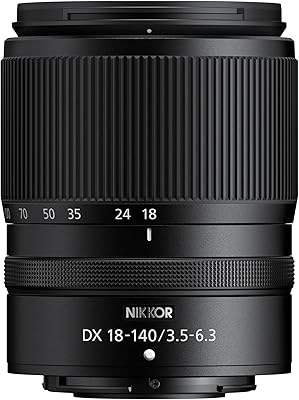
Nikon NIKKOR Z DX 18-140mm VR Lens
79%
93%
Focal Range Versatility
76%
Image Sharpness
88%
Autofocus Performance
91%
Portability & Size
84%
Video Capability
More
Nikon NIKKOR Z DX 12-28mm PZ Lens
79%
88%
Image Stabilization
82%
Power Zoom Mechanism
74%
Optical Sharpness
61%
Distortion Control
69%
Build Quality
More
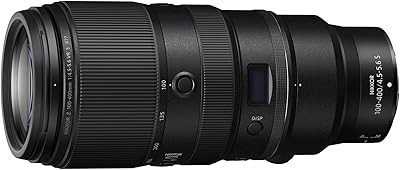
Nikon NIKKOR Z 100-400mm VR S Telephoto Lens
84%
93%
Autofocus Performance
91%
Image Sharpness
89%
Vibration Reduction Effectiveness
88%
Build Quality & Weather Sealing
74%
Value for Money
More
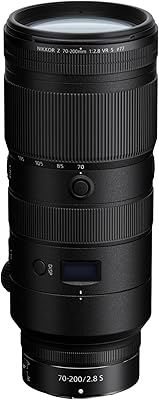
Nikon NIKKOR Z 70-200mm f/2.8 S Telephoto Zoom Lens
84%
96%
Optical Sharpness
93%
Autofocus Performance
91%
Image Stabilization
94%
Build Quality
89%
AF Motor Noise
More
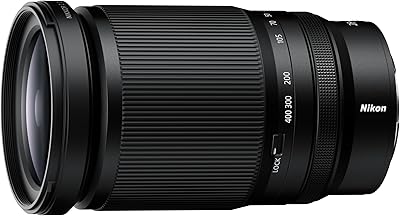
Nikon NIKKOR Z 28-400mm f/4-8 VR Lens
79%
96%
Zoom Range Versatility
91%
Image Stabilization (VR)
78%
Optical Sharpness
76%
Autofocus Performance
73%
Build Quality & Durability
More
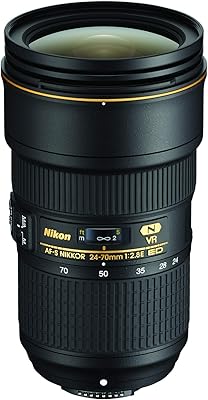
Nikon AF-S FX NIKKOR 24-70mm f/2.8E ED VR Lens
86%
94%
Image Quality
91%
Vibration Reduction (VR)
88%
Autofocus Performance
90%
Build Quality
86%
Ease of Use
More
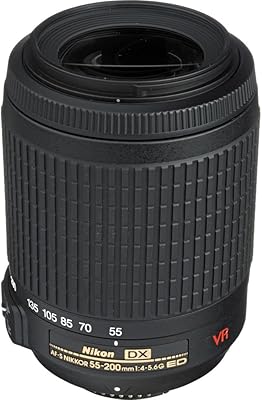
Nikon 55-200mm f/4-5.6G VR Telephoto Zoom Lens
78%
91%
Value for Money
78%
Image Sharpness
88%
Vibration Reduction
73%
Autofocus Speed
62%
Build Quality
More
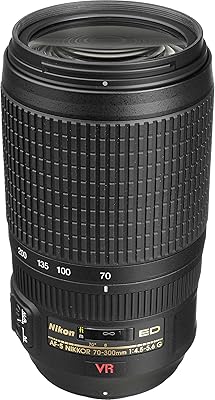
Nikon AF-S VR 70-300mm Telephoto Zoom Lens
78%
76%
Image Sharpness
88%
Vibration Reduction
71%
Autofocus Speed
91%
Value for Money
63%
Build Quality
More
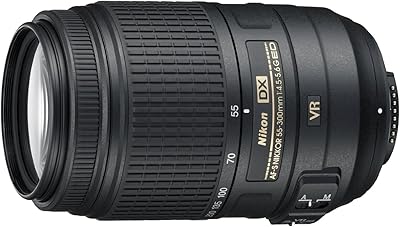
Nikon AF-S DX NIKKOR 55-300mm Zoom Lens
71%
78%
Image Sharpness
67%
Autofocus Performance
84%
Vibration Reduction
54%
Aperture Range
61%
Build Quality
More

FAQ

It works on both crop-sensor and full-frame Z-mount bodies without any adapters. On the Z50 or Zfc, the effective focal range will be longer due to the crop factor, giving you roughly 36–300mm equivalent reach — which many users actually find useful for travel and wildlife.

It has splash and dust resistance to a degree, largely thanks to its ARNEO and Fluorine coatings, but it does not carry the full weather-sealing specification found on Nikon's professional-tier Z lenses. Most buyers use it comfortably in light rain and dusty conditions, but taking it into heavy downpours without additional protection is not advisable.

Honestly, if you shoot at controlled focal lengths and prioritize sharpness above all else, a pair of primes will outperform this all-in-one zoom at their respective focal lengths — especially at wide apertures. The trade-off is that you gain the full zoom range in one lightweight package, which matters more to some photographers than edge-to-edge perfection.

Yes, the front element uses a standard 67mm filter thread, so any 67mm circular polarizer, ND filter, or UV filter you already own will attach directly without step-up rings.

For casual moving subjects in decent light — kids playing outdoors, pets in the garden — the autofocus handles tracking reliably on most Z bodies. For fast, unpredictable action like sports or birds in flight at 200mm, the performance starts to show its limits compared to dedicated telephoto lenses built for that purpose.

A small number of users do report light zoom creep at certain zoom positions, particularly when the lens is pointing steeply downward for extended periods. It is not a universal complaint, but if you frequently shoot from above or store the camera lens-down, it is worth being aware of.

The optical VR helps significantly with moderate handheld movement, and when combined with in-body stabilization on compatible Z bodies, walking shots are usable for casual video work. That said, this travel zoom is not a gimbal replacement — for smooth cinematic walking footage, you will still want additional stabilization hardware.

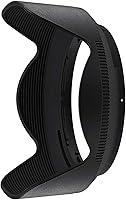
The lens ships with a snap-on bayonet-style hood (HB-93). Using it is genuinely recommended — beyond blocking stray light to reduce flare, it also provides a physical buffer protecting the front element from accidental contact in a crowded bag or on a busy street.

The ring is positioned toward the front of the barrel and moves with enough resistance that accidental adjustments are uncommon during normal handling. Some users initially find its clickless feel unfamiliar, but most adapt quickly and come to appreciate it for silent shooting environments.

Yes, continuous autofocus during video is supported across compatible Z bodies, and the stepping motor keeps focus transitions relatively quiet. That said, focus breathing — a slight shift in framing during focus pulls — is noticeable enough that dedicated video shooters often prefer native video-optimized lenses for polished productions.

Where to Buy