

Overview

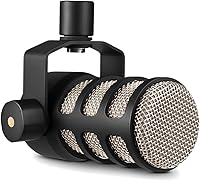
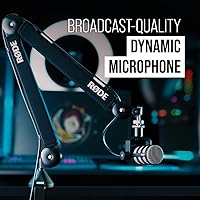
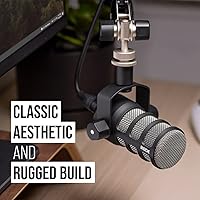
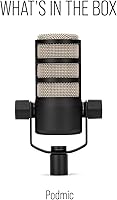
The Rode PodMic Cardioid Dynamic Broadcast Microphone is a reliable and durable microphone tailored for podcasting and broadcasting. Designed to offer clear sound with minimal background noise, this mic excels in delivering professional-grade audio quality. It is optimized for use with the Rodecaster Pro and other high-quality audio interfaces, ensuring seamless performance in a range of setups. Built with a sturdy, metal construction, it is built to withstand the rigors of daily use while offering excellent longevity for users who demand reliable gear.

Features & Benefits

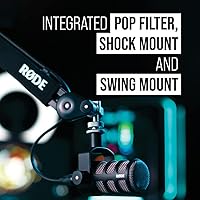
This dynamic mic is equipped with a range of features that enhance its performance. The internal pop filter effectively reduces plosives, allowing for crisp, clear vocals during recording. Its shock mounting system minimizes vibrations and handling noise, ensuring that even the slightest movements don’t affect sound quality. The unidirectional cardioid polar pattern focuses on sound coming directly in front of the microphone, effectively rejecting background noise. Additionally, its XLR connection makes it compatible with professional audio equipment for a superior audio experience.

Best For

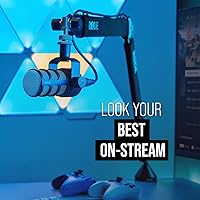
This Rode microphone is best suited for podcasters, content creators, and streamers looking for broadcast-quality audio. Its clear and consistent sound makes it ideal for vocal-focused recording, whether for a podcast, stream, or live broadcast. It is particularly well-suited for users with a high-end audio setup, such as the Rodecaster Pro, or any other professional XLR interface. Additionally, its durable build and easy-to-use design make it a great choice for anyone seeking a reliable, long-lasting microphone for vocal recording.

User Feedback

The Rode PodMic has received positive feedback for its exceptional sound quality and low background noise, making it a favorite among many users. Its solid build and value for money have also been praised, with many appreciating the overall durability. However, some users have pointed out that it requires a powerful audio interface to reach its full potential. A few complaints have surfaced regarding its lack of a USB connection, as it requires an XLR interface, which might not suit everyone’s setup.

Pros

  • This microphone delivers clear, professional-grade sound quality with minimal background noise.
  • The internal pop filter effectively reduces plosives, ensuring crisp vocal recordings.
  • Its shock mounting system reduces vibrations and handling noise during recordings.
  • Compatible with high-end XLR interfaces like the Rodecaster Pro for easy setup and top-tier performance.
  • Durable metal construction makes it a solid and long-lasting choice for regular use.
  • Ideal for podcasters and streamers seeking a reliable, broadcast-quality microphone.

Cons

  • This device requires a strong audio interface to perform at its best, limiting its use with lower-quality setups.
  • The lack of USB connectivity makes it inconvenient for users who prefer simple plug-and-play options.
  • Some users find the weight and size of this microphone less ideal for mobile or portable setups.
  • It may not be the best fit for beginners who lack experience with professional audio equipment.
  • A few users report that the microphone is prone to picking up minor vibrations despite its shock mount.
  • This microphone is not suitable for users looking for a low-cost solution or entry-level audio equipment.

Ratings

After analyzing verified user reviews from multiple platforms and languages worldwide, we've aggregated genuine feedback to assess the Rode PodMic Cardioid Dynamic Broadcast Microphone. Spam, incentivized, and off-topic reviews were filtered out to ensure authenticity. The overall scores reflect both its impressive strengths and areas where it could improve, with insights gathered from a broad range of users to provide a balanced perspective.

Sound Quality
94%
Many users highlight the excellent sound clarity of this microphone, with crisp, detailed audio that makes it ideal for professional recordings. The minimal background noise makes it a top choice for both podcasting and streaming, even in less-than-ideal acoustic environments.
However, some users note that while the sound quality is generally excellent, it may require a high-quality audio interface to truly shine. Without the right setup, the sound may not reach its full potential, especially for those using budget interfaces.
Build Quality
89%
The sturdy metal construction is frequently praised for its durability. Buyers appreciate how solid the microphone feels, giving them confidence in its longevity, even with frequent use. It's a device that’s built to last, surviving heavy handling and use in both home studios and professional setups.
Despite its robust build, some users have found the microphone a bit heavier than expected. While this isn’t a major issue for stationary use, it might be a bit cumbersome for those who need portability or plan to mount it on light, adjustable stands.
Ease of Use
83%
The microphone’s setup process is straightforward, especially when paired with compatible audio interfaces like the Rodecaster Pro. Many users mention that it’s easy to integrate into their existing podcasting or streaming setups without any complicated configurations.
However, a few users find the lack of USB connectivity inconvenient. The need for an XLR interface can be a barrier for beginners or those looking for a more plug-and-play option, making it less versatile than some USB-based alternatives.
Noise Isolation
91%
Thanks to its cardioid polar pattern and internal pop filter, this mic excels at isolating sound from unwanted background noise. Users report clean, focused recordings that prioritize their voice over ambient sounds, making it a favorite for clear vocal capture during podcasts and streams.
On the downside, some users have mentioned that while the noise isolation is impressive, it isn’t foolproof in extremely noisy environments. Those working in spaces with significant background noise might still need to further soundproof their recording area for optimal results.
Durability
88%
The microphone’s build is robust enough to withstand regular use without showing significant wear. It’s built with materials that stand up well to constant handling, whether it’s being transported for travel or used in a busy studio setting.
However, some users have noted that while it’s sturdy, its weight and design may not be ideal for all setups. For those who require extremely portable gear or need a mic that’s easier to adjust frequently, the heavier design might be an inconvenience.
Compatibility with Audio Interfaces
85%
The microphone works seamlessly with high-end XLR audio interfaces, especially when paired with devices like the Rodecaster Pro. Users appreciate its plug-and-play nature when connected to professional-grade setups, making it a great option for those looking to enhance their audio workflow.
Some buyers, however, have mentioned that it might not work as well with lower-end or budget interfaces. Without a strong enough audio interface, the microphone’s performance might not meet expectations, especially for users without high-end audio gear.
Setup & Installation
80%
20%
Setting up this mic is relatively simple for anyone familiar with XLR microphones, especially for those who already own professional audio equipment. It doesn’t require too much effort to start recording once it’s plugged in and adjusted properly.
However, beginners or those new to XLR connections might face a slight learning curve. Setting it up correctly with a compatible interface can be tricky without prior experience, and those who prefer USB microphones may find it more complex than expected.
Value for Money
92%
Users consistently find this microphone to offer excellent value for money. It delivers professional-level sound and durability at a reasonable price compared to other broadcast mics in the same category, making it a solid investment for anyone looking to upgrade their setup without breaking the bank.
A few users mentioned that while the microphone offers great quality, it might not be the best choice for those who need a completely budget-friendly solution. While reasonably priced, it’s still an investment for those who don’t already own the necessary XLR interfaces and equipment.
Microphone Design
87%
The design of the microphone is both functional and aesthetically appealing. Its robust, minimalistic look fits well in any professional setup, while the sturdy build ensures that it will stand the test of time in both home studios and live environments.
Some users, however, feel that the design could be more user-friendly, especially in terms of weight and mounting options. It may not be as versatile as some other microphones when it comes to easy adjustments or travel-friendly setups.
User Experience
82%
18%
Many users appreciate the straightforward, no-fuss experience they get with this microphone, especially once it's set up. Whether recording for a podcast or streaming, it offers a reliable, easy-to-use solution that works well with existing setups.
However, some have found that it doesn't offer as much flexibility for quick adjustments during recordings. The lack of built-in features like volume control or gain adjustment means users need to rely on external gear for more nuanced control over their sound.
Performance in Podcasting & Streaming
90%
This microphone excels in both podcasting and streaming scenarios, providing crisp, professional sound that ensures clear and engaging broadcasts. Many users report it being a significant upgrade to their previous setups, with improvements in sound quality and overall presence on air.
Some users have mentioned that while it performs well for its intended use, it requires careful adjustment and the right setup to deliver its full potential. For those without the proper interface or who are new to XLR microphones, it might not be the easiest mic to get started with.
Lack of USB Connectivity
60%
40%
While the XLR connectivity allows for professional audio quality, users who already own compatible interfaces don’t mind the lack of USB connection. They appreciate the reliability and superior performance it offers when used in professional settings.
However, many users find the lack of a USB connection a significant drawback. Those who prefer a simpler plug-and-play experience or who don’t have access to an XLR interface might be disappointed by this limitation.

Suitable for:

The Rode PodMic Cardioid Dynamic Broadcast Microphone is well-suited for podcasters, content creators, and streamers who require professional-grade sound clarity. Users with a setup that includes high-quality XLR interfaces, such as the Rodecaster Pro, will especially benefit from its seamless integration and superior audio capture. The microphone’s durability and focused sound capture make it ideal for both home studio environments and live streaming setups, where minimal background noise is crucial. It is also a great option for anyone looking for a reliable, solidly built microphone that can withstand frequent use in demanding broadcasting scenarios.

Not suitable for:

This microphone may not be the best fit for beginners or those seeking a simple plug-and-play solution. Its reliance on XLR connectivity means that users without professional audio interfaces might find it difficult to get the best sound quality, as it requires additional equipment to perform optimally. Furthermore, those who need a more portable, lightweight mic or are looking for a USB-compatible microphone may find it cumbersome. The Rode PodMic might also not be ideal for individuals who need to frequently move or adjust the mic during recordings, as its heavier build and lack of built-in adjustability can be limiting in more dynamic setups.

Specifications

  • Microphone Type: Dynamic microphone designed for vocal recording and broadcasting.
  • Polar Pattern: Cardioid polar pattern focuses sound capture from the front while rejecting noise from the sides and rear.
  • Connectivity: Requires an XLR connection to a compatible audio interface or mixer.
  • Frequency Response: 20 Hz to 20 kHz, covering the full range of human speech for clear audio.
  • Impedance: 150 Ohms, suitable for professional audio interfaces and mixers.
  • Signal-to-Noise Ratio: 78 dB, ensuring minimal background noise for clean audio capture.
  • Pop Filter: Built-in internal pop filter helps reduce plosive sounds, ensuring clearer vocals.
  • Shock Mount: Integrated shock mounting system minimizes handling noise and vibrations.
  • Build Material: Durable metal construction designed to withstand regular use in a professional environment.
  • Dimensions: 9 x 6 x 4 inches, compact size ideal for desktop use.
  • Weight: 2.07 lbs, providing a sturdy and stable feel during use.
  • Best Use: Ideal for podcasters, streamers, and content creators seeking professional-quality sound.
  • Noise Reduction: Designed to minimize background noise, ideal for use in less-than-ideal recording environments.
  • Compatibility: Optimized for use with high-quality audio interfaces such as the Rodecaster Pro.
  • Durability: Built to last with a robust metal frame, suitable for long-term use in demanding environments.
  • Mounting: Compatible with standard microphone mounts or stands with XLR connections.
  • Plosives Handling: The built-in pop filter effectively reduces plosives, preventing unwanted air bursts during speech.
  • Acoustic Treatment: Works best in environments with basic acoustic treatment for optimal sound clarity.
  • Power Requirements: Requires phantom power from an audio interface or mixer with XLR input.

FAQ

The Rode PodMic is designed specifically for podcasting, offering excellent sound clarity with minimal background noise. Its cardioid polar pattern ensures focused sound capture, while the internal pop filter reduces plosives, making it perfect for clear vocal recordings.

This microphone uses an XLR connection, which means you'll need an audio interface with XLR input, such as the Rodecaster Pro or any other professional-grade XLR interface, for optimal performance.

To set up this microphone, simply connect the XLR cable from the PodMic to the XLR input of your audio interface. Ensure that your interface is powered on and set to the appropriate input gain for best sound quality.

No, the Rode PodMic requires an XLR interface to work. It does not have a USB output, so if you're using a USB interface, you may need a separate XLR-to-USB adapter.

The Rode PodMic has a frequency response of 20 Hz to 20 kHz, which covers the full range of human speech and provides clear, rich vocal recordings with minimal distortion.

Yes, this microphone is perfect for live streaming and gaming. It provides high-quality, consistent sound with low background noise, making it ideal for streamers and gamers who want clear, professional audio.

The PodMic is built with a robust metal construction, making it highly durable and capable of withstanding regular use in both home studios and on the go.

Yes, this microphone features an internal pop filter that reduces plosives and a shock mounting system that minimizes handling noise and vibrations, ensuring clear and professional audio recording.

While the Rode PodMic offers excellent sound quality and durability, its requirement for an XLR interface might make it more suited to users with some experience in audio equipment. Beginners without a dedicated audio interface may find it less convenient.

The primary downside of the Rode PodMic is its lack of USB connectivity, meaning it can only be used with higher-end audio interfaces. Additionally, it may require higher input gain, making it less suitable for users with entry-level gear.