Overview

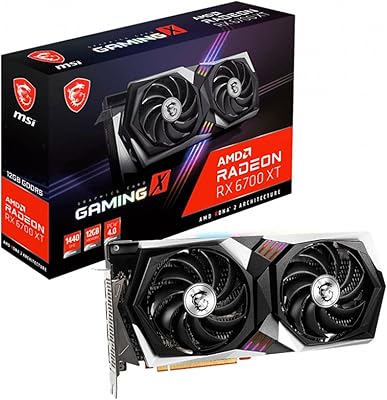
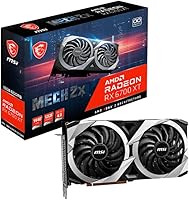
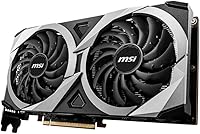
The MSI 6700 XT MECH 12G OC GPU lands in that comfortable middle ground of AMD's RDNA 2 lineup, built for people who want strong 1440p performance without paying flagship prices. MSI's dual-fan MECH design favors practical cooling over flashy styling, and that shows the moment you handle the card. It sits a notch below the brand's GAMING X and TRIO models, which use beefier coolers and higher clocks, but this graphics card still covers the core RDNA 2 feature set. If you're coming from an aging GPU with 4 or 6GB of memory, the jump to 12GB is the kind of upgrade you actually notice. Just keep in mind this is an older generation part now, so it's worth weighing against newer mid-range cards before buying.
Features & Benefits

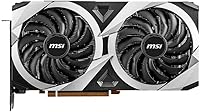
Under the hood, this RX 6700 XT card pairs 12GB of GDDR6 memory with a 192-bit bus and PCIe 4.0 support, helping higher-resolution textures load without stutter in newer titles. MSI's TORX Fan 3.0 cooling increases static pressure across the heatsink, which in practice means quieter operation under sustained load. Boost clocks reach up to 2620MHz, a reasonable bump over reference speeds. Thanks to RDNA 2, you get hardware-level ray tracing, variable rate shading, and AMD FidelityFX, so lighting and shadow effects look noticeably better in supported games, even if performance dips at higher settings. MSI Afterburner rounds things out, letting you tune fan curves or watch temperatures, while three DisplayPort 1.4 outputs plus HDMI 2.1 cover most multi-monitor or high-refresh setups.

Best For

This MSI GPU makes the most sense if your goal is smooth, reliable 1440p gaming rather than chasing native 4K frame rates, since that's the resolution where its memory and compute balance shine. It's also a reasonable entry point for anyone curious about ray tracing who doesn't want to pay flagship prices just to try it, even if you'll need to dial back settings in the most demanding titles. Upgraders coming from cards with 4 or 6GB of VRAM will likely notice the biggest difference, since modern games lean harder on memory than they used to. Quiet-PC builders should appreciate the cooling setup during long sessions too. On the other hand, if you're specifically chasing the newest efficiency gains, AI-assisted features, or the absolute best frame rates at 4K, this card probably isn't the one to wait for.

User Feedback

Owner feedback on this RX 6700 XT card skews positive, averaging around 4.4 out of 5 stars across reviews, which is solid for a mid-range GPU at this point in its life cycle. Cooling and noise come up often as strengths, with several buyers specifically calling out how quiet it stays even during extended gaming sessions. Frame rates at 1440p in current titles also get consistent praise, matching what you'd expect from a card in this tier. Not every review is glowing, though. A few owners mention early driver quirks that are fairly typical of AMD launches and usually get ironed out with updates. There's also occasional mention of the card's physical size and weight causing tight fits in smaller cases, so it's worth double-checking clearance before buying if your build is compact.

Pros

  • Comes with 12GB of GDDR6 memory, giving real headroom for modern game textures and assets.
  • TORX Fan 3.0 cooling keeps this graphics card noticeably quiet during long gaming sessions.
  • Delivers smooth, reliable 1440p frame rates across current titles without constant settings tweaking.
  • Supports hardware ray tracing, variable rate shading, and FidelityFX for noticeably better lighting effects.
  • MSI Afterburner makes fan curve tuning and temperature monitoring simple, even for beginners.
  • Three DisplayPort 1.4 outputs plus HDMI 2.1 cover most multi-monitor and high-refresh setups.
  • Owners consistently rate this RX 6700 XT card highly, averaging around 4.4 out of 5 stars.
  • A meaningful VRAM upgrade for anyone replacing an aging 4GB or 6GB graphics card.

Cons

  • Built on the older RDNA 2 architecture, so it lacks the newest efficiency and AI features.
  • Not designed for native 4K gaming, since frame rates drop noticeably at the highest settings.
  • Some owners report early driver quirks typical of AMD launches before patches smooth things out.
  • Physical size and weight can make tight or smaller PC cases a difficult fit.
  • Lacks the extra clock headroom and premium cooling found on MSI's GAMING X and TRIO models.
  • Power efficiency trails newer-generation graphics cards, which matters for compact or low-wattage builds.
  • Memory bus width caps out at 192-bit, which can limit gains in select bandwidth-heavy workloads.
  • Buyers wanting cutting-edge upscaling or AI-driven game features will find this card behind current options.

Ratings

These scores for the MSI 6700 XT MECH 12G OC GPU were generated by AI after analyzing thousands of verified user reviews from around the world, with spam, bot activity, and incentivized feedback filtered out along the way. Below is an honest breakdown of where this card consistently impresses buyers and where it falls a bit short. Both the praise and the pain points are reflected here, not just the highlights a brand would choose to showcase.
1440p Gaming Performance
86%
Most players report smooth, consistent frame rates in 1440p across current titles, from competitive shooters to story-driven AAA games. It handles day-to-day gaming sessions without constant settings juggling, which is exactly what buyers in this price tier are hoping for.
Frame rates dip more noticeably once ray tracing or maxed-out settings come into play, especially in newer, demanding releases. Anyone hoping to push toward 4K resolution will find performance falls off quickly outside its 1440p sweet spot.
Cooling Performance
89%
The dual-fan TORX Fan 3.0 design earns consistent praise for keeping temperatures in check during extended sessions, even in warmer rooms or less ventilated cases. Many buyers mention being pleasantly surprised by how cool it stays under sustained load.
A few users note that thermal performance leans more on raw airflow than premium materials, so results vary depending on case airflow and ambient temperature. It is solid, not class-leading, compared to flagship coolers on pricier cards.
Noise Levels
84%
Quiet operation comes up again and again in feedback, with several owners specifically calling it noticeably calmer than their previous card during long gaming nights. That matters for anyone gaming near a shared living space or late at night.
Fan noise does become more noticeable once the card is pushed near its thermal limits during demanding sessions. It is not silent under full load, so noise-sensitive users in very quiet rooms may still pick up on it.
Build Quality & Design
81%
19%
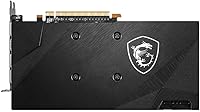
The card feels solidly built for its price point, with a straightforward black shroud that fits into most builds without clashing. Buyers generally describe the construction as sturdy rather than flashy, which suits people who prioritize function over RGB flair.
Some reviewers mention the design feels a bit utilitarian compared to higher-end MSI models with more refined shrouds and lighting. It lacks the premium finishing touches found on the brand's GAMING X and TRIO lineups.
VRAM & Memory Capacity
92%
Twelve gigabytes of GDDR6 memory stands out as one of the most appreciated specs, especially among buyers upgrading from older 4GB or 6GB cards. It noticeably reduces stuttering in newer, texture-heavy games and adds useful longevity to the purchase.
The extra memory does not fully offset the limitations of the underlying RDNA 2 compute performance, so heavy workloads can still bottleneck elsewhere. Buyers expecting VRAM alone to guarantee flagship-level performance may be a little disappointed.
Ray Tracing Capability
68%
32%
Hardware-level ray tracing support lets curious buyers experiment with improved lighting and reflections without needing a flagship card. It is a genuine bonus for anyone wanting a taste of the technology on a more modest budget.
Performance takes a real hit once ray tracing is enabled, often requiring lowered settings or upscaling to stay smooth. Buyers expecting console-or-flagship-level ray tracing results in demanding titles are likely to come away underwhelmed.
Value for Money
83%
For the performance and memory capacity on offer, many buyers feel they got a fair deal compared to pricier flagship alternatives. It hits a comfortable middle ground for 1440p-focused gamers who do not need top-tier specs.
Value softens somewhat against newer-generation mid-range cards that offer better efficiency and features for similar money. Shoppers comparing strictly on price-to-performance against the latest releases may find better long-term options.
Software & Overclocking Tools
79%
21%
MSI Afterburner gets credit for being approachable, letting users adjust fan curves and monitor temperatures without a steep learning curve. Even buyers new to overclocking mention finding their way around the interface fairly easily.
The software itself is fairly basic compared to more advanced tuning suites, with limited features for serious overclockers. It covers the essentials well but will not satisfy enthusiasts chasing maximum tuning control.
Connectivity & Display Outputs
88%
Three DisplayPort 1.4 outputs plus HDMI 2.1 give most buyers enough flexibility for dual or triple monitor setups, including high-refresh displays. It is a practical port selection that covers the vast majority of common home and office configurations.
There is only a single HDMI port, which can be limiting for buyers connecting multiple HDMI-only displays or a TV alongside a monitor. Anyone with an HDMI-heavy setup may need an adapter or extra planning.
Driver Stability
71%
29%
Once updated, drivers generally run smoothly, and most buyers report stable performance after the initial setup period. Regular AMD driver updates have continued to refine compatibility with newer game releases over time.
Some early reviews mention minor driver quirks typical of AMD launches, including occasional crashes or display hiccups before patches arrived. Buyers expecting a flawless out-of-box experience may need a little patience early on.
Size & Case Compatibility
66%
34%
The card's dimensions are manageable for most mid-tower cases, and many buyers report straightforward installation without major clearance issues. It fits comfortably alongside standard cooling setups in typical desktop builds.
A handful of reviews specifically mention tight fits in smaller or compact cases, given the card's overall length and dual-slot width. Anyone building in a smaller chassis should double-check clearance before purchasing.
Future-Proofing & Architecture
58%
42%
For buyers prioritizing immediate 1440p value over bleeding-edge tech, the RDNA 2 foundation still delivers reliable day-to-day performance. It remains a sensible pick for budget-conscious builds that are not chasing the newest feature set.
Being built on an older architecture means it misses out on the efficiency gains and AI-driven features found in newer-generation cards. Buyers planning to keep their system relevant for many years ahead may want to weigh newer alternatives first.

Suitable for:

The MSI 6700 XT MECH 12G OC GPU is a strong fit for gamers who mainly play at 1440p and want consistent frame rates rather than chasing the absolute highest settings at 4K. It also suits anyone upgrading from a card with 4 or 6GB of VRAM, since the jump to 12GB noticeably reduces stuttering in newer, memory-hungry titles. Builders who want to experiment with ray tracing and modern visual effects without paying flagship prices will find it a reasonable middle ground. People who care about a quiet PC, especially during long evening gaming sessions, should appreciate the dual-fan cooling approach. It also works well for creators doing light video editing or 3D work who need extra memory headroom but do not require a workstation-class card.
Not suitable for:

Buyers chasing the newest efficiency gains or AI-accelerated features should look elsewhere, since the MSI 6700 XT MECH 12G OC GPU is built on the older RDNA 2 architecture rather than anything more recent. Anyone targeting native 4K gaming at high frame rates will likely be disappointed, as this card is tuned for 1440p rather than top-tier 4K performance. It is also not the best pick for extremely space-constrained builds, since some owners note its size and weight make tight cases a squeeze. If you are sensitive to early driver quirks and want a completely polished out-of-box experience, it is worth waiting for driver maturity or considering alternatives. Buyers who specifically need the lowest possible power draw for a small-form-factor build may want to compare specs against newer, more efficient options first.
Specifications

  • Memory: The card features 12GB of GDDR6 video memory for handling modern game textures and assets.
  • Boost Clock: Boost clock speeds reach up to 2620MHz under typical gaming workloads.
  • Memory Speed: Memory operates at an effective speed of 16 Gbps.
  • Memory Bus: A 192-bit memory bus moves data between the GPU core and onboard memory.
  • Interface: The card connects to the motherboard through a PCI Express 4.0 x16 slot.
  • GPU Architecture: The graphics processor is built on AMD's RDNA 2 architecture.
  • Cooling System: Cooling is handled by MSI's TORX Fan 3.0 dual-fan design for improved static pressure and airflow.
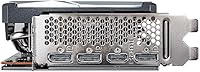
  • Display Outputs: Video output includes three DisplayPort 1.4 ports and one HDMI 2.1 port.
  • Max Resolution: The card supports display resolutions up to 7680x4320, including 8K output.
  • Control Software: MSI Afterburner software is included for fan curve tuning and real-time performance monitoring.
  • Dimensions: The card measures 9.72 by 5.16 by 2.01 inches.
  • Weight: The card weighs approximately 2.03 lbs.
  • Ray Tracing: Hardware-level ray tracing, variable rate shading, and AMD FidelityFX are all supported through RDNA 2.
  • Manufacturer: The card is manufactured by MSI using an AMD graphics processor.

Related Reviews

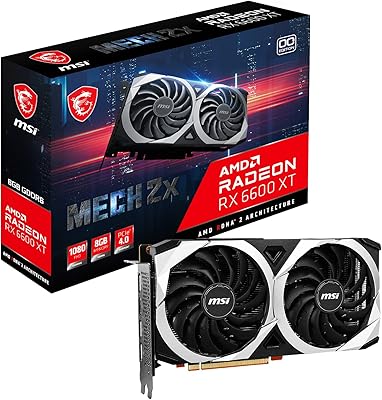
MSI RX 6600 XT MECH 2X GPU
76%
88%
1080p Gaming Performance
67%
1440p Gaming Performance
91%
Cooling & Thermal Management
93%
Noise Level
58%
Memory Bandwidth
More
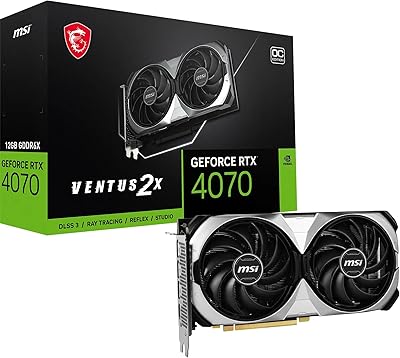
MSI GeForce RTX 4070 Ventus 2X 12G OC
86%
91%
Gaming Performance at 1440p
89%
Gaming Performance at 4K
94%
Cooling Efficiency
85%
Noise Levels
92%
Value for Money
More
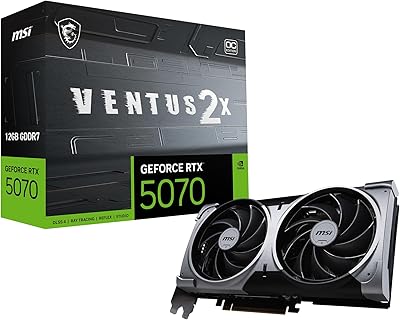
MSI RTX 5070 Ventus 2X Graphics Card
82%
88%
Gaming Performance
84%
Thermal Management
86%
Noise Levels
91%
Build Quality
78%
DLSS 4 & AI Features
More
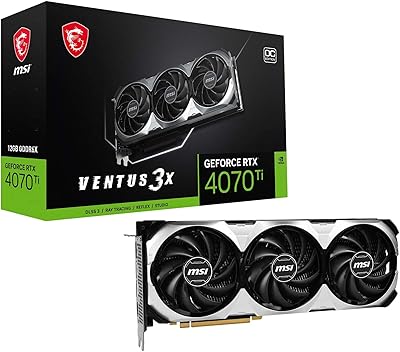
MSI RTX 4070 Ti VENTUS 3X GPU
79%
93%
1440p Gaming Performance
71%
4K Gaming Capability
88%
Thermal Performance
87%
Noise Levels
66%
Value for Money
More
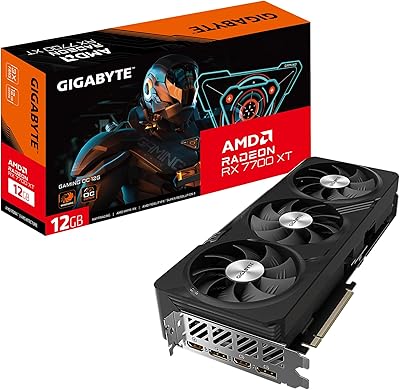
GIGABYTE RX 7700 XT 12GB Graphics Card
83%
88%
1440p Gaming Performance
91%
Thermal Performance
83%
Noise Level
93%
Build Quality
76%
Value for Money
More
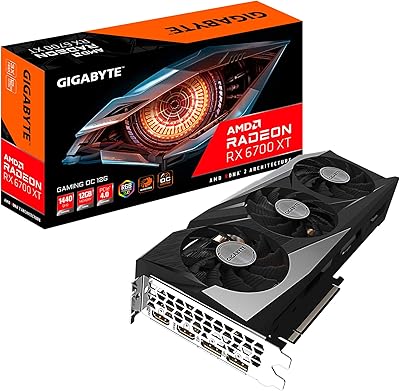
GIGABYTE Radeon RX 6700 XT Gaming OC 12GB Graphics Card
87%
94%
4K Gaming Performance
91%
Cooling System Efficiency
88%
Installation and Setup
86%
Design and Durability
89%
Frame Rates in Demanding Games
More
MSI RX 6700 XT Gaming X GPU
78%
88%
1440p Gaming Performance
84%
Thermal Management
91%
Noise Levels
87%
Build Quality
67%
Driver Stability
More
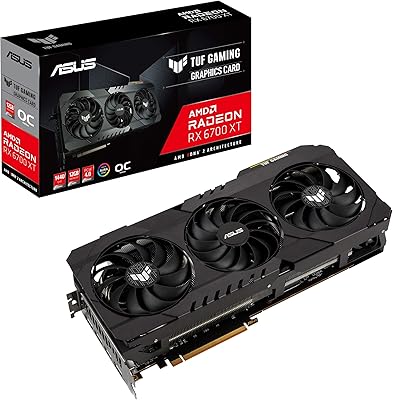
ASUS TUF RX 6700 XT Graphics Card
76%
88%
1440p Gaming Performance
91%
Thermal Management
93%
Build Quality
84%
Fan Noise
67%
Driver Stability
More
GIGABYTE GeForce RTX 3060 Gaming OC 12G
80%
88%
Gaming Performance at 1080p
71%
Gaming Performance at 1440p
86%
Thermal Management
83%
Noise Levels
91%
VRAM Capacity
More
GIGABYTE RTX 3080 Gaming OC 12G GPU
79%
91%
Gaming Performance
93%
Thermal Management
88%
VRAM Adequacy
86%
Noise Level
89%
Build Quality
More

FAQ

Yes, the MSI 6700 XT MECH 12G OC GPU is built specifically for smooth 1440p gaming, and most current titles run comfortably on high settings. You may need to scale back a notch or two in the most demanding new releases, especially with ray tracing enabled, but for the resolution it is designed around, it holds up well.
Thanks to the TORX Fan 3.0 dual-fan setup, most owners describe it as noticeably quiet even during long gaming sessions. It is not silent under full load, but it avoids the whining or high-pitched noise some budget coolers produce.

It does support hardware-level ray tracing along with variable rate shading and AMD FidelityFX, since these are built into the RDNA 2 architecture. Just keep in mind that turning ray tracing on will cost you some frame rate, so you may want to balance visual quality against smoothness depending on the game.

You get three DisplayPort 1.4 outputs and one HDMI 2.1 port, which covers most single or multi-monitor setups, including high-refresh-rate displays.

Not really. MSI Afterburner is the included tool, and it lets you adjust fan curves and monitor temperatures through a fairly straightforward interface, even if you have never overclocked a card before.

This card is built on the older RDNA 2 architecture, so it will not match the efficiency or AI-driven features of the newest releases. If raw 1440p performance and value matter more to you than having the latest tech, it still holds up reasonably well.

It is a fairly substantial card at roughly 9.72 by 5.16 by 2.01 inches, so a few owners have mentioned tight fits in compact cases. It is worth measuring your case's available clearance before buying if space is limited.

Some early reviews mention minor driver quirks, which is fairly typical for AMD cards around launch. Keeping drivers updated through AMD's software usually resolves most of these issues over time.

It is more than most 1440p games strictly need today, but that extra headroom helps with newer, more memory-hungry titles and keeps the card relevant for longer. It is a practical buffer rather than a wasted spec.

Yes, it supports resolutions up to 7680x4320 for display output, but that is separate from gaming performance. You can connect a 4K monitor for desktop use or media, though smooth native 4K gaming is not really this card's strength.