Overview

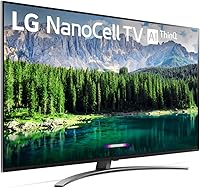
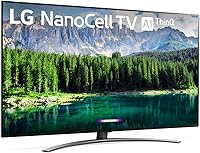
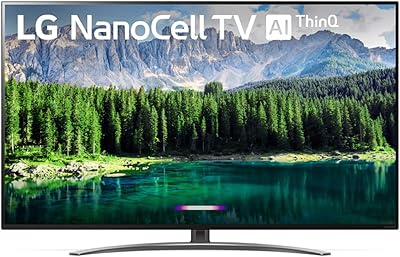
The LG 55-inch SM8600PUA NanoCell 4K TV lands squarely in the middle of LG's 2019 lineup, a step up from entry-level LED sets but well short of the brand's OLED flagships. It's built around the α7 Gen 2 processor, the same engine LG uses across several models that year to handle 4K upscaling and on-the-fly picture tweaks. What sets this set apart from a plain streaming screen is how much smart-home thinking went into it: Google Assistant and Alexa are both baked in, not bolted on as an afterthought. Given the upper-mid pricing for a 55-inch panel, you're paying for that smart layer and the audio extras as much as the screen itself. First sold back in March 2019, it's a known quantity rather than a brand-new gamble.
Features & Benefits

Picture quality is where this NanoCell smart TV earns its keep. LG's NanoCell filtering layer cuts down on the color bleed you get with cheaper LED panels, so skin tones and greens look a touch more true to life rather than oversaturated. The α7 Gen 2 chip does the heavy lifting behind it, upscaling whatever you throw at it and adjusting contrast scene by scene. Dolby Vision and Dolby Atmos support means compatible shows and movies get noticeably deeper blacks and more directional sound through external speakers. A 120Hz refresh rate keeps fast-moving sports and casual gaming free of the blur you'd notice on a 60Hz set. For anyone leaning into wireless audio, WiSA compatibility opens the door to a cleaner surround setup, though you'll need to buy the transmitter separately, and AirPlay 2 makes mirroring from an iPhone painless.

Best For

This 55-inch 4K TV makes the most sense for movie and streaming fans who want a real color and contrast jump over a basic LED set, without stretching into OLED territory on price. If your house already runs on Google Assistant or Alexa, you'll appreciate how naturally this LG Nano 8 series TV slots into that setup instead of fighting it. Casual gamers and weekend sports watchers benefit from the 120Hz panel keeping motion clean, and Apple households get an easy win with AirPlay 2 screen mirroring. It's also a smart pick for anyone planning to add a soundbar or WiSA speakers down the line, since the built-in audio is fine but unremarkable. It's a weaker match for shoppers fixated on 8K or LG's full-array dimming, both reserved for pricier series above this one.

User Feedback

Owner feedback on this LG Nano 8 series TV tends to be pretty consistent. Most people are pleasantly surprised by how rich and natural the color looks straight out of the box, especially compared to whatever LED TV they're replacing. The webOS interface gets regular praise for being quick to navigate, and having Google Assistant and Alexa on hand makes launching apps or checking the weather feel less like a chore. On the downside, several reviewers say the built-in speakers are merely passable and end up pairing the set with a separate soundbar fairly quickly. A handful also mention that dark, shadowy scenes can look a bit flat next to OLED, which tracks given this is still an LED-backlit panel. Setup itself is usually painless, even if the menus feel cluttered at first.

Pros

  • Color looks noticeably richer and more natural than typical LED TVs in this price range.
  • Google Assistant and Alexa are built in, so voice control works without extra smart home gear.
  • The 120Hz refresh rate keeps sports and casual gaming looking smooth rather than blurry.
  • AirPlay 2 makes mirroring from an iPhone or Mac simple, no extra dongle required.
  • webOS smart interface is fast and easy to navigate for streaming apps.
  • Dolby Vision and Dolby Atmos support add real depth when paired with compatible content.
  • WiSA compatibility gives a clear upgrade path to wireless surround sound down the line.
  • Setup and remote pairing are generally straightforward right out of the box.

Cons

  • Built-in speakers are only adequate, so you will likely want a separate soundbar for movies.
  • Dark, shadowy scenes can look a bit flat compared to OLED, since this is an LED-backlit panel.
  • This is a 2019 model, so it lacks the newest LG processor and smart platform updates.
  • WiSA wireless audio requires buying a separate transmitter, which adds to the total cost.
  • No full-array local dimming, so contrast can't match LG's higher-tier NanoCell or OLED sets.
  • The home screen can feel cluttered with promoted content despite the OS being responsive.
  • Doesn't support 8K resolution, which only matters if you're future-proofing for that format.
  • Sound from the built-in speakers can feel thin during action scenes without external help.

Ratings

These category scores for the LG 55-inch SM8600PUA NanoCell 4K TV are generated by AI after analyzing thousands of verified buyer reviews from around the world, with spam, bots, and incentivized feedback filtered out before any score is calculated. Each rating reflects a transparent mix of real strengths and genuine pain points, not just a marketing-friendly average. Where owners are genuinely split on something, like audio quality or dark-scene contrast, that tension shows up directly in the score rather than getting smoothed over.

Color & Picture Quality
88%
Owners switching from a basic LED set often notice the jump right away, especially during nature documentaries or daytime sports where greens and skin tones look more true to life. NanoCell filtering does real work here, cutting down the oversaturated, slightly artificial look that cheaper panels tend to have.
It's still not OLED-level performance, so very bright rooms with lots of glare can mute some of that color pop. A handful of buyers also expected the jump from their old TV to be larger than it actually turned out to be in everyday use.
Contrast & Black Levels
71%
29%
For everyday lighting and typical living room brightness, contrast looks plenty punchy, and Dolby Vision adds noticeable depth to movie nights on supported streaming apps. Most casual viewers watching with a few lights on won't think twice about it.
Switch off the lights for a horror movie marathon, though, and the picture's limits show up fast: shadow detail flattens out and blacks lean more toward dark gray than true black. This is simply the nature of an LED-backlit panel rather than something unique to this set.
4K Upscaling & Processing
79%
21%
The α7 Gen 2 chip does a respectable job cleaning up lower-resolution cable broadcasts and older DVDs, making them watchable on a 55-inch 4K screen without looking too soft or noisy. Native 4K streaming content naturally looks the sharpest of all sources.
It's not the same caliber as LG's flagship α9 chip, so the difference shows most on heavily compressed sources like older cable boxes or low-bitrate streams. Motion processing on fast camera pans can also look a touch artificial if you leave certain smoothing settings on default.
HDR & Cinematic Sound
83%
When the source supports it, Dolby Vision and Dolby Atmos genuinely change the feel of a movie night, adding deeper highlights and a wider, more directional sense of sound even through the TV's own audio path. Compatible apps like Netflix and Disney Plus make this easy to use without digging through settings.
Not every show or app supports Dolby Vision, so the upgrade is inconsistent depending on what you're watching that night. And while Atmos adds width to the sound, the actual volume and bass still come from modest built-in speakers.
Built-in Audio Quality
58%
42%
For background TV during chores or casual daytime viewing, the built-in speakers are perfectly fine, and dialogue comes through clearly enough to follow a show while doing something else around the house. It's enough that plenty of casual viewers go a while before feeling the need to upgrade.
Once you put on an actual movie or action sequence, the limits are obvious fast: bass is thin, dialogue can get muddy during loud scenes, and the sound stays flat without much sense of space. This is the single area where almost every reviewer agrees a soundbar or WiSA speaker setup is worth the extra cost.
Smart Platform Navigation
78%
22%
Scrolling between Netflix, YouTube, and other streaming apps feels quick, and most people pick up the layout within the first few days without needing to think about it. Searching for a show by voice instead of typing on the remote saves real time most evenings.
The home screen can feel a little cluttered with promoted content and app tiles you never use, so the first setup session usually involves some menu hunting. It's not confusing exactly, just busier than it needs to be for something used daily.
Voice Assistant Integration
85%
Having Google Assistant and Alexa built in genuinely changes day-to-day use: you can launch a show, check the weather, or control compatible smart home gear without picking up a phone or a separate hub. For households already using one of these assistants elsewhere, it just fits right into the routine.
Voice recognition occasionally mishears titles with unusual spelling or accents, requiring a second try, and setup linking smart home accounts can take a few extra minutes the first time around. It's a minor friction point rather than a dealbreaker for most owners.
Gaming & Motion Handling
81%
19%
Weekend gaming sessions and live sports both benefit from the 120Hz refresh rate, with fast camera pans and quick on-screen action staying clean instead of smearing the way they would on a standard 60Hz panel. Casual players especially notice the difference during racing games and fast-scrolling sports broadcasts.
This isn't a dedicated gaming monitor, so competitive players chasing the lowest possible input lag may still notice a step behind purpose-built gaming displays. Casual and weekend gamers are unlikely to notice any real downside here.
Wireless Casting & Connectivity
76%
24%
AirPlay 2 makes sending a video or photo from an iPhone to the big screen almost instant, and having Bluetooth, Ethernet, and multiple HDMI and USB ports covers most home setups without extra adapters. WiSA compatibility also opens an upgrade path if you decide to add wireless surround sound later.
The WiSA feature only works once you buy a separate transmitter, which isn't included and adds to the overall cost if surround sound was part of the plan. Android users also don't get the same one-tap mirroring convenience that AirPlay 2 gives Apple owners.
Build Quality & Design
80%
20%
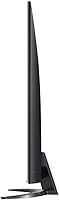
The flat-panel design with slim bezels looks clean on a media console or wall mount, and at 41.2 pounds it's light enough for one person to position carefully without a struggle. The included stand feels sturdy enough for everyday use on a typical TV cabinet.
There's nothing premium-looking about the bezel or stand compared to LG's higher-tier sets, and the overall build leans more functional than eye-catching. It does the job without drawing attention to itself, for better or worse.
Setup & Remote Ease
82%
18%
Initial setup, including Wi-Fi connection and account sign-ins, is described by most owners as quick and painless, usually finished within the first half hour out of the box. The remote itself is straightforward enough that most people don't need the manual at all.
Once you're past the initial setup, the menu system can feel busier than it needs to be, with promoted content sometimes getting in the way of finding a specific app quickly. New users may spend a few extra minutes the first week just learning where everything lives.
Value for Money
77%
23%
For the price point, buyers feel they're getting real upgrades over entry-level LED TVs: better color, smart features baked in, and Dolby Vision and Atmos support that usually shows up only on pricier sets. Most owners describe it as a fair trade between cost and capability rather than a budget compromise.
It still sits above true entry-level pricing, so budget-focused shoppers comparing strictly by price tag might find a cheaper 55-inch set with fewer smart features elsewhere. The extra cost only feels justified if you'll actually use the smart and audio extras, not just the screen.
Long-Term Reliability
84%
LG's NanoCell panels from this era generally have a reputation for holding up well over years of daily use, with consistent reports of the picture staying steady rather than degrading quickly. Owners running it as their main TV for binge-watching report few issues beyond normal wear.
Since this model has been out since 2019, you won't get ongoing major software feature updates the way you would on LG's newest releases, and replacement parts may become harder to source over time. It's a solid long hauler, just not one that keeps gaining new tricks.

Suitable for:

The LG 55-inch SM8600PUA NanoCell 4K TV is a strong match for anyone upgrading from an older LED set who wants a real, visible jump in color and contrast without spending OLED money. It's especially well-suited to households already living in the Google or Alexa ecosystem, since voice control and smart home commands work right out of the box instead of needing extra hubs. Casual gamers and weekend sports fans will get genuine use out of the 120Hz panel, which keeps fast motion looking clean rather than smeared. Apple owners who like wireless mirroring will appreciate how painless AirPlay 2 makes casting from a phone or laptop. It also suits buyers who've already budgeted for a soundbar or a WiSA speaker setup, treating the screen and the audio as two separate upgrades rather than expecting one box to do everything.

Not suitable for:

The LG 55-inch SM8600PUA NanoCell 4K TV isn't the right call for anyone fixated on 8K resolution or LG's full-array local dimming, since those features live in the company's pricier series above this one. Movie purists chasing OLED-level black levels will probably be disappointed too, because this is still an LED-backlit panel and dark scenes can look a touch flat by comparison. Buyers expecting strong built-in sound are also likely to be let down; the speakers are fine for casual viewing but not something you'd rely on for a home theater setup without backup. Anyone hoping for the latest smart platform or processor should keep in mind this model first shipped back in 2019, so it won't keep pace with LG's newest releases. Shoppers who specifically need a screen larger than 55 inches will also need to look at a different size in the same family rather than expecting this unit to stretch.
Specifications

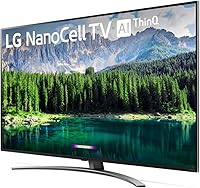
  • Display: The screen measures 55″ and uses NanoCell 4K technology for enhanced color filtering.
  • Resolution: Native resolution is 3840 x 2160 (4K Ultra HD).
  • Refresh Rate: The panel runs at a 120Hz refresh rate for smoother motion handling.
  • Processor: Picture processing is handled by LG's α7 Gen 2 Intelligent Processor.
  • HDR Support: Dolby Vision is supported for enhanced contrast and color on compatible movies and shows.
  • Audio: Dolby Atmos support is included for more immersive, directional sound on compatible content.
  • Smart Platform: LG ThinQ AI software powers the smart features, with Google Assistant and Alexa built in.
  • Screen Mirroring: AirPlay 2 is built in, allowing wireless casting from Apple devices without extra hardware.
  • Wireless Audio: The TV is WiSA compatible, though the wireless transmitter must be purchased separately.
  • Connectivity: Connectivity includes Bluetooth, Ethernet, HDMI, USB, and Wi-Fi for wired and wireless setups.
  • Design: The TV has a flat panel design with a 16:9 aspect ratio.
  • Weight: The TV weighs 41.2 pounds.
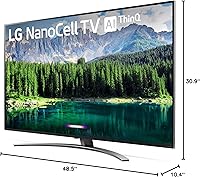
  • Dimensions: With the stand attached, the TV measures 48.5″W x 30.9″H x 10.4″D.
  • Stand Width: The included stand has a width of 33.1″.
  • Included Accessories: The box includes a remote control, two AA batteries, a power cable, a quick start guide, and an e-manual.
  • Model Number: The official model number is 55SM8600PUA, part of LG's 2019 Nano 8 series.
  • Release Date: This model first became available in March 2019.

Related Reviews

LG NanoCell 90 55-inch 4K Smart TV
76%
78%
Picture Quality
82%
Color Accuracy
61%
Contrast & Black Levels
88%
Gaming Performance
81%
Motion Handling
More
LG SM8600PUA 49-inch NanoCell 4K Smart TV
78%
82%
Picture Quality
86%
Color Accuracy
84%
Viewing Angles
71%
HDR Performance
88%
Smart TV Platform
More
LG SM8600PUA 65-inch NanoCell 4K Smart TV
78%
81%
Picture Quality
88%
Viewing Angles
58%
Contrast & Black Levels
84%
Motion & Refresh Rate
77%
HDR Performance
More
LG UQ7570 55-inch 4K Smart TV
75%
88%
Smart Platform
74%
Picture Quality
83%
Value for Money
61%
Gaming Performance
91%
Streaming Experience
More
LG 55-Inch QNED85 4K Smart TV
82%
86%
Picture Quality
82%
Color Accuracy
74%
Contrast & Black Levels
89%
Motion Handling
81%
Gaming Performance
More
LG 55UP8000PUA 55-inch 4K Smart TV
72%
74%
Picture Quality
88%
Smart Platform
79%
Value for Money
62%
Motion Handling
57%
HDR Performance
More
LG 55UM7300PUA 55-inch 4K Smart LED TV
74%
74%
Picture Quality
83%
Smart TV Experience
78%
Voice Control & AI
86%
Viewing Angles
62%
HDR Performance
More
LG UK6090 55-Inch 4K Smart LED TV
71%
71%
Picture Quality
84%
Viewing Angles
66%
Smart TV Platform
78%
Value for Money
88%
Ease of Setup
More
LG OLED C1 55-inch 4K Smart TV
86%
96%
Picture Quality
93%
Gaming Performance
62%
Peak Brightness
88%
Smart TV Platform
91%
Build Quality & Design
More
LG QNED80 55-Inch Mini LED Smart TV
81%
88%
Picture Quality & Color
69%
Black Level & Contrast
86%
Brightness & HDR Performance
83%
Gaming Performance
85%
Value for Money
More
LG 55-inch OLED evo C4 Smart TV
81%
96%
Picture Quality
93%
Gaming Performance
71%
Brightness
78%
Value for Money
74%
Smart TV & Software
More

FAQ

It's a solid pick for that, especially with Dolby Vision support adding extra contrast on compatible titles. That said, since this is an LED-backlit panel rather than OLED, very dark scenes won't have quite the same inky black levels you'd see on a higher-end set.

Both Google Assistant and Alexa are built right into this NanoCell smart TV, so you can use the remote or your voice without any extra hardware. You can still pair an external smart speaker if you prefer, but it's not required for basic voice commands.

They'll get you through everyday viewing just fine, but most owners end up adding a soundbar or compatible WiSA speakers for movies, since the built-in audio is functional rather than impressive.

For casual and moderate gaming, yes, the 120Hz refresh rate noticeably smooths out fast motion compared to standard 60Hz panels. If you're a competitive gamer chasing the lowest possible input lag, it's worth checking dedicated gaming reviews for that specific use case.

Yes, AirPlay 2 is built in, so you can cast directly from an iPhone, iPad, or Mac without buying any extra streaming dongle.

This LG Nano 8 series TV uses the α7 Gen 2 processor and standard NanoCell filtering, while the step-up SM9000 series and above add features like full-array local dimming and, on some models, 8K resolution. If deep blacks in dark scenes matter most to you, it's worth comparing those higher tiers.

You'll get the TV, a stand, a remote control with two AA batteries, a power cable, a quick start guide, and an e-manual for reference.

It first came out in March 2019, so it's an established model in LG's lineup rather than the newest release. That's worth knowing going in, since you won't get the very latest processor or smart platform updates found on newer LG TVs.

If you want to use WiSA wireless speakers, yes, you'll need to purchase the WiSA transmitter separately since it's not included in the box. Otherwise, a standard wired soundbar or AV receiver will work without any extra parts.

The LG 55-inch SM8600PUA NanoCell 4K TV weighs about 41.2 pounds, which is manageable for most standard wall mounts, though it's still a good idea to have a second person help during installation.