Overview

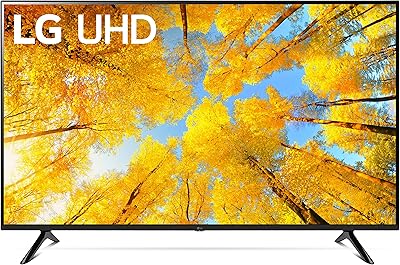
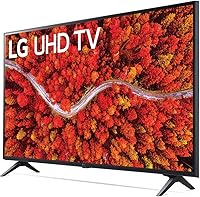
The LG 55UP8000PUA 55-inch 4K Smart TV sits comfortably in the mid-range LED category — capable enough for most households, honest about what it isn’t. At 55 inches, the screen hits a practical sweet spot for medium to large living rooms without dominating the space. Worth noting upfront: this is an older model, so it won’t match LG’s current lineup on every spec. That said, webOS with ThinQ AI and built-in support for Alexa and Google still make daily use genuinely convenient. The build looks clean with slim bezels, though the plastic stand is a clear cost-saving choice that feels less premium on closer inspection.

Features & Benefits

The Quad Core Processor 4K does a solid job upscaling HD and standard-definition content to fill the panel, which matters for anyone still running a cable box or older streaming stick. The native panel runs at 60Hz — that’s the honest number. LG’s TruMotion 120 refers to processed interpolation, not a true 120Hz refresh, so temper expectations for fast sports or action sequences. The webOS interface is one of the cleaner smart TV experiences available: fast, easy to navigate, and loaded with every major streaming app. Connectivity covers multiple HDMI ports, USB, Bluetooth, and Wi-Fi 5. Built-in speakers at 20 watts handle casual viewing, but a soundbar will noticeably round out the experience.

Best For

This UP8000 model is a natural fit for anyone stepping up from an older 1080p set who wants real 4K without paying flagship prices. It performs particularly well in living rooms or bedrooms where streaming is the primary activity — Netflix, Disney+, Prime Video, and similar apps are all accessible directly from the home screen. If your home already runs on Alexa or Google Assistant, this 55-inch LG set integrates without much friction. It’s a weaker choice for dedicated home theater setups where deep contrast and blacks matter most, since OLED panels cover that ground far better. Cord-cutters and casual everyday viewers, though, will find it checks the right boxes.

User Feedback

Owners of this LG 4K TV frequently highlight picture clarity and a straightforward setup process — most report being fully operational within 20 minutes of unboxing. The Magic Remote earns generally positive marks, though a few users note a short adjustment period before it feels intuitive. On the downside, some report backlight clouding in dark scenes, a known limitation of edge-lit LED panels that shows up during nighttime viewing. HDR content offers a visible improvement over standard HD, but it won’t rival higher-end displays. Sound quality draws the most consistent criticism, with many users recommending a soundbar. Long-term reliability appears solid, though occasional app slowdowns after firmware updates have been flagged by a handful of buyers.

Pros

  • Picture clarity is strong for the price tier, especially with native 4K content and upscaled HD material.
  • webOS is one of the most intuitive smart TV platforms available, with fast load times and easy app navigation.
  • Built-in support for Alexa, Hey Google, and Apple HomeKit makes smart home control practical and reliable.
  • The Magic Remote reduces the need to dig through menus and makes voice commands a genuine daily convenience.
  • Setup is quick — most users report being fully operational within 20 to 30 minutes of unboxing.
  • The 55-inch screen size fits comfortably in most medium to large living rooms without overwhelming the space.
  • Connectivity is well-rounded, with HDMI, USB, Bluetooth, Ethernet, and Wi-Fi 5 all covered.
  • This UP8000 model holds up well for casual streaming, sports, and general family viewing day to day.

Cons

  • The native refresh rate is 60Hz — TruMotion 120 is processed interpolation, not a true hardware upgrade.
  • Backlight clouding and brightness uniformity issues surface on dark scenes, a consistent complaint from real-world owners.
  • HDR performance is modest; the improvement over standard HD is real but underwhelming next to premium alternatives.
  • Built-in 20-watt speakers lack bass and body, making a soundbar a near-essential pairing for most users.
  • As an older model, future software support and long-term app availability carry genuine uncertainty.
  • The plastic stand feels budget-grade and can feel slightly unstable depending on the surface it sits on.
  • Some users report minor app lag and interface slowdowns, particularly following firmware update cycles.
  • No VRR or ALLM support makes this a poor fit for console gamers who need responsive, low-latency performance.

Ratings

The scores below reflect an AI-driven analysis of verified global user reviews for the LG 55UP8000PUA 55-inch 4K Smart TV, with automated filtering applied to remove incentivized, duplicate, and suspected bot-generated submissions. Each category has been weighted against thousands of real purchase feedback signals to surface what genuinely matters to everyday buyers. Both the strengths and the honest pain points of this set are transparently reflected in the ratings that follow.

Picture Quality
74%
26%
For a mid-range LED TV, the 4K panel delivers noticeably crisp detail on well-mastered content — streaming 4K movies on Netflix or Prime Video looks genuinely sharp. The Quad Core Processor 4K does a competent job upscaling 1080p cable or broadcast content, and most users making the jump from an older 1080p set are consistently impressed.
Backlight uniformity is where reality diverges from expectation — dark scenes in films or late-night streaming reveal patches of uneven brightness or clouding around bright objects. This is a structural limitation of edge-lit LED technology rather than a defective unit issue, but it does noticeably affect the experience in darker viewing environments.
Smart Platform
88%
webOS consistently earns praise as one of the most intuitive smart TV interfaces available — apps load quickly, the layout is clean, and switching between Netflix, YouTube, or Disney+ takes seconds. The ThinQ AI layer adds a practical cross-platform search function that saves real time when browsing content across multiple services.
Some users report occasional app slowdowns or minor lag in the interface after extended use or following firmware updates — nothing that breaks the experience, but it does surface in long-term feedback. A small number of less-common streaming apps are absent from the library, which matters mainly to niche platform subscribers.
Value for Money
79%
21%
For buyers stepping up from an aging 1080p set, the combination of a genuine 4K panel, full smart TV capability, and multi-ecosystem voice assistant support at this price point represents solid everyday value. The 55-inch size, webOS platform, and comprehensive connectivity together make a compelling package for the average household.
Being an older 2021 model, questions around future software support and long-term app availability chip away at the value calculation — especially if you plan to own this TV for five or more years. Buyers who factor in the near-inevitable soundbar purchase will find the total cost of ownership creeping upward.
Motion Handling
62%
38%
For standard broadcast TV, sports at typical cable or streaming quality, and everyday drama content, the picture moves without obvious judder at its native 60Hz. Viewers who are not scrutinizing fast motion closely — think family sitcoms, news, or casual sports viewing — will rarely feel constrained by the panel's refresh ceiling.
The TruMotion 120 label repeatedly misleads buyers who assume it means a hardware 120Hz panel — it does not, and fast-action scenes in sports or action films can show noticeable blur when viewed critically. Enthusiast sports watchers who invested specifically based on that spec often report feeling misled once the TV is in use.
HDR Performance
57%
43%
HDR10 and HLG support means compatible content from Netflix or Prime Video does show more color depth and highlight detail compared to standard SDR — for casual viewers, the improvement is genuinely noticeable on bright, colorful scenes like nature documentaries or animated features.
Anyone expecting the HDR impact they may have seen on a premium OLED or high-brightness QLED display will come away disappointed — the edge-lit LED panel simply cannot sustain the peak brightness or deep blacks that make HDR truly impactful. Dark HDR scenes in particular often look flat and underwhelming rather than dramatic.
Sound Quality
48%
52%
The built-in speakers handle background TV watching and casual news or talk-show viewing without being unpleasant — for someone using this as a bedroom TV at moderate volume, the 20-watt output is adequate for day-to-day use.
Sound quality is among the most consistent complaints in real-world user feedback — voices can sound thin, bass is nearly absent, and cinematic content feels flat without an external audio solution. The consensus among owners is clear: budget for a soundbar from day one, as the speakers alone will not satisfy most viewers beyond basic functionality.
Build & Design
71%
29%
The slim bezels give this 55-inch LG set a tidy, modern appearance that blends well into most living room setups — it does not look cheap at a glance, and the overall footprint on a media console is manageable. Users generally find it easy enough to move and position with two people during setup.
The plastic stand is a recurring point of criticism — it feels noticeably budget-grade when handling the TV, and on slightly uneven surfaces it can wobble in a way that feels unsettling for a display this size. The rear cabinet also shows cost-cutting in materials compared to higher-end LG models in the same lineup.
Remote & Controls
82%
18%
The Magic Remote is one of the more capable TV remotes in the mid-range segment — the pointer-based navigation makes it fast to move around the webOS interface, and the built-in microphone for voice commands works reliably for volume control, app switching, and basic smart home queries without needing a separate smart speaker.
A portion of users mention that the Magic Remote takes some adjustment — the pointer sensitivity and gyroscope-based control feel unintuitive for the first few days, particularly for those coming from traditional directional remotes. Battery life on the Magic Remote is also shorter than a standard remote, which catches some owners off guard.
Smart Home Integration
84%
The combination of Alexa, Hey Google, and Apple HomeKit support in a single mid-range TV is genuinely useful for households already invested in smart home ecosystems — you can control lights, check thermostats, or cast content without leaving the couch. The Magic Remote handles voice commands for all three platforms natively.
Initial pairing with Apple HomeKit requires a few more steps than Alexa or Google setup, and some users find the smart home features buried in menus rather than front-and-center in the interface. Advanced smart home automations tied to TV state are limited compared to what dedicated smart home hubs can execute.
Connectivity
78%
22%
Three HDMI ports, two USB inputs, Ethernet, Bluetooth, and Wi-Fi 5 cover most households' device needs comfortably — you can run a gaming console, a soundbar via ARC, and a streaming stick simultaneously without running out of ports. The wireless connection is stable enough for 4K streaming without needing to run an Ethernet cable.
Wi-Fi 5 (802.11ac) is adequate but not future-proof — households with congested networks or multiple simultaneous 4K streams may encounter occasional buffering. The HDMI ports are version 2.0, which caps available bandwidth compared to the HDMI 2.1 inputs found on newer mid-range and gaming-focused TV models.
Setup & Ease of Use
87%
Nearly every user review that mentions the setup process calls it quick and painless — stand assembly takes under 15 minutes, and webOS guides first-time users through Wi-Fi, account login, and remote pairing in a clear step-by-step flow. For buyers who are not tech-savvy, this is one of the less intimidating large TV setups available.
A small share of users encounter initial Wi-Fi connectivity issues or app sign-in friction during first setup, typically resolved with a router restart or a factory reset cycle. Those coming from a different TV ecosystem — especially Roku or Fire TV users — sometimes need a few days to adjust to webOS navigation patterns.
Streaming Performance
83%
This is where the UP8000 model earns its keep for most households — 4K HDR streaming from Netflix, Disney+, and Prime Video loads quickly and plays reliably without needing an external streaming stick. The native apps run directly on webOS, and the platform makes switching between services fast and friction-free for daily use.
Some niche streaming services and newer platform additions are not always available in the webOS app store, which can frustrate subscribers of less mainstream content services. Long-term users also report that app performance can degrade slightly over time as the platform ages relative to the apps it is expected to run.
Gaming Performance
44%
56%
For light, casual gaming — platformers, family titles, RPGs, or older-generation console games — this 55-inch LG set provides adequate input response and a sharp enough display to make the experience enjoyable. Colorful, slower-paced game genres look particularly good given the 4K panel resolution.
The native 60Hz panel, absence of VRR (Variable Refresh Rate), and lack of ALLM (Auto Low Latency Mode) make this a poor match for competitive gaming or current-gen console titles running at 120fps. Dedicated gamers who purchased this set expecting a capable gaming display from the listed specs alone report consistent frustration with its limitations.
Long-term Reliability
66%
34%
Users who have owned this LG 4K TV for one to two years generally report stable day-to-day performance — the hardware holds up without reported panel degradation or failure rates beyond what is typical for this category. Firmware updates have largely been delivered on schedule, and core app functionality remains intact for most owners.
As a 2021 model, there are legitimate concerns around how many more years LG will actively maintain webOS updates and add new streaming app integrations — support windows for older-generation models shorten noticeably as newer lineups arrive. Some longer-term owners also flag increasing minor app lag and interface slowdowns as the hardware ages.

Suitable for:

The LG 55UP8000PUA 55-inch 4K Smart TV is a well-rounded pick for households that want a capable everyday display without stretching into premium-tier pricing. Cord-cutters and streaming-first families will feel right at home here — webOS is one of the cleaner smart TV interfaces available, and all the major apps load quickly right out of the box. If your home already runs on Alexa, Google Assistant, or Apple HomeKit, this set drops in with minimal friction and works reliably for day-to-day voice control. First-time 4K buyers upgrading from an older 1080p set will notice a genuine jump in sharpness, particularly with bright, well-lit content. It also makes a solid secondary TV for a bedroom or bonus room where the priority is convenience and ease of use rather than reference-grade picture quality.

Not suitable for:

The LG 55UP8000PUA 55-inch 4K Smart TV will leave certain buyers frustrated once the honeymoon phase passes. This is an edge-lit LED panel running natively at 60Hz, which means dark scenes can reveal backlight clouding, and the contrast simply cannot match what OLED or premium QLED panels deliver. Cinephiles investing in a dedicated home theater setup will find the HDR performance underwhelming — it clears the bar over standard HD, but not by the margin the marketing implies. Competitive or enthusiast gamers should look elsewhere entirely; there is no VRR or ALLM support, and the 60Hz ceiling becomes a real limitation for fast-paced console titles. Since this is also an older model, buyers who plan to keep a TV for six or more years should weigh the uncertainty around continued software updates and long-term app support before committing.

Specifications

  • Screen Size: The panel measures 55″ diagonally, making it a practical fit for medium to large living rooms and open-plan spaces.
  • Display Type: Edge-lit LED technology keeps the cabinet slim but does not support full-array local dimming, which limits contrast precision in dark scenes.
  • Resolution: Native resolution is 4K UHD at 3840 x 2160 pixels, delivering four times the pixel density of a standard 1080p display.
  • Refresh Rate: The panel has a native 60Hz refresh rate; TruMotion 120 is a processed motion interpolation feature, not a hardware 120Hz capability.
  • Processor: LG's Quad Core Processor 4K manages picture enhancement, noise reduction, and upscaling of HD and standard-definition source content.
  • Smart Platform: webOS with ThinQ AI powers the smart interface, providing access to major streaming services and smart home device management.
  • Voice Control: Built-in support includes Amazon Alexa, Hey Google, and Apple HomeKit, accessible via the Magic Remote or linked smart speakers.
  • HDR Support: The set is compatible with HDR10 and HLG formats, offering a visible improvement over SDR within the limits of its LED panel brightness.
  • Wi-Fi: Wireless networking uses Wi-Fi 5 (802.11ac dual-band), sufficient for 4K streaming at standard home broadband speeds.
  • HDMI Ports: Three HDMI ports are included, with one supporting ARC for single-cable audio connection to a soundbar or AV receiver.
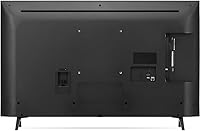
  • Other Ports: Additional wired connections include two USB ports, one Ethernet port, and Bluetooth for wireless audio device pairing.
  • Audio Output: Built-in stereo speakers produce 20 watts of total output, which covers casual viewing but lacks depth for cinematic or musical content.
  • Aspect Ratio: The display uses a 16:9 widescreen format, matching the standard for broadcast television, streaming video, and most home media.
  • Dimensions: With the stand attached, the unit measures 48.6″ wide, 30.4″ tall, and 9.1″ deep; without the stand it sits at approximately 2.9″ deep.
  • Weight: The TV weighs 31.3 pounds with the stand fitted, making two-person placement on a media console manageable.
  • In the Box: The package includes the TV unit, Magic Remote, power cable, and stand hardware with required mounting screws.
  • Model Year: This is a 2021-release model first listed in February of that year, now considered a previous-generation unit in LG's UHD lineup.

Related Reviews
LG UQ7570 55-inch 4K Smart TV
75%
88%
Smart Platform
74%
Picture Quality
83%
Value for Money
61%
Gaming Performance
91%
Streaming Experience
More
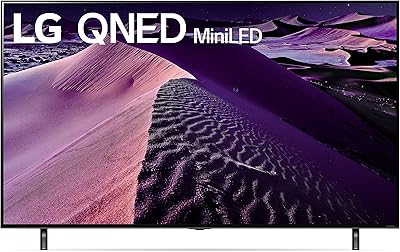
LG 55-Inch QNED85 4K Smart TV
82%
86%
Picture Quality
82%
Color Accuracy
74%
Contrast & Black Levels
89%
Motion Handling
81%
Gaming Performance
More
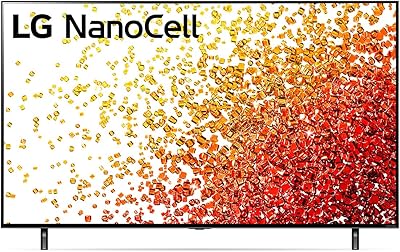
LG NanoCell 90 55-inch 4K Smart TV
76%
78%
Picture Quality
82%
Color Accuracy
61%
Contrast & Black Levels
88%
Gaming Performance
81%
Motion Handling
More
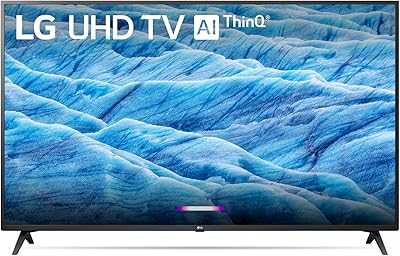
LG 55UM7300PUA 55-inch 4K Smart LED TV
74%
74%
Picture Quality
83%
Smart TV Experience
78%
Voice Control & AI
86%
Viewing Angles
62%
HDR Performance
More
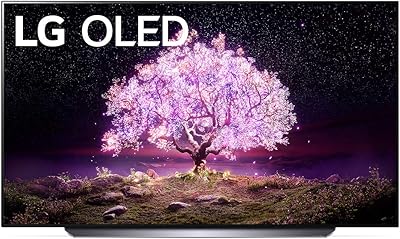
LG OLED C1 55-inch 4K Smart TV
86%
96%
Picture Quality
93%
Gaming Performance
62%
Peak Brightness
88%
Smart TV Platform
91%
Build Quality & Design
More
LG UK6090 55-Inch 4K Smart LED TV
71%
71%
Picture Quality
84%
Viewing Angles
66%
Smart TV Platform
78%
Value for Money
88%
Ease of Setup
More
LG 55-inch OLED evo C4 Smart TV
81%
96%
Picture Quality
93%
Gaming Performance
71%
Brightness
78%
Value for Money
74%
Smart TV & Software
More
LG QNED80 Series 55-Inch 4K Mini LED Smart TV
85%
94%
Picture Quality
89%
Gaming Performance
80%
Sound Quality
85%
Ease of Use
88%
Design & Build Quality
More
LG C5 55-Inch OLED 4K TV
85%
96%
Picture Quality
98%
Black Levels & Contrast
94%
Gaming Performance
81%
Bright Room Performance
92%
HDR Performance
More
LG 55SM8600PUA Nano 8 Series 55-Inch 4K Ultra HD Smart LED TV
87%
91%
Picture Quality
85%
Sound Quality
88%
Ease of Use
90%
AI Features
87%
Design & Build Quality
More

FAQ

It is a marketing number. The panel itself runs natively at 60Hz. TruMotion 120 is LG's motion processing technology that interpolates frames to reduce perceived blur — it does not mean the screen physically refreshes 120 times per second. If a true 120Hz panel matters to you, this model is not the one.

All the major platforms are preloaded — Netflix, Prime Video, Disney+, Apple TV+, YouTube, Hulu, and more. The webOS interface is genuinely one of the better smart TV experiences available; it loads quickly, navigation is intuitive, and the app library covers most households' needs without requiring additional devices.

Yes, both Amazon Alexa and Hey Google are built in and also work through external smart speakers you already own. Apple HomeKit is supported as well, so if your home runs on Apple devices, this set can be added to your Home app for basic control alongside other connected accessories.

It is watchable, but edge-lit LED panels have a known limitation: you may notice some backlight clouding or a faint glow around bright objects on dark backgrounds. It is not a dealbreaker for casual movie nights, but if you regularly watch in a completely dark room and care deeply about contrast, an OLED panel will serve you much better.

It works fine for casual or single-player gaming, but competitive or enthusiast gamers should look elsewhere. The native 60Hz panel limits frame rate responsiveness, and there is no VRR or ALLM support, which newer gaming TVs and monitors offer as standard. For FIFA, RPGs, or family games, it holds up — for fast-paced shooters or 4K 120fps console titles, it falls short.

Most people end up wanting one. The LG 55UP8000PUA 55-inch 4K Smart TV’s built-in speakers handle daytime TV and background viewing without issue, but for movies, music, or anything where audio atmosphere matters, the 20-watt output lacks bass and spatial depth. A mid-range soundbar connected via the ARC HDMI port makes a noticeable difference.

There are three HDMI ports. One supports ARC, which lets you send audio back to a soundbar or receiver through a single HDMI cable — handy for keeping the cable setup clean. The other two are standard inputs for consoles, Blu-ray players, or streaming sticks.

It supports HDR10 and HLG, so HDR content from Netflix, Prime Video, or Disney+ will look better than standard HD — more color detail and slightly more dynamic range. That said, the impact is modest compared to what a high-brightness OLED or QLED panel delivers. Think of it as a step up from SDR, not a dramatic visual transformation.

It is worth thinking about. This is a 2021 model, and LG typically maintains firmware and app updates for a limited number of years. For buyers who upgrade TVs every three to four years it is not a major concern, but if you expect to keep a set for six or more years, there is a real possibility that app updates and new features will slow down or stop before you are ready to replace it.

Very easy. The stand attaches with a handful of screws and the whole assembly takes around 10 to 15 minutes. Once powered on, webOS walks you through connecting to Wi-Fi, signing into your accounts, and pairing the Magic Remote automatically. Most people are watching something within 30 minutes of opening the box.