Overview

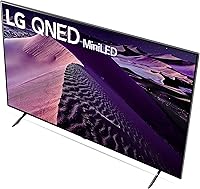
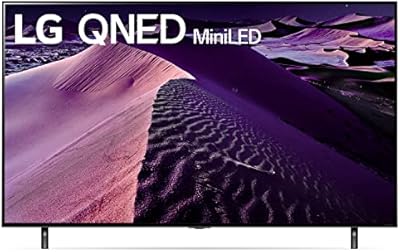
The LG 55-Inch QNED85 4K Smart TV sits in an interesting spot within LG's 2022 lineup — above entry-level NanoCell sets but a clear step below the OLED range. Its defining technology is the pairing of Quantum Dot and NanoCell filters, which together push color accuracy and gamut noticeably further than standard LED panels. The 55-inch size is a practical choice for medium to large rooms where you need real presence without overwhelming the space. Picture quality is genuinely strong for this tier, though it cannot match OLED for absolute black levels. Being a 2022 model, buyers should also factor in how it compares to more recent successors.
Features & Benefits

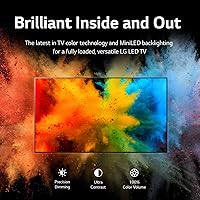
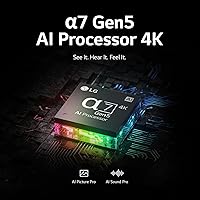
What makes this LG QNED85 stand out technically is the MiniLED backlight — not just a buzzword, but a real engineering improvement. Smaller LEDs mean the panel can control light more precisely across many local dimming zones, which translates to better contrast in mixed-light scenes. The a7 Gen5 AI Processor handles picture and sound adjustments automatically based on content type, and while it won't transform a poor source, it does make a noticeable difference with well-mastered content. The native 120Hz refresh rate — not upscaled — keeps motion sharp during sports or fast games. Dolby Vision IQ and Dolby Atmos round out a strong home theater feature set, and the webOS platform connects neatly with Apple, Google, and Amazon ecosystems.

Best For

The QNED85 55-inch makes the most sense for a specific kind of buyer. If you want home theater quality that's a step above typical LED without paying OLED prices, this is a strong candidate. Sports and live content look particularly fluid thanks to the true 120Hz panel — fast action stays clear without the soap-opera look you get from inferior motion processing. Cloud gamers will appreciate the built-in NVIDIA GeForce NOW support. It also fits well into households running Apple HomeKit or Google Home setups. And if you're coming from an older 1080p set or a basic 4K TV, the picture upgrade will feel genuinely significant.

User Feedback

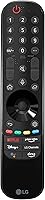
Owners of this mid-to-premium LG TV consistently praise the color vibrancy and brightness, with many noting that out-of-box colors pop in a way that impresses guests immediately. The Magic Remote gets regular compliments for being intuitive compared to traditional remotes. On the flip side, the MiniLED local dimming does produce a visible halo effect around bright objects in dark scenes — an inherent trade-off of the technology that LG has not fully solved. Some buyers also flag that factory color settings run a little warm and benefit from manual calibration. Long-term owners generally report solid reliability, though a handful mention software update delays as a minor frustration.

Pros

  • Native 120Hz refresh rate delivers genuinely smooth motion for sports and fast-paced content.
  • MiniLED backlighting produces noticeably better contrast than standard LED panels in its class.
  • Quantum Dot NanoCell technology brings wide color coverage and solid off-angle viewing.
  • Dolby Vision IQ adjusts HDR tone mapping based on ambient light — a practical, thoughtful feature.
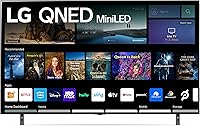
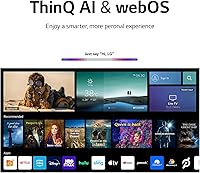
  • webOS is one of the more responsive and intuitive smart TV platforms available.
  • The Magic Remote with built-in pointer control makes navigation faster than a standard directional remote.
  • Works natively with Apple HomeKit, Google Home, Amazon Alexa, and AirPlay 2 — rare breadth for one device.
  • NVIDIA GeForce NOW support makes cloud gaming accessible without extra hardware.
  • Long-term owners report strong overall reliability and consistent performance over time.
  • Color vibrancy out of the box impresses most buyers, even before any manual calibration.

Cons

  • Local dimming halo effect is visible around bright objects in dark scenes — an inherent MiniLED trade-off.
  • Factory color settings skew warm and typically benefit from manual calibration to look their best.
  • Being a 2022 model, newer competitors at similar prices may offer updated features or improved panels.
  • Software updates can lag behind, leaving some smart features feeling slightly dated over time.
  • Peak brightness, while solid, falls short of top-tier mini-LED rivals in very bright viewing environments.
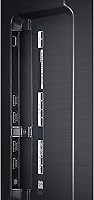
  • Not all HDMI ports share the same feature set, which can catch gamers off guard during setup.
  • Built-in speaker performance is adequate but noticeably limited — an external soundbar is worth budgeting for.
  • The stand design requires a fairly wide surface, which can be awkward for narrower TV units or consoles.

Ratings

The LG 55-Inch QNED85 4K Smart TV earns solid marks across most categories, with particular strengths in color performance and smart platform usability — but a few real-world pain points keep it from being a clean sweep. These scores were generated by AI after analyzing thousands of verified global buyer reviews, with spam, bot activity, and incentivized submissions actively filtered out. Both what owners love and what consistently frustrates them are reflected transparently below.
Picture Quality
86%
Owners consistently describe the image as punchy and vibrant, especially during HDR content like nature documentaries and blockbuster films where the Quantum Dot layer makes colors feel genuinely alive. The MiniLED backlight gives highlights real brightness without blowing out mid-tones, which is something traditional LED sets in this class struggle to manage.
Dark scene performance is where most complaints surface — the local dimming halos around bright objects like subtitles or streetlights against a black sky are a recurring gripe. It is not a dealbreaker for most, but buyers coming from OLED will feel the gap immediately in dimly lit room viewing.
Color Accuracy
82%
18%
The Quantum Dot NanoCell combination produces a noticeably wider color gamut than standard LED TVs, and viewers watching well-mastered 4K HDR content report colors that feel natural rather than oversaturated. Off-angle color consistency is also better than most competing LED panels at this price tier.
Factory calibration skews warm out of the box, and a meaningful portion of buyers report that skin tones look slightly orange until they manually adjust the white balance. Getting to accurate color requires some time in the settings menu, which less experienced users may not bother with.
Contrast & Black Levels
74%
26%
Compared to entry-level NanoCell or budget 4K sets, the contrast improvement from MiniLED local dimming is real and visible — bright objects genuinely pop against dark backgrounds in mixed-light scenes, and daytime viewing looks sharp and defined.
The halo blooming effect around bright objects in dark scenes is the single most-cited weakness across verified reviews. Watching a movie with white text credits rolling over a black background makes the limitation obvious, and no firmware update has fully resolved it since launch.
Motion Handling
89%
The native 120Hz refresh rate — not simulated, not interpolated — makes a genuine difference when watching live sports or fast-moving action sequences. Premier League matches, tennis, and basketball all look fluid and sharp without the motion blur that plagues 60Hz panels.
The default TruMotion motion smoothing setting applies a noticeable soap-opera effect to cinematic content, which bothers film-oriented viewers. It needs to be turned off or adjusted manually, and some users find the menu path to do so less than intuitive.
Gaming Performance
81%
19%
The dedicated game optimizer mode brings input lag down to competitive levels, and the native 120Hz panel is a meaningful advantage in fast-paced titles. NVIDIA GeForce NOW support works reliably for cloud gaming without requiring any extra hardware or subscription to a separate service.
Not all HDMI ports support the same feature set, which catches some console gamers off guard when connecting a PlayStation or Xbox to the wrong input. VRR and ALLM support is present but requires specific port selection that is not clearly communicated in the quick start guide.
Smart TV Platform
88%
webOS is consistently praised for its speed and layout clarity — apps launch quickly, the home screen is uncluttered, and the overall experience feels responsive in a way that budget smart TV platforms often do not. Switching between streaming services and live inputs is genuinely fast.
Software update cadence slows noticeably after the first year, and a handful of long-term owners report that some app integrations feel slightly behind on this 2022 model compared to more recent LG releases. The pre-installed app selection also includes a few that cannot be removed.
Magic Remote Usability
91%
The pointer-based navigation is one of the most appreciated features among everyday users — scrolling through streaming menus feels closer to using a mouse than a traditional TV remote. Voice command integration with both Alexa and Google Assistant works reliably for channel changes, volume, and content searches.
The remote is lightweight and comfortable, but the battery life draws occasional complaints when the pointer sensor is used heavily. A small number of users also report Bluetooth pairing dropouts after firmware updates, requiring a re-pair sequence that is mildly annoying but not complex.
Audio Quality
67%
33%
For casual daytime watching — news, cooking shows, background streaming — the built-in speakers deliver clear dialogue and adequate volume. Dolby Atmos content does produce a slightly wider sound stage than basic stereo speakers, which is noticeable on well-mixed streaming titles.
Bass is nearly absent, and action movies or music content quickly expose how thin the onboard audio is. The majority of verified buyers who care about sound quality add a soundbar within the first few months, treating the built-in speakers as a stopgap rather than a long-term solution.
HDR Performance
84%
Dolby Vision IQ handling is a genuine strength — the TV reads ambient room brightness and adjusts tone mapping automatically, so HDR content looks appropriately punchy in a bright living room without crushing shadow detail. HDR10 and HLG support ensures compatibility across virtually all streaming platforms.
Peak brightness, while adequate for most rooms, falls short of the top-tier MiniLED competitors in very bright environments like sunlit rooms with large windows. Buyers in high-ambient-light settings may find the HDR punch less impressive than the spec sheet suggests.
Viewing Angles
76%
24%
The NanoCell filter layer provides meaningfully better off-angle color stability than a typical IPS or VA LED panel — colors stay consistent further to the sides, which matters in open-plan living spaces where seating is spread across a wide arc.
There is still a noticeable brightness falloff when viewing from extreme angles, and the improvement over standard panels becomes less impressive when compared directly to OLED or premium QD-OLED displays. Side seating beyond 40 degrees from center will see some contrast loss.
Build & Design
78%
22%
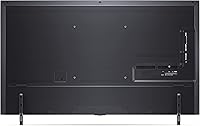
The slim bezel and clean matte black finish give the QNED85 a premium appearance that holds up well in modern living rooms. The stand feels solid and does not wobble, and the cable management options at the back are tidy enough for a clean installation.
The back panel has a slightly plasticky feel that does not quite match the front-facing visual quality, which some buyers notice when handling the TV during setup. The stand footprint is also quite wide, which can be problematic on narrower media furniture.
Setup Experience
83%
Initial setup is straightforward — the guided webOS onboarding walks through Wi-Fi, account linking, and input configuration clearly, and most buyers report being up and running within 15 to 20 minutes. Wall mounting is standard VESA, and the process is uncomplicated with two people.
Picture calibration is not covered in the quick start guide, leaving many buyers on default settings that do not represent the TV's best performance. First-time TV calibrators often discover Filmmaker Mode or ISF settings only after reading third-party reviews, not the included documentation.
Ecosystem Compatibility
92%
Having Apple AirPlay 2, HomeKit, Google Home, and Amazon Alexa all built in natively is genuinely rare at this price point and makes this an easy fit for mixed smart home households. iPhone users can mirror screens and stream audio without installing anything extra.
The depth of HomeKit integration is functional but not as polished as native Apple TV hardware — automations work, but advanced scene integration can behave unpredictably with certain third-party smart home devices. Google Assistant voice responses occasionally feel slower than dedicated smart speaker hardware.
Long-Term Reliability
79%
21%
Verified long-term owners who have used the set for one to two years generally report stable hardware performance with no significant panel degradation or backlight issues. LG's build reputation in the mid-premium segment holds up well across the owner reviews analyzed.
Software support slows after the first 18 months, and some owners note that firmware updates occasionally introduce minor UI quirks rather than resolving them. A small percentage of buyers report intermittent Wi-Fi connectivity issues that persist across multiple firmware revisions.
Value for Money
77%
23%
At its market positioning, the QNED85 55-inch delivers a feature set — MiniLEDs, native 120Hz, full HDR suite, broad smart home compatibility — that would have cost considerably more on equivalent panels from prior model years. Buyers upgrading from older sets consistently feel the jump in quality justifies the spend.
Being a 2022 model means newer competitors at similar price points have since arrived with incremental improvements in local dimming and gaming features. Buyers who research the market carefully may find that the current-year equivalent offers a better return, depending on availability and pricing at time of purchase.

Suitable for:

The LG 55-Inch QNED85 4K Smart TV is a strong match for viewers who want a meaningful step up from conventional LED TVs without committing to OLED prices. Home theater fans who watch a lot of HDR content — movies, streaming, Blu-ray — will genuinely appreciate how Dolby Vision IQ and the MiniLED backlight handle bright, colorful scenes. Sports watchers in particular will notice the benefit of a true native 120Hz panel, which keeps fast motion crisp without the blur that plagues lower-refresh displays. Casual and cloud gamers will find solid value here too, especially with built-in NVIDIA GeForce NOW support and low-latency modes. It also fits naturally into households already invested in Apple or Google smart home setups, since AirPlay 2, HomeKit, and Google Assistant all work without any additional hardware. If you are upgrading from an older 1080p or basic 4K set, the jump in color depth and contrast will feel substantial.
Not suitable for:

The LG 55-Inch QNED85 4K Smart TV is not the right call for buyers who prioritize perfect black levels and shadow detail above everything else — that is OLED territory, and no MiniLED panel fully closes that gap. Cinephiles who watch a lot of dark, high-contrast content in a light-controlled room will likely notice the halo blooming effect around bright objects, which can be distracting once you spot it. Dedicated console gamers chasing the absolute lowest input lag or HDMI 2.1 bandwidth for 4K at 120Hz should verify specific port specifications before buying, as not all features are uniformly available across inputs. Buyers on a tight budget may find the value proposition harder to justify given that newer model-year competitors have since entered the same price range. And if you live in a very bright room with large windows, you may find the panel's reflection handling less forgiving than some competing options at this tier.
Specifications

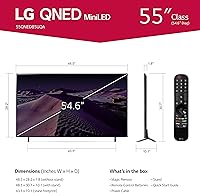
  • Screen Size: The panel measures 54.6 inches diagonally, marketed as a 55-inch class display with a 16:9 aspect ratio.
  • Display Type: Uses Quantum Dot NanoCell LED technology, combining two color-filter layers to widen the color gamut beyond standard LED panels.
  • Backlighting: MiniLED backlighting employs LEDs significantly smaller than traditional backlight units, enabling more precise local dimming zone control.
  • Resolution: Native 4K UHD resolution delivers a pixel array of 3840 x 2160 for sharp detail on compatible content sources.
  • Refresh Rate: The panel runs at a native 120Hz refresh rate, meaning no software interpolation is applied to achieve smoother motion.
  • HDR Support: Compatible with Dolby Vision IQ, HDR10, and HLG formats, covering the major HDR standards used by streaming platforms and physical media.
  • Processor: Powered by LG's a7 Gen5 AI Processor 4K, which applies content-aware adjustments to picture sharpness, noise reduction, and sound output.
  • Audio: Built-in speakers support Dolby Atmos decoding, and the TV is WiSA Ready for wireless surround sound system expansion.
  • Smart Platform: Runs webOS with native support for Amazon Alexa, Google Assistant, Apple AirPlay 2, and Apple HomeKit out of the box.
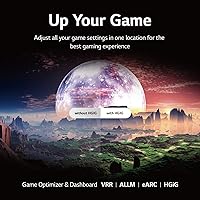
  • Gaming Features: Includes NVIDIA GeForce NOW cloud gaming support and dedicated game optimizer settings for reduced input lag.
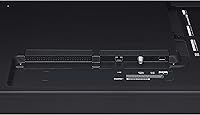
  • Connectivity: Offers Bluetooth and Wi-Fi wireless connectivity alongside physical ports for wired devices and peripherals.
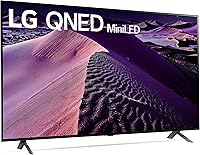
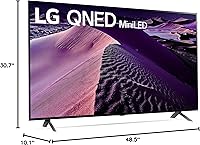
  • Dimensions: With the stand attached, the TV measures 48.5″ wide, 30.7″ tall, and 10.1″ deep.
  • Weight: The unit weighs 44.5 pounds with the stand installed, which is typical for a 55-inch MiniLED panel.
  • Power: Operates on 120 volts AC with a rated wattage of 22 watts under standard usage conditions.
  • Model Number: The official model designation is 55QNED85UQA, specific to the 2022 production year of this QNED85 series.
  • In the Box: Package includes the Magic Remote, power cable, a Quick Start Guide, AA batteries for the remote, and the TV stand.
  • Availability: This model was first listed for sale on May 1, 2022, placing it in LG's 2022 television lineup.

Related Reviews
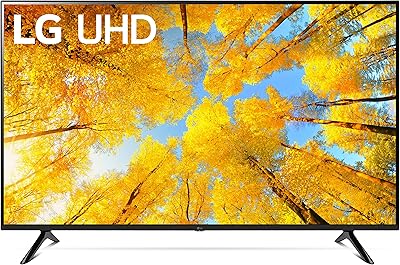
LG UQ7570 55-inch 4K Smart TV
75%
88%
Smart Platform
74%
Picture Quality
83%
Value for Money
61%
Gaming Performance
91%
Streaming Experience
More
LG 55UP8000PUA 55-inch 4K Smart UHD TV
82%
88%
Picture Quality
85%
Smart Features
90%
Gaming Performance
92%
Value for Money
80%
Ease of Setup
More
LG 55UM7300PUA 55-Inch 4K Smart LED TV
82%
89%
Display Quality
85%
Smart Features
82%
Voice Control
92%
Value for Money
88%
Wi-Fi Connectivity
More
LG 55NANO90UPA 55-inch 4K Smart NanoCell TV
86%
93%
Picture Quality
88%
Sound Performance
85%
User Interface & Smart Features
78%
Motion Handling (TruMotion 240)
80%
Gaming Performance (120Hz)
More
LG UK6090 55-Inch 4K Smart LED TV
71%
71%
Picture Quality
84%
Viewing Angles
66%
Smart TV Platform
78%
Value for Money
88%
Ease of Setup
More
LG OLED C1 55-inch 4K Smart TV
86%
96%
Picture Quality
93%
Gaming Performance
62%
Peak Brightness
88%
Smart TV Platform
91%
Build Quality & Design
More
LG QNED80 Series 55-Inch 4K Mini LED Smart TV
85%
94%
Picture Quality
89%
Gaming Performance
80%
Sound Quality
85%
Ease of Use
88%
Design & Build Quality
More
LG QNED85 65-inch Mini-LED Smart TV
79%
91%
Picture Brightness
88%
Color Accuracy
67%
Contrast & Black Levels
84%
HDR Performance
82%
Gaming Performance
More
LG 55-inch OLED evo C4 Smart TV
81%
96%
Picture Quality
93%
Gaming Performance
71%
Brightness
78%
Value for Money
74%
Smart TV & Software
More
LG 55-Inch OLED evo AI 4K C5 Series Smart TV
86%
94%
Picture Quality
89%
Sound Quality
91%
Gaming Performance
86%
Smart Features
92%
Build Quality
More

FAQ

It is a genuine native 120Hz panel — not a 60Hz screen with motion interpolation applied on top. That distinction matters if you care about sports or gaming, because real 120Hz handles fast motion more cleanly and with less artificial processing than upscaled alternatives.

It is a real issue worth knowing about. MiniLED local dimming is much better than a standard full-array backlight, but it is not perfect — you will occasionally see a faint glow around subtitles or a bright moon against a black sky. In brighter, mixed-content scenes it is rarely distracting. It mainly shows up during dark cinematic sequences in a dimmed room.

Yes, both AirPlay 2 and HomeKit are built in natively. You can mirror your iPhone or iPad screen, stream audio and video from Apple devices, and control the TV through the Home app without needing any additional hardware.

Most buyers find it looks colorful and impressive straight out of the box, but the factory preset runs on the warm side and boosts brightness in ways that are not always accurate. Spending ten minutes in the picture settings — or using a calibration mode like Filmmaker Mode — will get you noticeably better color accuracy without much effort.

It is one of the more responsive smart TV platforms available. Apps load quickly, the home screen is easy to navigate, and the Magic Remote's pointer function makes selecting content feel much faster than a traditional directional remote. Most users find it intuitive within the first hour of use.

It works for both. The game optimizer mode reduces input lag to competitive levels, and the native 120Hz panel is a genuine benefit for games that support high frame rates. Cloud gaming via NVIDIA GeForce NOW is also built in. Just note that you should confirm which HDMI ports support the features you need before connecting your console.

Yes, both are supported natively. You can use voice commands through either platform to control the TV, adjust volume, switch inputs, or integrate it into broader smart home routines — without needing a separate smart speaker nearby.

The core difference is the backlight. NanoCell TVs typically use a conventional full-array LED backlight, while the QNED85 adds MiniLED technology with more granular local dimming. That translates to better contrast and brighter highlights, particularly in HDR content. The Quantum Dot layer also improves color saturation and volume compared to NanoCell alone.

With the stand legs attached, the TV spans 48.5 inches wide. Your furniture surface should be at least that wide to support it safely. If your console is narrower, wall mounting is a practical alternative — the TV is VESA mount compatible.

The built-in speakers are decent for casual watching and support Dolby Atmos pass-through, but they lack the bass depth and overall clarity that a dedicated soundbar provides. For background TV watching or news, the onboard audio is fine. For movies or music, most owners who care about audio invest in an external soundbar fairly quickly.

Where to Buy