

Overview

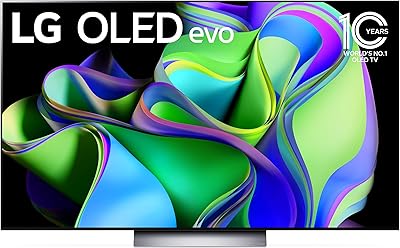
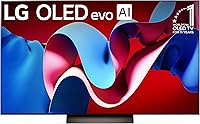
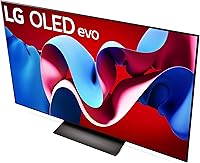
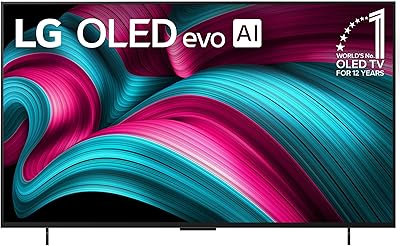
The LG 55-inch OLED evo C4 Smart TV is LG's 2024 mid-to-premium OLED offering, sitting comfortably between the entry-level A-series and the flagship G4. If you're coming from an LCD or LED panel, the shift is immediately obvious — this LG OLED uses self-lit pixels that switch off completely to produce true blacks, creating contrast ratios no backlit display can match. The C4 isn't the cheapest OLED on the market, but it's not trying to be the most expensive either. LG's webOS Re:New program promises software updates for five years, reducing the usual concern around smart TV longevity. For those who want OLED quality without jumping to a larger screen or a top-tier price, the C4 hits a practical sweet spot.

Features & Benefits

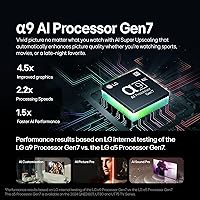
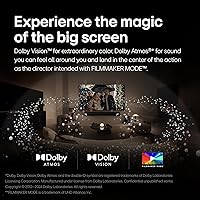
The C4's processor — the A9 AI Gen 7 — does the kind of heavy lifting you actually notice day-to-day: older HD content looks sharper, sports broadcasts hold detail during fast motion, and streaming video stays clean even at lower bitrates. On the gaming side, a native 144Hz panel with NVIDIA G-Sync, AMD FreeSync Premium, and VRR means screen tearing is essentially gone regardless of your platform. Four HDMI 2.1 ports is genuinely useful — most rivals give you two, so your PS5, Xbox, and PC can stay connected simultaneously. Dolby Vision IQ and Dolby Atmos work together to handle HDR tone mapping and spatial audio automatically, making movie nights better without any extra gear.

Best For

This 55-inch OLED is the kind of TV that rewards a thoughtful room setup. It's an excellent pick for console and PC gamers who care about response time and refresh rate — that 0.1ms response feels immediate in fast-paced games. Home theater fans stepping up from an older LED panel will find the picture quality difference hard to ignore. It also suits dedicated streamers who watch a lot of HDR content through Netflix, Disney+, or Apple TV+. One honest caveat: very bright living rooms can expose the C4's peak brightness ceiling. OLEDs work best with some control over ambient light, and if your space is flooded with direct sunlight, a high-brightness QLED might serve you better.

User Feedback

Owners of the C4 consistently point to picture quality and black level performance as the standout strengths — particularly those switching from older panels. Gamers tend to be equally enthusiastic about input lag and VRR stability. Where opinions divide is on the webOS home screen, which some users find cluttered with promoted content. The Magic Remote earns high marks for ease of use, though a handful of buyers have noted occasional Bluetooth pairing quirks. Burn-in comes up repeatedly in buyer discussions, but in practice the risk is low for mixed-use households — it's a realistic concern mainly for those who leave static content on screen for many hours daily. Upgraders from the C2 or C3 generally report a noticeable but incremental improvement rather than a dramatic leap.

Pros

  • Self-lit OLED pixels produce absolute blacks and contrast that no LCD panel can replicate, visible from the first scene.
  • The 144Hz refresh rate with G-Sync and FreeSync Premium eliminates screen tearing across consoles and PC alike.
  • Four HDMI 2.1 ports is unusually generous and lets you keep multiple devices connected without a switcher.
  • Dolby Vision IQ handles HDR tone mapping automatically, so movies look accurate without manual adjustments.
  • The A9 AI Gen 7 processor makes a genuine difference upscaling lower-resolution and older content to 4K.
  • Five years of guaranteed webOS software updates is a meaningful long-term ownership advantage.
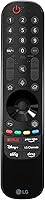
  • The Magic Remote simplifies navigation considerably compared to standard TV remotes, with reliable voice control.
  • Response time of 0.1ms makes the C4 one of the most responsive TVs available for competitive gaming.
  • Dolby Atmos through the built-in 2.2ch speakers delivers a fuller soundstage than most TVs at this size.
  • Gaming dashboard and optimizer features give players granular control without needing to dig through system menus.

Cons

  • Peak brightness still falls behind top QLED rivals, making the C4 a weaker choice for sun-drenched rooms.
  • The webOS home screen includes promoted content that some users find intrusive and difficult to fully remove.
  • Static content left on screen for extended daily periods carries a real, if manageable, burn-in risk over years.
  • Occasional Bluetooth pairing issues with the Magic Remote have been reported by a minority of buyers.
  • Built-in speakers, while decent for a TV, will disappoint anyone used to a dedicated soundbar or home theater setup.
  • The step up from a C3 is incremental rather than dramatic — not a compelling reason to upgrade mid-cycle.
  • Fan noise under heavy processing loads has been flagged by some owners in quieter viewing environments.
  • At this price tier, Samsung QD-OLED panels offer a competing picture profile some viewers prefer for color volume.

Ratings

The scores below for the LG 55-inch OLED evo C4 Smart TV were generated by our AI engine after analyzing thousands of verified global buyer reviews, with spam, incentivized, and bot-flagged submissions actively filtered out before scoring. Each category reflects the full range of real ownership experiences — not just the highlights — so both the genuine strengths and the friction points are represented transparently.

Picture Quality
96%
Across reviewer cohorts, picture quality is the single most praised aspect of the C4. Owners consistently describe the blacks as having a depth that genuinely changes how films feel to watch, and HDR content — particularly through Dolby Vision — looks accurate rather than artificially boosted. Dark thriller scenes and nighttime sports coverage are frequently cited as revelatory compared to previous LCD sets.
A meaningful minority of reviewers with very bright rooms feel the peak brightness ceiling limits how good the picture looks during daytime viewing. In direct sunlight, some report having to crank settings that introduce slight blooming artifacts near bright highlights, which undercuts the otherwise exceptional contrast performance.
Gaming Performance
93%
Gamers make up a large portion of C4 buyers, and their feedback is overwhelmingly positive. The combination of 144Hz, sub-millisecond response, and full VRR support across G-Sync and FreeSync means fast-paced titles feel immediate and fluid regardless of platform. Multiple reviewers specifically praise the four HDMI 2.1 ports for letting them run a PS5, Xbox, and PC simultaneously without a switcher.
A small number of PC users report minor compatibility quirks when running above 120Hz at 4K through certain GPU driver versions, requiring manual configuration to resolve. The Game Optimizer menu, while comprehensive, has a learning curve that less technical buyers find confusing on first setup.
Brightness
71%
29%
For a 2024 OLED, the C4 is genuinely brighter than what this panel technology produced just two or three generations ago, and the Brightness Booster improvement is noticeable when watching HDR content in moderately lit rooms. Evening movie watching in a typical living room with ambient lighting is well within its comfort zone.
This is the most consistently flagged weakness in user feedback. Buyers coming from high-brightness QLED or Mini-LED TVs regularly note that the C4 struggles to compete in sun-lit rooms, with some feeling misled by marketing that downplays the gap. Peak brightness against Samsung QD-OLED and high-end Sony panels is a recurring point of comparison.
Value for Money
78%
22%
Most buyers feel the C4 justifies its price tier when they factor in the full package: OLED picture, gaming spec sheet, four HDMI 2.1 ports, and five years of software support. Upgraders from LCD TVs particularly feel the jump in quality is proportionate to the cost difference, especially during seasonal sales when the street price dips.
Buyers comparing the C4 directly to the C3 at a similar price point struggle to feel the generational value, since the improvements are incremental rather than transformative. A subset of reviewers also feel that competing QLED options at a lower price deliver a brightness-per-dollar advantage that makes the C4 harder to justify in bright-room households.
Smart TV & Software
74%
26%
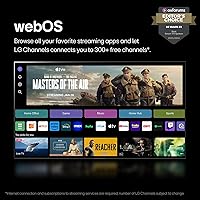
webOS is generally praised for being responsive and well-organized, with a short learning curve and smooth app switching. The Re:New five-year update promise resonates strongly with buyers who have been burned by TVs that lost app support within three years, and several long-term owners note that the platform has genuinely improved through updates.
The home screen's promoted content and sponsored app rows are a recurring complaint — some users describe it as feeling like an ad platform rather than a TV menu. While it can be partially managed, it cannot be fully removed, which is a friction point that has grown more pronounced with recent webOS versions according to user feedback.
Audio Quality
67%
33%
For a built-in speaker system, the 2.2 channel setup handles dialogue clarity and casual streaming reasonably well. Dolby Atmos processing adds noticeable width to the soundstage during action sequences, which buyers without a soundbar appreciate more than they expected.
Anyone who has used a dedicated soundbar or home theater system will find the built-in audio falls short in bass response and overall room-filling presence. Several reviewers specifically note that the speakers sound adequate for daytime TV but feel thin during late-night movie watching at low volumes.
Design & Build
82%
18%
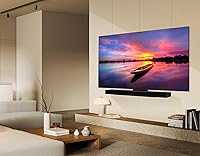
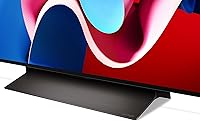
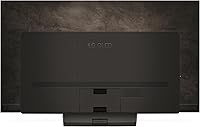
The C4's slim profile and clean aesthetic earn consistent praise from buyers focused on living room aesthetics. The near-borderless screen design looks premium in person, and the stand options allow for both centered and spread configurations to suit different furniture setups.
The stand feels less substantial than the screen deserves at this price level, with a few reviewers describing it as plasticky under hand. Wall-mounting resolves this entirely, but buyers who prefer stand placement feel the base finish quality is a step below the panel itself.
Remote Control
81%
19%
The Magic Remote MR24 receives strong overall satisfaction scores, with buyers citing the gyroscope pointer as genuinely faster for navigating app grids than a traditional D-pad remote. Voice control through Alexa integration works reliably for channel switching and basic smart home commands in real-world use.
Occasional Bluetooth pairing drops are mentioned by a recurring subset of buyers, typically after a TV firmware update or power cycle. Most resolve it by re-pairing, but the inconsistency feels out of place on a premium product and has appeared in feedback across multiple firmware versions.
Upscaling Performance
84%
The A9 AI Gen 7 processor handles 1080p and even 720p content with more grace than most buyers expect. Cable TV, older Blu-rays, and lower-bitrate streaming sources look noticeably cleaner and sharper compared to what the same content looks like on mid-range LCD sets.
The upscaling algorithm can over-process certain types of content — animated shows and older films with intentional grain occasionally look slightly artificial, with textures that feel smoothed rather than preserved. This is a common trade-off in AI upscaling systems and not unique to this panel.
Burn-in Risk
63%
37%
For buyers with typical mixed-content viewing habits — streaming, gaming, and general TV — the burn-in risk in practice is low, and the majority of long-term C4 owners report no issues after a year or more of regular use. LG's built-in pixel-refresh cycles run automatically and help maintain panel health over time.
Burn-in anxiety is the most emotionally charged concern in the buyer feedback pool, and it is not entirely unfounded. Users who watch a lot of cable news, live sports with persistent on-screen overlays, or leave static UI elements on screen daily have reported early signs of image retention. It is a real consideration, not just a theoretical one.
Input Lag
94%
In Game Mode, the C4 delivers input lag figures that competitive gamers describe as imperceptible in play. Fighting game and first-person shooter players in particular call out how much more responsive the experience feels compared to previous TVs they have owned, including older OLEDs.
Input lag only reaches its best figures in Game Mode, which disables some picture-processing features. Buyers who want the best image quality settings active simultaneously with minimum lag cannot fully have both, which is a common OLED trade-off but still worth noting for dual-use cinema-and-gaming households.
Connectivity & Ports
89%
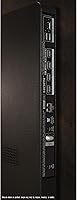
Four HDMI 2.1 ports is the feature that generates the most pleasant surprise in buyer feedback — most purchasers did not realize how rare this is until they started comparing. USB ports, Ethernet, Wi-Fi, and Bluetooth connectivity cover all practical connection scenarios without needing a hub or adapter.
The USB ports are adequate for media playback but limited in number for buyers who use multiple USB-connected devices simultaneously. A small number of reviewers also note that the port placement on the back panel can be awkward to access once the TV is wall-mounted.
Setup & Installation
79%
21%
Most buyers describe the initial setup process as straightforward, with the Magic Remote and on-screen prompts guiding through Wi-Fi, account login, and picture calibration in under 20 minutes. Pre-installed streaming apps launch immediately without extended download waits.
Buyers who want accurate picture calibration out of the box report that the default picture modes are visibly over-saturated and require manual adjustment or ISF calibration for color-accurate viewing. The initial setup flow also pushes account creation more aggressively than some users prefer.
Long-term Reliability
77%
23%
Buyers who have owned previous LG OLED generations report reasonable long-term confidence in the C4, and the five-year software update commitment adds to that perception. Panel longevity for moderate daily use is generally viewed positively based on owner feedback from C2 and C3 predecessors.
Fan noise under sustained heavy processing loads has been flagged in a notable subset of reviews, typically during extended gaming sessions in warm rooms. For a TV that is designed partly around gaming, this is an unexpected friction point that LG has not fully addressed in firmware updates to date.

Suitable for:

The LG 55-inch OLED evo C4 Smart TV is purpose-built for two types of buyers who often overlap: dedicated home theater enthusiasts and serious gamers. If you spend real time watching movies or prestige TV and you care about picture accuracy, the jump from any LED-backlit display to this OLED will be immediately obvious — dark scenes have genuine depth, and HDR highlights pop without washing out surrounding detail. Gamers with a PS5, Xbox Series X, or a high-end PC will appreciate having four HDMI 2.1 ports, a 144Hz panel, and VRR support all in one display, without having to compromise for one platform over another. Streamers who regularly watch Dolby Vision content will also get more out of this panel than most, since tone mapping happens automatically without manual calibration. Finally, buyers who want a TV that stays relevant for years will value LG's commitment to five years of webOS software updates — a rare and practical promise in a category known for short software support windows.

Not suitable for:

The C4 is a strong panel, but it is not the right answer for every situation. Buyers with very bright living rooms — large south-facing windows, minimal curtain coverage — will likely be frustrated, because OLED peak brightness still trails the best QLED and Mini-LED sets from Samsung and others in direct light conditions. People with anxiety about screen longevity should go in with realistic expectations: while burn-in risk is low for typical mixed-content viewing, households that leave rolling news tickers or static sports overlays on screen for many hours a day do carry a higher long-term risk. Budget-conscious shoppers looking for the most TV per dollar at this screen size may find better value in a mid-range QLED. If you are upgrading specifically from a C3, the generational difference is real but incremental — not the kind of leap that demands an immediate purchase. Anyone who already owns a G4 or a Sony Bravia XR OLED and is considering a lateral move should pause; the C4 does not meaningfully outperform those panels.

Specifications

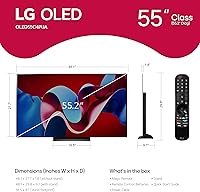
  • Screen Size: The panel measures 55 inches diagonally, with physical dimensions of 48.11″ wide by 29.8″ tall and 9.1″ deep including the stand.
  • Display Type: Uses LG's OLED evo panel technology, where each of the over 8 million pixels produces its own light and can switch off independently for true blacks.
  • Resolution: Native 4K UHD resolution (3840 x 2160 pixels), with AI-assisted upscaling for lower-resolution content via the A9 AI Gen 7 processor.
  • Refresh Rate: Native 144Hz refresh rate, supporting smooth motion in both cinematic content and high-frame-rate gaming scenarios.
  • Response Time: Rated at 0.1ms response time, which is among the lowest available in consumer televisions and benefits fast-paced gaming.
  • HDR Support: Compatible with Dolby Vision IQ, HDR10, and HLG formats, with automatic tone mapping that adapts to ambient light conditions.
  • Processor: Powered by LG's A9 AI Gen 7 processor, which handles upscaling, noise reduction, and picture optimization using machine-learning models.
  • Audio: Built-in 2.2 channel speaker system with Dolby Atmos decoding; rated output wattage is 113.9W total system draw, not dedicated audio wattage.
  • HDMI Ports: Equipped with four HDMI 2.1 ports, all supporting 4K at 120Hz, VRR, and eARC on the designated port.
  • Gaming Features: Supports NVIDIA G-Sync, AMD FreeSync Premium, and Variable Refresh Rate (VRR), with a dedicated Game Optimizer dashboard for per-input tuning.
  • Smart Platform: Runs LG's webOS smart platform, covered by the Re:New program which guarantees software and feature updates for five years from launch.
  • Voice Assistants: Supports Amazon Alexa built-in and LG ThinQ AI, accessible directly through the Magic Remote without a separate smart speaker.
  • Connectivity: Includes Wi-Fi, Bluetooth, Ethernet (LAN), and USB ports alongside the four HDMI 2.1 inputs for wired and wireless device connections.
  • Remote Control: Ships with the Magic Remote MR24, which uses a gyroscope-based pointer and supports voice input, NFC, and Bluetooth pairing.
  • Weight: The TV weighs approximately 35.3 pounds without the stand, which is relevant for wall-mount bracket load ratings.
  • Power Draw: Maximum power consumption is rated at 113.9W, which is typical for a 55-inch OLED panel under peak brightness conditions.
  • Batteries: The Magic Remote requires two AA batteries, which are included in the box at purchase.
  • Availability: This model was first made available in March 2024 as part of LG's C4 lineup refresh for that model year.

Related Reviews
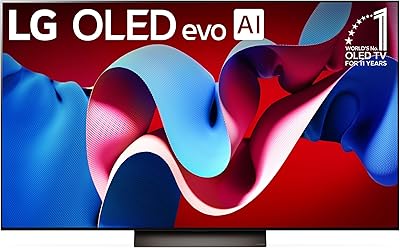
LG 77-inch OLED evo C4 Smart TV
83%
96%
Picture Quality
93%
Gaming Performance
97%
Contrast & Black Levels
71%
Brightness
82%
Smart TV & webOS
More
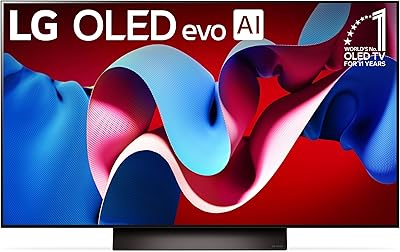
LG OLED C4 48-inch 4K Smart TV
83%
96%
Picture Quality
93%
Gaming Performance
81%
Value for Money
88%
Smart TV Platform
84%
Build Quality & Design
More
LG 55-Inch OLED evo AI 4K C5 Series Smart TV
86%
94%
Picture Quality
89%
Sound Quality
91%
Gaming Performance
86%
Smart Features
92%
Build Quality
More
LG B3 55-Inch OLED Smart TV
80%
94%
Picture Quality
91%
Gaming Performance
97%
Contrast & Black Levels
63%
Brightness
82%
Smart TV Experience
More
LG C3 77-Inch OLED Smart TV
82%
96%
Picture Quality
93%
Gaming Performance
98%
Black Levels & Contrast
67%
Smart TV Interface
78%
HDR Performance
More
LG OLED G4 65-inch 4K Smart TV
82%
97%
Picture Quality
94%
Gaming Performance
98%
Black Levels & Contrast
58%
Burn-In Risk
91%
Design & Build Quality
More
LG OLED C1 55-inch 4K Smart TV
86%
96%
Picture Quality
93%
Gaming Performance
62%
Peak Brightness
88%
Smart TV Platform
91%
Build Quality & Design
More
LG G3 83-Inch OLED 4K Smart TV
82%
97%
Picture Quality
91%
Gaming Performance
78%
Brightness & HDR Range
93%
Design & Aesthetics
84%
Smart TV & Interface
More
LG 42-Inch OLED C5 Smart TV
83%
96%
Picture Quality
94%
Gaming Performance
81%
Smart TV Platform
61%
Audio Quality
78%
Value for Money
More
LG 77-Inch OLED evo AI 4K C5 Series Smart TV
88%
96%
Picture Quality
94%
Gaming Performance
90%
Smart Features & Usability
88%
Sound Quality
91%
Design & Aesthetics
More

FAQ

Yes, it is one of the better-suited TVs for gaming at this price tier. The 144Hz refresh rate, 0.1ms response time, and support for G-Sync, FreeSync Premium, and VRR cover essentially every current console and PC gaming scenario. The four HDMI 2.1 ports mean you can keep a PS5, Xbox Series X, and a PC all connected without swapping cables.

For most households, burn-in is a manageable rather than inevitable risk. It becomes a real concern mainly when the same static image — like a news ticker or a sports score bug — is displayed for many hours every day over years of ownership. Normal mixed-use viewing, streaming, gaming, and occasional TV watching does not typically produce noticeable burn-in in practice.

The A9 AI Gen 7 processor handles upscaling automatically, and it does a solid job with 1080p content from cable, Blu-ray, or streaming services. The result isn't identical to native 4K, but it's noticeably cleaner than what most mid-range LCD TVs produce from the same source material.

It depends on how much direct sunlight hits the screen. The C4 performs beautifully in dimly lit or moderately lit rooms, but if your living room gets direct sunlight on or near the screen during viewing hours, a high-brightness QLED or Mini-LED TV will hold up better. OLED panels have improved in brightness over the years, but they still trail the best LCD-based competitors in peak nit output.

Yes, all four ports are HDMI 2.1 and can handle 4K at 120Hz. This is genuinely unusual — many TVs in this category only offer one or two HDMI 2.1 ports and fill the rest with older 2.0 connections.

It means LG has committed to delivering software updates and new webOS features to the C4 for five years from its launch. In practical terms, your smart TV features — streaming apps, interface improvements, and bug fixes — should stay current well beyond what most manufacturers typically support, which is often two to three years at most.

Absolutely. The Magic Remote works as a standard point-and-click remote using its built-in gyroscope even if you never configure Alexa or ThinQ AI. Voice features are optional and can be ignored entirely if you prefer not to use them.

Honestly, the upgrade is real but incremental. The C4 brings a newer processor, improved brightness, and the 144Hz panel (compared to 120Hz on the C3), but if your C3 is in good shape and you're happy with it, you won't feel like you're missing out dramatically. The jump makes more sense coming from a C2 or earlier, or from a non-OLED TV.

The 2.2 channel built-in speakers are decent for casual TV watching and better than average for a flat panel, with Dolby Atmos processing adding some width to the soundstage. For serious movie watching or if you care about audio quality the way you care about picture quality, a dedicated soundbar will make a noticeable difference.

You need a VESA-compatible mount rated for at least 35 pounds. The C4 uses a standard VESA pattern, so most quality mounts from brands like Sanus or VideoSecu will fit — just confirm the specific VESA hole spacing in the TV's documentation before purchasing, as it varies by screen size within the C4 lineup.

Where to Buy