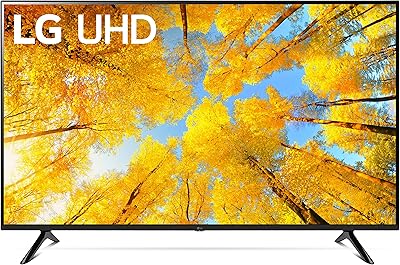
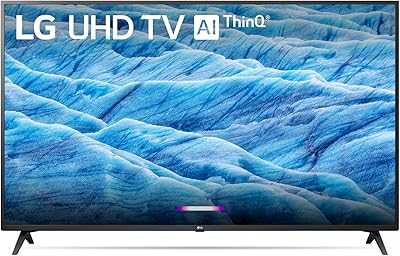
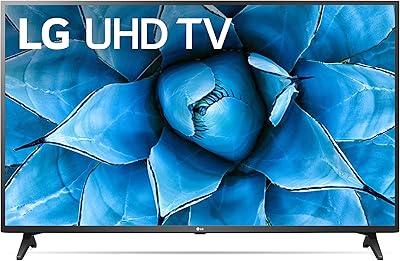
LG SM8600PUA 49-inch NanoCell 4K Smart TV

LG SM8600PUA 49-inch NanoCell 4K Smart TV — image 1
LG SM8600PUA 49-inch NanoCell 4K Smart TV — image 2
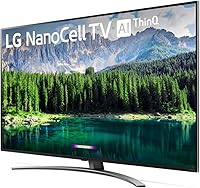
LG SM8600PUA 49-inch NanoCell 4K Smart TV — image 3
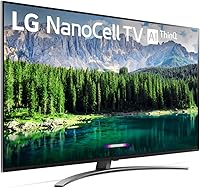
LG SM8600PUA 49-inch NanoCell 4K Smart TV — image 4
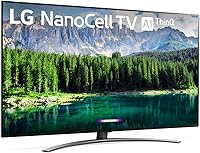
LG SM8600PUA 49-inch NanoCell 4K Smart TV — image 5
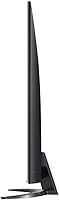
LG SM8600PUA 49-inch NanoCell 4K Smart TV — image 6
LG SM8600PUA 49-inch NanoCell 4K Smart TV — image 7
LG SM8600PUA 49-inch NanoCell 4K Smart TV — image 8
LG SM8600PUA 49-inch NanoCell 4K Smart TV — image 9
LG SM8600PUA 49-inch NanoCell 4K Smart TV — image 10
78%
22%

Overview

The LG SM8600PUA 49-inch NanoCell 4K Smart TV sits in an interesting spot — capable enough to satisfy most living room viewers, but priced well below OLED territory. What makes this LG NanoCell TV stand out from a crowded field of LED sets is its NanoCell panel technology, which filters out impure light wavelengths to produce colors that feel noticeably richer and more accurate. The IPS screen construction adds another practical advantage: picture quality holds up well when you are not sitting directly in the center. Layer in the AI ThinQ smart platform and you have a TV that handles everyday usability fairly well. Just do not expect dark-room home theater performance.

Features & Benefits

The NanoCell display technology is the headline here — by filtering out wavelengths below a certain nanometer threshold, it pushes colors closer to what the content creator intended, a real difference compared to standard LED panels when watching well-mastered 4K content. The IPS panel means the picture stays consistent whether you are on the couch or watching from across the room at an angle. Dolby Vision and HDR10 support adds depth to compatible streaming content, though the local dimming performance, while helpful, will not blow away viewers accustomed to high-end OLED contrast. The Magic Remote is a genuinely useful inclusion, making navigation fast and intuitive without wrestling through layers of menus.

Best For

This LG smart TV is a strong fit for households where the screen lives in a bright or mixed-light room. The IPS panel handles ambient light better than most VA-based alternatives, and the wide viewing angle makes it practical for families who do not all sit directly in front of the screen. Cord-cutters will appreciate the well-stocked app library and built-in support for Google Assistant and Alexa, removing the need for a separate smart home device. Those upgrading from a 1080p set will notice a genuine improvement in sharpness and color depth. Competitive gamers or sports fans who need a high refresh rate, though, should look elsewhere before committing.

User Feedback

Owner satisfaction for the 49-inch NanoCell set averages a solid 4.4 out of 5 stars, though it is worth noting the review count is small, so treat the consensus with some caution. Buyers consistently praise the color vividness, easy initial setup, and how quickly the webOS interface responds day-to-day. The Magic Remote earns positive mentions too, with several owners noting it removes a lot of the usual TV menu frustration. On the downside, reviewers with dedicated dark viewing rooms point out that black level contrast is not competitive with OLED. The 60Hz refresh rate also surfaces as a limitation for anyone watching fast-motion sports or playing console games seriously.

Pros

  • NanoCell technology produces noticeably richer, more accurate colors than standard LED panels at this size.
  • The IPS panel maintains consistent picture quality from wide seating angles, ideal for larger rooms.
  • Built-in Alexa and Google Assistant eliminate the need for a separate smart home hub.
  • WebOS is one of the more intuitive smart TV platforms, with fast app loading and a clean layout.
  • Dolby Vision and HDR10 support adds genuine depth to well-mastered streaming content.
  • The included Magic Remote makes navigating menus far less tedious than a standard directional-pad remote.
  • Full Array Local Dimming reduces blooming and improves contrast in mixed-light viewing conditions.
  • Setup is straightforward, with most owners reporting a quick and uncomplicated out-of-box experience.
  • The NanoCell IPS panel handles ambient room light and glare reasonably well in bright environments.
  • Three HDMI ports and three USB ports offer solid connectivity for most living room setups.

Cons

  • The 60Hz native refresh rate is a real limitation for sports fans and console gamers used to smoother motion.
  • Black level performance cannot compete with OLED panels, even with local dimming active.
  • The review sample size is relatively small, so the high average rating should be interpreted cautiously.
  • No Variable Refresh Rate support limits appeal for anyone planning to use this as a gaming display.
  • As a 2019 model, it lacks some features that have since become standard on newer mid-range sets.
  • Local dimming zones are limited enough that blooming is still noticeable around bright objects in dark scenes.
  • Built-in speaker performance is adequate but underwhelming for anyone who takes audio quality seriously.
  • The 49-inch screen size may feel limiting for living rooms where viewers sit more than eight feet away.

Ratings

The scores below reflect our AI-driven analysis of verified global user reviews for the LG SM8600PUA 49-inch NanoCell 4K Smart TV, with spam, bot-submitted, and incentivized feedback actively filtered out before any scoring was applied. This LG NanoCell TV earns genuinely strong marks in color accuracy and smart platform usability, while honest shortcomings in contrast depth and motion handling are reflected without softening. The result is a scorecard that gives you a clear, unvarnished picture of where this set excels and where it asks for compromise.

Picture Quality
82%
18%
The NanoCell filter makes a noticeable real-world difference — colors in nature documentaries and well-mastered 4K streaming content look more vivid and accurate than you would expect from a non-OLED LED panel. Skin tones in particular render naturally, and the overall image feels clean and detailed in everyday living room lighting.
Push this TV into a darkened room for a late-night movie and the limitations become apparent. Black levels are not deep enough to match VA-panel competitors at a similar price point, and some contrast-heavy scenes reveal a grayish tint rather than true black in the darkest areas.
Color Accuracy
86%
This is where NanoCell technology genuinely earns its place. By filtering out wavelengths below 20 nanometers, the panel delivers greens, reds, and blues that stay true rather than bleeding into adjacent hues — a visible improvement over conventional LED sets when watching HDR content on Netflix or Disney+.
While color accuracy is strong for this technology tier, it still falls short of the precision you get from OLED or high-end QLED panels. Highly saturated content like animated films can occasionally show slight overemphasis in certain color ranges, particularly in reds.
Viewing Angles
84%
The IPS panel construction is a genuine practical asset for families. Viewers sitting at wide angles — off to the side of a couch or at the dining table nearby — still see an accurate, consistent picture without the color shift and brightness drop that plagues VA-panel TVs in the same scenario.
Wide-angle performance is good but not perfect. At extreme off-axis positions beyond about 50 degrees, there is a moderate brightness falloff that becomes distracting. It is still better than most alternatives in this price range, but worth noting if your seating arrangement is unusually spread out.
HDR Performance
71%
29%
Dolby Vision and HDR10 support means compatible content from Netflix, Apple TV+, and Amazon Prime Video does show visible improvement in highlight detail and color volume compared to SDR. Well-mastered Dolby Vision titles in particular benefit from the NanoCell color accuracy working in tandem with HDR metadata.
The local dimming implementation is not aggressive enough to deliver the deep contrast that makes HDR truly impactful. Bright highlights pop reasonably well, but the lack of deep blacks limits the overall HDR punch — an honest gap between what the spec sheet implies and what you actually see in a dim room.
Smart TV Platform
88%
WebOS remains one of the cleaner, more intuitive smart TV operating systems available. App loading is fast, the home screen layout is logical, and built-in Alexa and Google Assistant support removes the friction of juggling separate voice devices. Cord-cutters find the platform genuinely easy to live with day to day.
The webOS app library, while covering all major streaming services, is narrower than Roku or Fire TV in terms of niche app availability. As a 2019 model, it also may not receive webOS updates indefinitely, which is a mild but real long-term consideration for buyers who like staying current.
Motion Handling
63%
37%
For standard 24fps movies and typical 30fps television content, the 60Hz panel performs without obvious issues. Most viewers watching dramas, news, and casual entertainment will not find the refresh rate a meaningful limitation in normal day-to-day use.
Sports broadcasts and fast-action video games expose the 60Hz ceiling quickly. Motion blur during rapid camera pans in live sports is noticeable, and there is no Variable Refresh Rate support to help with gaming. Anyone who watches a lot of football or plays fast-paced console titles will feel the constraint regularly.
Build Quality
79%
21%
The physical construction feels appropriately solid for a mid-to-upper-range television. The bezels are slim without feeling fragile, and the stand provides stable support on a typical entertainment unit. Overall fit and finish is consistent with what buyers expect from LG at this market tier.
The stand footprint is relatively wide, which can be a problem on smaller media consoles. The rear panel, while tidy, shows some flex when pressed — not a structural concern under normal use but a detail that enthusiasts who handle the panel frequently during setup may notice.
Audio Performance
61%
39%
The built-in speakers handle casual dialogue-heavy TV watching and streaming without obvious distortion at moderate volumes. Dolby Atmos decoding is present, which allows compatible soundbars connected via HDMI ARC to pass through Atmos audio cleanly.
As a standalone audio experience, the built-in speakers fall noticeably short for music playback or action-heavy movie watching. Bass is thin, and the overall soundstage feels flat — a separate soundbar or stereo system is a near-necessity for anyone who takes audio even moderately seriously.
Ease of Setup
91%
The out-of-box setup process is genuinely one of the smoothest in this TV category. The Magic Remote guides you through Wi-Fi connection, account linking, and input configuration in a logical sequence, and most buyers report being up and watching content within 20 to 30 minutes of unboxing.
A small number of users report minor hiccups during the initial AI ThinQ account linking process, particularly if they want to integrate with an existing smart home setup. These are not showstoppers, but buyers with complex smart home configurations may need an extra 15 minutes of troubleshooting.
Remote Control
87%
The Magic Remote is a standout accessory. The point-and-click interface works like a laser pointer on-screen, which makes navigating streaming app libraries and settings menus dramatically faster than scrolling with a traditional directional pad. The built-in microphone for voice commands works reliably in average-sized rooms.
The Magic Remote's motion-sensing pointer can occasionally lose calibration after extended use and requires a quick reset shake to reorient. The button layout, while clean, takes a few days to memorize for new LG owners coming from other TV brands.
Connectivity
78%
22%
Three HDMI ports and three USB ports cover the needs of most living room setups comfortably — a gaming console, a streaming stick, and a Blu-ray player can all stay plugged in simultaneously without any unplugging required. Wi-Fi and Bluetooth connectivity work reliably for wireless peripherals and audio devices.
The absence of a fourth HDMI port may frustrate buyers with more complex AV setups who want a receiver, console, streamer, and PC all connected at once. There is also no USB-C port, which is increasingly noticeable as more devices adopt that standard for video output.
Glare Resistance
76%
24%
Real-world owners in bright living rooms consistently mention that the NanoCell panel handles reflected light better than they expected. Afternoon sunlight from a side window does not render the screen unwatchable, which is a meaningful everyday advantage over more reflective panel finishes at this size.
The screen finish is semi-matte rather than fully anti-reflective, so a window positioned directly behind the primary viewing seat will still create distracting hotspots. It is manageable with minor room adjustments, but not immune to strong direct light sources.
Value for Money
74%
26%
At its market positioning, this LG NanoCell TV offers a meaningful step up in color quality and smart features over budget 4K sets without requiring an OLED-level investment. For buyers whose priority is color accuracy in a bright room, the value proposition is solid and difficult to match at this size.
As a 2019 model, the value calculation is complicated by the availability of newer-generation sets that offer 120Hz panels and improved local dimming for comparable or lower pricing. Buyers should factor in the generational gap before committing, especially if they find current street pricing still near original launch levels.

Suitable for:

The LG SM8600PUA 49-inch NanoCell 4K Smart TV is a strong match for households that want a visibly better picture than a standard 4K LED set without paying OLED prices. Families watching in open living rooms will appreciate the IPS panel's wide viewing angles, which keep colors accurate even from the side of the couch — a real practical advantage over VA panels that shift and wash out off-center. Anyone upgrading from a 1080p television will notice an immediate and meaningful improvement in sharpness and color saturation. Cord-cutters are well served by the webOS smart platform, which includes all the major streaming apps and runs them responsively. The built-in Google Assistant and Amazon Alexa support also makes this LG NanoCell TV a natural fit for anyone already invested in a smart home ecosystem, removing the need for an extra device on the entertainment stand.

Not suitable for:

Buyers who prioritize deep blacks and high contrast for dark-room movie watching should be clear-eyed about what this TV can and cannot do. The 49-inch NanoCell set uses Full Array Local Dimming, which helps, but it is not in the same league as OLED when it comes to true black levels and per-pixel contrast control. Competitive gamers or sports viewers who are sensitive to motion blur will find the 60Hz native refresh rate a meaningful limitation, especially compared to newer panels running at 120Hz. Those planning to use this TV as a primary gaming display should also note that dedicated gaming features like Variable Refresh Rate are not part of this 2019 model's package. If your viewing room is a dedicated, light-controlled home theater space, the money would almost certainly be better spent on a higher-contrast alternative.

Specifications

  • Screen Size: The display measures 49 inches diagonally, making it well-suited for medium to large living rooms where viewers typically sit between 6 and 10 feet from the screen.
  • Display Type: The panel uses NanoCell IPS LED technology, which filters impure light wavelengths to improve color accuracy and maintain consistent brightness across wide viewing angles.
  • Resolution: Native resolution is 4K UHD (3840 x 2160 pixels), delivering four times the pixel density of a standard 1080p display.
  • Refresh Rate: The panel runs at a native 60Hz refresh rate, which is adequate for everyday TV viewing and streaming but limited for fast-motion gaming or high-frame-rate sports content.
  • HDR Support: Compatible HDR formats include Dolby Vision, HDR10, and HLG, covering the most widely used standards on major streaming platforms.
  • Processor: The TV is powered by LG's α7 Gen 2 Intelligent Processor, which handles upscaling, noise reduction, and picture optimization automatically.
  • Smart Platform: Runs LG ThinQ AI on webOS, providing access to major streaming apps, voice control, and smart home device management from a single interface.
  • Voice Assistants: Both Google Assistant and Amazon Alexa are built directly into the TV, allowing hands-free control without requiring an external smart speaker or hub.
  • HDMI Ports: Three HDMI inputs are available for connecting external devices such as gaming consoles, Blu-ray players, or soundbars.
  • USB Ports: Three USB ports allow playback of media files from external drives and connection of compatible peripherals.
  • Audio Output: The built-in speaker system supports Dolby Atmos decoding, though an external soundbar or home theater system is recommended for a more immersive listening experience.
  • Dimming Technology: Full Array Local Dimming adjusts backlight zones independently to reduce blooming and improve perceived contrast in scenes with mixed light and dark areas.
  • Viewing Angle: The IPS panel construction allows picture quality to remain consistent when viewed from angles up to approximately 45 degrees off-center.
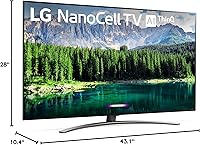
  • Dimensions: With the stand attached, the TV measures 43.1″ wide, 28″ tall, and 10.4″ deep; without the stand it is considerably shallower for wall-mount installations.
  • Weight: The set weighs 30.9 pounds with the stand, which is manageable for a two-person installation or wall-mounting with a standard VESA bracket.
  • Voltage: The TV is rated for 120V AC power, compatible with standard North American household outlets without any adapter.
  • Remote Control: The Magic Remote is included in the box, featuring a point-and-click interface, scroll wheel, and voice input button for faster navigation.
  • Model Number: The official model identifier is 49SM8600PUA, which should be referenced when ordering compatible accessories such as wall mounts or replacement remotes.

Related Reviews
LG SM8600PUA 65-inch NanoCell 4K Smart TV
78%
81%
Picture Quality
88%
Viewing Angles
58%
Contrast & Black Levels
84%
Motion & Refresh Rate
77%
HDR Performance
More
LG NanoCell 90 55-inch 4K Smart TV
76%
78%
Picture Quality
82%
Color Accuracy
61%
Contrast & Black Levels
88%
Gaming Performance
81%
Motion Handling
More
LG 55-Inch QNED85 4K Smart TV
82%
86%
Picture Quality
82%
Color Accuracy
74%
Contrast & Black Levels
89%
Motion Handling
81%
Gaming Performance
More
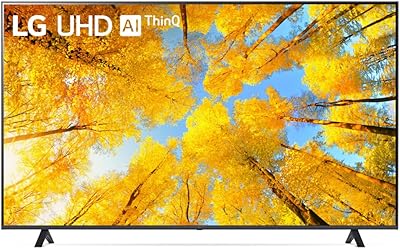
LG 65UA7700P 65-inch 4K Smart TV
83%
92%
Picture Quality
72%
Sound Quality
88%
Ease of Setup
85%
Smart Features / WebOS
90%
Gaming Performance
More
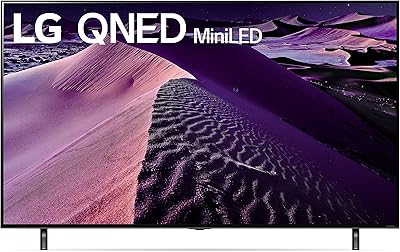
LG 75-Inch UQ7590 4K Smart TV
69%
74%
Picture Quality
58%
Motion & Refresh Rate
83%
Smart TV Platform
81%
Value for Money
62%
Gaming Performance
More
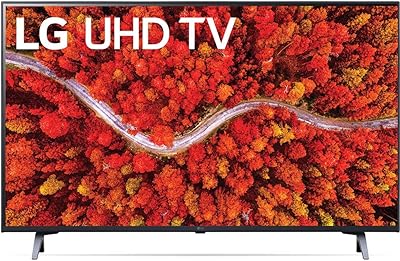
LG UQ7570 55-inch 4K Smart TV
75%
88%
Smart Platform
74%
Picture Quality
83%
Value for Money
61%
Gaming Performance
91%
Streaming Experience
More
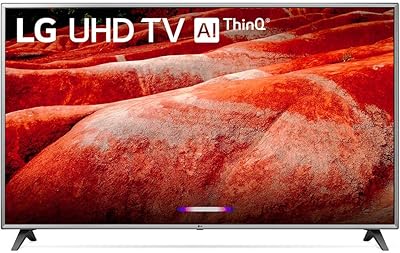
LG 55UM7300PUA 55-inch 4K Smart LED TV
74%
74%
Picture Quality
83%
Smart TV Experience
78%
Voice Control & AI
86%
Viewing Angles
62%
HDR Performance
More
LG 50-Inch QNED85T Series 4K Smart TV
88%
94%
Picture Quality
92%
Color Accuracy
87%
Ease of Use (Magic Remote)
90%
120Hz Refresh Rate for Gaming
91%
AI Picture Processing
More
LG 50-Inch QNED80T 4K Smart TV
77%
83%
Picture Quality
81%
Color Accuracy
67%
Contrast & Black Levels
88%
Smart TV Experience
53%
Gaming Performance
More
LG UN7300 65-inch 4K UHD Smart TV
73%
74%
Picture Quality
88%
Smart Platform (webOS)
91%
Magic Remote Usability
83%
Viewing Angles
61%
HDR Performance
More

FAQ

Yes, this is actually one of the stronger use cases for this LG NanoCell TV. The IPS panel handles ambient light reasonably well compared to VA-panel alternatives, and the NanoCell technology keeps colors from looking washed out under typical daytime lighting conditions. It is not glare-proof, but it holds up better than many sets in its class.

You can connect a console and play games without any issues, but there are some real limitations to be aware of. The native 60Hz refresh rate means you are capped at 60 frames per second, and there is no Variable Refresh Rate support. For casual single-player gaming that is perfectly fine, but if you play fast-paced competitive titles, you may want a TV with a higher refresh rate and lower input lag specs.

Alexa is genuinely built into the TV itself, so you do not need a separate Echo or smart speaker. Just connect the TV to your home Wi-Fi, sign into your Amazon account through the ThinQ setup, and you can control compatible smart home devices by speaking into the Magic Remote's microphone.

The difference is most noticeable in color accuracy and off-angle viewing. Standard LED TVs often show colors that look slightly oversaturated or shift when you move off-center. The NanoCell filter helps reduce color impurity, so reds, greens, and blues tend to look more true-to-life. It is a real improvement, though not as dramatic as the step up to OLED.

Most owners find the setup process fairly smooth. You attach the stand, plug it in, connect to Wi-Fi, and the webOS guided setup walks you through the rest. The Magic Remote makes navigating the initial configuration noticeably easier than a standard remote. Plan for about 20 to 30 minutes from unboxing to watching content.

It does a decent job for a non-OLED panel, but managing expectations here is important. The Full Array Local Dimming helps reduce the glow around bright objects in dark scenes, but you will still notice some blooming if you watch in a fully darkened room. If dark-room contrast is your top priority, an OLED panel will serve you better.

The major platforms are all covered, including Netflix, Amazon Prime Video, Disney+, YouTube, Apple TV, and Hulu. The built-in browser also gives you additional flexibility. LG's webOS app store is not as large as some competitors, but for mainstream streaming needs it has everything most people actually use.

Almost certainly yes. The TV has an optical audio output and HDMI ARC support through one of its HDMI ports, which covers the two most common soundbar connection methods. If your soundbar uses Bluetooth, that is supported too. Just confirm your soundbar's connection type before assuming a specific cable is included.

Yes, it is wall-mount compatible. The VESA mounting pattern for this model is 300 x 200mm, so make sure any bracket you purchase specifies support for that pattern and can handle a TV in the 30 to 40 pound range. A standard mid-range fixed or tilting wall mount from any reputable brand should work fine.

It is a 2019 model, but LG has not listed it as discontinued. The bigger practical concern is software support — newer LG TVs tend to receive webOS updates and new app additions more reliably than older models. For daily streaming and smart home use it is still fully functional, but if being on the latest platform version matters to you, a more recent model would be a safer long-term choice.