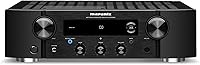
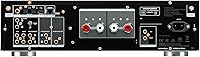
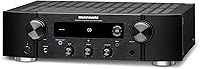
Overview

The Marantz PM7000N is a network-connected integrated stereo amplifier that takes the classic hi-fi formula and adds genuine modern streaming capability without compromising what makes a good amp good. At 60 watts per channel, it delivers more than enough headroom for most living rooms and dedicated listening spaces. Marantz built this around a discrete current feedback topology and a toroidal transformer — the kind of engineering choices that show up in the sound rather than on a spec sheet. Launched in 2019, the PM7000N sits comfortably in the mid-to-upper tier of the integrated amp market, competing with respected names like NAD and Cambridge Audio.

Features & Benefits

HEOS Built-in is the feature that sets this integrated amplifier apart from a traditional amp-only design. Through the HEOS app, AirPlay 2, or Bluetooth, you get access to Spotify, Tidal, and a range of other streaming services across multiple rooms simultaneously. The phono stage is genuinely useful — it handles moving magnet cartridges without requiring an external preamp, which simplifies your setup considerably. When you want the cleanest possible analogue sound, Pure Mode shuts down the wireless and USB circuitry in the background, reducing digital noise. Connectivity is broad: four analogue inputs, two optical, one coaxial, plus USB-A for local hi-res files in FLAC, ALAC, or DSD formats. TV integration rounds things out, letting you route digital audio from a television or Blu-ray player directly into the amp.

Best For

The PM7000N is the kind of amplifier that rewards buyers who are tired of compromise. If you own a turntable and also subscribe to a streaming service, this Marantz streamer-amp removes the need to choose between them or purchase separate components. It also suits anyone upgrading from an entry-level AV receiver who wants proper two-channel audio without the bulk and cost of a full separates system. Within the HEOS ecosystem, Alexa voice commands and app-based control work well for daily use. Anyone assembling a multi-room audio setup will find it a capable anchor. It is less ideal for buyers who already own a high-end external DAC or phono stage and would prefer a simpler, more affordable base unit.

User Feedback

Owners consistently praise the warm, detailed sound that this integrated amplifier produces across genres, which aligns closely with what Marantz has historically delivered. Pure Mode gets specific mentions from vinyl listeners who describe a noticeable difference when the digital circuitry is switched off. That said, the HEOS app experience draws criticism. Reconnection issues and occasional instability are well-documented complaints — not dealbreakers for most, but worth knowing before you buy. A smaller number of advanced users have flagged the absence of a DAC bypass option as a limitation when integrating premium external processors. Overall, buyers who prioritize sound quality first tend to leave satisfied. Those who expect flawless app-based control from day one may need to adjust their expectations slightly.

Pros

  • Sound quality is the PM7000N's clearest strength — warm, detailed, and consistently praised across speaker pairings and genres.
  • The built-in MM phono stage performs at a level that replaces a competent standalone preamp, removing one component from the chain entirely.
  • Pure Mode produces an audible improvement during analogue playback by disabling digital and wireless circuitry in the background.
  • AirPlay 2, HEOS, Bluetooth, and Wi-Fi streaming are all supported natively, covering virtually every wireless source scenario.
  • Hi-res file playback via USB-A supports FLAC, ALAC, WAV, and DSD without additional hardware or conversion.
  • TV integration via optical or coaxial inputs works reliably, and IR passthrough means your existing TV remote handles volume control.
  • At 60 watts per channel, this integrated amplifier drives the vast majority of home speakers to satisfying levels without strain.
  • Multi-room grouping within the HEOS ecosystem is functional and adds real flexibility for whole-home listening.
  • Build quality feels solid and durable — this is not a product that feels compromised at the price point.
  • Alexa voice control adds convenient hands-free operation for users already living in the Amazon ecosystem.

Cons

  • The HEOS app suffers from documented instability — reconnection issues and slow response are recurring complaints, not isolated cases.
  • No HDMI ARC input is a meaningful omission given how commonly modern televisions rely on it for audio output.
  • The bundled remote feels cheap relative to the amplifier itself, with poor button differentiation in low-light conditions.
  • Network setup on dual-band or security-conscious routers can require troubleshooting well beyond what the quick-start guide prepares you for.
  • Moving coil cartridge users are excluded from the built-in phono stage and will need to purchase an additional component.
  • There is no DAC bypass option, which limits flexibility for users who want to integrate a premium external digital-to-analogue converter.
  • Gapless playback via the USB-A input is inconsistent across file formats, which disrupts album listening for local hi-res files.
  • The display brightness and sharpness fall short of what some competitors offer at a similar price point.
  • HEOS multi-room synchronization can degrade on more complex home networks, making it less reliable than rival ecosystems.
  • At nearly 15 inches deep, it demands more shelf space than product photos suggest — measure your cabinet before ordering.

Ratings

The Marantz PM7000N has been evaluated by our AI rating system after analyzing verified owner reviews from global markets, with spam, bot-generated, and incentivized responses actively filtered out. Scores reflect the full picture — where this integrated amplifier genuinely excels and where real buyers have encountered friction. Both the strengths and the frustrations are weighted transparently so you can make a confident, informed decision.

Sound Quality
93%
This is where the PM7000N earns its price without debate. Owners across listening setups — from bookshelf speakers in small apartments to floorstanders in dedicated rooms — consistently describe the sound as warm, controlled, and detailed without ever feeling clinical. Acoustic and jazz recordings in particular are frequently singled out as sounding exceptionally natural.
A small group of more analytically inclined listeners find the Marantz house sound slightly too warm for their taste, preferring the more neutral presentation of rivals like the Cambridge Audio CXA81. It is a matter of preference rather than a flaw, but worth knowing before committing.
Build Quality
88%
The chassis feels dense and purposeful — the kind of weight and rigidity that signals longevity rather than just marketing. Front panel controls have a satisfying, precise action, and the overall fit and finish are consistent with what you would expect from a brand with Marantz's heritage in dedicated hi-fi hardware.
The remote control is a recurring mild complaint — functional but plasticky in a way that feels mismatched with the amplifier itself. A few buyers also noted that the display, while readable, lacks the sharpness or brightness of competitors in the same tier.
Streaming & Connectivity
74%
26%
The breadth of streaming options is genuinely impressive for a single device. AirPlay 2, HEOS, Bluetooth, and Wi-Fi cover almost every use case, and the ability to route Tidal or Spotify through the amp without a separate streamer saves both money and rack space. Multi-room grouping via HEOS works reliably when the network connection is stable.
Stability is the caveat. A notable portion of owners report the HEOS connection dropping intermittently, requiring app restarts or occasional router reboots to resolve. It does not happen to everyone, but it happens often enough that it is the single most recurring complaint across verified reviews.
HEOS App Experience
61%
39%
When it works well, the HEOS app provides a clean enough interface for browsing services and managing multi-room groups without much friction. Setup for basic streaming tasks is reasonably guided, and Alexa voice integration adds a convenient hands-free layer for volume and source switching in daily use.
The app has a reputation for inconsistency that Marantz has only partially addressed through updates since 2019. Crashes, slow library loading, and re-pairing requirements after firmware updates are documented across multiple review platforms. Buyers coming from Sonos or Bluesound ecosystems frequently find the HEOS experience a step down in polish.
Phono Stage Performance
86%
Having a competent moving magnet phono stage built directly into the amplifier removes a real barrier for vinyl listeners. Owners who have tested it against standalone budget phono preamps in the same price bracket generally find the onboard stage equal or better, with low noise and solid channel separation across a range of cartridges.
The phono stage is moving magnet only, so users with moving coil cartridges will still need an external step-up solution. This is a reasonable compromise at this price point, but MC cartridge users should factor in that additional cost when evaluating the overall system budget.
Pure Mode Effectiveness
91%
Pure Mode is one of those features that sounds like marketing until you actually use it. Switching it on during analogue playback — particularly with vinyl — produces an audible reduction in the noise floor that even casual listeners notice on quieter passages. It gives the PM7000N a genuine dual personality: a fully connected network amp or a focused analogue machine.
The limitation is simply that Pure Mode disables the very connectivity features many buyers purchased the unit for. You cannot stream and benefit from Pure Mode simultaneously, which means some owners rarely use it in practice once their listening habits settle around streaming rather than physical sources.
Value for Money
79%
21%
For a single box that replaces a standalone amplifier, phono preamp, and network streamer, the asking price becomes easier to justify. The sound quality alone competes with amplifiers that cost meaningfully more, and the breadth of inputs means most buyers will not need to purchase additional components at the point of purchase.
The HEOS app instability does undercut the value proposition for streaming-first buyers. If you are paying a premium partly for integrated streaming convenience, intermittent connectivity issues make that premium feel less earned. Buyers who would use the unit primarily as a pure analogue amp might find better value in simpler, less expensive alternatives.
Setup & Installation
81%
19%
Analogue setup is exactly as straightforward as it should be — connect speakers, plug in a source, done. The phono input is clearly labelled, speaker terminals are solid and accept a variety of terminations, and the included remote handles all basic functions without needing the app at all for traditional hi-fi use.
Network setup introduces more friction. Getting the HEOS module configured, especially on dual-band routers or networks with stricter security settings, requires more patience than the quick-start guide implies. A handful of reviewers needed to contact support before achieving a stable Wi-Fi connection.
Hi-Res Audio Playback
87%
Support for FLAC, ALAC, WAV, and DSD via USB-A means local hi-res libraries play back natively without conversion or compromise. Owners who have invested in high-quality digital music files report that the PM7000N does genuine justice to those recordings in ways that compressed streaming cannot fully replicate.
The USB-A input does not support gapless playback in all file formats, which bothers listeners who use the port for album listening rather than track-by-track browsing. It is a niche complaint but a real one for buyers specifically purchasing the unit for local hi-res file playback.
TV & Home Theatre Integration
77%
23%
Routing audio from a television or Blu-ray player through the optical or coaxial inputs works reliably and produces a significant upgrade over built-in TV speakers. The IR passthrough feature means you can control volume and power from your existing TV remote, which reduces remote clutter noticeably in a typical living room setup.
There is no HDMI ARC input, which is increasingly standard on competing integrated amps and AV receivers. Buyers with newer televisions that route audio primarily through HDMI ARC will need a digital audio converter as an intermediary, adding cost and one more box to the setup.
Multi-Room Audio Performance
72%
28%
Within a stable HEOS ecosystem, grouping the PM7000N with other HEOS-enabled devices and playing synchronized audio across rooms works as advertised. For buyers already invested in the Denon or Marantz HEOS family, adding this amplifier as a high-quality zone makes practical sense.
Multi-room reliability is directly tied to the HEOS platform's broader stability issues. In homes with more complex network environments, synchronization can drift or drop entirely. Buyers comparing this against a Sonos or Bluesound-anchored system should be aware the HEOS ecosystem is not yet at the same level of network resilience.
Remote Control & Usability
68%
32%
Day-to-day operation from the front panel is logical and unambiguous. Source selection, volume, and mute are all immediately accessible without consulting a manual, and the large volume dial has a smooth, well-damped feel that suits the premium positioning of the unit.
The bundled remote is widely regarded as the weakest physical component in the package. Buttons lack clear tactile differentiation in low light, the layout is dense, and the overall feel is budget-tier relative to the amplifier it controls. Several owners have replaced it with a universal remote after a short period.
Alexa Voice Control
71%
29%
For users embedded in the Amazon ecosystem, Alexa integration covers the basics competently — volume adjustments, source switching, and basic playback commands all function as expected without requiring any additional hardware beyond the amplifier itself.
Voice control coverage is limited compared to dedicated smart speakers. Complex HEOS grouping commands and streaming service navigation via Alexa can be unreliable, and the integration has not kept pace with how most users now expect voice control to function in a modern smart home setup.
Dimensions & Placement
83%
At just under five inches tall, the PM7000N fits into standard AV furniture and media units without difficulty. The 19-pound weight provides reassuring stability on a shelf without making repositioning impractical during setup or when reconfiguring a system.
The depth of nearly fifteen inches is something to measure for carefully in shallow AV cabinets, particularly when accounting for cable clearance behind the unit. A few buyers in smaller apartments noted it occupies more shelf depth than they anticipated from the product photographs.

Suitable for:

The Marantz PM7000N is built for listeners who want a single, well-engineered box to handle everything from a turntable to a Tidal subscription without routing audio through multiple separate components. If you own a moving magnet turntable and also stream music daily, this integrated amplifier removes the need for a standalone phono preamp and a separate network streamer — a genuine consolidation that saves money and simplifies your rack. It suits home listeners who have outgrown entry-level AV receivers and want proper two-channel sound without stepping up to a full separates system. Buyers already using HEOS-compatible Denon or Marantz devices elsewhere in the house will find that adding the PM7000N as a primary listening zone works naturally within that ecosystem. It also rewards patient listeners who appreciate Pure Mode — the ability to strip away all digital circuitry and run the amplifier as a pure analogue device is a meaningful differentiator for those who treat vinyl listening as a deliberate, distraction-free ritual.

Not suitable for:

The Marantz PM7000N is not the right choice for buyers whose primary use case is wireless streaming and who expect the app experience to be as polished as a Sonos or Bluesound system — the HEOS platform simply is not there yet, and frustration with connectivity instability is well-documented enough to be a real risk. Anyone with a moving coil cartridge will need to budget for an external step-up transformer or MC-capable phono stage, since the built-in phono input handles moving magnet only. If your television connects exclusively via HDMI ARC, the absence of that input on this amplifier means an additional adapter is required, which is an avoidable friction point. Advanced users who already own a high-quality external DAC will find there is no true bypass path, which limits integration flexibility in a more complex system. Finally, buyers on a tight budget who would rarely use the streaming features or phono stage would likely be better served by a simpler, less expensive amplifier that focuses purely on analogue amplification.

Specifications

  • Power Output: Delivers 60 watts per channel into 8 ohms, providing sufficient headroom for most home listening rooms with a wide range of speaker sensitivities.
  • Amplifier Topology: Uses a discrete current feedback amplification circuit, a design approach that prioritizes speed and accuracy in signal reproduction over simpler integrated designs.
  • Circuit Boards: Equipped with Marantz-proprietary HDAM-S3 circuit boards, which replace standard op-amp chips with discrete component arrays for lower noise and improved transient response.
  • Transformer: Houses a toroidal power transformer, chosen for its low magnetic interference, compact footprint, and efficient energy delivery compared to conventional EI-core transformers.
  • Analogue Inputs: Provides 4 line-level RCA analogue inputs for connecting CD players, cassette decks, or other traditional source components.
  • Digital Inputs: Includes 2 optical (TosLink) and 1 coaxial (RCA) digital inputs for connecting televisions, Blu-ray players, or dedicated digital transports.
  • Phono Input: Features an integrated moving magnet (MM) phono stage, allowing direct connection of a turntable without a separate external phono preamplifier.
  • USB-A Input: Accepts a USB flash drive or compatible storage device for direct playback of hi-res audio files including FLAC, ALAC, WAV, and DSD formats.
  • Analogue Output: Offers 1 RCA analogue pre-out, enabling connection to an external power amplifier or subwoofer with line-level input.
  • Streaming Protocols: Supports HEOS Built-in, AirPlay 2, Bluetooth, and Wi-Fi, covering multi-room audio grouping and direct streaming from a broad range of services and devices.
  • Hi-Res Formats: Natively decodes FLAC, ALAC, WAV, and DSD audio files, enabling lossless and high-resolution playback from local storage or compatible network sources.
  • Voice Control: Compatible with Amazon Alexa for hands-free control of volume, muting, source selection, and basic playback functions through any linked Alexa-enabled device.
  • Pure Mode: Includes a Pure Mode function that selectively disables USB-A, Wi-Fi, Bluetooth, and network circuitry individually or simultaneously to eliminate digital noise during analogue playback.
  • Remote Control: Ships with an IR remote control that also supports TV passthrough, allowing volume, mute, power, and source commands via a compatible television remote.
  • Dimensions: Measures 17.32″ wide, 4.92″ tall, and 14.92″ deep — standard full-width hi-fi form factor suitable for most AV furniture and media shelving units.
  • Weight: Weighs 19 pounds, reflecting the substantial internal transformer and chassis construction typical of dedicated hi-fi amplifier designs at this tier.
  • Batteries: Requires 2 AA batteries for the included remote control, which are supplied in the box at the point of purchase.
  • Manufacturer: Designed and sold by Marantz, a Japanese audio brand with a history in high-fidelity amplification dating back to the 1950s and now part of the Sound United group.
  • Availability Date: First made available in October 2019 and remains an active, non-discontinued product in the Marantz amplifier lineup as of the time of writing.

Related Reviews
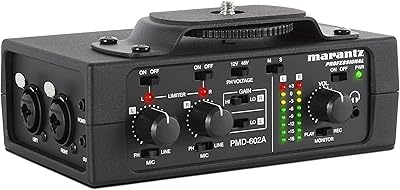
Marantz PMD-602A
Marantz PMD-602A
89%
93%
Audio Clarity
89%
Input Flexibility
95%
Portability
78%
Battery Life
87%
Build Quality
More
Marantz M-CR612
Marantz M-CR612
89%
95%
Sound Quality
91%
Build Quality
88%
Wireless Connectivity
90%
Multi-Room Functionality
87%
Voice Control Integration
More
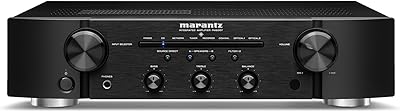
Marantz PM6007 Stereo Amplifier
84%
94%
Sound Quality & Clarity
90%
Build Quality & Durability
85%
Ease of Use & Setup
55%
Connectivity Options
88%
Power Output
More
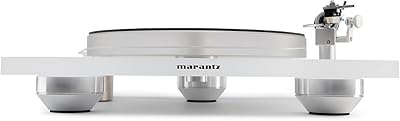
Marantz TT-15S1 Turntable
87%
94%
Sound Quality
91%
Build Quality
89%
Vibration Isolation
85%
Ease of Setup
90%
Design & Aesthetics
More
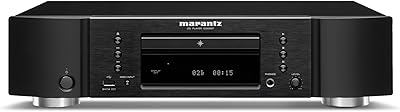
Marantz CD6007 CD Player
85%
93%
Sound Quality
89%
Ease of Use
85%
Connectivity Options
90%
Build Quality
92%
Value for Money
More
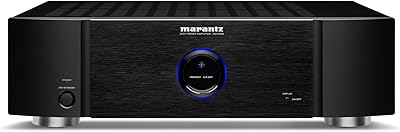
Marantz MM7025 Stereo Power Amplifier
86%
94%
Power Output
91%
Sound Quality
88%
Build Quality
90%
Cooling System
87%
Connectivity Options (RCA/XLR)
More
Marantz Professional AVS
72%
83%
Audio Quality
74%
Video Quality
81%
Built-in Ring Light
88%
All-in-One Convenience
51%
Physical Size & Desk Footprint
More
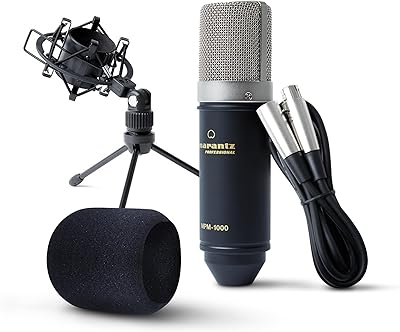
Marantz Professional MPM-1000
81%
84%
Vocal Clarity
87%
Build Materials
76%
Background Noise Rejection
93%
Value for Money
68%
Shock Mount Effectiveness
More
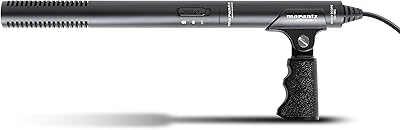
Marantz Professional Audio Scope SG-5BC
87%
88%
Sound Quality
94%
Portability
90%
Ease of Use
65%
Battery Life
87%
Build Quality
More
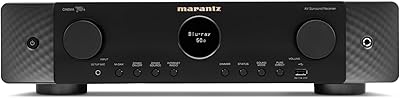
Marantz Cinema 70S
Marantz Cinema 70S
79%
93%
Sound Quality
61%
Power & Headroom
88%
Video Passthrough & HDR Handling
91%
Surround Sound Decoding
84%
Gaming Performance
More

FAQ

It works with turntables that have a moving magnet (MM) cartridge, which covers the vast majority of consumer and prosumer turntables on the market. If your turntable has a moving coil (MC) cartridge, you will need a separate MC-compatible phono preamplifier between the turntable and the amp, since the built-in stage only handles MM. Most entry-level to mid-range turntables from brands like Audio-Technica, Pro-Ject, and Rega use MM cartridges, so the chances are good that yours is compatible.

Absolutely. The Marantz PM7000N functions perfectly as a conventional analogue amplifier without any network connection at all. You can connect a turntable, CD player, or any line-level source to the analogue inputs and use it just like a traditional integrated amp. The network and streaming features are there when you want them, but they are not required for basic operation.

When you activate Pure Mode, the amplifier shuts down whichever digital and wireless circuits you select — Wi-Fi, Bluetooth, USB, or all of them together — while still playing audio through your chosen analogue source. The practical effect is a noticeably quieter noise floor, which becomes most apparent during soft passages in music or when listening to vinyl late at night on a sensitive speaker system. Think of it as temporarily turning the amplifier into a purely analogue device.

It works well enough for most everyday tasks — browsing Spotify, switching inputs, adjusting volume — but it has an acknowledged history of connectivity hiccups. Some users experience dropped connections or need to relaunch the app after router reboots or firmware updates. If you are coming from a Sonos system and expecting that level of app polish, you may find HEOS a step down. That said, many owners use it daily without significant issues, and Marantz has continued to push updates.

At 60 watts per channel, this integrated amplifier handles most bookshelf and floorstanding speakers without difficulty in rooms up to roughly medium size. Speakers with a sensitivity rating above 87 dB and an impedance of 6 to 8 ohms are the sweet spot. Very large rooms or particularly power-hungry, low-sensitivity speakers may leave you wanting more headroom, but for the majority of home listening environments the output is more than adequate.

Yes, and it works well for this purpose. Connect your TV to one of the two optical or the single coaxial digital input, and audio routes cleanly through the amplifier to your speakers. The IR passthrough feature also means you can control the volume and power of the amp directly from your TV remote, which keeps the setup tidy without adding another remote to manage.

It supports Spotify Connect natively, which means you can control playback directly from the Spotify app on your phone or computer rather than having to use the HEOS app as an intermediary. This is worth knowing because Spotify Connect tends to feel more responsive and stable than routing playback through HEOS, making it a preferred method for many owners who primarily stream Spotify.

If you want to replace your AV receiver for two-channel music listening while keeping the receiver for surround sound duties, you can route the pre-out from this integrated amplifier to an input on your receiver, or vice versa using one of the four analogue inputs. It is not designed as a home theatre processor, so multichannel surround is outside its scope, but as a dedicated stereo music source within a larger system it integrates without problems.

All three sit in broadly the same price and performance tier. The NAD C 368 has a more neutral, clinical sound signature and a modular design that allows for upgradeable digital boards, which appeals to future-proofing minded buyers. The Cambridge Audio CXA81 is often praised for slightly better transparency and a cleaner app experience through its StreamMagic platform. The PM7000N distinguishes itself with its warmer Marantz house sound, the HEOS multi-room capability, and the built-in phono stage — making it the strongest all-in-one pick for vinyl and streaming combined.

Like most Class AB amplifiers at this power level, the PM7000N does run warm during extended listening sessions, particularly at higher volumes. It is not concerning — the unit is designed to operate within these temperatures — but you should avoid enclosing it in a tight cabinet with no airflow. Leave a few inches of clearance above and on the sides, especially if you plan on extended listening sessions, and it will run reliably without thermal issues.