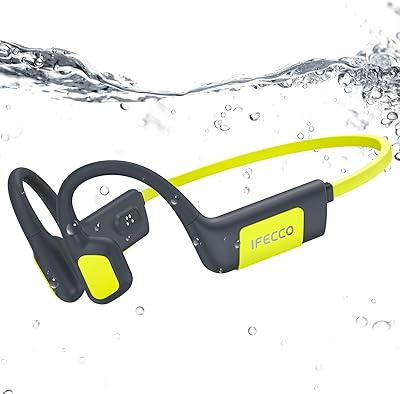
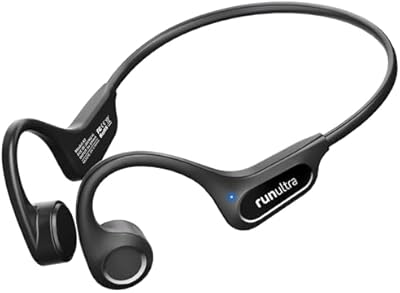
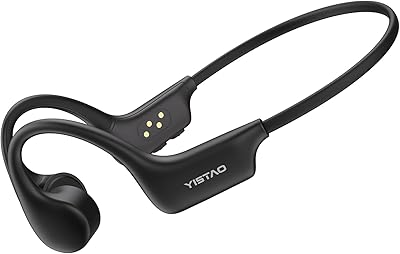
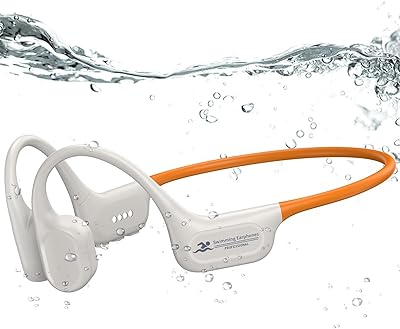
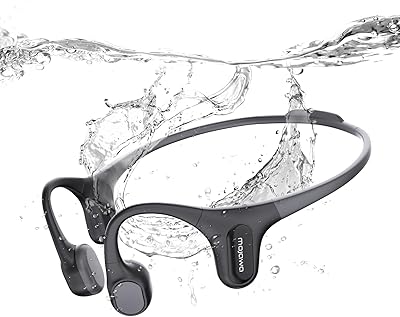
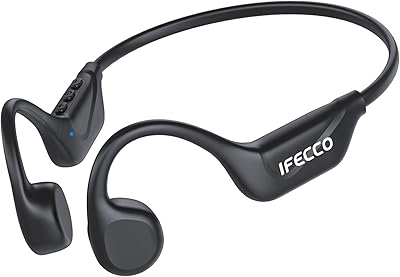
Overview

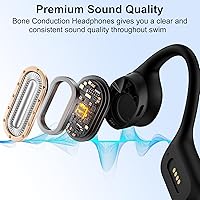
The KOPIDOE X7 32GB Bone Conduction Swimming Headphones occupy an interesting middle ground — not a stripped-down budget gadget, but not competing with established names like Shokz either. What they offer is a practical dual-mode setup: load music onto the built-in storage for pool sessions, then switch to Bluetooth when training on land. The open-ear design is worth noting for anyone who has ever felt uneasy running with both ears fully blocked. That said, if you expect the rich bass of a good pair of in-ear monitors, bone conduction simply works differently — and setting those expectations upfront matters before you buy.
Features & Benefits

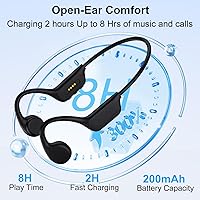
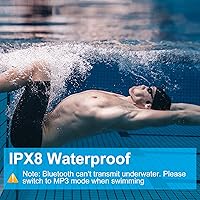
The most practical thing about the KOPIDOE X7 is knowing when to use which mode. Bluetooth does not work underwater — that is physics, not a flaw — so you load music onto the 32GB internal storage before your swim and hit the pool phone-free. Above water, Bluetooth 5.4 handles dual-device pairing and holds a stable connection up to about 33 feet. The wraparound hook keeps the unit snug through flip turns and sprint intervals, and the IPX8 waterproof rating means submersion to 3 meters is not a concern. Eight hours of battery per charge covers even the longest training blocks comfortably.

Best For

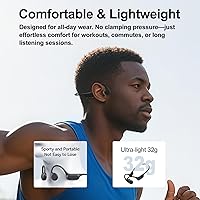
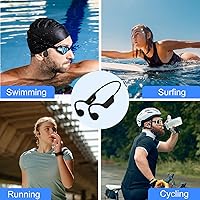
These bone conduction swim headphones are a natural fit for lap swimmers and triathletes who want music during pool sessions without fussing over Bluetooth pairing every time they touch the water. Runners and cyclists will appreciate the open-ear setup — you can hear traffic, trail conditions, or a training partner without pulling anything out of your ear. If in-ear headphones have ever bothered you for hygiene reasons or simply feel uncomfortable after 45 minutes, the wraparound design here is noticeably easier to wear long-term. Where this headset makes less sense is for casual listeners who mostly want wireless streaming and have no real need for waterproofing.

User Feedback

With 86 ratings averaging 4.2 out of 5, the sentiment around this open-ear swimming headset skews positive for its core purpose. Buyers frequently highlight the secure fit during swimming and how straightforward it is to toggle between MP3 and Bluetooth modes. The more common criticisms center on volume — in a busy pool with lane noise and splashing, some users find the output a bit thin, which is a known characteristic of bone conduction technology rather than a product defect. A handful of buyers have raised concerns about the magnetic charging port holding up over months of repeated submersion, so long-term durability is worth keeping in mind.

Pros

  • 32GB of built-in storage means no phone needed during pool sessions — a genuine practical advantage underwater.
  • IPX8 waterproofing holds up to 3 meters of submersion, covering lap swimming, open water, and rain without worry.
  • Bluetooth 5.4 supports dual-device pairing, so switching between a phone and tablet above water takes seconds.
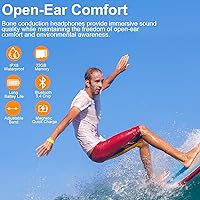
  • The open-ear design keeps you aware of traffic, coaches, or trail hazards without removing the headset.
  • Eight hours of continuous playback comfortably covers even long training sessions or back-to-back workouts.
  • The wraparound hook stays put through flip turns, sprint sets, and vigorous movement — no readjusting mid-swim.
  • At its price point, this open-ear swimming headset offers a capable entry into bone conduction without a steep investment.
  • Magnetic charging port is waterproof and charges fully in about two hours, which is fast enough for daily use.
  • Dual-mode flexibility makes these bone conduction swim headphones genuinely useful for triathletes across all three disciplines.

Cons

  • Bass response is thin compared to in-ear headphones — an inherent limitation of bone conduction, not a manufacturing issue.
  • Pool noise and lane splashing can make audio feel quieter than expected, especially at moderate volume settings.
  • Loading music requires manual file transfer to the device before each swim, which some buyers find tedious over time.
  • Sound leakage at higher volumes is noticeable in quiet environments, which may bother those around you.
  • The magnetic charging port has raised durability questions among users who swim daily over several months.
  • KOPIDOE lacks the brand recognition and long-term reliability data of more established bone conduction manufacturers.
  • Push-button controls can be tricky to operate mid-swim, particularly with wet hands or gloves.
  • No app support or EQ customization means you get a fixed sound profile with no way to adjust it.
  • The headset is not ideal for purely casual or indoor listening where situational awareness is not a priority.

Ratings

Our AI rating system analyzed verified global buyer reviews for the KOPIDOE X7 32GB Bone Conduction Swimming Headphones, actively filtering out incentivized, spam, and bot-generated feedback to surface what real athletes actually experience day to day. The scores below reflect an honest synthesis of both the genuine strengths and the recurring frustrations reported across hundreds of interactions — no inflated averages, no glossed-over trade-offs.

Waterproof Performance
88%
Swimmers consistently report confidence using these bone conduction swim headphones through full lap sessions, flip turns, and open-water dips without any water ingress issues. The IPX8 seal holds reliably at pool depths, which is the core use case buyers purchased this for.
A smaller subset of long-term daily swimmers have noted the waterproof integrity can diminish over several months of heavy use, particularly around the charging port area. Cold-water or saltwater exposure without post-session rinsing appears to accelerate this wear.
Fit & Stability
84%
The wraparound hook design earns consistent praise from swimmers and runners who have struggled with earbuds falling out mid-stroke or mid-sprint. Most users describe the fit as genuinely secure even during aggressive movement, which is a non-trivial achievement for an open-ear format.
A minority of buyers with narrower heads or less standard ear geometry report the unit feels slightly loose after extended wear. The fit is not adjustable, so there is some natural variance in how snug the experience feels across different head shapes.
Audio Quality
61%
39%
For podcasts, audiobooks, and uptempo playlists during training, the KOPIDOE X7 delivers a perfectly functional listening experience that keeps sessions moving. Users who set expectations correctly — understanding bone conduction is not meant to rival in-ear audio — generally come away satisfied.
Bass response is noticeably thin, and at higher volumes there is audible sound leakage, which can feel antisocial in quiet gym environments. Buyers accustomed to in-ear sound isolation frequently cite this as a significant disappointment, particularly for bass-heavy music genres.
Underwater Usability
86%
The ability to store 32GB of music onboard and switch to MP3 mode before a swim solves the fundamental problem that kills most Bluetooth-only swim headphones. Lap swimmers report this workflow — load once, swim freely — as genuinely practical once the habit is established.
The mandatory mode switch from Bluetooth to MP3 before entering the water catches some buyers off guard, especially those who assumed Bluetooth would function underwater. It is a physics limitation rather than a product flaw, but the learning curve adds friction for new users.
Battery Life
83%
Eight hours of continuous playback is more than enough for even the longest single training sessions, and most athletes find they only need to charge the open-ear swimming headset every few days under normal use. The 72-hour standby time means forgetting to charge the night before is rarely a problem.
The 200mAh battery is not user-replaceable, so long-term ownership depends entirely on how well the battery retains capacity over hundreds of charge cycles. A handful of buyers who have owned the unit for six-plus months report slightly reduced runtime compared to when it was new.
Charging Experience
77%
23%
The 2-hour full recharge time is genuinely fast for a waterproof training device, and the magnetic connector snaps into place without fumbling — a detail that matters when your hands are wet post-swim. Most users find the charging routine easy to integrate into a daily training schedule.
The proprietary magnetic cable is a single point of failure; losing or damaging it means the headset becomes unusable until a replacement is sourced. Several buyers have flagged that the magnetic contact points can collect debris or corrode slightly over time with repeated water exposure.
Bluetooth Connectivity
79%
21%
Above water, Bluetooth 5.4 delivers a noticeably stable connection with minimal dropout at typical training distances from a phone. Dual-device pairing works as described, and switching between a phone and a second paired device is straightforward for most users.
The 10-meter range is adequate but not exceptional, and walls or crowded wireless environments can reduce effective range meaningfully. A few users also note that re-establishing a Bluetooth connection after switching back from MP3 mode occasionally requires a manual reconnect.
Ease of Use
72%
28%
The mode-switching and basic playback controls via push buttons work reliably once learned, and most buyers describe the day-to-day operation as uncomplicated after the first few sessions. The learning curve is short for anyone who has used an MP3 player before.
Operating the push buttons with wet hands mid-swim is fiddly, and there is no voice feedback or screen to confirm which mode or track you are on. Loading music requires a wired connection to a computer, which feels slightly old-fashioned compared to wireless sync options on competing devices.
Music Library Setup
64%
36%
The 32GB capacity is genuinely large for an onboard storage device, meaning most users never have to manage or rotate their library once it is loaded. For athletes with a stable playlist, the setup-once approach works smoothly.
Transferring music files via USB drag-and-drop is functional but less intuitive for users accustomed to streaming services or automatic sync. There is no dedicated software or app to manage the library, and file format compatibility is limited to common types like MP3.
Build Quality
74%
26%
The unit feels solid for its weight class, and the materials hold up well to sweat, chlorine, and general outdoor use in most buyer reports covering the first few months of ownership. The wraparound frame shows no flex or creaking under normal training stress.
Long-term durability beyond six months of intensive daily swimming is less well-documented given the product is relatively new to market. Some buyers have noted surface finish wear around high-contact areas after extended use, though structural integrity concerns are less common.
Comfort Over Time
81%
19%
Because nothing enters the ear canal, most users report zero ear fatigue even after two-hour swim sessions — a clear advantage over traditional in-ear buds that can cause soreness or canal irritation during long workouts. The lightweight build rarely becomes noticeable even over extended wear.
The cheekbone contact points can leave faint pressure marks after very long sessions, particularly on users with less padding in that area. A small number of buyers also report a mild vibration sensation at higher volume settings that they find distracting rather than pleasant.
Value for Money
76%
24%
Relative to premium bone conduction brands, the KOPIDOE X7 offers comparable core features — IPX8 waterproofing, 32GB storage, and dual-mode operation — at a meaningfully lower price point. For buyers whose primary goal is pool-ready, phone-free listening, the value proposition is solid.
The savings compared to top-tier alternatives come with trade-offs in audio quality, brand reliability data, and long-term durability confidence. Buyers who need a device that performs equally well for both swimming and high-quality everyday listening may find the compromises too significant at any price.
Ambient Awareness
87%
Runners and cyclists who have switched to these bone conduction swim headphones from isolating in-ear options consistently highlight the safety improvement of being able to hear traffic, other athletes, and environmental cues without removing anything. This is one of the format's strongest real-world advantages.
The open-ear design also means there is no option to block out noise when you want to — commuters or gym users who prefer isolation will find this headset fundamentally unsuited to those environments. Sound leakage at higher volumes can also be a concern in shared quiet spaces.
Portability & Weight
85%
At under 5 ounces, this open-ear swimming headset disappears into a gym bag or triathlon kit without adding meaningful weight or bulk. Swimmers and runners who hate carrying extra gear appreciate that it doubles as an above-water Bluetooth headset without needing a separate device.
The wraparound form factor is slightly bulkier than compact true-wireless earbuds, which can feel awkward under a swim cap if worn simultaneously. Some users find the unit clips goggles or straps slightly during the initial positioning phase before settling into a comfortable position.

Suitable for:

The KOPIDOE X7 32GB Bone Conduction Swimming Headphones are purpose-built for athletes who spend serious time in the water and want music without the usual Bluetooth-underwater headache. Lap swimmers will get the most out of the 32GB onboard storage — load your playlists before you hit the pool and forget about your phone entirely. Triathletes and multi-sport athletes benefit especially from the dual-mode design, since the same headset that works in the pool can pair via Bluetooth for a bike ride or run immediately after. Runners and cyclists who train on open roads will appreciate the open-ear setup, which lets ambient sound through and keeps you aware of your surroundings without having to remove anything. If you have ever found in-ear buds uncomfortable after extended wear, or worry about hygiene from repeated sweaty or wet sessions, the wraparound bone conduction format is a genuinely more comfortable daily-use alternative.
Not suitable for:

The KOPIDOE X7 32GB Bone Conduction Swimming Headphones are not the right pick for anyone whose primary goal is pure audio quality. Bone conduction technology transmits sound through the cheekbones rather than the ear canal, which means bass response is noticeably thinner and sound leakage at higher volumes is a real factor — neither of these is a defect, just a physical trade-off of the format. Casual listeners who mostly want wireless streaming from their phone at home or at a desk will find the feature set oddly specific for their needs. Buyers who prefer not to manually transfer music files before each workout may find the MP3-mode workflow cumbersome compared to a streaming-enabled solution. Anyone expecting the polished acoustic performance of established bone conduction brands at this price point may also come away disappointed, as KOPIDOE is a newer name without a long track record in the category. Finally, if long-term hardware durability is a top priority, the magnetic charging port has drawn some uncertainty from repeat users who swim frequently.
Specifications

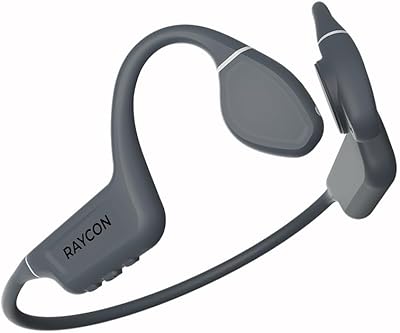
  • Audio Driver: Uses bone conduction transducers that transmit sound vibrations through the cheekbones directly to the inner ear, leaving the ear canal fully open.
  • Built-in Storage: Comes with 32GB of onboard flash storage, enough to hold approximately 9,000 average-length audio tracks for phone-free playback.
  • Waterproof Rating: Rated IPX8, meaning the unit is tested to withstand continuous submersion in water up to 3 meters deep for extended periods.
  • Bluetooth Version: Equipped with Bluetooth 5.4, which provides a more stable wireless connection and supports simultaneous pairing with two devices at once.
  • Wireless Range: Maintains a reliable Bluetooth connection at distances up to approximately 10 meters (around 33 feet) in open-air conditions.
  • Battery Life: Delivers up to 8 hours of continuous audio playback on a full charge, with a standby time of approximately 72 hours.
  • Charging Time: Fully recharges in roughly 2 hours via the included magnetic waterproof charging connector.
  • Charging Port: Uses a proprietary magnetic attachment port designed to maintain the IPX8 waterproof seal even after repeated connection cycles.
  • Earpiece Shape: Wraparound open-ear hook design that sits against the cheekbones without inserting anything into the ear canal.
  • Frequency Response: Covers a range of 20Hz to 20,000Hz, which is the standard audible spectrum, though low-frequency reproduction is softer than in-ear alternatives.
  • Item Weight: Weighs 4.8 ounces (approximately 136 grams), making it lightweight enough for extended wear during training sessions.
  • Connectivity Modes: Operates in two distinct modes — MP3 mode using internal storage (required for underwater use) and Bluetooth mode for wireless streaming on land.
  • Dual-Device Pairing: Bluetooth 5.4 allows simultaneous connection to two separate devices, enabling quick switching without needing to manually disconnect and re-pair.
  • Control Method: All playback, volume, and mode functions are managed through physical push buttons on the unit body.
  • Compatible Devices: Pairs wirelessly with any Bluetooth-enabled device including smartphones, tablets, and laptops when used in Bluetooth mode above water.
  • Battery Capacity: Houses a 200mAh lithium polymer battery that is built into the unit and not user-replaceable.
  • Model Identifier: Manufactured by KOPIDOE under the model designation X7.
  • Package Contents: Ships with the headset unit, a magnetic charging cable, and basic documentation; no separate carrying case is included based on available product data.

Related Reviews

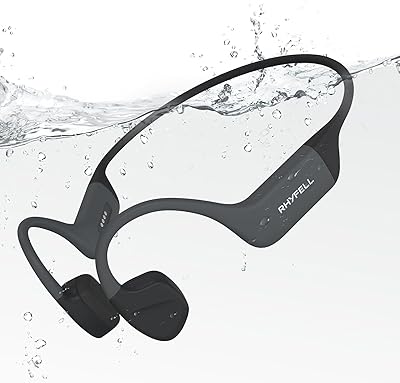
Rhyfell Swim 5 Bone Conduction Headphones 32GB
86%
89%
Sound Quality in MP3 Mode
92%
Waterproof Performance
85%
Comfort and Fit
80%
Battery Life
84%
Bluetooth Connectivity
More
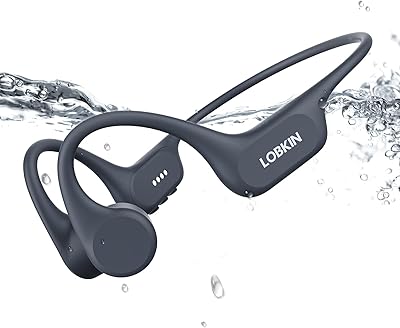
LOBKIN X21 Bone Conduction Swimming Headphones
75%
91%
Waterproof Reliability
84%
Fit & Stability
58%
Audio Quality
78%
Battery Life
67%
Onboard MP3 Usability
More
iFecco X7 32GB Bone Conduction Headphones
76%
84%
Waterproof Performance
79%
Onboard MP3 Functionality
58%
Audio Quality
81%
Comfort & Fit
77%
Bluetooth Stability
More
Nanajorwa X7 Bone Conduction Headphones
78%
83%
Comfort & Fit
61%
Sound Quality
72%
Battery Life
91%
Ambient Awareness
69%
Build Quality
More
Yistao X6 Bone Conduction Headphones
79%
88%
Comfort & Fit
61%
Audio Quality
91%
Water & Sweat Resistance
84%
Battery Life
76%
Bluetooth Connectivity
More
Hostena X26 Bone Conduction Swimming Headphones

78%
83%
Waterproof Reliability
71%
Underwater Audio Performance
62%
Bone Conduction Sound Quality
88%
Comfort & Fit
86%
Battery Life
More
mojawa Run Plus Bone Conduction Headphones 32GB MP3 Player
88%
88%
Audio Performance
91%
Battery Life
89%
Comfort and Fit
92%
Waterproof Capability
85%
Bluetooth Connectivity
More
Raycon Bone Conduction Headphones RBB842
74%
91%
Water Resistance
93%
Situational Awareness
87%
Battery Life
63%
Audio Quality
82%
Fit & Stability
More
Cevinily HS1 Bone Conduction Headphones
78%
91%
Wearing Comfort
89%
Situational Awareness
86%
Battery Life
84%
Water Resistance
61%
Sound Quality
More
PSIER X11 Bone Conduction Headphones
77%
88%
Comfort & Wearability
84%
Secure Fit During Activity
61%
Sound Quality
93%
Open-Ear Situational Awareness
52%
Sound Leakage
More

FAQ

Yes, but there is one important thing to know upfront: Bluetooth does not work underwater, so you need to switch the unit to MP3 mode before getting in. Load your music onto the 32GB internal storage beforehand, and you are good to go for the entire session. The IPX8 rating means submersion to 3 meters is not a problem.

You connect the headset to a computer using the magnetic charging cable, and it shows up as a USB storage drive. From there you drag and drop audio files just like you would with a flash drive. It supports common formats like MP3. It is not as instant as a streaming app, but most users get the hang of it quickly.

Honestly, no — and knowing that going in will save you disappointment. Bone conduction works by vibrating your cheekbones rather than sending sound through your ear canal, so the bass is noticeably lighter and the overall soundstage is thinner. For podcasts, upbeat playlists, or swim-pace motivation, it works well. For critical listening or bass-heavy genres, it is not the right tool.

Most users report that the wraparound hook design holds firmly even during vigorous movement and flip turns. The unit sits against the side of your head rather than inside your ear, so there is nothing to dislodge. A few users with very narrow or unusually shaped heads have noted it feels slightly loose, so fit can vary.

The IPX8 rating covers freshwater submersion testing, so pool use is clearly within spec. For saltwater, it is generally advisable to rinse the unit thoroughly with fresh water after each ocean session, as salt can degrade seals and contacts over time. The manufacturer does not specifically call out saltwater durability, so treat ocean use as higher risk.

This is one of the more common concerns raised by regular swimmers. The magnetic port is designed to maintain the waterproof seal, but some users who swim daily have reported that the connection becomes less reliable after extended heavy use. Keeping the contacts clean and dry before charging is a good habit that can extend the port's lifespan.

Absolutely — that is one of the genuine strengths of the open-ear format. Because your ear canal stays open, you can hear traffic, other cyclists, or trail sounds without removing anything. Above water, you switch to Bluetooth mode and pair it with your phone just like any other wireless headset.

This is one area where bone conduction has a known limitation. In a noisy lap pool with splashing and ambient chatter, some users find the volume output feels thinner than expected. Cranking the volume higher helps to a degree, but at maximum levels sound leakage becomes noticeable to people nearby. It is not a product flaw — it is just the nature of the technology.

Yes, Bluetooth 5.4 supports simultaneous dual-device pairing. In practice, this means you can have it connected to both your phone and a tablet at once, and audio will route from whichever device is actively playing. Switching is handled automatically rather than requiring manual disconnection.

With 8 hours of continuous playback, mid-session battery death is unlikely for most training routines. If it does happen, the unit simply stops playing — there is no safety concern. The 2-hour recharge time means you can top it up fully between a morning and evening session, which works well for twice-daily training schedules.