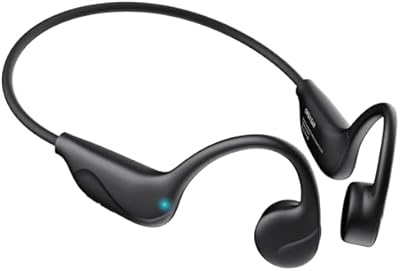
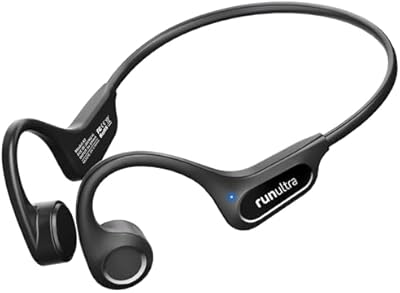
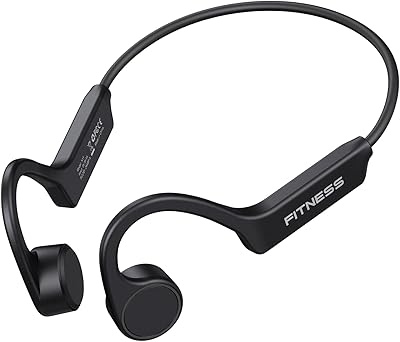
Overview

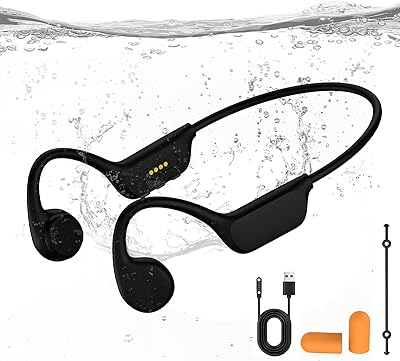
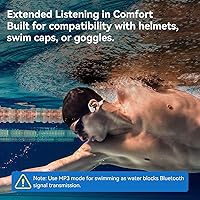
The Hostena X26 Bone Conduction Swimming Headphones occupy an interesting spot in the crowded sports audio market — a dual-mode device built for swimmers who want music in the pool but also need something functional on dry land. Bone conduction technology keeps your ear canals completely open, which matters more than most people realize: outdoors, you can hear traffic; in the water, you stay aware of other swimmers. One thing to know right away — Bluetooth does not work underwater. You need to load tracks onto the built-in storage and use MP3 mode for pool sessions. Hostena isn't a widely recognized brand, so the specs and early buyer feedback carry extra weight here.
Features & Benefits

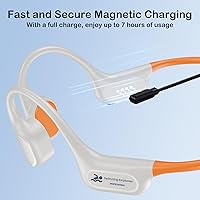
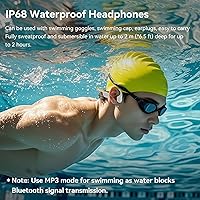
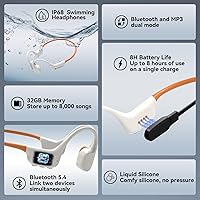
The IP68 waterproof rating means these swim headphones can handle submersion down to 2 meters — enough for most lap swimmers, though serious divers should look elsewhere. The 32GB of internal storage is genuinely generous, holding thousands of tracks in formats from compressed MP3s to lossless FLAC files, so you can load weeks of playlists without thinking about it. Bluetooth 5.4 brings stable pairing for gym use and outdoor runs, with a 33-foot wireless range. Battery life lands at 7 hours on a single charge, and tops back up in just 1.5 hours. The magnetic charging cable doubles as a file transfer tool, though it is proprietary, so keeping track of it matters.

Best For

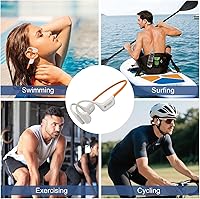
The X26 makes the most sense for regular lap swimmers who are comfortable loading audio files beforehand and don't need a phone poolside. Triathletes who train across disciplines will appreciate having one pair that handles pool work in MP3 mode and road or track sessions over Bluetooth. It's also a practical pick for runners and cyclists who find in-ear buds uncomfortable or who want to stay aware of their surroundings while training. If you've never tried bone conduction before, this is a reasonable entry point — the price doesn't demand a heavy commitment, and the open-ear format resolves a lot of common fit complaints that plague traditional earbuds.

User Feedback

With only 16 reviews and a 3.8-star average, early feedback on this bone conduction set is cautiously positive but too limited to call definitive. Swimmers frequently highlight secure, comfortable fit during long sessions, and several users found file transfers refreshingly simple. Those are real strengths. On the other side, some buyers report that audio can feel thin or compressed at higher volumes — a known characteristic of bone conduction drivers generally, not unique to this model. A handful of reviewers also appear to have been caught off guard by the no-Bluetooth-in-water rule, pointing to a real communication gap rather than a product defect. No significant durability concerns have surfaced yet, but the review pool is still small.

Pros

  • IP68 waterproof protection up to 2 meters covers the needs of most lap swimmers and pool-based workouts.
  • 32GB of built-in storage holds thousands of tracks, removing any need to bring a phone to the pool.
  • Supports multiple audio formats including FLAC and WAV, so you are not locked into compressed files only.
  • Open-ear design keeps you aware of your surroundings, making outdoor training noticeably safer.
  • Bluetooth 5.4 delivers reliable, stable pairing for gym sessions and outdoor runs above water.
  • A 7-hour battery life handles even the longest training days without needing a mid-session recharge.
  • Recharges fully in just 1.5 hours, so an overnight charge is never strictly necessary.
  • Silicone construction is lightweight and stays comfortable during extended wear without pressure points.
  • The magnetic cable doubles as a file transfer tool, keeping the setup simple and cord-light.
  • Early buyers consistently highlight a secure fit that holds through flip turns and high-intensity movement.

Cons

  • Bluetooth mode is completely non-functional underwater — streaming from your phone during a swim is not possible.
  • The magnetic charging cable is proprietary, meaning losing it creates an immediate and inconvenient problem.
  • Bone conduction audio can sound thin or lacking in bass compared to what most people are used to hearing.
  • Sound quality reportedly degrades at higher volume levels, which is a noticeable drawback in noisy environments.
  • With only 16 reviews available, there is not yet enough user data to confidently assess long-term durability.
  • Hostena has minimal brand recognition, and finding third-party repair or support options could prove difficult.
  • Loading music requires a computer and manual file transfers, which adds friction for less tech-comfortable users.
  • The proprietary magnetic connector is not interchangeable with standard USB-C cables, limiting charging flexibility.

Ratings

Our editorial team used AI-assisted analysis to evaluate verified global buyer reviews of the Hostena X26 Bone Conduction Swimming Headphones, actively filtering out incentivized, duplicate, and low-credibility submissions to focus on genuine hands-on feedback. The scores below reflect a transparent picture of where these swim headphones genuinely deliver and where real users have run into friction. Both strengths and recurring pain points are weighted equally so you can make a fully informed decision.

Waterproof Reliability
83%
Most lap swimmers report confidence wearing the X26 through full pool sessions without any water ingress or audio degradation. The nano-hydrophobic coating adds a layer of protection that goes beyond the IP68 seal itself, and users wearing swim caps and goggles simultaneously found the fit remained intact and watertight throughout.
A handful of early buyers expressed uncertainty about long-term seal durability given the brand's limited track record, and the 2-meter depth ceiling means these are not suited for any diving or deep-water activities beyond standard pool lanes.
Underwater Audio Performance
71%
29%
For MP3 mode playback during swimming, users generally found the audio clear enough to stay motivated through a workout. Bone conduction works surprisingly well at pool depths, and the absence of in-ear interference from water makes open-ear playback feel more consistent than many traditional waterproof earbuds.
The hard requirement to pre-load tracks and switch to MP3 mode before entering the water caught a notable share of buyers off guard, leading to frustrated early reviews from people who expected wireless streaming to work underwater. Volume levels that feel adequate on dry land can seem underwhelming mid-swim due to ambient water noise.
Bone Conduction Sound Quality
62%
38%
For spoken-word content like podcasts and audiobooks, or upbeat workout playlists where rhythm matters more than audio fidelity, the X26 delivers a functional and reasonably engaging listening experience. Users new to bone conduction often describe adjusting within a week and finding the format comfortable for training purposes.
At higher volume settings, several users noted a faint vibrating sensation on the cheekbones that becomes distracting during quiet swim sets. Bass response is noticeably thin compared to any in-ear alternative, and listeners accustomed to premium audio will likely find the overall sound signature flat and lacking depth.
Comfort & Fit
88%
Reviewers consistently highlighted the secure wraparound fit as one of the X26's strongest practical qualities, with the headphones staying firmly in place through flip turns, sprint intervals, and high-cadence cycling. The soft silicone contact points were praised by users with sensitive skin or ear canal issues who cannot tolerate traditional earbud pressure.
A small number of users with narrower or larger head shapes reported that the fit felt either slightly loose or moderately tight, suggesting the one-size design does not accommodate all head geometries equally well. Long sessions exceeding two hours occasionally produced minor pressure fatigue on the cheekbone contact areas.
Battery Life
86%
Seven hours of continuous playback is more than sufficient for most training schedules, and users who swim three to four times per week found they only needed to charge the X26 once every several days. The 90-hour standby figure is genuinely practical — leaving the headphones in a gym bag for a few days between sessions does not result in a dead battery.
Battery life was not a frequent complaint, but a few reviewers noted that cold outdoor temperatures during winter runs appeared to reduce effective playback time slightly. There is also no battery percentage indicator accessible during use, so knowing exactly how much charge remains mid-session requires estimation.
Charging Experience
74%
26%
The 1.5-hour full charge time is fast enough that an evening charge before a morning swim is never a concern, and most users appreciated not needing to babysit the device for hours. The magnetic connection snaps into place cleanly and reliably without requiring precise alignment.
The proprietary magnetic cable is the single biggest practical vulnerability in the charging setup — if it is lost or damaged, the device becomes unusable until a replacement is sourced. Standard USB-C cables are not compatible, and the availability of replacement cables from an obscure brand like Hostena is uncertain.
File Transfer & Storage Management
77%
23%
Reviewers who embraced the drag-and-drop file transfer process found it quick and intuitive after the first setup, with the 32GB capacity providing far more room than most users will realistically fill. Support for lossless formats like FLAC and WAV was a genuine bonus for users with high-quality audio libraries.
The file transfer process requires a computer and the proprietary cable, making it harder to update playlists spontaneously compared to phone-streamed devices. Users who primarily manage music through streaming apps like Spotify or Apple Music will find the manual library curation process a meaningful change to their existing habits.
Bluetooth Connectivity
79%
21%
Above water, Bluetooth 5.4 pairing is fast and stable, and users switching between the pool and a gym or outdoor run reported that reconnecting to a phone was straightforward and consistent. The 33-foot wireless range covered most standard gym layouts without dropout complaints.
Bluetooth is entirely non-functional underwater, which is a design constraint rather than a defect but still represents a significant limitation relative to what many buyers assume the device can do. A clearer mode-switching interface would help reduce the confusion that has surfaced repeatedly in early reviews.
Open-Ear Safety
91%
Runners and cyclists who tested the X26 during outdoor training sessions specifically called out the ambient awareness as a standout feature — hearing approaching traffic, other athletes, or coaching instructions without removing the headphones is a meaningful practical benefit. This is the design philosophy working exactly as intended.
The openness that makes these headphones safe also means audio leaks outward at moderate-to-high volumes, which can be awkward in quiet gym settings or shared public spaces. Users seeking privacy during commutes or office use may find bone conduction less socially discreet than in-ear alternatives.
Durability & Build Quality
68%
32%
The silicone construction feels robust enough for daily athletic use, and no widespread reports of structural cracking, hinge failure, or premature degradation appeared in available reviews. For the price tier, the physical build inspires reasonable confidence during regular training sessions.
With Hostena being a low-recognition brand and the product still accumulating reviews, there is simply not enough longitudinal data to assess how the X26 holds up after six months or a year of intensive use. Chlorine resistance over time remains an open question that current early feedback cannot yet answer.
Value for Money
76%
24%
The combination of IP68 waterproofing, 32GB storage, Bluetooth 5.4, and bone conduction technology at this price point is objectively competitive with similar dual-mode swim headphones from more established brands. For a first-time bone conduction buyer who swims regularly, the feature-to-price ratio is difficult to argue against.
The value calculation shifts somewhat if the proprietary cable is lost or if post-purchase support from Hostena proves difficult to access, both of which represent financial risks beyond the initial purchase. Buyers comparing this against brand-name competitors may feel the brand trust deficit partially offsets the cost savings.
Ease of Use
72%
28%
Once buyers understand the dual-mode system, switching between Bluetooth use and pre-loaded MP3 playback becomes an uncomplicated part of the routine. Touch controls were generally described as responsive and accurate, and the one-button mode management worked reliably for most users in testing conditions.
The learning curve around mode switching and file management is steeper than most buyers anticipate based on product listings, and several reviewers admitted wasting their first swim session troubleshooting rather than training. Better onboarding documentation would meaningfully reduce the frustration that shows up repeatedly in early user comments.
Compatibility
83%
Bluetooth mode paired cleanly with both iOS and Android devices across a range of phone models mentioned in early feedback, with no significant platform-specific complaints reported. The broad audio format support in MP3 mode also means most users can transfer their existing audio libraries without conversion.
Smart device integration beyond basic pairing is limited — there is no companion app for equalizer adjustments, firmware updates, or usage tracking, which leaves some feature gaps compared to more software-mature competitors in the open-ear headphone category.

Suitable for:

The Hostena X26 Bone Conduction Swimming Headphones are a practical match for swimmers who train regularly and want a phone-free music experience in the pool. If you do lap swimming a few times a week, the workflow of loading tracks beforehand via the magnetic cable is a minor inconvenience that quickly becomes routine. Triathletes will especially appreciate having a single pair that handles underwater MP3 playback and then switches to Bluetooth for cycling or running segments. Runners and cyclists who train near traffic also benefit from the open-ear design, which keeps ambient sound fully accessible without sacrificing audio. If you have struggled with in-ear buds falling out during intense movement, or find over-ear headphones too bulky and sweaty, this bone conduction set offers a comfortable alternative that stays put through hard efforts. First-time bone conduction users looking for an accessible entry point without a heavy financial commitment will find the X26 a reasonable place to start.

Not suitable for:

The Hostena X26 Bone Conduction Swimming Headphones will frustrate buyers who expect to stream Spotify or connect to their phone wirelessly while in the water — that is simply not how the device works, and no settings change will fix it. If you are not willing to manually transfer audio files to an onboard storage device before your swim, the workflow will feel cumbersome fast. Audiophiles or anyone who prioritizes rich, full-bodied sound should also look elsewhere; bone conduction technology transmits vibrations through the cheekbones rather than the ear canal, and the listening experience is fundamentally different from and generally thinner than traditional headphones, particularly at high volumes. Competitive open-water swimmers who need deeper submersion protection beyond 2 meters should seek a device rated for greater depth. Buyers who prefer established, well-reviewed brands with long track records and robust customer support may also feel uneasy investing in a product from a relatively unknown manufacturer with limited early review data to draw from.
Specifications

  • Model: The unit carries the model designation X26, manufactured by Hostena.
  • Waterproof Rating: Rated IP68, the device withstands submersion in up to 2 meters of water for protected swim sessions.
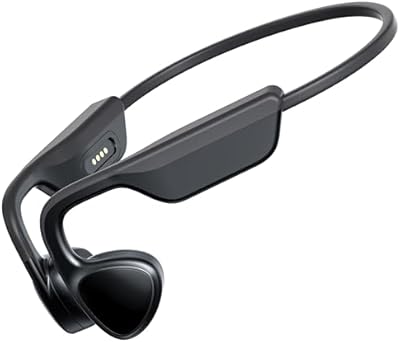
  • Driver Type: Audio is delivered via bone conduction drivers that transmit vibrations through the cheekbones rather than the ear canal.
  • Built-in Storage: Onboard storage totals 32GB, sufficient to hold thousands of audio tracks without needing a connected phone.
  • Audio Formats: Supported playback formats include MP3, WMA, WAV, APE, and FLAC for broad file compatibility.
  • Bluetooth Version: Equipped with Bluetooth 5.4, offering improved connection stability and interference resistance over earlier standards.
  • Wireless Range: Bluetooth operates reliably up to 33 feet from a paired source device in open conditions.
  • Battery Life: Continuous playback lasts up to 7 hours on a full charge, with a standby time of approximately 90 hours.
  • Charge Time: The battery reaches a full charge in approximately 1.5 hours using the included magnetic cable.
  • Charging Cable: A proprietary magnetic Type-C cable is included, which also serves as the file transfer connection to a computer.
  • Frequency Response: The drivers cover a frequency range of 20Hz to 20,000Hz, spanning the standard range of human hearing.
  • Impedance: Driver impedance is rated at 32 Ohm, consistent with typical portable audio devices.
  • Weight: The headphones weigh approximately 3.84 ounces (around 109g), keeping them light enough for extended athletic use.
  • Material: The body and contact surfaces are constructed from ultra-soft silicone for skin comfort during long wear.
  • Ear Placement: The design is fully open-ear, meaning no part of the device sits inside or occludes the ear canal.
  • Connectivity Modes: Two operating modes are available: Bluetooth for above-water use and MP3 playback mode for underwater swimming.
  • Compatible Devices: Bluetooth mode pairs with iOS devices, Android devices, and any other standard Bluetooth-enabled hardware.
  • Control Method: Playback and device functions are managed via touch controls built into the headphone body.
  • Package Contents: Each unit ships with one pair of open-ear headphones, one magnetic charging and transfer cable, and a printed user manual.
  • Nano Coating: A nano-hydrophobic coating supplements the IP68 seal, providing additional resistance against sweat and moisture ingress.

Related Reviews

LOBKIN X21 Bone Conduction Swimming Headphones

75%
91%
Waterproof Reliability
84%
Fit & Stability
58%
Audio Quality
78%
Battery Life
67%
Onboard MP3 Usability
More
Rhyfell Swim 5 Bone Conduction Headphones 32GB
86%
89%
Sound Quality in MP3 Mode
92%
Waterproof Performance
85%
Comfort and Fit
80%
Battery Life
84%
Bluetooth Connectivity
More
KOPIDOE X7 32GB Bone Conduction Swimming Headphones

78%
88%
Waterproof Performance
84%
Fit & Stability
61%
Audio Quality
86%
Underwater Usability
83%
Battery Life
More
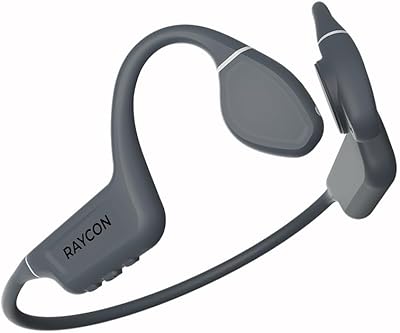
Raycon Bone Conduction Headphones RBB842
74%
91%
Water Resistance
93%
Situational Awareness
87%
Battery Life
63%
Audio Quality
82%
Fit & Stability
More
Hitarah X19 Bone Conduction Headphones
83%
90%
Comfort and Fit
72%
Sound Quality
85%
Battery Life
88%
Build Quality
93%
Waterproof Rating (IPX7)
More
Ogogrs K08 Bone Conduction Open-Ear Headphones
70%
81%
Comfort & Fit
58%
Sound Quality
83%
Battery Life
88%
Situational Awareness
52%
Microphone Quality
More
Enerair A20 Bone Conduction Headphones
73%
84%
Value for Money
81%
Comfort & Fit
63%
Sound Quality
88%
Water & Sweat Resistance
76%
Battery Life
More
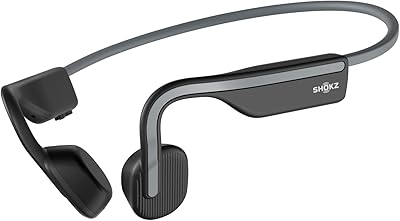
Shokz OpenMove
Shokz OpenMove
84%
96%
Situational Awareness
92%
Long-Term Comfort
88%
Build Quality & Durability
84%
Value for Money
91%
Charging Convenience
More
Shokz OpenRun
Shokz OpenRun
82%
97%
Situational Awareness
93%
Fit and Comfort
88%
Water and Sweat Resistance
84%
Battery Life
92%
Quick Charging Capability
More
PSIER X11 Bone Conduction Headphones
77%
88%
Comfort & Wearability
84%
Secure Fit During Activity
61%
Sound Quality
93%
Open-Ear Situational Awareness
52%
Sound Leakage
More

FAQ

No, and this is the single most important thing to know before buying. Bluetooth does not function underwater — physics simply does not allow it. To listen while swimming, you need to load your audio files onto the built-in storage beforehand and switch the device to MP3 mode. Think of it like an old-school MP3 player that happens to also pair wirelessly when you are out of the water.

You connect the included magnetic cable to the headphones and plug the other end into a computer via USB. The device shows up as a storage drive, and you drag and drop your audio files across. It takes a few minutes to set up the first time, but once you have your playlists loaded, you rarely need to do it again unless you want to refresh your library.

The IP68 rating and nano-hydrophobic coating are designed to handle pool conditions, including chlorine exposure. That said, rinsing them with fresh water after each pool session is a good habit that will help preserve the seals and extend the lifespan of any waterproof device — not just this one.

Honestly, it is a different experience rather than a better or worse one. Sound is transmitted through your cheekbones to your inner ear, so the audio feels more like it is coming from around you than from inside your head. Bass response tends to be lighter, and at high volumes some people notice a buzzing sensation on the skin. If you are used to the immersive feel of in-ear buds, bone conduction will take some adjustment, but most users adapt quickly.

Yes, they are specifically designed with that combination in mind. The headphones wrap around the back of the head and sit just in front of the ears, so they do not interfere with standard goggle straps. Most users find they fit fine under a silicone swim cap as well, though very tight racing caps may require a bit of adjustment.

This is a real inconvenience worth planning for. The cable is proprietary and magnetic, which means a standard USB-C cable will not charge the device. If you lose it, you will need to source a replacement directly from Hostena or find a compatible third-party magnetic pin cable with the same connector configuration. Keeping a spare is not a bad idea.

The rated 7-hour continuous playback is a reasonable estimate for MP3 mode at moderate volume. For the average swimmer doing 45- to 90-minute sessions, you would realistically get through five or more workouts before needing to recharge, especially given the 90-hour standby time between uses.

Yes, in Bluetooth mode the X26 can handle calls from a paired smartphone. The bone conduction design means the person on the other end hears you through a microphone in the headphones, while sound is transmitted to you via the cheekbone vibration system. Call quality is functional for everyday use, though it may not match dedicated call-optimized headsets.

It is a genuine safety advantage, not a marketing angle. Because your ear canals stay completely open, you can hear approaching vehicles, other runners, or verbal cues from a coach without removing the headphones. For road running or cycling in traffic, this is meaningfully useful. The trade-off is that people nearby can faintly hear your audio at higher volumes, which may not suit everyone.

That depends on your risk tolerance. The specs are solid on paper — IP68 waterproofing, 32GB storage, Bluetooth 5.4 — and early user feedback is cautiously positive on fit and comfort. However, with only a small number of reviews so far, there is limited long-term durability data available. If you want peace of mind, check the return policy before purchasing and treat this as a product still building its track record rather than one with years of proven reliability behind it.