Overview

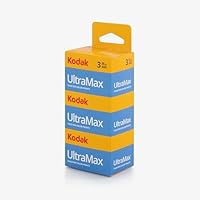
Kodak Ultra Max 400 35mm Color Film 36 Exposures sits comfortably in the middle of Kodak's consumer lineup — not a budget throwaway, but nowhere near a professional emulsion either. As analog photography keeps pulling in new converts and nostalgic returners, this 35mm roll has found its audience: casual shooters, beginners picking up their first SLR, and hobbyists who want reliable results without overthinking it. ISO 400 speed is the real differentiator here, giving it flexibility that slower ISO 200 films simply can't match across mixed lighting. And with 36 exposures per roll, you get noticeably more shooting room than the standard 24-frame alternative before you're back at the lab counter.
Features & Benefits

The most practical thing about this Kodak film is how well it handles transitions — move from a bright outdoor patio into a dim restaurant, and you're not scrambling for a flash. Grain is present, as you'd expect from any consumer emulsion, but at normal print sizes or standard web resolution it stays out of the way. Color-wise, expect warm tones with a slight saturation push; the Ultra Max 400 doesn't aim for neutral clinical accuracy, it leans into punchy, pleasing rendition that suits portraits and travel shots well. C-41 processing compatibility means any local lab or mail-in service can develop it without special handling, and the exposure latitude is forgiving enough that slightly off shots rarely result in a ruined frame.

Best For

The Ultra Max 400 hits its stride as an everyday carry film — the kind you load up and forget about until you're at a birthday party, walking a city block, or mid-hike with light changing by the minute. Beginners learning manual exposure will appreciate how tolerant it is of small mistakes. It also genuinely handles indoor shooting without flash better than ISO 200 options, which is more useful in real life than most newcomers expect. If you're comparing it to professional emulsions, recalibrate your expectations — but for shooters who want consistent, pleasant results across varied situations without paying professional-stock prices, this 35mm roll earns its place in your bag without argument.

User Feedback

With over 700 ratings averaging 4.6 out of 5, buyers are broadly satisfied with this Kodak film — but the feedback tells a more nuanced story than the star count alone suggests. Consistent color output and solid performance in mixed light draw the most praise, along with the value of 36 frames per roll. Recurring criticisms cluster around grain at high DPI scans, and some shooters note a warm color shift under tungsten lighting that isn't always flattering. A handful of buyers flagged packaging or roll integrity issues on arrival, though this appears to be an exception. Shooters switching from Kodak Gold 200 often find the Ultra Max 400 slightly punchier but broadly in the same approachable family.

Pros

  • ISO 400 speed handles mixed and low-light conditions without forcing you to reach for a flash.
  • Warm, punchy color rendition makes casual portraits and travel shots look naturally pleasing.
  • 36 exposures per roll gives you more shooting room and better value per development run.
  • C-41 processing means any local lab or mail-order service can develop it without special handling.
  • Forgiving exposure latitude keeps slightly over- or under-exposed shots usable rather than ruined.
  • Compatible with virtually every 35mm camera body, from vintage SLRs to modern point-and-shoots.
  • Grain stays manageable at standard print sizes and typical web or social media resolutions.
  • Consistent results roll-to-roll make it easy to predict and trust, especially for beginners.
  • Strong community familiarity means plenty of online resources for first-time shooters using this 35mm roll.

Cons

  • Grain becomes noticeably distracting when scanning at high DPI for large-format prints.
  • Warm color bias can produce unflattering shifts under tungsten or fluorescent artificial lighting.
  • Not a substitute for professional emulsions when color accuracy or fine detail truly matters.
  • Some buyers have reported receiving rolls with damaged packaging or compromised film canisters.
  • Color saturation, while pleasant for snapshots, can look oversaturated in certain skin-tone situations.
  • Per-roll cost has risen alongside the broader analog film market, reducing its value advantage over time.
  • Optical prints may reveal color inconsistencies that are less obvious on quick digital scans.
  • Not well-suited for high-contrast scenes where shadow and highlight detail both need to be preserved.

Ratings

The scores below reflect an AI-driven analysis of verified global buyer reviews for the Kodak Ultra Max 400 35mm Color Film 36 Exposures, with spam, incentivized, and bot-generated feedback actively filtered out before scoring. Each category is evaluated against real shooting scenarios reported by actual users, not marketing claims. Both the genuine strengths and the recurring frustrations are weighted transparently, so you get an honest picture of where this film delivers and where it falls short.

Lighting Versatility
88%
Shooters consistently praise the ISO 400 rating for handling unpredictable lighting without forcing them to carry a flash. Street photographers and travelers in particular highlight how confidently this 35mm roll moves from shaded city blocks to naturally lit interiors in a single outing.
Under mixed artificial lighting — tungsten bulbs, fluorescent tubes, or stage lighting — some users report a warm color cast that can push skin tones into orange territory, requiring correction in scanning software that casual shooters may not have access to.
Color Rendition
79%
21%
The warm, slightly saturated palette is a genuine strength for outdoor portraits, travel snapshots, and golden-hour street photography, where the color bias adds a pleasing richness rather than looking like a processing error. Many buyers switching from Fujifilm Superia specifically prefer this warmer character.
This film makes no pretense of color neutrality, and buyers expecting clinical accuracy will be disappointed. Several users note that the saturation push can look artificial in scenes with complex mixed lighting, and the warm bias becomes a real issue when shooting under cool or fluorescent light sources.
Grain at Standard Sizes
82%
18%
For 4x6 and 5x7 prints, or images shared at typical screen resolutions, the grain structure stays well-managed and actually contributes to the analog aesthetic many buyers are actively chasing. Users shooting family events or documenting travel report that their prints look sharp and natural at everyday viewing sizes.
Grain is present and becomes a meaningful limitation for anyone enlarging beyond 8x10 or scanning at high DPI for detailed digital editing. Pixel-level scrutiny reveals a texture that is clearly consumer-grade, and buyers coming from ISO 200 emulsions will notice the difference at equivalent print sizes.
Exposure Latitude
84%
Beginners learning manual exposure on an older SLR routinely credit the forgiving latitude of this Kodak film for saving otherwise botched shots. Slight overexposure by a stop or so tends to produce a pleasingly bright, airy result rather than a blown-out disaster, which encourages experimentation.
The latitude has real limits — underexposure by more than a stop or two pushes shadows into muddy, grain-heavy territory that is difficult to recover even with a quality scanner. Experienced shooters note it is more tolerant of overexposure than underexposure, which is worth knowing before relying on it in dark environments.
Value per Roll
71%
29%
The 36-exposure count is a meaningful practical advantage, spreading the fixed cost of development over more frames and improving the effective cost per usable shot compared to 24-exposure alternatives. Regular buyers purchasing in multi-pack quantities report better overall economics for their analog hobby.
The analog film market has seen sustained price increases across the board, and this 35mm roll is not immune. Several buyers express frustration that the per-roll price has climbed noticeably since they first started purchasing it, putting pressure on the value proposition relative to entry-level professional emulsions.
Camera Compatibility
96%
The standard 135 cartridge format loads into virtually every 35mm camera ever made without modification, DX coding ensures automatic ISO detection on compatible bodies, and the canister dimensions are consistent enough that even older cameras with stiff film chambers report no loading issues.
There are essentially no compatibility concerns worth raising here, aside from the obvious requirement of a functioning 35mm camera — which is a given, not a product flaw. Users with broken DX readers on older bodies simply need to set ISO 400 manually.
Lab Processing Ease
93%
C-41 is the most universally supported color negative process in the world, and every buyer who mentioned development in their review had no trouble finding a local lab, drug store kiosk, or mail-in service that could handle this Kodak film without special requests or surcharges.
Processing turnaround and quality vary by lab, not by the film itself, but a few users noted that mail-in services occasionally returned scans that did not do justice to the negatives — a reminder that the film is only as good as the lab you choose.
Scanning Performance
67%
33%
At moderate scanner resolutions suitable for social media, blog use, or standard digital sharing, the negatives scan cleanly and the warm color tones translate well to digital without heavy editing. Buyers using entry-level flatbed scanners report results they are genuinely happy with.
High-resolution scanning exposes the grain ceiling of a consumer ISO 400 emulsion fairly quickly. Users with dedicated film scanners who pixel-peep their results often find the Ultra Max 400 underwhelming compared to finer-grained stocks, and color fidelity in artificial light scenes can require significant correction work.
Packaging & Roll Integrity
74%
26%
The majority of buyers receive rolls in clean, intact condition with the film canister undamaged and the foil seal properly closed. Most packaging complaints appear to be isolated incidents rather than a systemic issue with the product itself.
A recurring minority of reviews flag damaged outer boxes or, more concerningly, canisters that appear to have been exposed to light or show signs of seal compromise on arrival. While statistically uncommon, receiving a pre-fogged roll is a real risk with mail-order film purchases that buyers should be aware of.
Performance vs. Kodak Gold 200
76%
24%
Users who have shot both emulsions widely agree that the Ultra Max 400 offers a meaningful real-world upgrade in lighting flexibility, particularly for indoor or fast-moving subjects where ISO 200 begins to struggle. The color family is similar enough that switching between them feels natural.
Kodak Gold 200 produces noticeably smoother grain at equivalent print sizes, and some buyers feel the two-stop ISO advantage of the Ultra Max is not always worth the trade-off in texture. For strictly outdoor daylight shooting, several experienced users actually prefer the Gold 200.
Consistency Roll-to-Roll
83%
Buyers who shoot this Kodak film regularly — some reporting dozens of rolls over multiple years — consistently highlight how predictable it is from one roll to the next. That reliability makes it easier to calibrate shooting habits and exposure decisions without constantly second-guessing the stock.
A small number of users have reported unexpected color shifts or density variations between rolls from different production batches, which can be jarring when shooting a multi-roll event and expecting consistent results across the set.
Suitability for Beginners
91%
The combination of forgiving exposure latitude, universal camera compatibility, and straightforward C-41 processing makes this 35mm roll one of the most practical starting points for anyone new to analog photography. Beginners frequently cite it as the film that built their confidence shooting manually.
The warm color bias and grain characteristics are not ideal teaching tools for beginners who need to evaluate exposure accuracy critically, since the film can flatter slightly imperfect shots in ways that mask the original technical mistake.
Indoor Available-Light Use
77%
23%
In window-lit rooms, naturally bright cafes, or indoor spaces with good overhead lighting, this Kodak film performs well enough to hand-hold shots at reasonable shutter speeds without resorting to flash — a clear step up from ISO 200 stocks in the same situations.
Truly dim indoor environments — low-lit bars, evening interiors with a single lamp, basement venues — push the ISO 400 rating to its limits, and users report that motion blur or underexposure becomes a real problem at these light levels without a fast lens to compensate.

Suitable for:

The Kodak Ultra Max 400 35mm Color Film 36 Exposures is a strong match for anyone just getting into analog photography or returning to it after years away from the darkroom. Its ISO 400 speed makes it genuinely practical for real-world shooting conditions — family gatherings that move from outdoor sunlight into dimly lit living rooms, street walks where the light changes every block, or travel days that blend bright afternoons with shadowy interiors. Beginners learning to shoot manually will find the exposure latitude reassuring, since slightly imperfect exposures rarely end in a wasted frame. The 36-exposure count also makes each roll stretch further, which matters when you factor in development costs on top of the purchase price. Casual shooters who want warm, punchy color without obsessing over technical precision will feel right at home with this film.

Not suitable for:

Photographers with high technical standards or plans to scan their negatives at maximum resolution may find themselves frustrated with the Kodak Ultra Max 400 35mm Color Film 36 Exposures over time. The grain, while acceptable at standard viewing sizes, becomes more pronounced in large-format prints or when scanning at high DPI — a real concern for anyone planning gallery-quality enlargements. Color purists who need neutral, accurate rendition will also run into limitations; the warm, saturated palette suits snapshots and travel imagery but can look off under mixed or artificial lighting. Shooters already working with professional-tier emulsions like Kodak Ektar or Portra will likely find this film a step down in technical performance rather than a useful addition. If you are primarily shooting under tungsten or fluorescent lighting without color correction options, the color shift that several users have noted is worth taking seriously before committing to multiple rolls.

Specifications

  • Brand: Manufactured by Kodak, one of the most recognized names in consumer and professional photographic film.
  • Film Type: Color negative film processed using the standard C-41 chemical process, compatible with virtually all photo labs worldwide.
  • ISO Speed: Rated at ISO 400, making it suitable for a wide range of lighting conditions from bright daylight to dim indoor environments.
  • Format: 135 format, the standard 35mm cartridge size compatible with all 35mm film cameras including SLRs and point-and-shoots.
  • Exposures: Each roll provides 36 exposures, offering more frames per roll than the common 24-exposure consumer alternative.
  • Color Profile: Produces warm, moderately saturated color tones with a slight bias toward reds and yellows, particularly noticeable in daylight conditions.
  • Grain Structure: Features a fine grain structure for a consumer ISO 400 emulsion, acceptable at standard print sizes but more visible at high-resolution scans.
  • Exposure Latitude: Offers reasonable exposure latitude, tolerating mild over- or under-exposure of approximately one to two stops without catastrophic image loss.
  • Dimensions: The packaged roll measures 5.12 x 3.94 x 1.97 inches, compact enough to carry in a jacket pocket or camera bag side pouch.
  • Weight: Each packaged roll weighs 3.04 oz, adding negligible weight to any camera kit.
  • Model Number: Official Kodak model number is 102 4389, with UPC 0041771024383 for retail identification.
  • Processing Type: Requires standard C-41 color negative development, available at most local labs, drug store kiosks, and mail-in processing services.
  • Discontinued: This film is not discontinued by the manufacturer and remains an active product in Kodak's current consumer lineup.
  • Availability: First made available on Amazon on April 25, 2018, and has maintained consistent availability since then.
  • Market Rank: Ranked #119 in Photographic Film on Amazon, reflecting strong and sustained consumer demand within its category.
  • Average Rating: Holds a 4.6 out of 5 star average across 709 customer ratings, indicating broad satisfaction among buyers.

Related Reviews
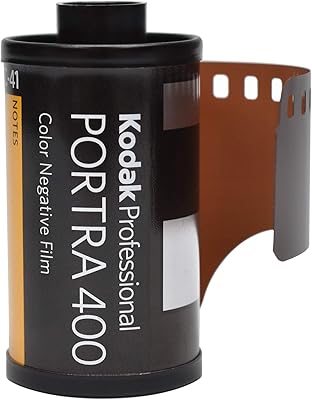
Kodak Portra 400 35mm Film 36 Exposures
83%
94%
Skin Tone Rendering
91%
Exposure Latitude
88%
Grain Structure
86%
Color Saturation & Palette
83%
Versatility Across Lighting
More
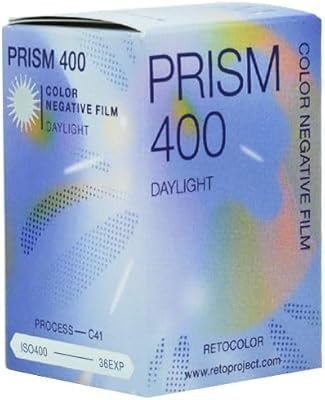
RETO RETOCOLOR Prism 400 35mm Film (36 EXP)
82%
83%
Color Rendition
88%
ISO Versatility
86%
Value for Money
94%
Lab Compatibility
91%
DX Coding Accuracy
More
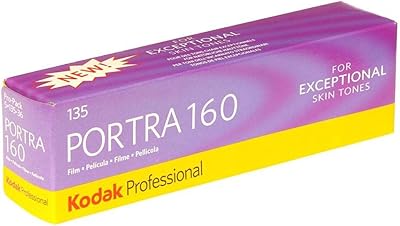
Kodak Portra 160 35mm Color Film (24 Exposures)
83%
94%
Skin Tone Rendering
92%
Grain Structure
89%
Color Accuracy
91%
Exposure Latitude
93%
Performance in Daylight
More
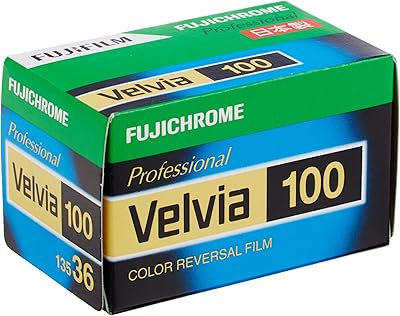
Fujifilm Fujichrome Velvia 100 35mm Slide Film
73%
96%
Color Saturation
94%
Grain & Sharpness
41%
Exposure Latitude
91%
Scan Quality
58%
Value for Money
More
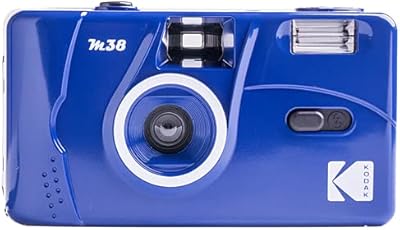
Kodak M38 35mm Film Camera
76%
93%
Ease of Use
81%
Value for Money
74%
Image Quality
78%
Flash Performance
62%
Build Quality
More
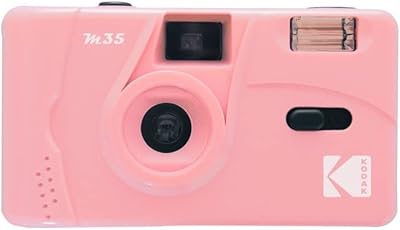
Kodak M35 35mm Reusable Film Camera
79%
93%
Ease of Use
61%
Image Quality
67%
Build Quality
88%
Value for Money
71%
Flash Performance
More
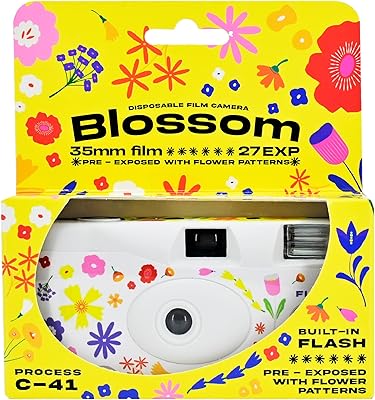
RETO Blossom 400 35mm Disposable Camera
73%
83%
Film Effect Quality
91%
Ease of Use
61%
Image Sharpness
58%
Flash Performance
69%
Value for Money
More
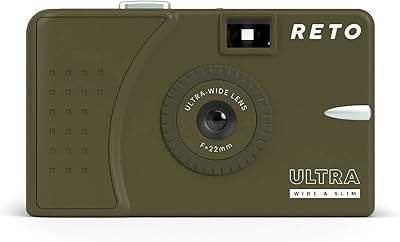
RETO Ultra Wide & Slim Film Camera
78%
94%
Ease of Use
92%
Portability & Size
71%
Lens Character & Image Quality
29%
Low-Light Performance
53%
Build Quality & Materials
More
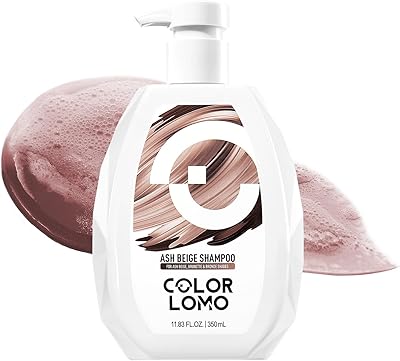
COLORLOMO Ultra Color Safe Brown Hair Shampoo

78%
83%
Color Protection
67%
Lather & Cleansing
88%
Shine Enhancement
71%
Scent Experience
79%
Texture & Application
More
Kodak Ultra Mini Pico Projector
71%
93%
Portability & Form Factor
52%
Image Brightness
47%
Native Resolution & Sharpness
91%
Portability for Travel
61%
Battery Life
More

FAQ

Almost certainly yes. The 135 format is the universal standard for 35mm cameras, so this Kodak film will load and shoot in virtually any SLR or point-and-shoot from that era without any special adjustments. Just check that your camera's light seals are still in good condition before loading.

If your camera has a DX coding reader, it will automatically detect the ISO 400 rating from the canister's barcode and adjust accordingly. On older manual cameras without DX reading, you will need to set the film speed dial to 400 yourself. Getting this right matters — shooting ISO 400 film at the wrong setting will affect your exposures noticeably.

The two films share a similar warm color character, but this 35mm roll gives you two extra stops of light sensitivity, which makes a real difference indoors or in shade. Kodak Gold 200 tends to produce slightly smoother grain at the cost of needing more light to work well. If you shoot in varied or unpredictable lighting, the ISO 400 option is the more flexible daily choice.

Yes, and that is one of its practical strengths. ISO 400 is fast enough to hand-hold shots in reasonably lit indoor spaces — think window-lit rooms or moderately bright indoor venues — without reaching for a flash. In very dim settings like candlelit restaurants, you may still see some camera shake or underexposure depending on your lens aperture.

Any lab that offers C-41 color negative processing can handle it, which includes most local camera shops, some drug store photo kiosks, and a growing number of mail-in development services. C-41 is the most widely supported film process in the world, so finding a lab is rarely a problem regardless of where you live.

At moderate scan resolutions for web use or standard prints, the grain stays in the background and most people find it part of the film look rather than a distraction. If you are scanning at very high DPI for large prints or detailed pixel-level inspection, the grain will become more visible. This is a consumer emulsion, not a fine-grain professional stock, so calibrate your expectations accordingly.

It handles sunny daylight well, though ISO 400 in full sun means you will be shooting at small apertures or fast shutter speeds to avoid overexposure. Most cameras manage this automatically. The warm color rendering tends to look especially appealing in golden hour light, giving outdoor shots a rich, natural-looking quality without any post-processing.

Under tungsten or warm indoor lighting, the already-warm color bias of this film can push skin tones and highlights into orange territory. It is not catastrophic, but if accurate color under artificial light is important to your work, using a color correction filter or simply being aware of your light source helps. For casual shooting, most people find it adds character rather than looking like an error.

Keep unused rolls in a cool, dry place away from direct sunlight and heat sources. A refrigerator works well for longer-term storage — just let the canister warm up to room temperature for about an hour before loading it into your camera to prevent condensation. Avoid leaving rolls in a hot car or near radiators, as heat degrades film faster than almost anything else.

In most cases, yes, especially when you factor in that development costs are fixed per roll regardless of how many frames are on it. Getting 36 shots developed for the same lab fee as 24 is straightforward math in favor of the longer roll. The only time a 24-exposure roll makes more sense is if you specifically want to rotate between different film stocks more frequently.