Overview

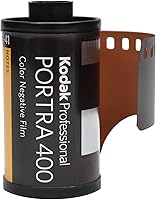
Kodak Portra 400 35mm Film 36 Exposures has earned a place as one of the most trusted color negative films in analog photography — a reputation built over decades, not marketing. Portrait and wedding photographers have leaned on it for years because it consistently delivers. The 35mm format and 36-exposure roll make it a practical choice for everyday carry, whether you're shooting a Sunday afternoon or a formal event. At ISO 400, this Kodak film handles bright afternoon light and dimmer indoor situations without demanding a flash or tripod. Expect a distinct, warm aesthetic — this is not a neutral stock, and that's precisely the point.
Features & Benefits

The headline technical trait of this 35mm emulsion is its wide exposure latitude. You can nudge exposure a stop or two in either direction and still pull back usable, often beautiful, negatives. At ISO 400, grain is surprisingly restrained — noticeably finer than many consumer stocks at the same speed. The color rendering leans warm, with accurate skin tones that hold up across different lighting conditions without going muddy or plasticky. Saturation sits at a natural level; you get richness without the punchy, artificial look of cheaper alternatives. The standard 135 cartridge fits any 35mm camera, which removes one more variable from the shooting experience.

Best For

If you shoot portraits, weddings, or events where skin tones need to look natural and flattering, this color negative stock is an easy recommendation. It's equally solid for street and travel shooting, where light shifts unpredictably and you need a film that keeps up. Shooters moving from digital often find it a comfortable starting point — the colors are warm but not garish, and the results scan well for those who edit digitally. Film beginners benefit from that forgiving latitude, which softens the learning curve around exposure. If you need one roll that works across a full day of mixed shooting conditions, this is a sensible, reliable choice.

User Feedback

The community consensus around this Kodak film is genuinely positive, with praise focusing on a few consistent points. Skin tone accuracy comes up constantly — shooters report that faces look real, not orange or washed out, even in tricky light. The grain structure also gets regular mention; for ISO 400, it reads finer than expected, which surprises people used to consumer stocks. The main criticism is straightforward: price. High-volume shooters burning through multiple rolls a week will feel the cost accumulate. Some note the warmer palette isn't ideal for every subject — architecture or product work can look slightly off. But for the shooters it targets, the consistent performance across different cameras and labs is hard to argue with.

Pros

  • Skin tones are consistently warm, accurate, and flattering across a wide range of complexions and lighting conditions.
  • Wide exposure latitude makes it genuinely forgiving — a stop over or under rarely ruins a negative.
  • Grain is finer than most ISO 400 emulsions, holding up well in large prints and high-resolution scans.
  • Natural color saturation gives images a timeless analog feel without the oversaturated look of budget consumer stocks.
  • ISO 400 speed covers bright daylight and moderate indoor light without requiring a flash.
  • Processes via standard C-41, meaning virtually any lab — local or mail-in — can handle it without special requests.
  • Compatible with every standard 35mm camera, from vintage SLRs to modern point-and-shoots.
  • Tonal range in optical prints is rich and detailed, with highlights and shadows that hold well under lab printing.
  • This Kodak film has a long track record of batch consistency, making results predictable across different cameras and labs.
  • Beginners often describe their first roll as a turning point — results are rewarding enough to build real confidence.

Cons

  • Per-roll cost accumulates quickly for casual shooters who photograph frequently without a specific purpose.
  • Underexposure is punished more harshly than overexposure — shadows can go flat and murky when light is misjudged low.
  • The warm color bias requires correction at the lab or scan stage when shooting architecture, products, or color-critical subjects.
  • Pushing beyond one stop introduces uneven grain and color inconsistency that this emulsion was not designed to handle.
  • Batch-to-batch variation, though uncommon, can subtly shift color balance in ways that matter for color-sensitive professional work.
  • Availability is less predictable than it once was, and supply tightness can drive up prices from third-party marketplace sellers.
  • Automatic mini-lab printing on default settings can make the warm palette tip orange without custom adjustments requested.
  • Not a strong choice for dedicated low-light or indoor-only shooting where a faster specialized stock would perform more reliably.
  • Buying single rolls is less economical than multi-packs, but multi-packs require storage discipline to protect from heat and humidity.
  • The film's reputation can create inflated expectations — it is excellent, but no emulsion eliminates the need to learn exposure fundamentals.

Ratings

Our AI rating system analyzed verified global buyer reviews for the Kodak Portra 400 35mm Film 36 Exposures, actively filtering out incentivized, bot-generated, and spam submissions to surface what real photographers actually experience. The scores below reflect both the genuine strengths that keep this color negative stock at the top of enthusiast wishlists and the practical pain points that matter to everyday shooters. Nothing is glossed over — where users push back, the scores and commentary reflect that honestly.

Skin Tone Rendering
94%
Portrait and wedding photographers repeatedly describe this Kodak film as the most reliable stock for capturing natural, flattering skin tones. Whether shooting fair complexions in overcast British light or deeper skin tones under harsh midday sun, reviewers note that faces look real — warm without going orange, and detailed without looking clinical.
In very mixed or fluorescent-heavy artificial light, a small number of users report a slight warmth shift that requires correction at the scanning or printing stage. It is a minor issue, but shooters working exclusively under tungsten or mixed artificial sources may find a cooler stock easier to manage straight out of the lab.
Exposure Latitude
91%
This is one of the most consistently praised traits of this 35mm emulsion. Beginners especially note that overexposing by a stop or two does not destroy the negative — shadows open up and highlights hold, which builds real confidence when you are still learning to meter. Experienced shooters also appreciate the flexibility when lighting shifts mid-shoot.
The latitude works most reliably on the overexposure side. Underexpose significantly and the shadows can go murky and grain increases noticeably, which catches newer users off guard. It is not uniquely bad in this regard compared to other ISO 400 stocks, but the forgiving reputation can create unrealistic expectations around underexposure.
Grain Structure
88%
For an ISO 400 emulsion, the grain is genuinely fine. Reviewers who scan and print large consistently note that images hold together well, with grain that adds texture rather than noise. Photographers coming from faster stocks like Kodak Tri-X or HP5 describe it as a pleasant surprise the first time they see results at 35mm.
Push the film to ISO 800 or 1600 and grain becomes more pronounced and less even — something a portion of users attempt and then note in their feedback. At box speed the grain story is strong, but this color negative stock is not engineered for aggressive pushing and the results reflect that clearly.
Color Saturation & Palette
86%
The color palette here is warm, rich, and natural without tipping into the hyper-saturated territory of cheaper consumer films like Kodak Gold or Fuji 200. Street and travel photographers describe the colors as giving their images a timeless, analog character that holds up well in both digital scans and optical prints.
The warm bias is not universally useful. Photographers shooting product work, architecture, or scenes where color accuracy is critical sometimes find the palette pulls things slightly yellow-amber in a way that needs correcting. It is a characteristic, not a flaw — but buyers expecting a neutral stock may be disappointed.
Versatility Across Lighting
83%
ISO 400 is a practical middle ground, and this Kodak film earns its reputation as a one-roll-for-the-day stock. Reviewers regularly describe loading it in the morning for outdoor street shooting and continuing into an indoor reception or dim café without feeling under-gunned. That range without switching rolls is genuinely useful.
It is not a low-light specialist. In truly dark interiors without supplemental flash, results can be underexposed and grainy, and several reviewers note that pushing to compensate introduces inconsistency. For dedicated low-light work, a faster dedicated stock remains the stronger choice.
Value for Money
63%
37%
Photographers who use this color negative stock for paid portrait or wedding work view the cost as entirely justified — the consistency means fewer reshoots and more confidence, which has real economic value. Buying in multi-pack quantities reduces the per-roll cost meaningfully, which regulars tend to do.
For casual hobby shooters burning through rolls on weekends, the price per roll accumulates fast. A notable minority of reviewers explicitly call it out as a barrier to shooting freely, and several mention switching to Kodak Gold or Fuji 400 for everyday snaps to preserve this emulsion for work that matters.
Consistency Across Labs
89%
A recurring theme among experienced reviewers is how predictably this 35mm emulsion behaves regardless of where it is processed. Shooters who travel internationally and develop at different labs — or those who mail film to various mail-in services — describe results that stay tonally consistent, which simplifies workflow and expectation-setting.
A small number of users report variation between batches purchased at different times, particularly in the warmth of the color balance. While this appears rare, it is worth noting that emulsion batches can differ subtly, and some very color-sensitive work may warrant buying from the same batch when possible.
Pushability
61%
39%
Some photographers do successfully push this Kodak film one stop to ISO 800 and get workable results, especially for indoor event coverage where the extra sensitivity helps. In the right hands with good lab communication, pushed portraits can retain a pleasing filmic character.
This emulsion is not designed as a push film, and it shows beyond one stop. Shadows block up, grain becomes distracting, and the warm color palette can shift in less predictable ways. Reviewers who compared it to dedicated push stocks like Ilford HP5 or even Fuji 800Z found it noticeably inferior when forced.
Scanning Quality
87%
Digital photographers transitioning to film consistently note how well this color negative stock responds to flatbed and dedicated film scanning. The fine grain and natural color balance make it easier to get clean, usable files without heavy post-processing, which matters a lot to the growing hybrid shooter demographic.
Very dense exposures — common when overexposing generously — can slow down scanning and occasionally clip highlight detail in the scan even when the negative retains it. This is more a scanning workflow issue than a film defect, but it comes up enough in reviews to be worth flagging.
Camera Compatibility
97%
Standard 135 cartridge format means this film loads into virtually every 35mm camera ever made — from a battered thrift-store point-and-shoot to a Nikon F3 to a modern Leica. Reviewers never mention compatibility issues, and there is nothing proprietary or fussy about the physical format.
There are no real compatibility drawbacks here. The only edge case is very old cameras with deteriorated foam seals that can cause light leaks — but that is a camera maintenance issue, not a film issue, and reviewers who raise it tend to acknowledge that distinction.
Availability & Packaging
74%
26%
The individual 36-exposure roll format is widely available from camera specialty retailers and online platforms, and the packaging is practical and protective for storage. Most reviewers report receiving rolls in good condition with healthy expiration dates when buying from reputable sellers.
Stock availability has become less predictable over recent years as film demand surged relative to supply. Some buyers note delays or price volatility when supplies tighten, and a few warn against buying from marketplace third parties where cold-storage handling cannot be guaranteed.
Print Quality
91%
Optical prints from this color negative stock — whether from a local lab or a professional printer — consistently receive strong praise. The tonal range holds up well in print, with highlights and shadows rendering naturally, and skin tones in portrait prints are regularly described as looking alive rather than flat.
The quality of the print is also tied closely to the lab doing the printing. On automatic mini-lab machines that do not allow custom adjustments, the inherent warmth of this emulsion can come out looking slightly orange on standard settings — a known issue that experienced photographers manage by requesting custom adjustments.
Learning Curve for Beginners
78%
22%
The wide latitude makes this 35mm emulsion forgiving enough for beginners to get satisfying results early, and the warm, flattering color palette tends to make first rolls look more compelling than an unforgiving stock would. Many reviewers describe their first roll as the moment analog photography clicked for them.
The price means beginners may feel pressure to not waste shots, which can paradoxically make the learning process more stressful. A few reviewers suggest starting on Kodak ColorPlus or similar budget stocks to burn through rolls freely before committing to this emulsion for serious work.

Suitable for:

The Kodak Portra 400 35mm Film 36 Exposures is the natural choice for portrait and wedding photographers who need skin tones to look accurate and flattering without heavy post-processing correction. It suits event photographers working across changing light throughout the day — a morning outdoor ceremony followed by a dim reception hall — where swapping films mid-shoot is not practical. Film beginners benefit meaningfully from its wide exposure latitude, which softens the cost of metering mistakes and makes early rolls more rewarding than a less forgiving stock would. Photographers transitioning from digital will find the warm, natural color palette familiar enough to be comfortable while still offering that distinct analog character they are chasing. Street and travel shooters who want a single versatile roll for a full day of unpredictable light will also get consistent, pleasing results from this 35mm emulsion.

Not suitable for:

Kodak Portra 400 35mm Film 36 Exposures is not the right call for high-volume casual shooters who burn through multiple rolls a week on everyday snapshots — at that pace, the per-roll cost becomes a real financial strain, and a more affordable stock like Kodak Gold or Kodak ColorPlus makes far more practical sense. Photographers who need a neutral, accurate color baseline for product photography or architectural work will likely find the warm palette a persistent correction burden rather than an asset. This color negative stock is also not suited for dedicated low-light or available-darkness shooting — it is not a push film, and forcing it past one stop above box speed produces inconsistent grain and color shifts that undermine its core strengths. Shooters expecting a universal stock that handles every subject type equally well may find its personality a limitation rather than an advantage — it was built with people and natural scenes in mind, and it shows.

Specifications

  • Film Type: Color negative (print film) designed for C-41 chemical processing at standard commercial and professional labs.
  • ISO Speed: Rated at ISO 400, providing a practical balance between sensitivity and image quality across varied lighting conditions.
  • Format: 135 cartridge format (35mm), compatible with all standard 35mm film cameras from vintage SLRs to modern compact point-and-shoots.
  • Exposures: Each roll provides 36 exposures, making it one of the longer standard roll lengths available for 35mm shooting.
  • Grain Structure: Fine grain structure for an ISO 400 emulsion, producing clean, detailed negatives that hold up well in large prints and high-resolution scans.
  • Exposure Latitude: Wide exposure latitude allows for approximately 1–2 stops of overexposure and modest underexposure while retaining usable negative detail.
  • Color Rendering: Warm color palette with accurate, flattering skin tone reproduction optimized for portrait, wedding, and natural-light photography.
  • Saturation: Natural, moderate color saturation that avoids the oversaturated look common in budget consumer film stocks.
  • Processing: Standard C-41 color process, accepted at virtually all film labs worldwide including mail-in services and local one-hour labs.
  • Manufacturer: Manufactured by Kodak, one of the longest-established photographic film producers, with this emulsion line in continuous professional use since the 1990s.
  • Item Weight: Each individual roll weighs approximately 0.8 ounces, making it practical to carry multiple rolls in a camera bag or coat pocket.
  • Dimensions: Packaged dimensions measure 4.53 x 2.48 x 1.42 inches, fitting easily into standard film pouches and storage containers.
  • Best Conditions: Performs optimally in daylight, overcast natural light, and moderate indoor ambient light; not recommended as a primary stock for very low-light or darkness-only shooting.
  • Push Processing: Can be pushed one stop to ISO 800 with acceptable results at a quality lab; pushing beyond one stop is not recommended as grain and color consistency degrade noticeably.
  • Storage Requirements: Should be stored in a cool, dry environment away from heat, humidity, and X-ray exposure; refrigeration extends usable life beyond the printed expiration date.
  • Model Number: Kodak item model number 13540036, corresponding to the standard single 135-36 roll configuration.
  • ASIN: Listed on Amazon under ASIN B0001ZVXJQ, one of the longest-running active ASINs in the photographic film category.
  • Category Rank: Consistently ranked among the top 35 titles in the Photographic Film category, reflecting sustained demand among both professional and enthusiast buyers.

Related Reviews
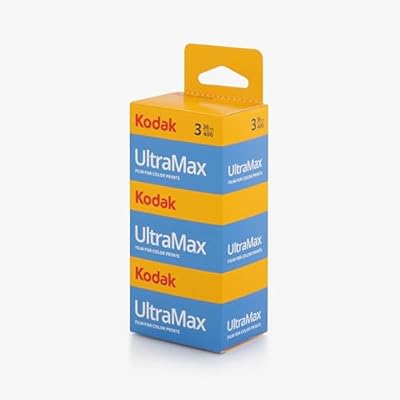
KODAK Ultra Max 400 35mm Color Film
87%
92%
Color Accuracy
88%
Grain Quality
90%
Versatility in Lighting
85%
Exposures per Roll
80%
Durability and Reliability
More
Fujifilm Fujichrome Velvia 100 35mm Film 36 Exposures
86%
95%
Color Reproduction
92%
Sharpness & Detail
94%
Outdoor Photography Performance
89%
Vividness of Colors
90%
Grain Quality
More
Kodak Portra 160 35mm Color Film (24 Exposures)
83%
94%
Skin Tone Rendering
92%
Grain Structure
89%
Color Accuracy
91%
Exposure Latitude
93%
Performance in Daylight
More
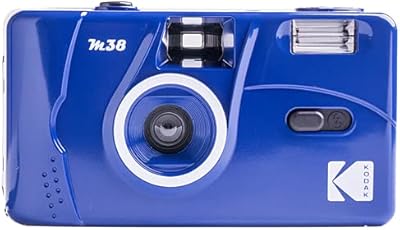
Kodak M38 35mm Film Camera
82%
89%
Ease of Use
75%
Photo Quality
91%
Portability
80%
Build Quality
78%
Low-Light Performance
More
Kodak M35 35mm Reusable Film Camera
79%
93%
Ease of Use
61%
Image Quality
67%
Build Quality
88%
Value for Money
71%
Flash Performance
More
Retocolor Blossom 400 35mm Disposable Film Camera
84%
93%
Ease of Use
85%
Image Quality
88%
Value for Money
91%
Portability
82%
Flash Performance
More
RETO RETOCOLOR Prism 400 35mm Film (36 EXP)
82%
83%
Color Rendition
88%
ISO Versatility
86%
Value for Money
94%
Lab Compatibility
91%
DX Coding Accuracy
More
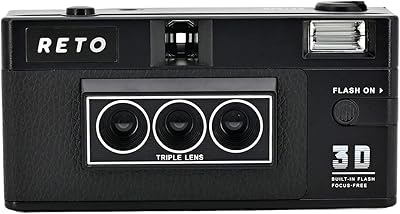
RETO Reto3D 35mm Film Camera
76%
83%
3D Wigglegram Effect Quality
88%
Ease of Use
71%
App Experience
63%
Build Quality
74%
Value for Money
More
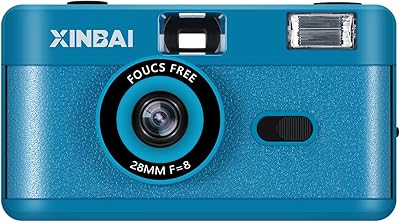
XINBAI B10 Reusable 35mm Film Camera
84%
89%
Ease of Use
72%
Image Quality
84%
Build Quality
91%
Portability/Weight
77%
Flash Performance
More
Lomography Fisheye No.2 35mm Film Camera
81%
91%
Creative Flexibility
87%
Ease of Use for Beginners
93%
Portability
80%
Build Quality
75%
Manual Control Usability
More

FAQ

Yes, genuinely. The wide exposure latitude means your early metering mistakes are less likely to produce ruined negatives, which makes learning much less frustrating. That said, it is a premium stock price-wise, so some beginners prefer to run a cheaper roll first to get comfortable loading and shooting before committing to this emulsion for anything they care about.

It depends on how much available light you have. ISO 400 gives you a real advantage over slower films, and in a well-lit room near windows or under decent ambient lighting you can absolutely get workable shots. In a dark bar or dim interior without any natural light, you will likely need to either use a flash or accept underexposed, grainier results.

Any camera that accepts standard 35mm film cartridges will work — that covers the vast majority of film cameras ever made, from vintage Pentax and Nikon SLRs to disposable cameras to modern Leicas. There is nothing proprietary about the cartridge format, so compatibility is essentially universal.

They serve different purposes. Kodak Gold 200 is slower, cheaper per roll, and better suited to bright outdoor shooting where you can count on consistent light. This color negative stock gives you more flexibility across changing conditions and delivers noticeably better skin tones and grain — but you pay for that. If you are shooting casual outdoor photos in good light, Gold 200 is perfectly fine and much easier on the wallet.

Shooting at box speed (ISO 400) is where this film performs as designed, and it is the right starting point for most shooters. Many experienced photographers deliberately overexpose by one stop — rating it at ISO 200 — to open up shadows and get slightly richer color. Underrating further than that or overrating above box speed tends to produce less predictable results and is generally not recommended without a specific creative reason.

Keep them somewhere cool and dry — a drawer away from radiators and sunlight works fine for short-term storage. If you are buying in bulk and storing rolls for several months or longer, a refrigerator in a sealed bag is ideal. Let refrigerated film come to room temperature for an hour or two before loading it into your camera to avoid condensation forming on the emulsion.

Standard carry-on X-ray machines at most airports are generally considered safe for ISO 400 film for a single pass, but repeated scanning or higher-powered checked-baggage scanners carry real risk. The safest approach when flying is to carry film in your hand luggage and request a manual inspection at security — most airports will accommodate this, though it is worth building in extra time.

A dedicated film scanner or a quality flatbed like the Epson V600 will give you the best results, capturing the fine grain and tonal range this emulsion offers. If you are relying on lab scans, ask for high-resolution files and specify that you want minimal auto-correction applied — some labs apply aggressive color and contrast adjustments by default that can flatten what makes this color negative stock look good.

You can shoot it in color and convert the scans to black and white in post — many photographers do this and get excellent results because the fine grain and wide tonal latitude translate well to monochrome. However, if black and white is your primary goal, a dedicated black and white film like Ilford HP5 Plus will give you more control and better tonal separation out of the camera.

The Kodak Portra 400 35mm Film 36 Exposures roll gives you 36 frames as standard, though many photographers find they can squeeze 37 or 38 frames out of a roll by advancing slowly at the start. In practice, 36 usable shots is what you should plan around. That is a comfortable number for a portrait session, a day of travel, or a full wedding reception.