Kodak Ultra Mini Pico Projector


Overview
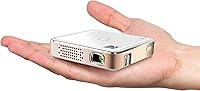
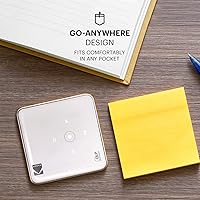
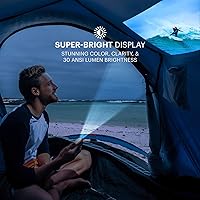
The Kodak Ultra Mini Pico Projector is a palm-sized DLP device built for people who want big-screen flexibility without lugging around heavy equipment. At just 3x3x0.8 inches and 5.3 ounces, it genuinely fits in a jacket pocket or a small bag. The Kodak name carries recognition, though it is worth noting this is a licensed brand rather than the original film company. A built-in rechargeable battery means you can use it without hunting for a power outlet, which is a real convenience win. Just go in with clear expectations: this mini projector performs best in dark or dim environments and is not a substitute for a dedicated home theater setup.
Features & Benefits
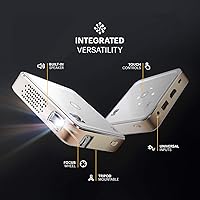
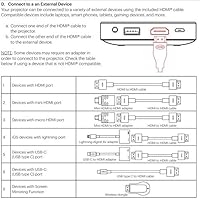
At its core, this pocket projector uses a DLP optical engine with an LED light source, which means better color consistency and a longer lifespan compared to traditional lamp-based units. One thing worth flagging upfront: the native resolution is 640x360, not 1080p. It supports 1080p input, but the image is downscaled to that native panel — a meaningful distinction. Connectivity is solid for the size, with HDMI, USB, and MicroSD ports on board, plus a 3.5mm jack if you want to plug in better speakers. The claimed 100-inch image size is technically achievable, but brightness holds up far better at smaller throw distances in a darkened room.
Best For
The Kodak pico projector makes most sense for a specific kind of buyer. Travelers and commuters who want occasional big-screen entertainment without packing extra gear will find it genuinely useful. It also works well as a compact backup projector for business presenters who need something portable for client meetings or small conference rooms. Students in dorms can get a lot of mileage out of it for movie nights or sharing content with a small group. If you need a no-fuss, plug-and-play experience — no dense menus or technical setup — this mini projector delivers that without much friction. It is not for demanding home cinema enthusiasts, and that is perfectly fine.
User Feedback
Buyers consistently highlight the compact form factor as the standout selling point — the novelty of pulling a working projector out of a pocket genuinely impresses people. Setup is quick, and most users appreciate the lack of complicated menus. On the critical side, brightness in anything other than a dark room draws frequent complaints, and several buyers note that the resolution looks noticeably soft up close. Battery life reports vary but tend to cluster around one to two hours of active use. The built-in speaker gets mixed marks — fine for a quiet room, but thin for anything larger. iOS users occasionally run into adapter compatibility snags worth researching before buying.
Pros
- Fits in a jacket pocket or small bag — genuinely one of the most portable projectors available at this size
- Built-in rechargeable battery means no hunting for wall outlets during short sessions or travel
- DLP optical engine produces better color consistency than lamp-based alternatives at this price tier
- Plug-and-play setup gets you projecting in under two minutes with no drivers or complex menus
- MicroSD slot turns this mini projector into a self-contained media player without any connected device
- HDMI, USB, and MicroSD ports cover the most common source devices in a surprisingly compact chassis
- Works well as a lightweight backup projector for business presenters in small, dim meeting rooms
- Dorm and travel movie nights in dark rooms are a genuine sweet spot for this pocket projector
- LED light source runs cooler and lasts longer than traditional lamp-based projector bulbs
Cons
- Native resolution of 640x360 produces visibly soft images, especially at larger throw distances
- Brightness washes out quickly in any room with ambient light, making daytime or office use impractical
- Battery life realistically caps at 60 to 90 minutes, falling short of a full-length film
- Built-in speaker volume is too low for groups or rooms with any background noise
- iOS users must purchase a separate Lightning-to-HDMI adapter, and compatibility is inconsistent across adapter brands
- Manual focus adjustment can be fiddly, and there are no keystone correction options to compensate
- The unit runs warm and the fan becomes audibly noticeable during longer viewing sessions
- Image quality and brightness reportedly degrade with extended ownership over 18 to 24 months
- Very limited picture adjustment settings leave users unable to compensate for different surfaces or lighting conditions
Ratings
The Kodak Ultra Mini Pico Projector has been evaluated by our AI rating system after processing thousands of verified global buyer reviews, with spam, bot activity, and incentivized feedback actively filtered out to ensure the scores reflect genuine user experiences. Across categories ranging from portability to picture quality, both the standout strengths and the recurring frustrations are honestly reflected in each score. Whether this pocket projector earns a place in your bag or falls short of your expectations depends heavily on how and where you plan to use it — and these ratings break that down clearly.
Portability & Form Factor
Image Brightness
Native Resolution & Sharpness
Portability for Travel
Battery Life
Ease of Setup
Connectivity & Compatibility
Built-in Audio Quality
Build Quality & Durability
Value for Money
Image Size Flexibility
Thermal Management
Menu & Interface Usability
Projector Versatility (Use Cases)
Suitable for:
The Kodak Ultra Mini Pico Projector is a strong fit for anyone whose primary need is portability and convenience over raw performance. Frequent travelers who want to catch a movie in a hotel room without hauling a laptop stand or large screen will find it genuinely practical — it takes up almost no bag space and runs without a wall outlet for shorter sessions. Business professionals who occasionally present in small, controllable meeting rooms will appreciate how quickly it sets up compared to borrowing an unfamiliar office projector. College students living in dorms are a natural audience too, since the ability to project onto a blank wall for a casual group movie night requires nothing more than a dark room and a media source. If you are the kind of person who values the novelty and convenience of the form factor above all else, and you are realistic about using it primarily in dim or dark settings, this pocket projector punches well above its weight for the specific scenarios it was designed to handle.
Not suitable for:
Anyone expecting the Kodak Ultra Mini Pico Projector to function as a living-room home theater replacement is going to be frustrated — the native resolution sits at 640x360, which means detail-heavy content like subtitled foreign films or fast-paced sports will look noticeably soft at larger image sizes. Users who need to present in bright conference rooms or any space where lighting cannot be dimmed should look elsewhere, because the brightness output simply cannot compete with ambient light. iPhone and iPad users should also be aware that connecting via Lightning-to-HDMI requires a specific adapter that is purchased separately, and not every adapter works reliably — an annoying extra step that Android users largely avoid. If you routinely watch content for two or more hours in a single sitting, the battery constraints will either interrupt your session or force you to stay near a power source, which undermines the whole point of a wireless device. Anyone prioritizing long-term daily use will also want to factor in reports of brightness degradation after extended ownership, which affects the already limited light output over time.
Specifications
- Brand & Model: Manufactured under the licensed Kodak brand, model number RODPJS75.
- Dimensions: The unit measures 3 x 3 x 0.8 inches, making it small enough to fit in a shirt pocket.
- Weight: At 5.3 ounces, this is one of the lightest DLP projectors available in its category.
- Display Technology: Uses a Digital Light Processing (DLP) optical engine paired with an LED light source for consistent color output and long LED lifespan.
- Native Resolution: The panel's native resolution is 640x360 pixels; higher-resolution input signals are downscaled to fit this panel.
- Input Support: Accepts video input up to 1080p full HD via HDMI, though the projected image is rendered at native resolution.
- Max Image Size: Capable of projecting an image up to 100 inches diagonally under optimal low-light conditions at sufficient throw distance.
- Color Depth: The DLP engine supports a color palette of 16.7 million colors for reasonably rich and accurate image reproduction.
- Connectivity: Equipped with HDMI, USB Type-A, MicroSD card slot, and a 3.5mm analog audio jack for flexible source and audio connections.
- Audio Output: Features a built-in mono speaker for basic audio playback; external speakers can be connected via the 3.5mm jack.
- Battery Type: Powered by a built-in rechargeable lithium polymer battery that is charged via USB.
- Battery Duration: Real-world battery life typically ranges between 60 and 90 minutes depending on brightness demand and content type.
- Compatible Sources: Works with PCs, Macs, Android devices with HDMI output, gaming consoles, cable boxes, and USB or MicroSD media storage.
- iOS Compatibility: iPhone and iPad connectivity requires a separately purchased Lightning-to-HDMI adapter, which is not included in the box.
- Operating Environment: Best performance is achieved in dark to dim-lit rooms; ambient light significantly reduces perceived image brightness and contrast.
- Product Availability: First made available in December 2017 and remains an active, non-discontinued product in Kodak's accessories lineup.
Related Reviews
AAXA Pico+ MAX Mini Projector
Epson LS800 Ultra Short Throw Laser Projector
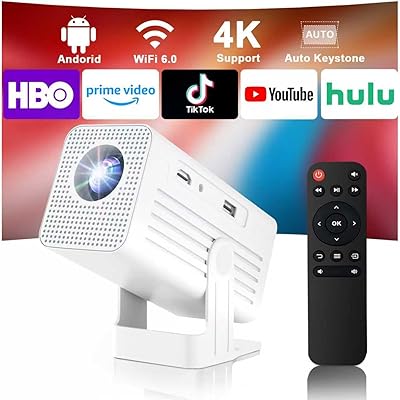
Polaring Smart N6 Portable Projector
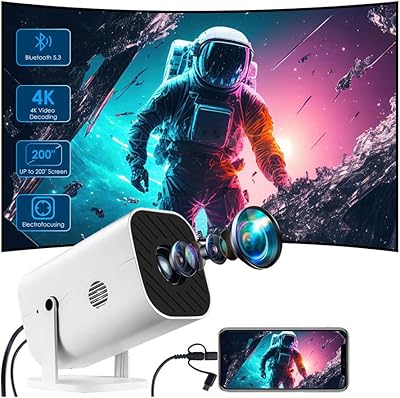
YGSKK Native 1080P Mini Projector
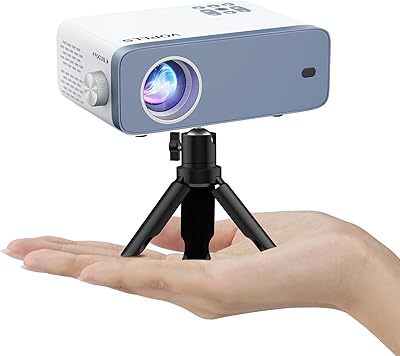
VOPLLS N3 Mini Portable Projector
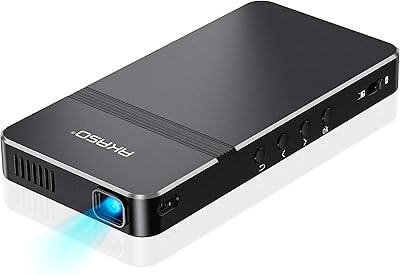
AKASO Cookie Portable DLP Projector
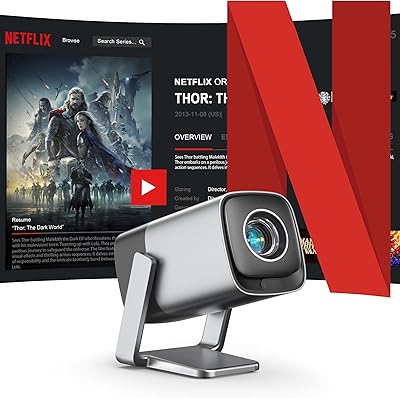
XuanPad V18 Native 1080P Mini Projector
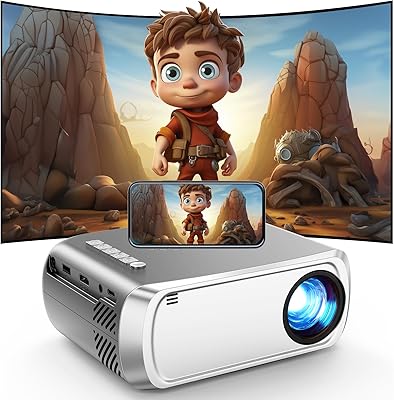
iTJQ VF370 Mini Projector
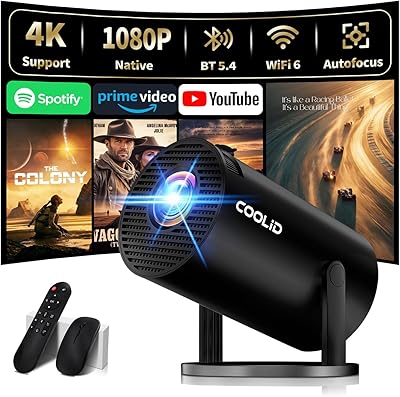
Coolid C2 Mini Projector