Overview

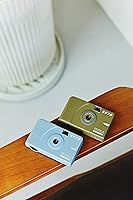
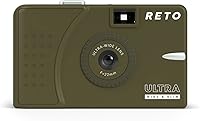
The RETO Ultra Wide & Slim Film Camera arrives at an interesting moment — analog photography is having a genuine cultural comeback, and a lot of people want in without spending hundreds on a vintage body. What makes this slim film camera stand out among the growing crowd of beginner options is its 22mm ultra-wide lens, which is unusual at this price point. Most starter cameras ship with something in the 28–35mm range; 22mm gives your shots a much more expansive, almost cinematic quality. It weighs under 70 grams and fits in a jeans pocket, making it a convincing case for true everyday carry.
Features & Benefits

The 22mm f/11 fixed lens is the headline here — focus-free from about one meter to infinity means you never have to think about adjusting anything before you shoot. The shutter fires at a fixed 1/125s, which is exactly right for bright outdoor conditions. Load it with any standard 35mm film — color negative, black and white, or slide — and you're ready. Unlike a disposable camera, this 35mm point-and-shoot is reusable, so the body cost is a one-time expense. Just keep in mind there is no flash, which means low-light shooting is essentially off the table. This is a sunshine camera, full stop.

Best For

This slim film camera works best for people just getting into analog who don't want to be overwhelmed by settings or metering. There's nothing to adjust — you load film, point, and shoot. Street photographers will appreciate how discreet and light it is; at under 70 grams, it's the kind of camera you forget you're carrying until you actually want it. Travelers make a natural fit too, especially as a secondary body when you don't want the bulk of an SLR. And as a gift for someone who's been curious about film photography, it's a hard option to argue against.

User Feedback

With over 665 ratings and a 4.0-star average, the RETO wide-angle shooter sits in solid-but-not-perfect territory, which is honestly about right. Buyers frequently mention how fun and genuinely pocketable it is, and many are surprised by the wide, characterful images the lens produces. Criticisms are consistent: the all-plastic construction feels cheap to some, the fixed shutter falls apart in dim light, and more experienced film photographers tend to find it too limiting overall. It is also worth flagging that the camera body is just the start — film, development, and scanning carry real ongoing costs that first-timers sometimes underestimate. Calibrate your expectations and you will likely enjoy it.

Pros

  • The 22mm wide-angle lens captures expansive scenes that most beginner film cameras simply cannot match.
  • Weighing under 70 grams, this slim film camera is light enough to carry every single day without noticing it.
  • Zero settings to adjust means beginners can focus entirely on composition rather than exposure math.
  • Reusable design makes it a smarter long-term buy than single-use disposables at similar price points.
  • Compatible with any standard 35mm film stock — color, black and white, or slide — giving real creative flexibility.
  • The discreet size makes it genuinely unobtrusive for candid street and travel photography.
  • Works well as a secondary analog body for photographers who already own a larger SLR or rangefinder.
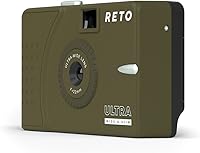
  • The Olive colorway and slim profile make it one of the more attractive-looking cameras at this price level.
  • A 4.0-star average across 665-plus verified ratings suggests consistent satisfaction among its target audience.

Cons

  • No flash and a fixed shutter make indoor and low-light shooting essentially impractical.
  • The all-plastic body feels noticeably cheap in hand and raises durability questions over extended use.
  • Image sharpness is limited, especially toward the edges — this is not a camera for detail-oriented photographers.
  • Experienced film shooters will hit the ceiling of what this 35mm point-and-shoot offers almost immediately.
  • Barrel distortion from the wide lens can make architecture and portraits look unflattering if not composed carefully.
  • Ongoing film and development costs can dwarf the camera body price over a single year of regular shooting.
  • No wrist strap attachment point makes the slim grip feel slightly precarious, especially for one-handed shooting.
  • The fixed ISO-agnostic exposure setting limits which film stocks actually work well — slower films routinely underexpose.

Ratings

The RETO Ultra Wide & Slim Film Camera has been rated across key performance categories using an AI-driven analysis of verified global buyer reviews, with spam, bot, and incentivized feedback actively filtered out before scoring. The result is a transparent, balanced picture of where this 35mm point-and-shoot genuinely delivers and where it falls short — no spin, no cherry-picking. Strengths and real pain points are both reflected in the scores below.
Ease of Use
94%
Buyers consistently describe this as the easiest film camera they have ever handled. There are no exposure dials, no focus rings, no menus — you load film, point, and press the shutter. For total beginners, that simplicity is exactly what gets them actually shooting instead of overthinking.
That same simplicity is a dead end for anyone who wants to grow. Photographers who start here and develop an interest in exposure control or manual focus will quickly find there is nothing left to learn from this camera — it is a one-trick entry point.
Portability & Size
92%
At under 70 grams and roughly the footprint of a thick credit card, this slim film camera disappears into a shirt pocket or small bag. Buyers who travel light or commute daily frequently call it the only camera they actually remember to bring with them.
The ultra-slim profile comes with a slightly awkward grip for people with larger hands. A few reviewers noted that holding it steady while shooting one-handed feels a bit precarious, and there is no wrist strap attachment to fall back on.
Lens Character & Image Quality
71%
29%
The 22mm focal length produces wide, distorted, atmospheric frames that suit street shooting and casual documentary photography well. Users drawn to lo-fi aesthetics — vignetting, edge softness, slight color shifts — find the lens output genuinely charming and social-media-friendly.
This is acrylic optics at a budget price, and technical image quality reflects that. Center sharpness is modest, corners are soft, and fine detail rendering is limited. Anyone expecting crisp, clinical results will be let down; this is a mood camera, not a precision tool.
Low-Light Performance
29%
71%
In direct sunlight or bright outdoor conditions, exposures come out consistently. The fixed 1/125s shutter is well-matched to the f/11 aperture for ISO 400 film on a clear day, so outdoor daylight shooting is reliable without any guesswork.
There is no flash, no way to adjust the shutter speed, and no way to open the aperture — once the light drops, this camera simply stops working well. Indoor shooting, evening street photography, or overcast days regularly produce underexposed, murky frames that disappoint buyers who did not read the fine print.
Build Quality & Materials
53%
47%
The camera is light and compact partly because it is built from lightweight plastic, which does make it genuinely pocketable. For careful users who treat it as a leisure item rather than a workhorse, the body holds up reasonably well over time.
The all-plastic construction is a consistent complaint among buyers. It feels noticeably inexpensive to handle, and some reviewers reported film door or winding mechanism issues after moderate use. It does not inspire confidence as a long-term investment piece.
Value for Money
78%
22%
As a reusable body with a genuinely unusual 22mm wide lens, the price-to-feature ratio is reasonable for what you get. Compared to disposable cameras that cost nearly as much per use, the one-time body cost makes practical sense for anyone who plans to shoot regularly.
The total cost of ownership climbs quickly once you factor in film rolls and lab development fees, which can easily run several times the camera cost per year. Some buyers feel the build quality does not justify even the modest asking price when those ongoing expenses are considered.
Wide-Angle Field of View
88%
The 22mm lens is a genuine differentiator in this product category. Most beginner film cameras start at 28mm or 35mm, so the extra width here captures significantly more of a scene — useful for group shots, cityscapes, cramped indoor spaces, or any situation where you cannot step back further.
The extreme wide angle produces noticeable barrel distortion, particularly near the frame edges. Portraits shot too close look unflattering, and architectural lines curve in ways that not every buyer anticipates or wants. It is a specific aesthetic that suits some uses and not others.
Film Compatibility & Versatility
82%
18%
Loading any standard 35mm cartridge — color negative, black and white, or slide film — is straightforward. Buyers appreciate not being locked into a proprietary format, and the freedom to experiment with different film stocks adds meaningful creative range to an otherwise fixed-spec camera.
The fixed exposure settings mean that film choice really matters. Slower ISOs like 100 or 200 tend to underexpose in anything but strong sunlight, so buyers who want flexibility across conditions need to plan their film choices carefully — an extra layer of consideration for true beginners.
Aesthetic & Design Appeal
86%
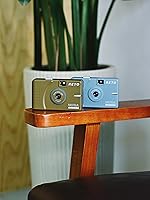
The slim profile and the Olive colorway have a quiet, considered look that buyers respond well to. It photographs well, shows up attractively in flat lays and travel shots, and feels more intentional in design than most cameras at this price point. Gift recipients seem particularly impressed on first look.
The aesthetic is largely cosmetic — the look is more polished than the underlying materials actually are. Once buyers handle it closely, the gap between visual appeal and physical construction quality becomes apparent, which can soften the initial positive impression.
Beginner Learning Curve
91%
There is essentially no learning curve here. New film photographers pick it up, read a basic guide on loading 35mm film, and they are shooting within minutes. The absence of settings to misconfigure means fewer ruined rolls during the early trial-and-error phase that discourages many beginners.
Because the camera makes every decision for you, it does not teach you anything about exposure, aperture, or shutter speed. Buyers who want a beginner camera that helps them build real photographic skills will need to move on quickly — or start with something else entirely.
Reusability vs. Disposables
83%
Unlike single-use disposables, this 35mm point-and-shoot can be reloaded indefinitely. Frequent shooters who go through two or more rolls a month will recoup the body cost fairly quickly, and there is less waste involved — a point that matters to environmentally conscious buyers.
The reusable advantage only pays off if the camera holds up mechanically over time. Given the mixed feedback on build durability, there is some real-world risk that the body fails before buyers feel they have gotten full value from it relative to just buying disposables as needed.
Street Photography Suitability
79%
21%
The small size and silent operation make this a genuinely discreet street camera. Subjects rarely notice it, which helps capture candid moments. The wide 22mm perspective naturally pulls in environmental context around subjects, which suits documentary and street styles well.
The daylight-only limitation is a significant handicap for street use, since a lot of compelling street photography happens at dusk, at night, or under artificial light. Photographers who want to shoot in cities after dark will find this camera a frustrating tool for that specific use case.
Gift Appeal
89%
Among buyers who purchased this as a gift, satisfaction rates appear high. The packaging, the Olive colorway, and the approachable format make it feel like a considered, creative present rather than an impulse buy. Recipients who are curious about film photography tend to genuinely enjoy it.
Gift givers sometimes do not flag the ongoing costs of film and development to recipients, which can lead to surprise frustration down the line. It is also not a great gift for someone who already shoots film seriously — the limitations become obvious immediately to experienced users.

Suitable for:

The RETO Ultra Wide & Slim Film Camera is a natural fit for anyone taking their first steps into analog photography who wants to start shooting immediately without buying a manual or watching tutorial videos. The zero-setting design means total beginners can load a roll of ISO 400 color negative film and get usable, characterful shots on their first outing — no exposure miscalculations, no ruined rolls from forgotten settings. Casual street photographers who prioritize carrying light will appreciate a body that weighs less than most wallets and genuinely disappears into a jacket pocket. Travelers looking for an analog companion that won't add bulk to a carry-on bag, and social media shooters chasing the wide lo-fi aesthetic that film naturally produces, will find this 35mm point-and-shoot matches their workflow well. It also makes a genuinely thoughtful gift for a creative friend who has expressed curiosity about film — the olive finish looks considered, the concept is approachable, and the price keeps the stakes low enough that it won't feel like pressure.
Not suitable for:

The RETO Ultra Wide & Slim Film Camera is the wrong tool for anyone who shoots regularly in low-light conditions — indoors, at dusk, at concerts, or on overcast city evenings — because there is no flash, no way to slow the shutter, and no way to open the aperture. The fixed 1/125s shutter at f/11 is essentially locked to bright daylight, and no amount of pushing faster film will fully compensate in dim environments. Experienced film photographers who are used to adjusting exposure, choosing between metering modes, or using manual focus will find this camera frustratingly rigid — it teaches nothing and allows nothing beyond point-and-shoot. Anyone expecting technically sharp images with clean edge-to-edge detail should look elsewhere; the two-element acrylic lens produces a lo-fi, soft result that is a deliberate aesthetic for some buyers and a dealbreaker for others. It is also worth being direct about ongoing costs: film rolls, lab development, and scanning fees accumulate quickly, so buyers on a tight budget should factor that recurring expense into the decision before purchasing the body.
Specifications

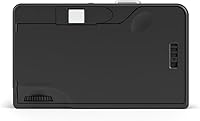
  • Film Format: Accepts standard 135 format 35mm film cartridges, producing 24x36mm frames on color negative, black and white, or slide film.
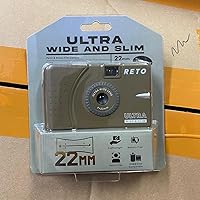
  • Lens Focal Length: Fixed 22mm wide-angle lens built from two-element optical-grade acrylic, delivering an expansive field of view with a lo-fi character.
  • Aperture: Fixed f/11 aperture with no adjustment capability, optimized for use in bright daylight conditions.
  • Shutter Speed: Single fixed shutter speed of 1/125s — there are no other modes, burst options, or long-exposure settings available.
  • Focusing System: Focus-free design covering approximately 1 meter to infinity, requiring no manual adjustment before shooting.
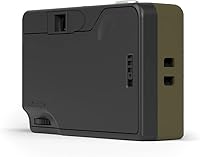
  • Dimensions: Camera body measures 100mm wide, 59mm tall, and 28mm deep, fitting comfortably in a standard jeans or shirt pocket.
  • Weight: Body weighs 68.8g (approximately 2.43 oz), making it one of the lightest reusable 35mm cameras currently available.
  • Flash: No built-in flash is included; the camera is designed exclusively for use in daylight or well-lit outdoor environments.
  • Reusability: Fully reusable body — unlike a disposable camera, it can be reloaded with fresh film cartridges indefinitely.
  • Film Compatibility: Compatible with any standard 35mm film stock including color negative (C-41), black and white, and slide (E-6) film.
  • Body Material: Constructed primarily from lightweight plastic, contributing to the low overall weight but resulting in a modest tactile feel.
  • Color Option: Available in an Olive finish, giving the body a muted, design-conscious look that stands out from typical black plastic cameras.
  • Film Included: No film is included in the box — buyers must purchase 35mm film cartridges separately before the camera can be used.
  • Model Number: Official model designation is RETOUWS, manufactured by RETO under the Ultra Wide and Slim product line.
  • Market Ranking: Ranked #3 in Point and Shoot Film Cameras on Amazon at time of listing, based on a 4.0-star average from over 665 verified ratings.

Related Reviews
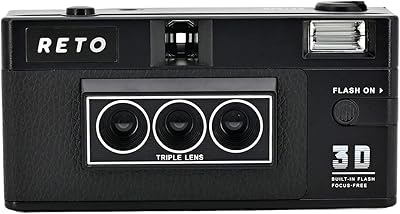
RETO Reto3D 35mm Film Camera
76%
83%
3D Wigglegram Effect Quality
88%
Ease of Use
71%
App Experience
63%
Build Quality
74%
Value for Money
More
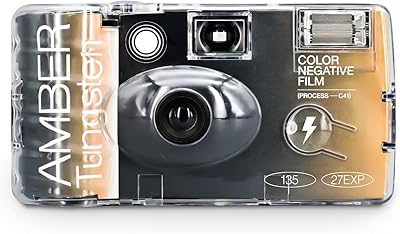
RETO Tungsten 35mm Disposable Camera
77%
83%
Photo Color & Tone
71%
Low-Light Performance
66%
Flash Effectiveness
93%
Ease of Use
74%
Build Quality & Feel
More
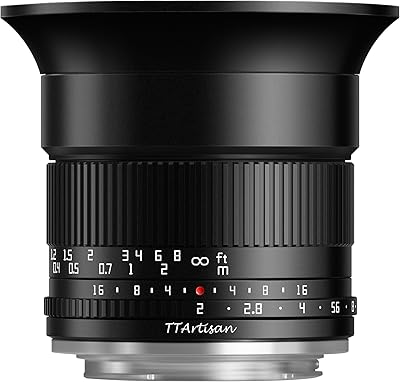
TTArtisan 10mm F2 APS-C Wide-Angle Lens
78%
78%
Optical Sharpness
84%
Aperture Performance
86%
Build Quality
91%
Value for Money
73%
Distortion Control
More
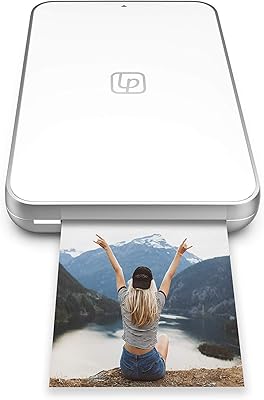
Lifeprint Ultra Slim Portable Bluetooth Photo Printer
73%
93%
Portability & Form Factor
78%
Hyperphoto Video Feature
62%
Print Quality
59%
App Experience
84%
Ease of Setup & Use
More
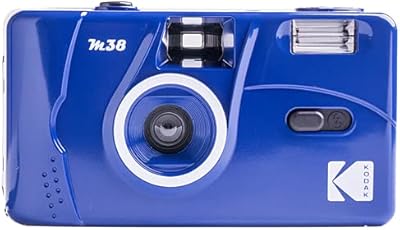
Kodak M38 35mm Film Camera
76%
93%
Ease of Use
81%
Value for Money
74%
Image Quality
78%
Flash Performance
62%
Build Quality
More
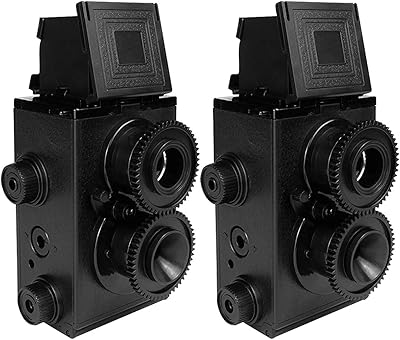
DEVMO Recesky TLR Camera Kit 2-Pack
74%
78%
Assembly Experience
44%
Instruction Clarity
81%
Value for Money
53%
Image Quality
51%
Build Quality & Durability
More
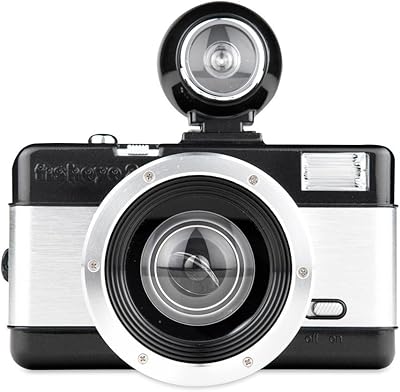
Lomography Fisheye No.2 35mm Film Camera
81%
91%
Creative Flexibility
87%
Ease of Use for Beginners
93%
Portability
80%
Build Quality
75%
Manual Control Usability
More
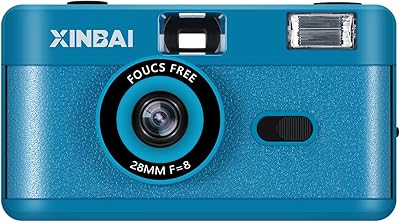
XINBAI B10 Reusable 35mm Film Camera
84%
89%
Ease of Use
72%
Image Quality
84%
Build Quality
91%
Portability/Weight
77%
Flash Performance
More
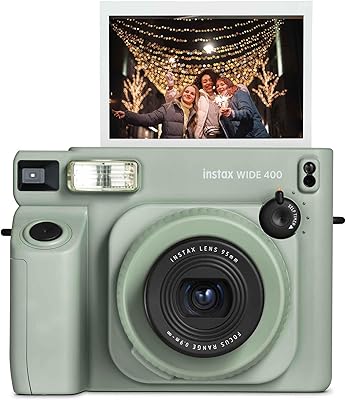
Fujifilm Instax Wide 400
80%
88%
Print Size & Quality
91%
Ease of Use
67%
Value for Money
79%
Build Quality & Durability
82%
Focus Modes & Versatility
More
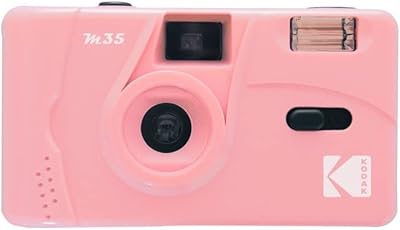
Kodak M35 35mm Reusable Film Camera
79%
93%
Ease of Use
61%
Image Quality
67%
Build Quality
88%
Value for Money
71%
Flash Performance
More

FAQ

No, film is not included in the box. You will need to buy a separate 35mm film cartridge before you can start shooting. For everyday daylight use, a 400-speed color negative film like Kodak Gold or Fujifilm Superia is a solid starting point.

Not really, and this is important to know before buying. The fixed f/11 aperture and 1/125s shutter are tuned for bright outdoor daylight, and there is no flash. In dim indoor light or after dark, your frames will likely come out significantly underexposed — this is a sunshine camera by design.

No, and that is honestly the whole appeal of this slim film camera for beginners. Focus is fixed from about one meter to infinity, so anything beyond arm's length will be in acceptable focus. Exposure is also fixed, so you simply point and press the shutter — there is nothing to configure.

ISO 400 is the sweet spot for this camera in normal daylight conditions. At ISO 400, the fixed f/11 and 1/125s settings align closely with what is called the Sunny 16 rule, meaning you will get properly exposed frames on a bright day. ISO 200 can work on very sunny days, but ISO 100 will generally underexpose unless the light is extremely strong.

It works well for daytime street shooting specifically. The small, unassuming body means you will not draw attention, the wide 22mm lens naturally captures a lot of environmental context around your subjects, and the no-fuss operation lets you react quickly. The hard limit is that it stops performing once the light fades, so evening or night street photography is not a realistic use case here.

Very wide — noticeably wider than most point-and-shoot cameras. To give you a reference, most film compacts use a 28mm or 35mm lens, and 22mm gives you a significantly broader view than either. You will capture more of a scene than you expect, which is great for group shots, landscapes, and tight urban environments where you cannot step back further.

It is fully reusable. Once you finish a roll of film, you can take it to a lab for development and then reload a fresh cartridge. There is no limit on how many times you can reload it, which is one of the practical advantages over single-use disposable cameras.

Most cities have at least one local photo lab that handles 35mm color negative film, which is the most common and easiest to develop. You can also mail film to online labs, which is a convenient option if there is no lab near you. Development, and optionally scanning to digital files, will typically run you a fee per roll — budget for that cost on top of the film itself.

Yes, some barrel distortion is visible, particularly toward the edges of the frame. Straight horizontal or vertical lines near the edges — like building facades or doorframes — will curve slightly. Most buyers find it adds to the character of the shots rather than being a problem, but if you are planning to shoot architecture or formal portraits where geometric accuracy matters, it is something to be aware of.

It is actually one of the better options for that scenario. The 35mm point-and-shoot is straightforward enough that a complete beginner can figure it out in a few minutes, the design looks intentional and appealing, and the accessible price means there is no pressure on the recipient. Just make sure to mention that they will need to buy film separately and pay for lab development — that context helps set expectations from the start.

Where to Buy

Film Developing Co
In stock $25.49
Bergen County Camera
In stock $29.99
The Camera Company
In stock $29.99
Blue Moon Camera and Machine
In stock $29.99
Film Photography Project
In stock $29.99