Overview

Kodak Portra 160 35mm Color Film (24 Exposures) has been a go-to choice for portrait and wedding photographers for decades, and its reputation has only solidified over time. Within the Portra family, it sits at the slower end — beneath the 400 and 800 speed variants — making it purpose-built for bright daylight conditions rather than dimly lit venues. The 24-exposure format encourages more deliberate, thoughtful framing compared to 36-exposure rolls. Among both working professionals and weekend enthusiasts, this Kodak film has earned a standing that consumer-grade color films simply don't command — and its premium pricing reflects exactly that.
Features & Benefits

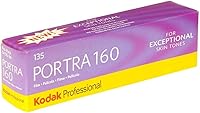
At ISO 160, the Portra 160 asks for decent light — sunny days, open shade, or a reliable strobe — but rewards you handsomely in return. The T-Grain emulsion Kodak uses here produces an incredibly fine, almost imperceptible grain structure, which means scans and large prints come out with a smoothness that faster films struggle to match. Colors skew toward accuracy over drama: skin tones in particular look like actual skin, without the orange push or chalky pallor you sometimes get from cheaper emulsions. Contrast is deliberately kept low, preserving detail in both bright highlights and deep shadows — a real advantage when shooting under harsh midday sun or near bright windows.

Best For

This 35mm color film is the natural pick for portrait, wedding, and fashion photographers who do most of their shooting outdoors or under controlled studio lighting. If skin tone accuracy matters more to you than the ability to shoot in low light, the Portra 160 is hard to argue against. Shooters who scan negatives will especially appreciate the fine grain — it gives post-processing more room to breathe. Photographers moving over from digital will find the color rendering approachable rather than stylized. One honest caveat: if you regularly shoot indoors without flash or in fast-fading golden-hour light, a faster film speed like Portra 400 is probably the smarter call.

User Feedback

Across a broad range of buyer reviews, skin tone rendering and smooth color transitions come up repeatedly as the standout strengths of this Kodak film. Many photographers note that it handles slight overexposure gracefully — push it a stop and results still hold up well. On the critical side, some users feel the lower contrast can make images look a touch flat compared to Portra 400, particularly in scenes that could use more punch. Value is a recurring talking point: single-roll buyers find the per-roll cost stings, while bulk buyers feel it is more reasonable. A handful of reviewers have flagged concerns about freshness and packaging when ordering from third-party sellers, making trusted storefronts worth prioritizing.

Pros

  • Skin tones render with exceptional accuracy across a wide range of complexions and lighting conditions.
  • Overexposing by one stop is widely recommended and produces reliably beautiful, luminous results.
  • Extremely fine grain holds up beautifully in large prints and aggressive crops during scanning.
  • Color transitions are smooth and natural — no jarring shifts between highlights and mid-tones.
  • Predictable, consistent behavior across multiple rolls makes it a dependable choice for professional shoots.
  • Performs well under mixed outdoor lighting without requiring heavy color correction at the editing stage.
  • The forgiving exposure latitude makes it a practical choice for film photographers still refining their technique.
  • Bulk purchasing significantly improves the per-roll value for photographers who shoot it regularly.

Cons

  • ISO 160 is too slow for indoor shooting without a flash or strong artificial light source.
  • Single-roll pricing is steep, making mistakes during the learning phase genuinely costly.
  • The low-contrast output can look flat straight from the scanner without intentional post-processing adjustments.
  • Third-party sellers frequently ship rolls with short remaining shelf life or questionable storage history.
  • Underexposure — even by half a stop — causes shadow detail to deteriorate noticeably and quickly.
  • Not a practical choice for fast-moving subjects or unpredictable shooting environments that demand versatility.
  • Photographers who prefer bold, saturated color will find the naturalistic palette underwhelming without editing.
  • The 24-exposure count per roll means more frequent reloading during longer or busier shooting sessions.

Ratings

The scores below reflect our AI-driven analysis of verified buyer reviews for Kodak Portra 160 35mm Color Film (24 Exposures), sourced globally and filtered to remove incentivized, bot-generated, and spam submissions. The Portra 160 has accumulated a substantial body of real-world feedback from professional photographers, dedicated hobbyists, and film newcomers alike. Both its well-documented strengths and its genuine limitations are represented transparently in every category scored here.

Skin Tone Rendering
94%
Among portrait and wedding photographers, the skin tone accuracy of this Kodak film is consistently cited as its single greatest asset. Whether shooting fair complexions in overcast English light or deeper skin tones under harsh Mediterranean sun, reviewers repeatedly note that results look natural without any post-scan correction needed.
A small number of users shooting under heavy tungsten or mixed fluorescent lighting felt the skin tones drifted slightly warmer than expected. This is a minor edge case, but it is worth noting for photographers who regularly work in uncontrolled indoor environments without gels or flash.
Grain Structure
92%
The fine grain is one of the most praised technical qualities of the Portra 160, especially among photographers who enlarge prints beyond 8x10 or crop heavily during scanning. Many describe the grain as nearly invisible at standard viewing distances, which gives images a clean, almost medium-format-like quality.
At box speed in lower light conditions — think heavily shaded outdoor scenes or late golden hour — a few reviewers noted grain became more visible than expected. Pushing the film even a single stop tends to amplify this, so it is not a flexible film when light drops.
Color Accuracy
89%
Reviewers consistently describe the color palette as honest and lifelike rather than stylized or saturated. Fashion photographers in particular appreciate that fabrics and product tones reproduce faithfully, reducing the time spent correcting color shifts during scanning or darkroom printing.
The low-contrast, naturalistic color rendering can feel underwhelming to photographers who prefer the punchy, saturated look of films like Fuji Velvia or even Kodak Ektar. For editorial work that demands visual drama, the Portra 160 may require contrast boosts in post.
Exposure Latitude
91%
One of the most frequently mentioned real-world advantages is how forgiving this 35mm color film is when slightly overexposed. Wedding photographers shooting in bright mixed light often overexpose by a stop or two deliberately, and reviewers confirm that highlight retention and color fidelity hold up remarkably well under those conditions.
Underexposure is a different story — shadows block up faster than many users expect, and images underexposed by even half a stop can lose shadow detail noticeably. In rapidly changing light situations, the bias should always be toward overexposure rather than under.
Performance in Daylight
93%
In direct sunlight, open shade, or bright overcast conditions, the Portra 160 genuinely excels. Outdoor portrait sessions on sunny afternoons produce images with smooth tonal gradations and no blown-out highlights, which is a consistent theme across hundreds of positive reviews from outdoor and lifestyle photographers.
Its strength in bright conditions is also its primary constraint. Once the sun dips or the venue moves indoors without artificial light, ISO 160 becomes a liability. Several reviewers wished they had loaded Portra 400 instead for late-afternoon outdoor shoots that ran past golden hour.
Studio and Strobe Compatibility
83%
Photographers using controlled studio strobes report excellent results with this Kodak film, particularly for beauty and fashion work where fine grain and accurate color rendering matter most. The predictable response to consistent artificial light makes it easier to achieve repeatable results across a full session.
With smaller or less powerful strobes — typical of home studios or entry-level portable flash systems — achieving consistent exposure at ISO 160 can require more power than some setups can comfortably deliver. Users with modest studio equipment tend to find Portra 400 a more practical choice.
Scanning Quality
88%
Photographers who scan their own negatives, whether using flatbed scanners or dedicated film scanners, consistently report that the fine grain structure gives them more flexibility during editing. Images hold up well when pushed in terms of brightness or local contrast adjustments without the grain becoming distracting.
A few users noted that the low native contrast of the Portra 160 requires more intentional scanning settings compared to higher-contrast films. Out-of-the-box scans can look flat if the scanner profile is not adjusted, which may frustrate beginners who expect vibrant results straight from the scanner.
Value for Money
61%
39%
Buyers who purchase in bulk — typically five-roll or ten-roll packs — generally feel the per-roll cost is reasonable given the professional-grade results. For photographers who shoot it regularly and know exactly what they are getting, the price point is considered justified by the consistent output quality.
Single-roll buyers frequently flag the cost as a genuine sticking point, especially when compared to consumer films available at a fraction of the price. For casual shooters or beginners still learning exposure fundamentals, spending this much per roll on a slow, light-hungry film is hard to defend.
Freshness and Packaging Reliability
67%
33%
When purchased directly from reputable camera retailers or established marketplaces, the Portra 160 typically arrives well within its expiration date and with packaging intact. Most buyers who purchased from trusted storefronts reported no issues with film condition or canister integrity.
A recurring thread in negative reviews involves third-party sellers shipping rolls that are close to or past their expiration date, or arriving with damaged packaging. The freshness issue is not a product flaw per se, but it is a real risk that buyers should account for when choosing where to purchase.
Versatility Across Lighting Conditions
72%
28%
For photographers who primarily work outdoors or in well-lit studios, this 35mm color film covers a wide enough range of conditions to be a reliable primary choice throughout a full shooting season. Mixed outdoor lighting — part sun, part shade — is handled with less color shift than many comparable films.
As a low-ISO film, its versatility hits a hard ceiling the moment available light becomes limited. Compared to Portra 400 or 800, the Portra 160 demands more deliberate planning around lighting conditions, making it less suitable as a single all-purpose roll for photographers shooting varied environments in one day.
Large Print Performance
91%
Photographers who print at larger formats — 11x14 and beyond — are among the most enthusiastic advocates of this Kodak film. The T-Grain emulsion holds fine detail at significant enlargement levels, and tonal gradations in skin and sky remain smooth rather than breaking into visible grain clusters.
The low-contrast rendering that benefits large prints in controlled conditions can occasionally produce prints that look slightly soft when displayed under flat gallery lighting. Some photographers address this by adding a touch of contrast during the printing process, though it does add a step to an otherwise straightforward workflow.
Ease of Use for Film Beginners
76%
24%
Newcomers to film photography often single out the Portra 160 as an approachable first serious film, citing its forgiving overexposure latitude and natural color palette as qualities that make early results feel rewarding. The predictable behavior in good light builds confidence quickly.
The ISO 160 speed requirement is a genuine learning hurdle for beginners who are not yet comfortable reading light. Indoors without flash, underexposed frames are a common early mistake, and wasting rolls of a premium film while still developing exposure intuition adds up financially.
Mixed Lighting Handling
78%
22%
Multiple reviewers who shot events with mixed ambient and window light — think bright side-lit wedding receptions or sunlit-room portraits — found the Portra 160 handled the transitions between light sources more gracefully than expected, requiring minimal color correction during scanning.
Under heavy mixed artificial lighting — fluorescent overhead combined with tungsten practicals, for instance — some color casting does occur. It is less pronounced than on slide film, but photographers shooting events with unpredictable or layered artificial light sources may still find themselves correcting color more than they would like.
Consistency Across Rolls
86%
Photographers who shoot the Portra 160 in volume — wedding shooters going through multiple rolls in a single day — frequently praise the batch-to-batch consistency of results. Exposure settings that work on roll one tend to produce nearly identical results on rolls five and six, which is critical for professional use.
A small subset of reviewers, primarily those purchasing from mixed sources over time, noted occasional variation in color rendering between batches — possibly tied to differences in storage or age of stock. Buying from a single trusted source in larger quantities tends to minimize this concern.

Suitable for:

Kodak Portra 160 35mm Color Film (24 Exposures) is the right choice for photographers who spend most of their time shooting in good light and want their images to look accurate rather than stylized. Portrait and wedding photographers working outdoor ceremonies, garden sessions, or sunlit reception venues will get the most out of it — the skin tone rendering alone justifies the cost for anyone whose work depends on flattering, natural-looking people shots. Fashion and beauty photographers shooting with studio strobes will also find it a reliable partner, since the fine grain and color fidelity hold up well under controlled artificial light. Dedicated film shooters who scan their negatives regularly will appreciate how cleanly the emulsion responds to post-scan editing, giving them room to adjust contrast and brightness without the grain becoming distracting. And for photographers moving over from digital who want a film that does not punish minor exposure missteps, the forgiving overexposure latitude makes the learning curve considerably less frustrating.
Not suitable for:

If your shooting style takes you regularly into low-light environments — indoor events without flash, dimly lit bars, candlelit receptions, or fast-fading dusk sessions — the Portra 160 is genuinely not the right tool, and you will end up frustrated with underexposed, flat results. Street photographers who need to react quickly to unpredictable lighting across a wide range of conditions will find the ISO 160 speed far too limiting to be a practical everyday carry. Budget-conscious casual shooters who are still developing their exposure instincts may also want to think twice before committing to this 35mm color film at its price point — wasting rolls while learning to read light gets expensive quickly. Those who prefer a high-contrast, punchy visual style will find the naturally low-contrast rendering requires consistent post-processing work to achieve the look they want. And anyone planning to buy single rolls from third-party marketplace sellers should proceed carefully, given the recurring complaints about near-expired stock and inconsistent storage conditions.

Specifications

  • Film Format: Standard 135 cartridge format, compatible with all 35mm film cameras.
  • ISO Speed: Rated at ISO 160, optimized for use in bright daylight and controlled studio lighting environments.
  • Exposures per Roll: Each roll provides 24 exposures, slightly fewer than the 36-exposure variant of the same film.
  • Film Type: Color negative (C-41 process) print film, compatible with standard lab and home development chemistry.
  • Grain Structure: Extremely fine grain achieved through Kodak T-Grain emulsion technology, supporting large-format enlargements and detailed scans.
  • Contrast Level: Low native contrast, designed to preserve detail across both bright highlights and deep shadow areas simultaneously.
  • Skin Tone Rendering: Engineered for natural, accurate skin tone reproduction across a wide range of complexions with minimal color correction required.
  • Emulsion Technology: Kodak T-Grain tabular crystal emulsion structure, contributing to improved sharpness and finer grain compared to conventional round-crystal emulsions.
  • Mixed Lighting: Performs reliably under mixed lighting conditions, including combined daylight and artificial sources, with reduced color shift.
  • Dimensions: Canister measures approximately 7.38 x 1.5 x 2.13 inches in packaged form.
  • Item Weight: Packaged roll weighs approximately 1.06 ounces.
  • Processing: Requires standard C-41 color negative processing, available at most professional and consumer photo labs worldwide.
  • Manufacturer: Produced by Kodak and distributed by JK Imaging Ltd.
  • Discontinuation Status: Currently active and in production; not discontinued by the manufacturer as of the latest available information.
  • Target Conditions: Designed for primary use in daylight, open shade, and studio strobe environments rather than low-light or available-light indoor settings.
  • Color Balance: Daylight-balanced emulsion, calibrated for use in natural daylight or strobe flash without color correction filters.
  • Storage Recommendation: Best stored refrigerated or in a cool, dry environment and shot before the printed expiration date for optimal results.
  • Overexposure Latitude: Widely recognized for forgiving overexposure handling, retaining color fidelity and highlight detail when exposed one to two stops over box speed.

Related Reviews
Kodak Portra 400 35mm Film 36 Exposures
83%
94%
Skin Tone Rendering
91%
Exposure Latitude
88%
Grain Structure
86%
Color Saturation & Palette
83%
Versatility Across Lighting
More
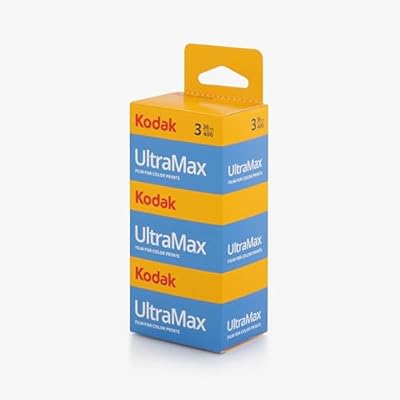
KODAK Ultra Max 400 35mm Color Film
87%
92%
Color Accuracy
88%
Grain Quality
90%
Versatility in Lighting
85%
Exposures per Roll
80%
Durability and Reliability
More
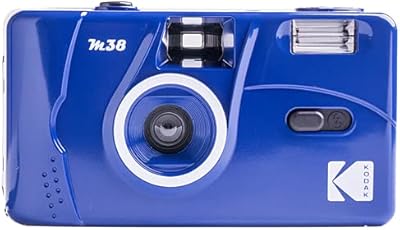
Kodak M38 35mm Film Camera
82%
89%
Ease of Use
75%
Photo Quality
91%
Portability
80%
Build Quality
78%
Low-Light Performance
More
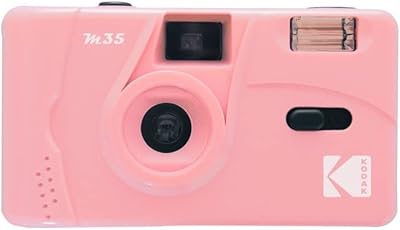
Kodak M35 35mm Reusable Film Camera
79%
93%
Ease of Use
61%
Image Quality
67%
Build Quality
88%
Value for Money
71%
Flash Performance
More
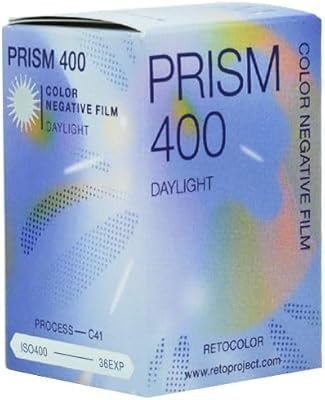
RETO RETOCOLOR Prism 400 35mm Film (36 EXP)
82%
83%
Color Rendition
88%
ISO Versatility
86%
Value for Money
94%
Lab Compatibility
91%
DX Coding Accuracy
More
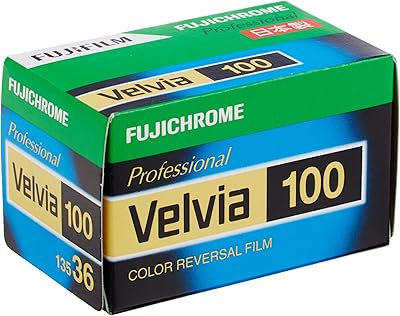
Fujifilm Fujichrome Velvia 100 35mm Film 36 Exposures
86%
95%
Color Reproduction
92%
Sharpness & Detail
94%
Outdoor Photography Performance
89%
Vividness of Colors
90%
Grain Quality
More
Schwarzkopf Color Ultime Permanent Hair Color Cream, 5.24 Cinnamon Brown
85%
92%
Color Intensity & Vibrancy
89%
Shine & Gloss
90%
Fade Resistance & Longevity
85%
Ease of Application
80%
Hair Condition After Use
More
Lomography Fisheye No.2 35mm Film Camera
81%
91%
Creative Flexibility
87%
Ease of Use for Beginners
93%
Portability
80%
Build Quality
75%
Manual Control Usability
More
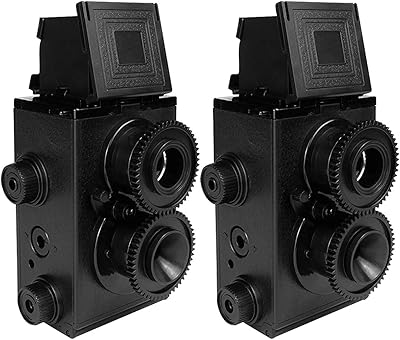
DEVMO 35mm Film TLR Camera Kit
81%
89%
DIY Assembly Experience
75%
Build Quality
68%
Manual Controls Usability
92%
Aesthetic Appeal
74%
Learning Curve
More
RETO Reto3D 35mm Film Camera
76%
83%
3D Wigglegram Effect Quality
88%
Ease of Use
71%
App Experience
63%
Build Quality
74%
Value for Money
More

FAQ

It sits comfortably in both camps. The natural color palette and forgiving overexposure latitude make it approachable for photographers moving from digital, but the premium grain structure and skin tone accuracy are exactly what working professionals reach for on paid portrait and wedding jobs. The main beginner caveat is the ISO 160 speed — you need decent light to get clean results.

The core difference is light sensitivity. Portra 400 handles a much wider range of lighting conditions, including dimmer indoor settings and faster-moving subjects. The Portra 160 rewards you with slightly finer grain and marginally smoother color gradations, but only when light is plentiful. If you shoot mostly outdoors in good light or in a studio with strobes, the 160 is the stronger technical choice. If you need one film for everything, Portra 400 is more practical day to day.

Technically yes, but it is genuinely difficult. At ISO 160, indoor shooting without flash typically requires a very wide aperture and a slow shutter speed, which can result in motion blur and camera shake unless you are working on a tripod with a still subject. Most photographers who want to shoot indoors without flash opt for Portra 400 or 800 instead.

Yes, and this is one of the most consistently reported real-world observations from photographers who shoot it regularly. Exposing one stop over box speed is a common deliberate technique, particularly for wedding and portrait work, because it produces slightly brighter, softer-looking skin tones. Two stops over is generally still recoverable. Underexposure, on the other hand, is much less forgiving — shadow detail drops off quickly.

The Portra 160 uses the standard C-41 color negative process, which is the same chemistry used for virtually all color print films. Most local photo labs and many online mail-in labs process C-41 routinely. Home development is entirely possible using C-41 kits, though temperature control is more critical than with black-and-white chemistry, so it requires a bit more precision.

Before shooting, store it in a cool, dry place away from heat and direct light — a refrigerator works well for longer-term storage. Let it return to room temperature for about an hour before loading it into your camera. After shooting, try to have exposed rolls developed within a few weeks if possible, and avoid leaving them in a hot car or bag in direct sun, as heat degrades the latent image over time.

Yes, the Portra 160 is also available in a 36-exposure version, so if you find 24 feels limiting during longer shoots, it is worth looking for the 36-exposure rolls. The 24-exposure format is simply a different packaging option — the film itself is identical.

It is one of the better films for scanning, largely because the fine grain gives your scanning software less noise to deal with and more genuine detail to resolve. The low native contrast does mean that out-of-the-box scans can look a little flat, so you may want to apply a slight contrast curve during or after scanning. Once that is dialed in, the scans are detailed and very clean.

It can be, but this is an area where buyer caution is warranted. A recurring issue in community feedback involves third-party sellers shipping rolls with very short remaining shelf life or film that has been stored in suboptimal conditions. Whenever possible, buy from established camera retailers or directly from reputable sources where storage history is more reliable.

For outdoor daytime ceremonies and well-lit venues, the Portra 160 is genuinely excellent for wedding work — the skin tone accuracy and fine grain are qualities many wedding photographers specifically seek out. That said, most working wedding photographers carry a second faster film like Portra 400 for receptions, indoor ceremonies with mixed lighting, or any situation where light levels drop significantly during the day.