Overview

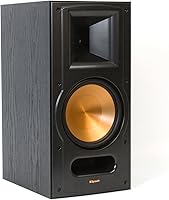
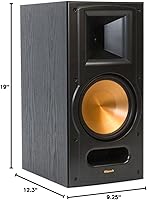
The Klipsch RB-81 II is a serious bookshelf speaker from the company's Reference Series, built for audio enthusiasts who want real performance without stepping into floorstanding territory. One thing to know upfront: it ships as a single unit, so you'll need to buy two for a stereo pair. That's not a knock — just something that catches buyers off guard. Physically, this speaker is substantial. At nearly 19 inches tall and over 27 pounds, it demands dedicated stand or shelf space. It has been in production since 2010, and the fact that it still holds its own says something about the underlying design.

Features & Benefits

The engineering centers on two drivers that work in tandem. The 8-inch Cerametallic woofer produces bass that's tight and extended for a bookshelf design — you get genuine low-end reach down to 44 Hz, which handles most music and film content without immediately reaching for a subwoofer. Paired with it is a 1-inch titanium tweeter mounted behind a Tractrix horn, which controls high-frequency dispersion and keeps the sound detailed without turning harsh over long listening sessions. With a high sensitivity rating and 8-ohm impedance, this Reference Series speaker doesn't demand a powerful amp — a modest AV receiver drives it confidently, which matters when building a full system on a budget.

Best For

This Klipsch bookshelf speaker makes the most sense for someone building a home theater or two-channel music system where floor space is limited but sonic ambition isn't. It fits naturally into a 2.0 stereo setup or as the front left and right channels in a 5.1 or 7.1 surround configuration. The horn-loaded character of the sound — dynamic, punchy, with a wide soundstage — appeals most to listeners who find flat, analytical speakers dull. That said, a medium to large room suits it better than a small bedroom; it was designed to fill space. If you already own a decent receiver and want a meaningful upgrade, the RB-81 II represents a solid, long-term investment.

User Feedback

Owners of this Reference Series speaker are generally vocal in their praise, particularly around how loud and dynamic it plays without straining the amplifier. The 4.6-out-of-5 rating across over 250 reviews reflects lasting satisfaction, not just initial excitement. On the flip side, the horn tweeter draws the most mixed reactions — listeners with bright-sounding sources or poorly mastered recordings sometimes find the high frequencies a bit forward. Cabinet size is another recurring topic; several buyers were surprised by how physically imposing it is in person. A handful also flag the single-unit packaging as unexpected. Pairing with a warm-sounding amplifier comes up repeatedly as the key to getting the best tonal balance.

Pros

  • Plays loud and dynamic with modest amplifier power thanks to exceptional sensitivity.
  • The 8-inch Cerametallic woofer delivers genuine bass extension rare in bookshelf speakers.
  • Works with virtually any standard AV receiver due to the friendly 8-ohm impedance.
  • Horn-loaded tweeter spreads high frequencies across the room without artificial brightness.
  • Strong long-term owner satisfaction — over 250 verified reviews average 4.6 out of 5.
  • Handles both music and home theater equally well without compromise.
  • Frequency response down to 44 Hz reduces immediate reliance on a separate subwoofer.
  • Solid cabinet construction minimizes unwanted resonance even at high output levels.
  • The Klipsch RB-81 II has held its competitive position since 2010 — a sign of lasting design integrity.
  • Binding post terminals accept bare wire and banana plugs for clean, flexible installation.

Cons

  • Sold as a single unit — buying a stereo pair costs double what the listing price suggests.
  • The horn tweeter character can sound harsh with compressed or poorly recorded audio sources.
  • Cabinet size is significantly larger than most buyers expect from a bookshelf speaker category.
  • At over 27 pounds per unit, placing and repositioning the speaker solo is genuinely awkward.
  • Bright amplifier pairings amplify treble forwardness rather than smoothing it out.
  • Sub-bass below 44 Hz is absent, so a subwoofer remains necessary for serious home theater use.
  • The black vinyl cabinet finish shows wear and scuffs more readily than premium wood veneer alternatives.
  • Buyers in small or acoustically reflective rooms may struggle to get balanced, controlled sound.
  • No wireless connectivity — fully wired only, which limits placement flexibility in modern setups.
  • Grille fabric attracts dust visibly and the attachment mechanism feels basic for the price tier.

Ratings

The Klipsch RB-81 II has been scored by our AI system after analyzing verified owner reviews from global marketplaces, with spam, bot-generated, and incentivized submissions actively filtered out. The result is a transparent, balanced picture of where this Reference Series speaker genuinely excels and where real buyers have run into frustrations. Both the standout strengths and the recurring pain points are reflected directly in the scores below.

Sound Dynamics & Punch
93%
This is where the RB-81 II earns its reputation. Owners describe a sense of immediacy and energy in the sound that most bookshelf speakers simply cannot match — kick drums hit with authority, film scores open up with real scale, and the horn-loaded design pushes sound across the room without effort.
That same dynamism can feel aggressive on compressed pop recordings or poorly mastered streaming audio. A handful of listeners find the presentation too forward for long background listening sessions, particularly at higher volumes in reflective rooms.
High-Frequency Clarity
81%
19%
The titanium tweeter with its Linear Travel Suspension horn delivers crisp, well-extended highs that reveal detail in acoustic instruments and film dialogue alike. Most owners appreciate the articulation and find it fatigue-free during normal listening.
The horn character is polarizing. Listeners coming from soft-dome tweeters often describe the top end as brighter than expected, and pairing with a forward-sounding amplifier or bright source components can push it into uncomfortable territory.
Bass Performance
84%
For a bookshelf design, the bass reach is genuinely impressive. The 8-inch Cerametallic woofer handles the lower registers of jazz, rock, and cinematic content with control and extension that removes the need for a subwoofer in smaller to medium rooms.
Below 44 Hz the driver rolls off, so action film LFE effects and pipe organ recordings expose the limits. Buyers setting up a dedicated home theater should still budget for a subwoofer to cover the lowest octave properly.
Sensitivity & Amplifier Compatibility
96%
The efficiency of this Reference Series speaker is one of its most practical advantages. Budget AV receivers in the 50–80 watts per channel range drive it to room-filling levels without strain, making it an excellent anchor for a full surround system without demanding a high-end amplifier.
There is almost nothing negative to say here, which is why the score is near the top. The only caveat is that very high sensitivity can expose background hiss from noisy amplifier stages, which a small minority of users in quiet rooms have noticed at low volumes.
Build Quality
78%
22%
The cabinet feels solid and the binding post terminals accept both bare wire and banana plugs cleanly. At nearly 28 pounds per unit, the sheer mass communicates that this is not a budget construction — the enclosure is braced and resistant to resonance.
The black wood grain vinyl finish, while tidy, is clearly not the premium veneer found on higher-tier speakers. A few owners have noted the cabinet corners are susceptible to edge nicks if handled carelessly, and there is no premium feel to the grille attachment.
Value for Money
82%
18%
For the level of acoustic performance delivered — particularly the sensitivity, bass extension, and dynamic range — the asking price sits in a range that is difficult to beat within the Reference bookshelf category. Long-term owners consistently report that the speakers have aged well and still compete with newer designs.
The single-unit packaging means buyers must double the investment for a stereo pair, which changes the value equation significantly. Some shoppers feel that the overall cost for a complete stereo setup edges into territory where entry-level floorstanding options become worth considering.
Size & Form Factor
63%
37%
The large cabinet directly contributes to the bass performance and dynamic headroom, and buyers who know what they are getting appreciate having a speaker that truly fills a room. On dedicated speaker stands it looks purposeful and substantial.
At 19 inches tall and over 27 pounds, this is not a speaker you casually place on a bookshelf. Multiple reviewers describe needing to reorganize their listening space after receiving it, and it is entirely impractical for small desks, compact media units, or tight apartment setups.
Soundstage & Imaging
88%
The Tractrix horn design contributes meaningfully to how the sound spreads across a room. Stereo pairs image with good width and depth, and voices in both music and film lock to a stable center point that holds even during loud, complex passages.
Very wide dispersion is a double-edged trait — in rooms with hard parallel surfaces, early reflections can smear the image slightly. Toe-in positioning and basic room treatment go a long way, but owners in untreated spaces may find the stereo image less precise than expected.
Long-Term Listening Comfort
74%
26%
At moderate listening levels with well-recorded material, most owners describe hours of fatigue-free enjoyment. The horn design handles transient peaks smoothly, which reduces ear strain compared to cheaper tweeters that distort under dynamic loads.
Extended sessions at higher volumes with bright recordings or amplifiers can lead to listener fatigue. The horn character that gives the speaker its energy also means it does not soften or warm up over time the way a soft-dome design might.
Home Theater Integration
91%
As front left and right channels in a surround setup, this Klipsch bookshelf speaker performs exceptionally well. The sensitivity advantage means it stays balanced within a multi-speaker system without level-trimming headaches, and dialogue clarity is excellent.
Because the speaker is sold as a single unit, assembling a full 5.1 setup requires careful budgeting. Matching timbre across all channels also means buyers ideally need to invest in other Klipsch Reference Series speakers for the center and surrounds.
Ease of Setup
86%
The 8-ohm impedance and high sensitivity make this one of the more receiver-friendly speakers available. Connecting it requires only basic speaker wire, and most standard AV receivers auto-calibrate to it without manual adjustment.
Physical setup is harder than it sounds on paper. Finding appropriate stands or shelf space for a speaker this large and heavy takes more planning than a compact bookshelf speaker, and the weight makes solo installation awkward.
Packaging & Unboxing
57%
43%
The speaker arrives well-protected and in good condition in the vast majority of cases. The internal foam is cut adequately for the cabinet size and the grille is included and accounted for in the box.
Selling a speaker that buyers commonly assume comes as a pair in single-unit packaging generates consistent frustration. The box does not make this obviously clear at a glance, and a notable number of negative early reactions in reviews trace back specifically to this expectation gap.
Grille & Aesthetic Design
69%
31%
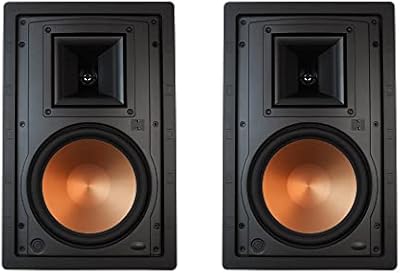
The black finish is neutral enough to blend into most room setups without drawing attention. The copper-tinted Cerametallic woofer, visible with the grille removed, gives the speaker a distinctive and recognizable Klipsch look that enthusiasts tend to appreciate.
The grille attachment mechanism is basic and the fabric covering shows dust relatively quickly in typical living environments. Some buyers feel the overall aesthetic has not aged as crisply as more modern speaker designs released since the RB-81 II first launched.
Low-Volume Performance
79%
21%
The high sensitivity means the speaker responds to even small amplifier signals, so it actually performs quite well at low volumes without losing tonal balance. Late-night listening at restrained levels comes across as natural rather than thin.
At very low volumes in larger rooms, the bass output can feel slightly underwhelming since the woofer needs a bit of energy to reach its stride. A subwoofer helps in those scenarios, particularly for bass-dependent music genres.

Suitable for:

The Klipsch RB-81 II is built for the kind of buyer who takes their listening seriously but does not have the floor space or budget for a full tower setup. If you are assembling a home theater — whether a simple stereo pair or a 5.1 surround configuration — and you already own a mid-range AV receiver, this Reference Series speaker slots in with very little friction and delivers performance well above what most bookshelf designs offer at a comparable price. Music listeners who want sound that feels alive and immediate, rather than analytical and flat, will find the dynamic character of the horn tweeter genuinely rewarding across rock, jazz, and cinematic soundtracks. It also works particularly well in medium to large living rooms where smaller speakers would simply get lost acoustically. Buyers upgrading from entry-level bookshelf speakers will notice the difference almost immediately — there is a sense of scale and authority here that is hard to find without spending considerably more.

Not suitable for:

The Klipsch RB-81 II is genuinely the wrong choice for several categories of buyer, and it is worth being direct about that. If your room is small — a bedroom, a compact home office, or a tight apartment living area — this speaker will likely overwhelm the space both physically and acoustically, and its size will create more problems than the performance justifies. Listeners who prefer a smooth, warm, or neutral tonal balance should approach with real caution: the horn-loaded tweeter has a distinctive character that tends to polarize, and pairing it with a bright amplifier or sharp-sounding source makes matters worse. Anyone shopping for a stereo pair on a tight total budget should also factor in that each unit is sold separately, which doubles the outlay before cables or stands are even considered. Finally, if your primary use case involves extremely bass-heavy content like action film LFE effects or electronic music with deep sub-bass, the 44 Hz floor of this speaker will leave a gap that only a dedicated subwoofer can fill.

Specifications

  • Woofer: An 8-inch Cerametallic cone woofer handles mid-bass and low-frequency reproduction with a stiff yet lightweight diaphragm designed to reduce distortion under high output.
  • Tweeter: A 1-inch titanium dome tweeter with Linear Travel Suspension is mounted behind a Tractrix horn to control dispersion and reduce listening fatigue.
  • Sensitivity: Nominal sensitivity is rated at 98 dB at 2.83 volts at one meter, making this one of the more efficient speakers available in the bookshelf category.
  • Frequency Response: The speaker covers a range from 44 Hz upward, providing usable bass extension without a subwoofer in most small to medium room applications.
  • Impedance: Rated at 8 ohms nominal, the speaker is compatible with the vast majority of consumer AV receivers and stereo amplifiers without special matching requirements.
  • Power Handling: Maximum power handling is rated at 600 watts, though real-world use rarely approaches that ceiling given the speaker's high sensitivity.
  • Dimensions: Each cabinet measures 12.3″ deep by 9.25″ wide by 19″ tall, making it significantly larger than typical compact bookshelf speakers.
  • Weight: Each unit weighs 27.5 pounds, requiring sturdy shelf placement or a dedicated speaker stand rated for that load.
  • Cabinet Finish: The enclosure is finished in black wood grain vinyl, offering a neutral appearance suited to most home theater or listening room environments.
  • Connectivity: Connection is via wired binding post terminals that accept bare wire, spade lugs, and banana plugs for flexible cable options.
  • Mounting Type: Designed for shelf or stand mounting in indoor environments; not rated for outdoor or moisture-exposed installation.
  • Unit Count: Sold as a single speaker unit; a second unit must be purchased separately to complete a stereo pair.
  • Crossover: A passive internal crossover with two circuits divides the frequency signal between the woofer and tweeter for coherent driver integration.
  • Horn Design: The Tractrix horn geometry is engineered to maintain even high-frequency dispersion across horizontal and vertical listening angles.
  • Cabinet Material: The cabinet is constructed from MDF with internal bracing to minimize panel resonance and colorations during playback.
  • Series: Part of the Klipsch Reference RB line, positioned as a high-output, high-efficiency bookshelf option within the broader Reference Series family.
  • Warranty: Covered by a Klipsch limited warranty; buyers should confirm current warranty terms and registration requirements directly with the manufacturer.
  • Availability Date: The model was first made available in August 2010 and has remained in continuous production without manufacturer discontinuation as of current listings.

Related Reviews
Klipsch RB-61 II
Klipsch RB-61 II
81%
91%
Sound Clarity
94%
Sensitivity & Efficiency
72%
Bass Performance
86%
Sound Staging & Imaging
83%
Build Quality
More
Klipsch The One II
Klipsch The One II
76%
83%
Sound Quality
91%
Build Quality
94%
Design & Aesthetics
61%
Connectivity & Bluetooth Stability
67%
Chromecast & Multi-Room Integration
More
Klipsch R-3650-W II In-Wall Speaker
86%
89%
Sound Quality
87%
Bass Response
91%
Ease of Installation
84%
Design & Aesthetics
90%
Build Quality
More
Klipsch R-5502-W II In-Wall Speaker
83%
91%
Sound Quality
78%
Ease of Installation
88%
Design and Aesthetics
85%
Build Quality
89%
Power Handling
More
Klipsch R-5650-S II In-Wall Speaker
88%
92%
Sound Quality
88%
Ease of Installation
89%
Bass Performance
91%
Directional Sound Accuracy
85%
Build Quality
More
Klipsch CDT-5650-C II In-Ceiling Speaker
84%
91%
Sound Quality
87%
Ease of Installation
73%
Bass Performance
89%
Build Quality
94%
Discreet Appearance
More
Klipsch R-5800-W II In-Wall Speakers
87%
91%
Sound Quality
89%
Ease of Installation
94%
Build Quality
85%
Customization Options (Sound Tuning)
88%
Acoustics/Clarity
More
Klipsch Reference Premiere RP-6000F II Floorstanding Speaker
88%
94%
Sound Clarity
91%
Bass Performance
88%
Build Quality
85%
Ease of Setup
89%
Compatibility with Other Systems
More
Klipsch CDT-5800-C II In-Ceiling Speaker (Pair)
85%
92%
Sound Clarity (Mid & High Frequencies)
88%
Ease of Installation
72%
Bass Performance
90%
Design & Aesthetics
89%
Build Quality
More
Klipsch Reference Premiere RP-8000F II Floorstanding Speakers
87%
94%
Sound Performance
92%
Bass Quality
91%
Clarity & Detail
89%
Build Quality
85%
Ease of Setup
More

FAQ

You need to buy two. The Klipsch RB-81 II is packaged and sold as a single unit, which surprises a lot of buyers. If you are building a stereo setup, make sure you add two to your cart — it is a common and frustrating mistake to catch only after the first box arrives.

Almost any standard AV receiver or stereo amplifier with an 8-ohm output will work well here. Because the speaker is so sensitive, even a modest 50-watt-per-channel receiver will drive it to loud, dynamic levels. If you want the best tonal balance, lean toward amplifiers with a warmer character rather than a bright or clinical one, as that pairing tends to smooth out the horn tweeter.

Honestly, it is not the best fit for very small spaces. The cabinet is physically large — nearly 19 inches tall — and the speaker is voiced to fill medium to large rooms. In a compact bedroom it can easily overpower the space acoustically, making balanced sound harder to achieve without careful placement and EQ adjustment.

For music listening in a small to medium room, many owners find a dedicated subwoofer unnecessary since the speaker reaches down to around 44 Hz on its own. But if you are using it for home theater and want to feel the full impact of film effects and low-frequency content, adding a subwoofer for the bottom octave is still a good idea.

It depends on your reference point. If you are used to soft-dome tweeters, the horn character will likely sound more forward and detailed than what you are used to. It is not harsh by design, but pairing it with bright electronics or listening to compressed, heavily processed recordings can push the high frequencies into uncomfortable territory. It is a very particular sound — a lot of people love it, but it is not universally flattering.

Technically yes, but they are best used as front left and right channels. They are quite large and heavy for surround placement, and timbre-matching across all channels works best when you stay within the Klipsch Reference family for your center and surround speakers.

You want stands rated for at least 30 pounds per side, with a top plate large enough to fit the 9.25-inch wide cabinet base. Heavy, sand-fillable metal stands in the 24 to 28-inch height range tend to work well acoustically and safely support the weight.

In terms of bass depth and low-end extension, a well-designed floorstanding speaker at a similar or higher price will typically reach lower and play louder before straining. But for many listeners in real-world rooms, this Klipsch bookshelf speaker closes much of that gap thanks to its large woofer and high sensitivity, without requiring the floor footprint that a tower demands.

No — this speaker is purely passive and wired. It has no built-in amplifier, no Bluetooth, and no wireless capability of any kind. You need a separate amplifier or AV receiver to drive it, connected via traditional speaker wire through the binding post terminals.

For a lot of buyers, yes. The acoustic principles behind the design — horn loading, high sensitivity, a large woofer — do not become obsolete the way electronics do. Owners who bought these years ago still report strong satisfaction, and the speaker continues to hold its own against more recent competition in the same price bracket.