
Overview

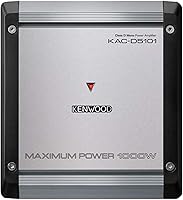
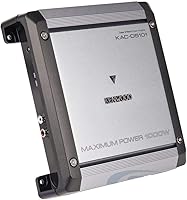
The Kenwood KAC-D5101 Class D Mono Amplifier is built for one job: pushing a subwoofer with authority without eating up trunk space. This mono amplifier skips the bulk of older analog designs in favor of a Class D layout, which runs cooler and wastes less energy as heat. That efficiency matters in a car, where ventilation is limited and amplifiers often get tucked into cramped corners. Priced for the mid-range crowd, it's aimed at drivers who've outgrown their factory sound system but aren't ready to spend on a flagship unit. The surface-mount housing means it can go under a seat, inside a trunk panel, or as part of a larger custom install without much fuss.

Features & Benefits

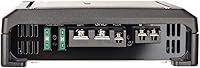
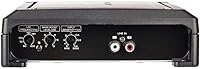
On paper, this car amp is rated for up to 1000W max power, though the numbers that actually matter are 300W RMS at 4 ohms and 500W RMS at 2 ohms — those are the figures that translate to real-world output. A variable low-pass filter lets you dial in exactly where the subwoofer should pick up the bass, instead of relying on a fixed crossover point. The built-in bass boost adds noticeable punch on its own, so you're not forced to buy a separate equalizer just to get more thump. Wiring is simplified too: speaker-level input with signal-sensing turn-on means installers without a remote lead can still get the amp powering on correctly. At 10 x 5 x 9.5 inches and just 3.3 pounds, it tucks into tight spots without becoming a hassle to mount.

Best For

This subwoofer amplifier makes the most sense for drivers who've decided the factory stereo just doesn't cut it anymore and want noticeably tighter bass without going overboard on cost. It also fits well with people comfortable doing their own installs — wiring a single-channel amp isn't difficult, but it does help to know your way around a fuse box and ground wire. Owners of smaller vehicles or anyone short on trunk space will appreciate how little room it actually needs. And for shoppers who want real subwoofer power without venturing into premium territory, it lands in a sweet spot: enough output to notice the difference, without the price tag of a flagship system.

User Feedback

Feedback from actual owners leans positive overall, with many noting a clear, noticeable jump in bass quality compared to whatever came stock in their vehicle. The flexible wiring options come up often in praise, especially the speaker-level input, which several installers mention saved them from having to run an extra remote wire. Not every comment is glowing, though. A handful of users report the housing gets fairly warm after long stretches at higher volumes, which is worth keeping in mind if you plan to push it hard regularly. There's also some inconsistency in how long units last over time — most owners report years of trouble-free use, but a smaller group has run into issues after extended daily driving.

Pros

  • Delivers a real, noticeable bass upgrade over factory car stereo systems.
  • Class D design stays efficient and runs cooler than older analog amplifiers.
  • Variable low-pass filter lets you fine-tune exactly where the subwoofer kicks in.
  • Built-in bass boost adds punch without buying a separate equalizer.
  • Speaker-level input simplifies installs when there's no remote turn-on wire available.
  • Compact 10 x 5 x 9.5-inch size fits easily into tight trunk spaces.
  • Lightweight at just 3.3 pounds, making handling and mounting simple.
  • Mid-range pricing puts solid subwoofer power within reach of budget shoppers.
  • Wiring flexibility earns consistent praise from owners who installed it themselves.

Cons

  • Runs noticeably warm during extended high-volume listening sessions, per several owners.
  • Long-term durability feedback is mixed, with some units failing after months of daily use.
  • Lacks built-in DSP or advanced tuning options found on higher-end amplifiers.
  • Single-channel design only powers a subwoofer, not a full speaker setup.
  • Feature set stays fairly basic compared to amplifiers aimed at audiophiles.
  • Self-installation requires comfort with car wiring; not ideal for total beginners.
  • Warranty and long-term support experiences vary depending on retailer and region.
  • Doesn't include a remote bass knob, so adjustments happen at the amp itself.

Ratings

The scores below for the Kenwood KAC-D5101 Class D Mono Amplifier were generated by AI after analyzing a wide pool of verified user reviews from around the world, filtering out spam, bots, and incentivized feedback along the way. Each category reflects what real owners actually experienced after installing this car amp in their own vehicles, not marketing claims. Both the strengths people praised and the pain points they ran into are represented here, so you get a transparent, balanced picture before buying.

Bass Output & Power
88%
Owners consistently describe a dramatic jump in low-end output compared to their factory stereo, with the 500W RMS at 2 ohms giving daily commuters and weekend audio fans plenty of headroom. Tight, punchy bass shows up even in modest cabin sizes.
A handful of buyers expected concert-level loudness purely from the 1000W max rating and were disappointed once they realized continuous RMS output is lower. Pairing it with an undersized or mismatched subwoofer can also limit how much bass it actually delivers.
Sound Quality & Clarity
81%
19%
The variable low-pass filter lets owners dial out muddiness and keep bass tight rather than boomy, which matters a lot during long highway drives with music playing constantly. Several reviewers note the bass boost adds punch without distorting at moderate volumes.
Pushed too aggressively, the bass boost can introduce some distortion, especially paired with lower-quality subwoofers or under-rated wiring. A few users mention the sound stays functional rather than audiophile-grade, which tracks with its mid-range positioning.
Build Quality
79%
21%
The compact metal housing feels solid for the price, and its light 3.3-pound build makes it easy to mount securely without straining brackets or screws. Several DIY installers comment that the surface-mount design feels sturdy once bolted into place.
A portion of owners feel the casing, while functional, doesn't feel as premium as higher-priced competitors in the same category. Heat buildup over time is a recurring concern that some link back to how the housing dissipates warmth.
Heat Management
64%
36%
The Class D design runs noticeably cooler than older analog amplifiers during typical, moderate listening sessions, which several owners appreciate during everyday commuting. Efficient power conversion means less wasted energy turning into heat under normal conditions.
Multiple reviewers report the housing gets fairly warm during extended high-volume listening, particularly in hot climates or poorly ventilated trunk installs. This is a real concern for anyone planning to push the amp hard on a regular basis.
Installation Ease
84%
The speaker-level input with signal-sensing turn-on is a standout for installers without access to a remote wire, simplifying wiring considerably for weekend DIY projects. Its compact 10 x 5 x 9.5-inch footprint also makes it easy to tuck into tight trunk spaces.
Total beginners still need basic knowledge of grounding, fusing, and wire gauge to avoid issues, since this isn't a true plug-and-play unit. A small number of reviewers mention wishing the manual explained crossover and bass boost settings more clearly.
Value for Money
83%
Sitting at a mid-range price point, this subwoofer amplifier delivers power and features that budget-conscious shoppers feel justify the cost, especially compared to entry-level amps with weaker output. Many reviewers describe it as a smart upgrade without flagship pricing.
Buyers expecting premium-tier refinement or advanced DSP tuning at this price point may feel slightly let down, since those features are reserved for pricier amplifiers. A few note that long-term reliability concerns slightly dent the overall value equation.
Compact Size & Fit
86%
At just 10 x 5 x 9.5 inches and 3.3 pounds, owners with smaller vehicles or limited trunk space consistently praise how easily it tucks into custom builds, under seats, or tight cargo areas without major modifications.
A few reviewers installing it alongside other trunk equipment, like a larger battery or additional amps, mention space still gets tight in already-crowded builds. It's compact, but not magic for severely limited compartments.
Low Pass Filter & Bass Boost
85%
The variable low-pass filter gives owners real control over crossover tuning, letting them match output precisely to their subwoofer instead of relying on a fixed setting. The bass boost is frequently cited as adding noticeable punch on demand.
A small subset of reviewers wish the bass boost had more granular adjustment rather than a single dial, and a few mention it's easy to overdo if you're not paying attention while tuning by ear.
Wiring & Connectivity
82%
18%
The speaker-level input is repeatedly praised by installers working with factory head units that lack RCA preamp outputs, since it removes a common installation roadblock entirely. This flexibility saves both time and an extra adapter purchase.
Owners running more advanced setups with multiple amps sometimes find the single speaker-level input limiting compared to amps offering both RCA and speaker-level options simultaneously. It's a single-purpose connection, not a flexible hub.
Long-Term Durability
61%
39%
A solid share of owners report years of trouble-free daily use, crediting careful installation and proper ventilation for keeping the unit running reliably well past the first year of regular ownership.
Reviews here are genuinely mixed: a noticeable subset of buyers report failures or performance drops after extended daily driving, often tied to heat exposure or inconsistent power delivery. This inconsistency keeps the score from climbing higher.
Efficiency (Class D Design)
89%
The Class D circuit is widely appreciated for converting power efficiently, drawing less current from the vehicle's electrical system than older analog amp designs while still delivering strong bass output.
A few technically-minded reviewers note that Class D efficiency doesn't fully eliminate heat buildup under sustained heavy use, so it isn't a guarantee against warmth-related concerns during long high-volume sessions.
Beginner Friendliness
72%
28%
First-time installers with some patience and basic tool familiarity generally manage the wiring without major issues, especially thanks to the signal-sensing turn-on feature, which removes one common point of confusion.
Reviewers who'd never wired car audio equipment before sometimes found grounding, fusing, and gain-setting steps intimidating without outside guidance, suggesting true beginners may want a friend or shop's help nearby.

Suitable for:

The Kenwood KAC-D5101 Class D Mono Amplifier suits drivers who've been disappointed by a factory stereo's thin, underwhelming low end and want a noticeable upgrade without overhauling their whole audio setup. It works especially well for anyone comfortable handling their own car audio installation, since the wiring is straightforward enough for a confident DIYer with basic tools and patience. Compact vehicles and tight trunk spaces are another good fit, given how little room the surface-mount housing actually requires. Budget-conscious enthusiasts who want real subwoofer output without paying flagship prices will likely find the power-to-cost ratio appealing. It also makes sense for anyone who values flexible installation options, like the speaker-level input that skips the need for a remote turn-on wire.

Not suitable for:

That said, the Kenwood KAC-D5101 Class D Mono Amplifier isn't the right choice for audiophiles chasing reference-level sound quality or built-in DSP tuning, since its feature set stays fairly basic. Drivers who plan to run subwoofers at sustained, near-maximum volume for long stretches should also think twice, given user reports of the unit running warm under that kind of strain. Anyone uneasy about wiring their own car audio equipment may want to budget for professional installation rather than attempting it solo. It's also not built for multi-channel setups, since the single-channel design only handles a subwoofer rather than a full speaker system. Buyers prioritizing long-term durability above all else might want to research warranty terms carefully first, since feedback on longevity has been inconsistent.

Specifications

  • Max Power: The amplifier is rated for up to 1000W of max power output.
  • RMS Power (4Ω): It produces 300W RMS of continuous power when wired to a 4-ohm load.
  • RMS Power (2Ω): Output rises to 500W RMS of continuous power when wired to a 2-ohm load.
  • Channels: This is a single-channel mono amplifier designed specifically to drive a subwoofer.
  • Amplifier Class: It uses a Class D circuit design, which improves power efficiency and reduces heat buildup.
  • Low Pass Filter: A variable low-pass filter lets you set the exact crossover point for the connected subwoofer.
  • Bass Boost: A built-in bass boost control adds extra low-end punch without needing an external equalizer.
  • Speaker Level Input: The amp accepts a speaker-level input, useful when a dedicated RCA preamp output isn't available in the vehicle.
  • Turn-On Method: Signal-sensing turn-on lets the amplifier power on automatically once it detects an audio signal.
  • Mounting Type: The housing is designed for surface mounting in trunks, under seats, or inside custom enclosures.
  • Dimensions: The unit measures 10 x 5 x 9.5 inches (25.4 x 12.7 x 24.1 cm).
  • Weight: It weighs 3.3 pounds (1.5 kg).
  • Model Number: The official model number is KAC-D5101.
  • Brand: It is manufactured by Kenwood, an established name in car audio electronics.
  • Intended Use: It is built specifically to power a single subwoofer rather than full-range speakers.

Related Reviews
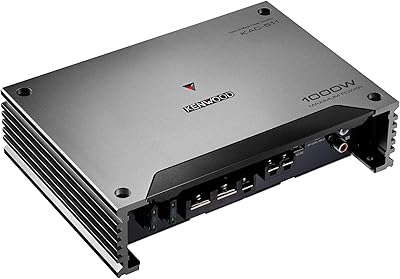
Kenwood KAC-511 Mono Car Amplifier
73%
78%
Value for Money
86%
Ease of Installation
73%
Bass Performance
69%
Sound Clarity
66%
Build Quality
More
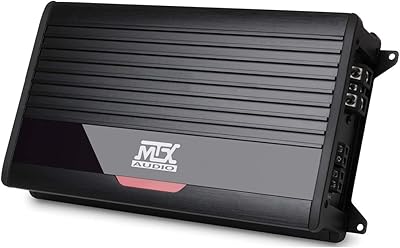
MTX Thunder1000.1 Class D Mono Amplifier
83%
89%
Bass Output
91%
Compact Size & Fit
84%
Bass Boost Tuning
82%
Crossover Flexibility
86%
Subsonic Filter Protection
More
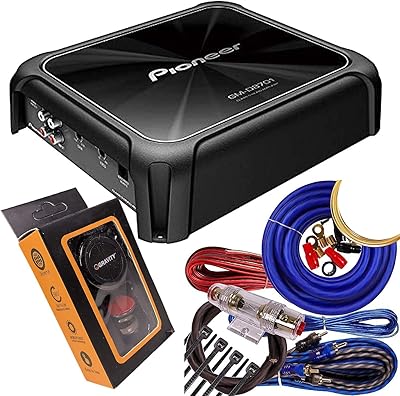
Pioneer GM-D8701 Class D Mono Amplifier
78%
83%
Sound Quality
61%
Power Accuracy
77%
Build Quality
84%
Ease of Installation
82%
Bundle Value
More
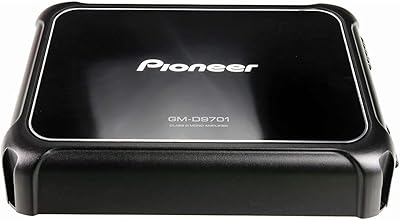
Pioneer GM-D9701 Mono Class D Car Amplifier
83%
93%
Bass Output Quality
88%
Power Delivery Consistency
84%
Installation Experience
91%
1-Ohm Stability
86%
Thermal Management
More
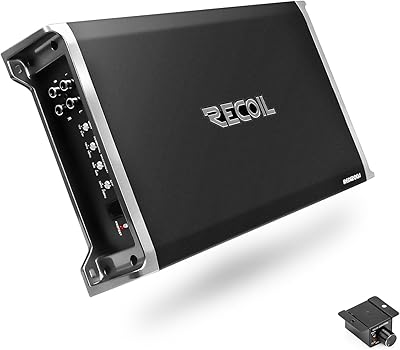
Recoil RED1200-1 Mono Subwoofer Amplifier
75%
88%
Value for Money
83%
Bass Output
61%
Power Accuracy
91%
1-Ohm Stability
63%
Thermal Management
More
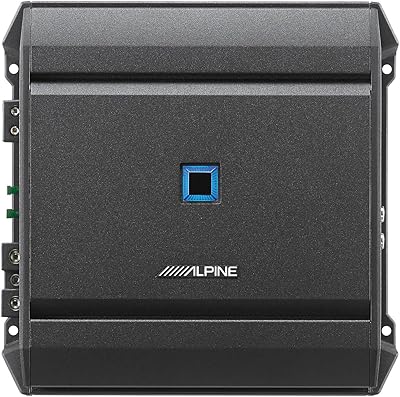
Alpine S-A60M
Alpine S-A60M
82%
91%
Power Accuracy & Honesty
88%
Thermal Performance
87%
Ease of Installation
79%
Signal-to-Noise Ratio
74%
Bass Boost Quality
More
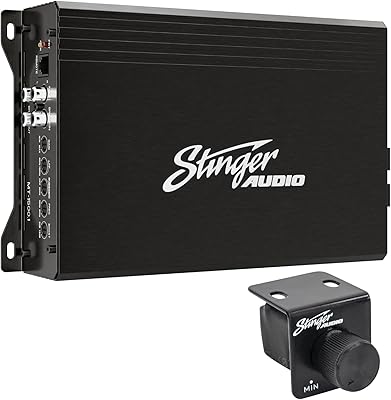
Stinger MT-1500.1 Monoblock Car Amplifier
74%
83%
Bass Output Performance
57%
Rated vs Real-World Power
74%
Build Quality
62%
Heat Management
88%
Ease of Installation
More
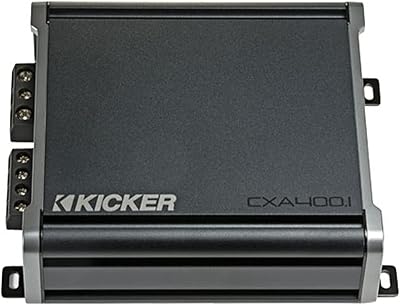
Kicker CXA400.1 Mono Car Amplifier
79%
86%
Sound Clarity
71%
Power Output Accuracy
91%
Installation Ease
67%
Build Quality
78%
Thermal Performance
More
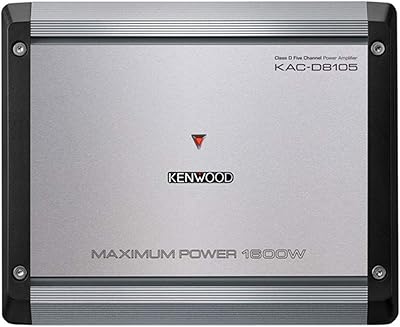
KENWOOD KAC-D8105 1,600-Watt 5-Channel Class D Amp

86%
94%
Power Output
89%
Sound Quality
80%
Ease of Installation
85%
Build Quality
91%
Size & Compactness
More
Hifonics ZRX1216.1DV2 V2 Mono Car Amplifier
74%
84%
Value for Money
81%
Bass Output & Performance
88%
Ease of Installation
91%
Compact Footprint
63%
Thermal Management
More

FAQ

Yes, this car amp is rated for 500W RMS at 2 ohms, so it pairs well with a single 2-ohm sub. It also handles 4-ohm loads at 300W RMS if that matches your setup instead.

Not necessarily. It has signal-sensing turn-on, meaning it can power up automatically once it detects an audio signal, so you can skip running a dedicated remote wire if your head unit doesn't have one.

You can, as long as the combined impedance of the two subs wired together doesn't drop below 2 ohms, since that's the lowest load this amp supports. Check your subwoofer's wiring options before connecting more than one.

That 1000W figure is the max power rating, not what it outputs continuously. The numbers that matter for everyday listening are 300W RMS at 4 ohms and 500W RMS at 2 ohms, which give a more honest sense of real-world output.

Some owners have mentioned the housing runs warm during long stretches at high volume, which is fairly typical for amplifiers under sustained load. Mounting it somewhere with decent airflow, rather than sealing it inside a tight enclosure, helps keep temperatures in check.

It's manageable for a first-timer comfortable with basic wiring who's researched proper grounding and fusing, but it isn't the most beginner-friendly option out there. If you're unsure about wire gauge, fuse placement, or grounding, it may be worth having a shop handle the install.

No, this subwoofer amplifier doesn't include a separate bass remote knob. The bass boost and low-pass filter are adjusted directly on the amp itself, so you'll need access to the unit to tweak settings.

Most owners mount it in the trunk, under a seat, or inside a custom enclosure near the subwoofer, since its surface-mount design and compact footprint make it flexible. Just make sure the spot has reasonable airflow and isn't exposed to moisture.

Feedback on long-term durability is mixed: many owners get years of reliable use, while a smaller number have run into problems after extended daily driving. Proper installation, adequate ventilation, and a clean power supply all seem to help it last longer.

Yes, its mid-range pricing makes it a solid pick if you want noticeably stronger bass than a factory system without paying for a flagship amplifier. It won't have the extra features of premium units, but it covers the core job well.