Overview

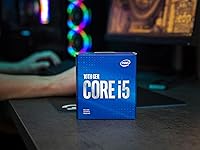
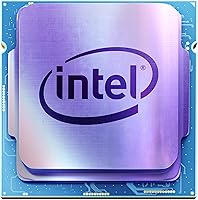
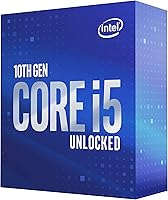
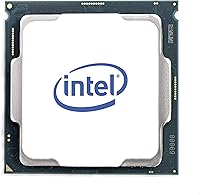
The Intel Core i5-10600K Desktop Processor sits in an interesting spot within Intel’s 10th-gen Comet Lake lineup — capable enough to satisfy demanding users, yet priced to keep mid-range builders from wincing. The unlocked multiplier is the real draw here; it separates this chip from its locked siblings and gives enthusiasts genuine overclocking headroom without paying flagship prices. It slots into any LGA1200 socket on a 400-series board, which narrows your platform choices but keeps things straightforward. One thing worth knowing upfront: the box arrives without a cooler, so budget accordingly before finalizing your parts list. That 125W TDP means thermal management matters more here than it does with lower-power chips.
Features & Benefits

Six cores and twelve threads might not sound revolutionary on paper, but in practice, the i5-10600K handles real workloads — gaming, light editing, multitasking — without much strain. The boost clock hitting 4.8 GHz keeps single-threaded performance sharp, which matters a lot for frame rates in most modern titles. BIOS overclocking is genuinely approachable here; you don’t need to be an engineer to push it meaningfully past stock settings. Intel Optane Memory support is a bonus for anyone on a compatible Z490 setup who wants faster storage caching. The mature 14nm node also means broad software compatibility and rock-solid driver support you can rely on from day one.

Best For

This unlocked Core i5 makes the most sense for mid-range PC gamers who want solid frame rates today with room to squeeze out more performance via overclocking down the road. Light-to-moderate content creators — think streamers and part-time video editors — will find the 6-core, 12-thread setup handles their workload without the cost of a higher-tier chip. It’s also a natural fit for enthusiasts upgrading from an older LGA1151 platform who want a real generational step without jumping to expensive X-series territory. If you already have a Z490 board, pairing it with this Comet Lake chip is a smart, cost-effective move that doesn’t require starting from scratch.

User Feedback

Across thousands of verified purchases, the i5-10600K earns strong marks — and the satisfaction looks genuine rather than inflated. Most buyers highlight out-of-the-box gaming as the standout, noting the chip runs well even before any overclocking is applied. The recurring complaint — and it’s a fair one — is the no cooler included situation, which catches some first-time builders off guard. A number of reviewers weigh it against AMD Ryzen 5 alternatives, where Ryzen sometimes edges ahead on multi-core efficiency and price. That said, those who’ve run this Comet Lake chip for a year or more consistently call it a reliable daily driver. Heat under heavy overclocked loads is real; don’t ignore it.

Pros

  • Strong out-of-the-box gaming performance that satisfies most mid-range players before any tweaking is needed.
  • The unlocked multiplier makes overclocking accessible through standard BIOS menus, no specialized hardware required.
  • Boost clocks reaching 4.8 GHz keep single-threaded responsiveness sharp in games and everyday applications.
  • Hyper-Threading doubles the available thread count, meaningfully improving multitasking under mixed workloads.
  • The mature 14nm process delivers broad software and driver compatibility with virtually no stability surprises.
  • Long-term owners consistently report this Comet Lake chip running reliably as a daily driver for years.
  • Intel Optane Memory support adds a caching option for Z490 users who want faster effective storage speeds.
  • Pairs cleanly with Z490 boards, unlocking memory XMP profiles and full platform-level performance tuning.
  • Highly rated across thousands of verified purchases, reflecting dependable real-world satisfaction rather than hype.

Cons

  • No cooler is included in the box, adding an immediate and sometimes overlooked extra cost for new builders.
  • The 125W TDP generates substantial heat under load, requiring a capable aftermarket cooler to run stably when overclocked.
  • AMD Ryzen 5 alternatives at similar price points often deliver better multi-core efficiency for productivity-heavy workloads.
  • LGA1200 is a one-generation dead-end socket, leaving no CPU upgrade path without replacing the motherboard entirely.
  • All-core sustained performance trails higher core-count competitors in heavily threaded professional applications.
  • Memory and platform costs add up quickly, since extracting full performance requires a Z490 board rather than a budget option.
  • Power draw under overclocked all-core loads is high enough to impact electricity-sensitive or small-form-factor builds.
  • Competing chips from AMD often ship with a functional stock cooler, making the total build cost comparison less favorable.

Ratings

Our AI-generated scores for the Intel Core i5-10600K Desktop Processor are derived from thousands of verified global buyer reviews, with spam, bot submissions, and incentivized feedback actively filtered out before analysis. The ratings below reflect an honest synthesis of where this unlocked Core i5 genuinely delivers and where real-world buyers have encountered friction. Strengths and pain points are weighted equally so you get a transparent picture of long-term ownership, not a marketing summary.
Gaming Performance
88%
Gamers consistently highlight frame rate stability and low-latency responsiveness as the i5-10600K's strongest daily traits. The high single-core boost clock translates directly into smooth gameplay across fast-paced shooters and open-world titles at 1080p and 1440p, often matching chips that cost considerably more in gaming-specific workloads.
At 4K resolutions where the GPU becomes the dominant bottleneck, the CPU’s competitive edge narrows and the price-performance argument weakens. A portion of reviewers also note that newer AMD processors occasionally pull ahead in titles specifically optimized for higher core counts.
Overclocking Potential
91%
The unlocked multiplier makes this Comet Lake chip one of the more accessible overclocking experiences in the mid-range desktop market. Most builders report stable all-core frequencies around 5.0 GHz through BIOS adjustments alone, with no specialized software needed, which experienced and first-time overclockers alike consistently praise.
Reaching higher stable overclocks demands a quality Z490 board and a capable cooler, both of which add meaningful cost to the total build. Thermal headroom becomes the true limiting factor before the chip itself does, meaning budget cooling setups will cap your overclocking ambitions prematurely.
Single-Core Performance
89%
Single-threaded tasks are where this chip earns some of its most enthusiastic user praise. The 4.8 GHz boost clock makes application launches, web browsing, and in-game responsiveness feel noticeably sharp, and long-term owners consistently report no degradation in this day-to-day snappiness even after years of continuous daily use.
While the raw single-core output was impressive at launch, newer CPU architectures have since raised the general baseline, and buyers comparing it against current-generation alternatives may find the advantage narrower than the spec sheet alone implies. It remains excellent for its class but no longer represents a generational lead.
Thermal Management
61%
39%
At stock settings paired with a mid-range tower cooler, the chip runs within manageable temperature ranges for everyday workloads. Casual users who never touch overclocking settings have consistently reported years of stable operation without throttling, which speaks to how well the processor behaves when not pushed past its rated envelope.
Under sustained all-core overclocked loads, temperatures climb aggressively, with many reviewers reporting readings in the high 80s Celsius even with quality air cooling in place. The 125W TDP is the root issue, and buyers who underestimated cooling requirements have flagged the resulting instability as a costly and avoidable oversight.
Value for Money
78%
22%
For builders who already own a Z490 motherboard, this unlocked Core i5 delivers a genuinely strong cost-to-performance ratio, combining overclocking flexibility and capable gaming performance at a price well below flagship-tier chips. Long-term owners who purchased at competitive prices consistently describe it as money well spent.
Buyers starting from scratch must also budget for a Z490 board, DDR4 memory, and an aftermarket cooler, which together push the true entry cost noticeably higher than the CPU price alone suggests. At full platform cost, AMD alternatives at comparable price points can offer a more complete and efficient overall value proposition.
Multi-Core Performance
74%
26%
The six-core, twelve-thread configuration handles simultaneous streaming, light video editing, and background application loads without noticeable slowdowns in daily use. Builders who run OBS encoding alongside an active game session report comfortable CPU utilization levels at moderate quality settings, which is a meaningful practical benchmark.
Against Ryzen 5 and Ryzen 7 alternatives with higher core counts, this chip trails in heavily threaded workloads like batch rendering or large-scale code compilation. Users with demanding creative pipelines report that the performance gap widens the longer and heavier the sustained all-core task runs.
Platform Compatibility
76%
24%
Compatibility with Intel's well-documented 400-series chipset makes finding a suitable motherboard straightforward, with Z490 options available across a broad range of price tiers from every major manufacturer. BIOS support is mature and thoroughly validated, which reduces the chance of unexpected compatibility friction during an initial build.
The LGA 1200 socket is a one-generation dead end with no upgrade path beyond 10th and 11th gen Intel processors, meaning any future CPU upgrade requires a full motherboard replacement alongside it. Buyers weighing long-term flexibility consistently flag this against AMD’s AM4 platform, which offered far more upgrade runway over its lifespan.
Power Efficiency
58%
42%
For standard desktop builds where power draw is a secondary concern, the chip delivers adequate performance output relative to its wattage under typical gaming and browsing loads. Builders using the system primarily for everyday tasks and gaming rarely cite electricity consumption as a noticeable real-world burden.
The 125W TDP sits on the higher end for a mid-range six-core processor, and users with small-form-factor cases or power-sensitive setups report that it complicates both thermal planning and PSU headroom calculations. Compared to competing AMD chips achieving similar output at lower wattage, the efficiency balance clearly favors the competition.
Out-of-Box Experience
67%
33%
Physical installation is clean and intuitive, with the LGA 1200 socket requiring no unusual technique beyond standard CPU mounting practice. Most users report a quick and smooth first boot, with Windows automatically detecting and configuring the processor correctly without any manual driver installation required.
The absence of a bundled cooler is the single most consistent complaint across buyer reviews, catching many first-time builders off guard and requiring an unplanned purchase before the system can power on at all. Some users on certain Z490 board revisions also report needing a BIOS update before the chip is fully recognized and stable.
Long-Term Reliability
87%
Long-term owners are among the most enthusiastic voices in the review pool, consistently reporting that the chip continues performing as expected well beyond the initial purchase without measurable degradation in gaming or productivity workloads. The mature silicon and stable platform contribute to a dependable daily driver experience that holds up over years.
Reliability under persistent heavy overclocking is less consistent, with a minority of users reporting instability that required dialing back clock speeds over time to maintain a stable system. Platform longevity is also a lingering concern, since the dead-end socket means the motherboard will eventually need replacing alongside any future processor upgrade.
Multitasking Capability
77%
23%
Hyper-Threading gives this Comet Lake chip a clear practical edge over quad-core alternatives in mixed-use environments, and users report comfortable experiences running communication apps, a heavy browser session, and a background workload simultaneously alongside a primary application. For home office users who also game, the thread count feels well-matched to real needs.
Simultaneous workloads that fully stress all six cores, such as running a video encoder in parallel with active gaming, can introduce frame rate inconsistencies that frustrate users expecting zero-compromise performance. Buyers with demanding creative multitasking pipelines report that the chip hits its ceiling earlier than anticipated compared to higher core-count alternatives.
Software & Driver Stability
92%
The 14nm process node is among the most thoroughly validated fabrication technologies in desktop computing, and buyers across the board report essentially zero software compatibility issues after installation. Driver stability across Windows 10 and Windows 11 is consistently cited as one of the most reliable aspects of long-term ownership.
A small number of users on specific Z490 board revisions reported requiring a BIOS update before achieving full stability, which introduces a minor initial setup step that some first-time builders did not anticipate. Outside of that specific scenario, software-related complaints are genuinely rare in the broader review pool.
Content Creation Performance
72%
28%
For part-time creators working on 1080p video timelines in tools like DaVinci Resolve or Premiere Pro, the chip handles editing and light color work without constant dropped frames or sluggish scrubbing. Streamers running software encoding at moderate quality settings report consistently manageable CPU usage during simultaneous game capture sessions.
Serious creators pushing 4K timelines, complex motion graphics, or lengthy render queues will find the six-core ceiling a tangible limiting factor compared to eight- or twelve-core alternatives at nearby price points. Several reviewers specifically cited reduced render times as the primary motivation for eventually upgrading to a higher core-count platform.
BIOS & Tuning Experience
83%
Builders who enjoy hands-on tuning praise how predictably this chip responds to multiplier and voltage adjustments on quality Z490 boards, with results that feel proportional to the changes made. The experience is approachable enough for first-time overclockers while still offering the granular depth that seasoned enthusiasts want for memory and power limit tuning.
Tuning outcomes vary meaningfully depending on the specific Z490 board used, with budget-tier options offering fewer controls and less reliable power delivery under sustained overclocked load. Some users also note that finding a genuinely stable all-core overclock requires more iterative testing time than they initially expected before committing to the build.

Suitable for:

The Intel Core i5-10600K Desktop Processor is an excellent match for mid-range PC builders who want genuine overclocking flexibility without stepping into high-end pricing territory. Gamers who prioritize strong single-threaded frame rates and want room to push their chip beyond stock settings will feel right at home here, particularly those pairing it with a Z490 motherboard that can unlock XMP memory profiles and full BIOS tuning. Part-time streamers and light video editors will also find that the 6-core, 12-thread configuration handles their workloads without constant bottlenecking. If you are migrating from an older LGA1151 platform and want a meaningful performance upgrade without rebuilding your entire budget, this Comet Lake chip offers a practical on-ramp. Buyers who already own a compatible 400-series board get even more value here, since the platform investment is already made and the processor slots in without friction.
Not suitable for:

Buyers who need heavy all-core throughput for professional workloads like 3D rendering, large-scale video encoding, or scientific computing will likely find the i5-10600K underwhelming compared to higher core-count options from either Intel or AMD. Those sensitive to power consumption and heat should also think twice — the 125W TDP is not trivial, and under sustained overclocked loads, temperatures climb in ways that demand a capable aftermarket cooler, which adds cost and complexity the box does not include. If you are budget-conscious and need to stretch every dollar, AMD’s Ryzen 5 lineup at comparable price points can offer better multi-core efficiency and often ships with a usable stock cooler, making it a more complete out-of-the-box package. Builders on the AM4 platform with no intention of switching ecosystems have no practical reason to consider this chip at all. Finally, anyone planning a long-term platform investment should note that LGA1200 is a dead-end socket with no upgrade path beyond 10th and 11th gen, which limits future CPU swap options without a full motherboard replacement.

Specifications

  • Core Count: This processor includes 6 physical cores designed to handle parallel workloads across gaming, content creation, and everyday computing tasks.
  • Thread Count: Intel Hyper-Threading technology enables 12 simultaneous threads, effectively doubling the logical processing capacity beyond the physical core count.
  • Base Clock: The sustained all-core base frequency runs at 4.1 GHz under continuous load across all six cores.
  • Boost Clock: Single-core boost frequency reaches up to 4.8 GHz, delivering sharp responsiveness in lightly threaded applications and most modern PC games.
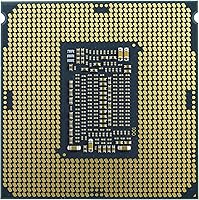
  • Socket Type: The processor uses the LGA 1200 socket, which is exclusive to Intel 10th and 11th generation desktop CPUs.
  • Chipset Support: Full feature support including overclocking requires an Intel 400-series motherboard, with Z490 being the recommended choice for unlocked performance.
  • TDP Rating: Thermal design power is rated at 125W, which requires a capable aftermarket cooling solution for reliable and stable long-term operation.
  • Lithography: The chip is manufactured on Intel's 14nm process node, a mature and well-validated fabrication technology with broad software and driver compatibility.
  • Overclocking: The unlocked multiplier allows clock speed increases through standard BIOS settings on compatible Z490 motherboards without requiring specialized tools or software.
  • Hyper-Threading: Intel Hyper-Threading is fully enabled on this processor, presenting 12 logical cores to the operating system for improved multitasking throughput.
  • Optane Support: Intel Optane Memory is supported on compatible 400-series platforms, enabling fast storage caching for mechanical or SATA-based drives.
  • Integrated Graphics: The processor includes Intel UHD Graphics 630, suitable for basic display output and light tasks but not intended for serious gaming use.
  • Cooler Included: No thermal solution is included in the retail package; buyers must source and install a compatible third-party cooler before operating the system.
  • Model Number: The official Intel model identifier is BX8070110600K, used for warranty registration, compatibility verification, and retail box identification.
  • Weight: The processor package weighs 1.76 oz, consistent with standard LGA desktop CPUs featuring an integrated heat spreader.

Related Reviews

Intel Core i5-13400F 2.5GHz 10-Core Desktop Processor
87%
88%
Performance
92%
Value for Money
84%
Gaming Performance
89%
Multi-core Efficiency
91%
Ease of Installation
More
Intel Core i5-9500 Desktop Processor
72%
88%
Everyday Performance
81%
Gaming Capability
91%
Thermal Management
58%
Multi-threaded Workloads
83%
Platform Compatibility
More
Intel Core i5-8600 Desktop Processor
71%
83%
Single-Core Performance
61%
Multithreaded Performance
74%
Gaming Performance
71%
Value for Money
88%
Thermal Efficiency
More
Intel Core i5-13600K Desktop Processor
79%
93%
Gaming Performance
88%
Multi-Threaded Throughput
61%
Thermal Management
91%
Value for Money
79%
Overclocking Headroom
More
Intel Core i5-10400 Desktop Processor
76%
91%
Everyday Performance
88%
Multitasking Capability
93%
Value for Money
74%
Thermal Management
77%
Gaming Performance
More
Intel Core i5-11400F Desktop Processor
68%
91%
Value for Money
78%
Gaming Performance
82%
Multi-core Throughput
86%
Thermal Management
83%
Platform Compatibility
More
Intel Core i5-9600KF Desktop Processor
69%
88%
Gaming Performance
83%
Overclocking Potential
74%
Value for Money
67%
Thermal Management
76%
Multitasking & Productivity
More
Intel Core i5-13500 Desktop Processor
87%
88%
Performance for Gaming
91%
Multi-Core Performance
85%
Power Efficiency
84%
Thermal Management
92%
Compatibility with Motherboards
More
Intel Core i5-14600K Desktop Processor
88%
94%
Performance
91%
Overclocking Potential
89%
Compatibility with Memory Types
88%
Power Efficiency
92%
Gaming Performance
More
Intel Core i5-9400 Desktop Processor
69%
83%
Everyday Performance
78%
Gaming Performance
81%
Value for Money
74%
Thermal Management
77%
Power Efficiency
More

FAQ

No, it does not. The Intel Core i5-10600K Desktop Processor ships as a CPU only, with no thermal solution included in the retail box. You will need to purchase a compatible aftermarket cooler before your first boot. Given the 125W TDP, a mid-range tower cooler is the minimum sensible choice; a quality air cooler or 240mm AIO will give you proper headroom, especially if you plan to overclock.
This unlocked Core i5 requires an LGA 1200 socket motherboard from Intel's 400 series lineup. A Z490 board is strongly recommended if you want to overclock or run XMP memory profiles, since B460 and H470 boards lock the multiplier and restrict memory tuning. H410 boards are technically compatible but are not well-suited to what this chip is capable of.

It performs very well, particularly at 1080p and 1440p resolutions. The high single-core boost frequency keeps frame rates competitive in most modern titles, and background multitasking does not noticeably intrude on game performance. If you add a decent discrete GPU and a Z490 board, the i5-10600K holds its own against more expensive chips in real gaming scenarios.

It is a genuinely close comparison that depends on what you prioritize. AMD Ryzen 5 options at comparable price points often deliver better multi-core efficiency and sometimes include a usable stock cooler, lowering overall build cost. The i5-10600K tends to edge ahead in raw single-threaded gaming performance, but if multi-core workloads or total platform cost matter more to you, Ryzen 5 deserves a serious look before you commit.

Not really. With a Z490 motherboard and a capable cooler, you can adjust clock speeds directly in the BIOS without any specialized software or advanced knowledge. Many builders report hitting stable all-core frequencies around 5.0 GHz with modest voltage changes and a quality air cooler. It is one of the more accessible overclocking experiences in the mid-range desktop market.

Yes, this Comet Lake chip includes Intel UHD Graphics 630. It is useful for basic display output during initial builds, BIOS setup, or troubleshooting scenarios where a dedicated GPU is temporarily absent. For any meaningful gaming, a discrete graphics card is still necessary.

At stock settings, the i5-10600K officially supports DDR4-2933 memory. However, pairing it with a Z490 motherboard lets you enable XMP profiles and run memory at DDR4-3200 or higher, which provides a real if modest improvement in both gaming and productivity workloads. Faster memory tends to matter more on Intel platforms than many builders initially expect.

It depends heavily on your starting point. If you already own a Z490 motherboard or are sourcing one affordably, the i5-10600K remains a capable and cost-effective chip for gaming and everyday use. Buyers starting a build from scratch should compare total platform costs against newer generation options, since the LGA 1200 socket is a dead end with no upgrade path beyond 10th and 11th gen.

It runs warm, and that warrants genuine attention rather than a casual mention. At stock settings with a mid-range cooler, temperatures are manageable for most workloads. Under sustained overclocked all-core loads, expect temperatures climbing into the high 80s Celsius without premium cooling in place. A quality tower cooler or a 240mm liquid cooler is not a luxury here; it is a practical requirement.

Yes, the i5-10600K meets Microsoft's Windows 11 hardware requirements. TPM 2.0 support is available when enabled through your motherboard's BIOS or UEFI firmware settings, and most major Z490 board manufacturers have released updates to expose this option. It is worth checking your motherboard vendor's support page to confirm the correct firmware version before attempting an upgrade.

Where to Buy