Overview

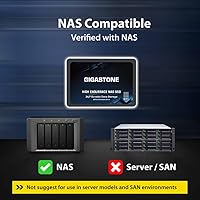
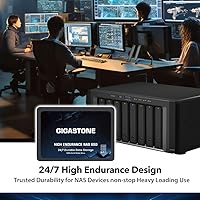
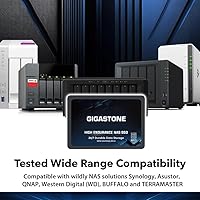
The Gigastone 1TB NAS SSD is built from the ground up for one specific job: keeping your network-attached storage running reliably, around the clock. Unlike a standard desktop SSD repurposed for a NAS enclosure, this NAS-optimized SSD is rated for 24/7 continuous operation — a distinction that actually matters when your system never powers down. The 2.5-inch SATA III form factor slots into most NAS bays without any adapter hassle. Priced in the mid-range, it sits well below premium options from Seagate or WD, while still offering a 5-year warranty and lifetime technical support. Just keep in mind: this drive is intended for NAS and RAID use, not server or SAN environments.

Features & Benefits

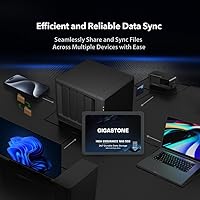
The drive uses TLC 3D NAND paired with an SLC cache layer, which helps maintain solid burst speeds even under the kind of mixed read-write loads a busy NAS typically sees. Sequential reads top out at 550 MB/s — more than enough to handle multi-user file access, 4K media streaming, or photo rendering pipelines without becoming the bottleneck. What really sets this Gigastone drive apart from a generic desktop SSD is its support for power loss protection and Error Correcting Code (ECC), which guards your data against corruption if the power cuts out unexpectedly. Compatibility has been verified with Synology, QNAP, and Asustor — though you should confirm your specific model on Gigastone's official compatibility list before buying.

Best For

The 1TB NAS solid state drive is a practical fit for home office users running Plex media servers, personal cloud setups, or shared network storage that multiple family members or remote workers access simultaneously. Small businesses building out RAID storage arrays will appreciate the 24/7 endurance rating and the data redundancy peace of mind it brings. If you have been running spinning hard drives in your NAS and want to cut noise and power consumption, this is a worthwhile upgrade. That said, if you are managing a write-heavy enterprise workload — think constant database writes or SAN configurations — this drive is not the right tool. TLC NAND endurance has limits, and Gigastone does not publish TBW specs prominently, so heavy writers should look elsewhere.

User Feedback

Across nearly 270 reviews, this NAS-optimized SSD holds a 4.3-star average, and the patterns in feedback are pretty telling. Most buyers highlight straightforward installation — it drops right into Synology and QNAP bays with immediate recognition — and many appreciate how silent it runs compared to mechanical drives. The warranty support earns specific mentions; several reviewers note that Gigastone's team was responsive when they needed a replacement. On the critical side, a handful of users raise questions about long-term endurance on write-intensive NAS workloads, and a few report compatibility hiccups with less common NAS models. Compared to the Seagate IronWolf SSD, buyers tend to rate this Gigastone drive as better value, though the IronWolf edges ahead on published endurance specs.

Pros

  • Purpose-built for 24/7 NAS operation, unlike standard desktop SSDs that can degrade under constant load.
  • Reads up to 550 MB/s, enough to handle multi-user file access and 4K media streaming without becoming a bottleneck.
  • Power loss protection and ECC help keep data intact during unexpected outages — critical for always-on storage.
  • Verified compatible with Synology, QNAP, and Asustor, three of the most widely used home and small business NAS platforms.
  • Runs completely silently, a real and immediate improvement over spinning hard drives in a home or office environment.
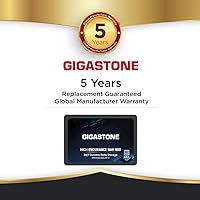
  • Five-year replacement warranty and lifetime technical support offer strong long-term confidence at a mid-range price.
  • Standard 2.5-inch SATA III form factor fits most existing NAS enclosures without adapters or modification.
  • Dust, shock, and waterproof resistance add a layer of durability inside sealed NAS enclosures.
  • This Gigastone drive undercuts premium NAS SSD competitors on price while still delivering the core features most home users actually need.

Cons

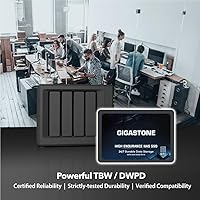
  • TBW endurance figures are not clearly published, making it difficult to assess true long-term durability before buying.
  • Verified compatibility covers only select models from Synology, QNAP, and Asustor — less common NAS units may need individual confirmation.
  • TLC NAND architecture is not well-suited for write-heavy workloads like continuous multi-camera surveillance recording or intensive database operations.
  • Competing drives such as the Seagate IronWolf SSD offer more transparent endurance documentation for buyers who need that assurance.
  • SLC cache accelerates burst speeds, but sustained write performance can taper off once the cache is exhausted on large sequential tasks.
  • Explicitly not supported in server or SAN environments, which narrows its use case compared to more versatile enterprise-grade alternatives.
  • A small but consistent subset of user reviews flags compatibility issues with NAS models not on Gigastone's official verified list.
  • One terabyte may feel restrictive for users consolidating large 4K video libraries or NVR footage from multiple cameras over time.

Ratings

The Gigastone 1TB NAS SSD holds a 4.3-star average across nearly 270 verified purchases, and the scores below are generated by AI after analyzing that global feedback — actively filtering out bot-generated, spam, and incentivized reviews to surface what real buyers genuinely experience. The resulting scorecard reflects both the drive's meaningful strengths and its honest limitations, so you can make a purchase decision based on transparent, balanced data.

Value for Money
83%
Buyers consistently position this Gigastone drive as one of the more accessible NAS SSDs at this capacity, landing well below the Seagate IronWolf SSD without sacrificing the core 24/7 endurance rating or data protection features. For home office setups and small business RAID arrays on a budget, the price-to-feature ratio is genuinely competitive.
The value proposition weakens somewhat for buyers who later discover that TBW endurance data is not published, leaving them unable to plan drive replacement cycles with any precision. Users who eventually needed warranty replacements also noted that while support was responsive, the experience of replacing a failed drive disrupts an otherwise smooth value story.
NAS Compatibility
78%
22%
The majority of buyers using Synology DS-series and QNAP TS-series enclosures report the drive being recognized immediately on first boot, with no manual configuration or firmware adjustments needed. For the three verified brands, compatibility is a consistent strong point that significantly eases the overall setup experience.
The score slips because compatibility is not universally guaranteed — some buyers with less common or older NAS models report the drive either was not recognized or was flagged as unverified in the NAS management interface. Gigastone's compatibility list covers popular current models but is not exhaustive, and the list does not always reflect newer releases promptly.
Read Performance
86%
In NAS use, 550 MB/s sequential reads translate to noticeably fast file access and smooth 4K media streaming, even when multiple users are pulling content simultaneously over a local network. Reviewers running Plex servers particularly appreciated that the drive never became a visible bottleneck during peak household usage.
Read performance scores well, but the ceiling is set by the SATA III interface rather than the drive itself — buyers who expected NVMe-class speeds were occasionally disappointed when comparing benchmarks side by side. For most NAS enclosures this distinction is irrelevant, but it is worth understanding if pushing peak throughput is a priority.
Write Endurance
61%
39%
For the light-to-moderate write workloads that define most home NAS use cases — incremental backups, occasional large file transfers, media library updates — the drive holds up well over time. Several long-term buyers running standard home storage setups report no degradation issues after a year or more of continuous operation.
TLC NAND carries inherent write endurance limitations compared to MLC or enterprise-grade NAND, and Gigastone does not publish TBW figures, making it impossible for buyers to benchmark longevity or plan replacement schedules. Users running write-intensive tasks — constant surveillance recording, heavy database operations, or frequent large backups — have raised repeated concerns about long-term durability that the drive cannot address transparently.
24/7 Reliability
79%
21%
The 24/7 continuous operation rating is not just a label — it represents a genuinely different design standard from desktop SSDs, and most buyers who have deployed this NAS-optimized SSD in always-on environments report stable, uninterrupted performance over extended periods. For Plex servers and small business shared storage, this has been its most consistently praised attribute.
A subset of reviews — representing a statistically meaningful minority — report drive failures within the first 18 months, which pulls the reliability score below the 80 mark. These failures tend to cluster around more demanding workloads, suggesting the drive is operating closer to its design limits when pushed beyond typical home NAS duties.
Installation Ease
91%
Almost universally, buyers describe installation as effortless — the 2.5-inch form factor drops straight into standard NAS bays, and the drive is recognized on first boot without driver installations or manual partitioning steps. Even users who had never installed a storage drive before found the process refreshingly straightforward.
The only friction some buyers encounter is discovering mid-setup that their specific NAS model is not on the verified compatibility list, requiring a manual check of the Gigastone site that could have been done before purchasing. There is no included setup guide beyond basic packaging, which is standard for the category but still worth flagging for first-time NAS builders.
Silent Operation
94%
The 1TB NAS solid state drive produces no audible noise whatsoever — a point buyers upgrading from spinning hard drives mention with notable enthusiasm. In home office and living room NAS setups where ambient noise matters, the transition from HDD to SSD is an immediately noticeable and consistently appreciated improvement.
Silent operation is essentially universal across all SSD products, so there is little room to differentiate here — the high score reflects a category norm rather than a unique engineering achievement specific to this drive. Buyers should not treat silence as a differentiating factor when comparing this drive against competing NAS SSDs.
Data Protection
82%
18%
Power loss protection and ECC are meaningful features for a drive living inside an always-on enclosure where unexpected shutdowns are a real-world risk. Buyers who have experienced sudden power cuts report that their NAS volumes remained intact and accessible after recovery, which is exactly the outcome these built-in safeguards are designed to deliver.
While power loss protection and ECC are present, Gigastone does not publish detailed technical documentation on the implementation — such as capacitor specifications or ECC correction levels — leaving technically minded buyers to take these claims largely on faith. A small number of reviews do cite data integrity issues following extended power events, suggesting the protection has practical limits.
Build & Durability
77%
23%
The dust, shock, and waterproof ratings are a credible addition for a drive that will spend its life inside a sealed enclosure, offering real assurance that it can handle the physical realities of the environment. Buyers report no cosmetic or structural issues on arrival, and the drive feels solid and well-assembled out of the box.
Physical resilience is one thing, but NAND cell longevity under sustained workloads is the more relevant durability concern for a NAS drive, and TLC NAND is at a structural disadvantage here. Without published TBW data it is genuinely difficult to rate long-term durability with confidence, and a handful of early failure reports factor meaningfully into this score.
Warranty & Support
84%
The five-year replacement warranty is meaningfully longer than what many competing drives at this price tier offer, and buyers who have contacted Gigastone's support team generally report a responsive, no-hassle replacement experience. The lifetime technical support inclusion is rare at this price point and adds genuine long-term reassurance.
Occasional reviews mention slower-than-expected response times during peak periods, and the warranty process — while ultimately positive — sometimes requires persistence to navigate to a resolution. The warranty also covers unit replacement rather than data recovery, so buyers should not treat it as a substitute for maintaining a proper off-device backup strategy.
Sustained Write Speed
58%
42%
For typical NAS write tasks — saving files from multiple users, running incremental backups, or transferring a photo library — the SLC cache provides a comfortable speed buffer that most home and small office users will never exhaust in daily use. Burst write performance is solid and competitive for the price class.
Once the SLC cache is saturated during a large sequential write — moving hundreds of gigabytes in a single session, for example — write speeds drop noticeably to native TLC rates, which benchmark-focused buyers find disappointing. This is an inherent TLC NAND characteristic rather than a defect, but it is an honest constraint worth understanding clearly before purchase.
Power Efficiency
88%
Solid state drives draw significantly less power than mechanical NAS hard drives, and this Gigastone drive follows that pattern — buyers running multi-bay NAS systems note reduced power consumption and less heat output compared to previous HDD configurations. For always-on setups where electricity costs accumulate over years, this is a practical and recurring financial benefit.
There is no published idle power draw or active wattage specification from Gigastone, which prevents direct comparisons with competing drives for buyers optimizing a multi-drive NAS for energy efficiency. Power efficiency is generally strong for the SSD category, but the absence of published figures leaves data-driven buyers unable to make a fully informed comparison.
RAID Performance
76%
24%
Users deploying this NAS-optimized SSD in RAID 1 and RAID 5 arrays report stable, consistent operation over extended periods, with the drive integrating cleanly into both Synology DSM and QNAP QTS RAID management interfaces. For small business RAID setups prioritizing uptime and data redundancy over raw throughput, it performs reliably day to day.
The absence of published TBW specs becomes a greater concern in RAID environments, where write amplification from parity calculations adds hidden wear to TLC NAND over time. A few buyers running multi-drive RAID arrays have noted uneven wear indicators in their NAS health monitoring tools, suggesting the drive may not handle write distribution as efficiently as premium NAS-rated alternatives.

Suitable for:

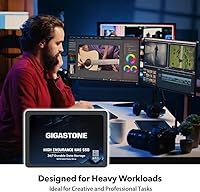
The Gigastone 1TB NAS SSD is a smart buy for anyone running a home office or small business NAS that stays powered on around the clock. If you use a Synology, QNAP, or Asustor enclosure for Plex media streaming, personal cloud backup, or collaborative file sharing across multiple users, this NAS-optimized SSD covers all of those workloads without breaking a sweat. Creative professionals who store and access large photo libraries or 4K video projects on a local NAS will find the 550 MB/s read speed more than adequate for their daily pipeline. It is also a genuinely worthwhile upgrade for anyone still running mechanical hard drives in their NAS bay — the jump to silent, low-power solid state storage is immediately noticeable. Small businesses building a RAID array on a budget will appreciate the five-year warranty and lifetime tech support, which add real peace of mind at this price tier.

Not suitable for:

The Gigastone 1TB NAS SSD is not the right fit for every buyer, and it is worth being clear about where it falls short. If you are running an enterprise-grade SAN environment or a dedicated server with high-throughput demand, Gigastone explicitly advises against using this drive in those setups — it was simply not engineered for that level of sustained write pressure. TLC NAND, while solid for typical NAS workloads, does have endurance ceilings, and Gigastone does not prominently publish TBW figures, which is a genuine concern if your NAS handles constant heavy database writes or surveillance video recording from many cameras simultaneously. Buyers who need verified compatibility with a specific or less common NAS model should cross-check Gigastone's official compatibility list before purchasing, as the verified brand support covers popular platforms but is not a blanket guarantee. If you prioritize fully documented endurance specs above all else, drives like the Seagate IronWolf SSD or Samsung 870 EVO are worth a direct comparison before committing.

Specifications

  • Storage Capacity: The drive provides 1TB of solid state storage, sized for NAS deployments handling media libraries, shared file access, backups, and personal cloud workloads.
  • Form Factor: It uses a standard 2.5-inch body measuring 7mm in height, fitting the drive bays of most consumer and prosumer NAS enclosures without a spacer or adapter.
  • Interface: The drive connects via SATA III at 6 Gb/s, the interface standard found in the large majority of home and small business NAS enclosures on the market.
  • Sequential Read: Sequential read speeds reach up to 550 MB/s, which is sufficient for serving 4K media streams and handling simultaneous multi-user file requests over a local network.
  • NAND Type: Storage is built on TLC 3D NAND flash paired with an SLC write cache, which helps sustain burst performance during the mixed read-write patterns typical of NAS operation.
  • Operation Rating: The drive carries a 24/7 continuous operation rating, distinguishing it from standard desktop SSDs that are not designed or tested for always-on environments.
  • Data Protection: Built-in power loss protection circuitry and Error Correcting Code (ECC) work together to reduce the risk of data corruption during unexpected power interruptions.
  • Compatible Devices: The drive is intended for use in NAS enclosures, NVR systems, RAID arrays, and personal cloud storage setups; it is not recommended for server or SAN environments.
  • Verified Brands: Gigastone has tested and confirmed compatibility with select Synology, QNAP, and Asustor NAS models; buyers should verify their specific model against Gigastone's official compatibility list.
  • Durability Ratings: The drive is rated as dust resistant, shock resistant, and waterproof, providing additional resilience suited to sealed enclosure environments.
  • Warranty: Gigastone provides a 5-year replacement warranty covering manufacturing defects under normal operating conditions.
  • Technical Support: Lifetime free technical support is included, giving buyers direct access to Gigastone's support team for the full service life of the drive.
  • Installation: The drive is installed internally inside a compatible NAS enclosure, NVR, or RAID chassis; it is not designed for external or portable use.
  • Weight: The drive weighs 1.41 ounces (approximately 40g), consistent with the lightweight build typical of 2.5-inch solid state drives.
  • Model Number: The manufacturer model identifier is GS-SSD-8400-1TB-B, which can be used to cross-reference compatibility with specific NAS enclosure models.

Related Reviews
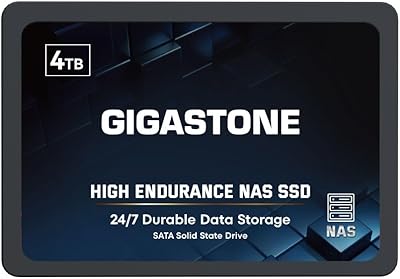
Gigastone 4TB NAS Internal SATA SSD
81%
88%
Endurance & Reliability
91%
NAS Compatibility
87%
Data Integrity Protection
68%
Write Performance
63%
Value for Money
More
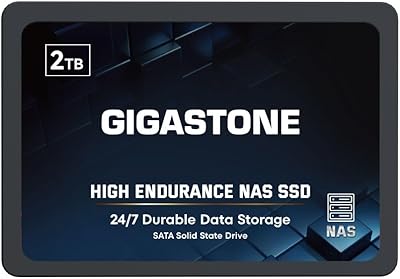
Gigastone 2TB NAS Internal SSD
83%
91%
NAS Compatibility
83%
Endurance & 24/7 Operation
78%
Value for Money
93%
Installation Experience
86%
Read Performance
More
Western Digital Red SA500 1TB NAS SSD
85%
94%
NAS Compatibility
88%
Read Performance
76%
Write Performance
91%
24/7 Reliability
67%
Value for Money
More
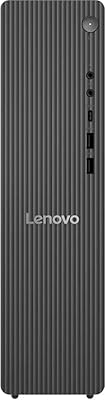
Lenovo IdeaCentre Business Desktop | Intel Core i3-12100 | 32GB RAM | 1TB SSD + 1TB HDD
83%
88%
Performance for Business Tasks
85%
Multitasking Efficiency
91%
Storage Speed & Capacity
87%
Connectivity Options
80%
Overall Build Quality
More
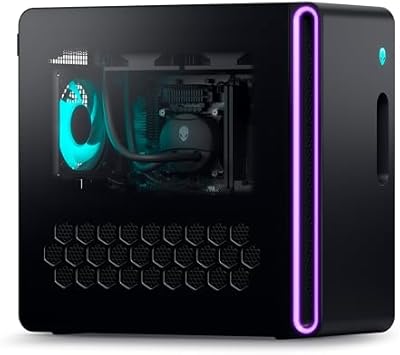
Alienware Aurora R16 Gaming Desktop
77%
86%
Gaming Performance
83%
Thermal Management
81%
Build Quality
74%
Noise Levels
62%
Value for Money
More
RONGSHU RS001 1TB NVMe SSD
75%
91%
Value for Money
88%
Read/Write Speed
93%
PS5 Compatibility
53%
Brand Trustworthiness
71%
Thermal Management
More
Fikwot FX815 1TB SSD
90%
94%
Read Speed Performance
91%
Write Speed Performance
88%
Durability & Shock Resistance
92%
Power Efficiency
87%
Ease of Installation
More
Lexar NS100 1TB Internal SSD
80%
88%
Value for Money
83%
Read Performance
69%
Write Performance
94%
Installation Ease
87%
Boot Time Improvement
More
Lexar NM620 SSD 1TB
Lexar NM620 SSD 1TB
89%
95%
Read Performance
93%
Write Performance
91%
Durability & Build Quality
88%
Ease of Installation
90%
Compatibility with Systems
More
DATO DP330 1TB M.2 2230 NVMe SSD
78%
83%
Read Speed Performance
78%
Write Speed Performance
93%
Form Factor Compatibility
61%
Thermal Management
88%
Power Efficiency
More

FAQ

In most cases, yes. Gigastone has verified compatibility with a range of Synology, QNAP, and Asustor models, and buyers consistently report plug-and-play recognition with no manual configuration needed. That said, it is always worth checking your specific NAS model number against Gigastone's official compatibility list before purchasing, since verified support does not extend to every model in those lineups.

Desktop SSDs are not rated for 24/7 continuous operation, and the constant workload and heat generated by an always-on NAS can shorten their lifespan considerably. This NAS-optimized SSD is built with the thermal tolerance, endurance characteristics, and data protection features — like power loss protection and ECC — that a persistently running storage system actually demands.

Yes, it handles that use case well. The 550 MB/s read speed is more than enough for 4K media playback and serving a few simultaneous streams, and the silent operation is a genuine plus if your NAS lives in a living room or shared office space.

Yes — NAS RAID configurations are one of the primary intended use cases for this drive. Users running RAID 1 mirroring or RAID 5 parity arrays report stable recognition and consistent performance across multiple bays.

It means the drive has been tested and rated to run without ever powering down, which is exactly how a NAS operates in a home office or business setting. Standard desktop SSDs are not certified for this, and running them continuously around the clock increases the risk of early wear and unexpected failure.

For a modest NVR setup with a small number of cameras, this NAS-optimized SSD should handle it reasonably well. However, large-scale surveillance systems that write data continuously from many cameras around the clock put heavy, sustained stress on any drive, and for those setups a drive with higher published TBW endurance — or a purpose-built surveillance HDD — is worth considering instead.

Gigastone offers a 5-year replacement warranty, and multiple buyers have noted that their support team is accessible and responsive when a legitimate replacement is needed. You will typically need your proof of purchase and the drive's model number to open a claim. The included lifetime technical support also means you can reach out for troubleshooting help at any point, regardless of when you purchased.

The Gigastone 1TB NAS SSD tends to come in at a lower price point, which makes it an appealing option for home users and small businesses managing storage costs. The IronWolf SSD, on the other hand, publishes more detailed endurance specifications and carries stronger name recognition in prosumer circles. If documented TBW figures and brand pedigree matter to you — or if you are planning write-intensive workloads — the IronWolf is worth the price difference.

Technically yes — it is a standard 2.5-inch SATA SSD and will function in any compatible laptop or desktop. It will work fine, but it is engineered and priced for NAS environments, so you would not necessarily be getting the best value for everyday PC use compared to a drive designed specifically for that purpose.

The SLC cache is effective for the burst-style workloads that most NAS tasks involve — file access, backups, media serving. For very large sequential write jobs, such as transferring several hundred gigabytes in a single session, the drive may slow once the cache is saturated and falls back to native TLC write speeds. For the typical home or small business NAS user, this is rarely a practical concern day to day.