Overview

The GIGABYTE Radeon RX 9070 XT Gaming OC 16G arrives as AMD's most compelling RDNA 4 launch in years, targeting the sweet spot between mid-range pricing and near-flagship performance. Sixteen gigabytes of GDDR6 VRAM is genuinely meaningful at this tier — most competing cards still ship with 12GB, and that gap shows up in memory-hungry titles and high-resolution texture packs. GIGABYTE differentiates its take with WINDFORCE cooling and a dual BIOS switch rather than leaving buyers with a stock blower. PCIe 5.0 support and 8K-capable output round out a spec sheet that looks solidly future-proof, even if most buyers won't push those limits today.

Features & Benefits

GIGABYTE's WINDFORCE system uses Hawk Fan blades designed to move more air at lower RPM, keeping the card noticeably quieter under sustained gaming loads than older designs. The server-grade thermal gel on the GPU die — rather than standard pads — should maintain consistent contact over years of use, which matters more for long-term stability than any single benchmark. The dual BIOS switch offers a genuine choice: Performance mode targets the full 2600 MHz factory overclock, while Silent mode trims fan curves at a modest cost to peak clocks. RGB lighting is present but restrained enough to sit behind a tinted panel without overwhelming a build, and DisplayPort outputs support resolutions up to 8K display compatibility for anyone planning ahead.

Best For

This RDNA 4 GPU is the most obvious recommendation for 1440p high-refresh-rate gaming — it has the headroom to push triple-digit framerates in demanding titles without the premium attached to top-tier cards. At 4K, expect strong results in well-optimized games, though ray-tracing-heavy workloads will still test the limits of any card in this class. Content creators handling video editing or light 3D work will find 16GB of VRAM a genuine buffer against the memory pressure that 8GB and 12GB cards hit regularly. Do check case clearance before ordering: at nearly 15.7 inches long, the Gaming OC card is a tight fit in compact mid-towers and a non-starter for mini-ITX builds.

User Feedback

With a 4.7-star average across nearly 400 ratings, the reception for this GIGABYTE RX 9070 XT is about as strong as it gets at launch. Most buyers single out thermal performance — temperatures under load come in consistently below expectations, and fan noise on Performance mode is described as acceptable rather than intrusive. The factory overclock earns credit for feeling snappier than reference alternatives, though buyers are clear the gains are real but not dramatic. The honest friction point is early driver stability: a handful of reviewers hit occasional crashes shortly after launch, though subsequent AMD updates appear to have resolved most of them. Packaging and build quality draw consistent praise across the board.

Pros

  • 16GB of GDDR6 VRAM is unusually generous at this price point and future-proofs the card against memory-hungry titles.
  • WINDFORCE cooling keeps temperatures comfortably in check during long gaming sessions without sounding like a jet engine.
  • The dual BIOS switch gives users a real, practical choice between maximum performance and quieter daily operation.
  • Server-grade thermal gel on the die should maintain contact quality and thermal consistency over years of use.
  • Massive generational leap for anyone upgrading from an RX 5700 XT or RTX 3070 era card.
  • Factory overclock at 2600 MHz delivers tangible gains over reference boards without requiring manual tuning.
  • PCIe 5.0 support and 8K-capable DisplayPort output keep the card relevant well beyond its launch year.
  • Build quality and packaging draw consistent praise, with the card arriving well-protected and feeling solidly assembled.
  • 1440p high-refresh-rate gaming is handled with real headroom, making frame-rate dips in demanding titles rare.

Cons

  • At nearly 15.7 inches long, the Gaming OC card will not fit in many compact or small form factor cases.
  • RDNA 4 driver maturity is still catching up — early adopters faced crashes and instability that required clean driver reinstalls.
  • No HDMI output limits hookup flexibility for TV setups or older monitors without a DisplayPort adapter.
  • RGB Fusion software is inconsistent and can lose sync settings after driver updates, frustrating buyers in mixed-brand builds.
  • Silent BIOS mode introduces thermal throttling risk under sustained heavy loads in warm or poorly ventilated cases.
  • The factory overclock advantage over cheaper stock-clocked RX 9070 XT boards is real but modest — not a dramatic uplift.
  • Buyers on PCIe 3.0 platforms cannot fully utilize the card and may need a broader system upgrade to benefit.
  • Availability at MSRP has been inconsistent since launch, with street prices occasionally inflating the value case significantly.
  • Weighing nearly 4 pounds with a large footprint, the card adds real stress to the PCIe slot without proper case support.

Ratings

The GIGABYTE Radeon RX 9070 XT Gaming OC 16G earns its place near the top of the mid-to-high-end GPU market in 2025, and the scores below reflect exactly that — no inflation, no softening of real pain points. Our AI has processed verified global buyer reviews, actively filtering out incentivized submissions and bot patterns, to surface an honest picture of what owners actually experience after weeks and months of real use. Strengths are recognized where they are genuinely earned, and friction points are called out with the same candor.

Gaming Performance
93%
Buyers consistently report that the Gaming OC card handles 1440p at high refresh rates with impressive headroom to spare — titles like Cyberpunk 2077 and Hogwarts Legacy run smoothly without manual tuning. The RDNA 4 architecture brings real generational gains over RX 5700 XT and RTX 3070-era cards that owners upgrading from those generations immediately notice.
Ray-tracing performance, while improved over prior RDNA generations, still trails Nvidia counterparts at equivalent price points in heavily RT-dependent titles. A small segment of buyers testing at 4K ultra settings in the most demanding games report occasional dips that break the 60 fps floor.
Thermal Management
91%
The WINDFORCE cooling system with Hawk Fan blades consistently impresses owners who monitor GPU temps — most report junction temperatures staying well under 90°C even during multi-hour sessions in warm rooms. The server-grade thermal gel on the die appears to maintain contact quality over time, something buyers who previously dealt with dried-out thermal pads on older cards specifically appreciate.
A handful of reviewers running the card in poorly ventilated cases or compact mid-towers report that the three-fan setup has limited room to exhaust heat effectively, pushing temps higher than the marketing implies. Gains over competing cooler designs are real but not dramatic enough to be the sole purchase reason.
Noise Level
86%
On Performance mode, most owners describe fan noise as a background hum rather than an intrusive whine — a meaningful step up from blower-style reference coolers they replaced. The Silent BIOS mode earns specific praise from users in living room setups or open-plan offices where coil whine and fan ramp-up are genuinely disruptive.
Silent mode does reduce fan curves meaningfully, but buyers should know it comes at a measurable — if modest — cost to peak boost clock behavior under sustained load. Those pushing the card hard in warm environments on Silent mode occasionally see thermal throttling that would not occur on the Performance BIOS.
VRAM & Memory Capacity
94%
Sixteen gigabytes of GDDR6 at this price tier is one of the most talked-about aspects in buyer reviews, and for good reason — owners running high-resolution texture mods, multi-monitor setups, or video editing workflows report zero memory pressure that plagues 8GB and 12GB alternatives. Content creators mention being able to run DaVinci Resolve projects with 4K proxies without hitting the VRAM ceiling that previously forced project compromises.
For buyers whose workloads are limited strictly to 1080p or light 1440p gaming, the 16GB advantage is largely untapped today, meaning they are paying a capacity premium that only pays off at higher resolutions or in future titles. There is no 8GB or 12GB variant to step down to if budget is the primary concern.
Driver Stability
67%
33%
Buyers who installed the card after the first few AMD Adrenalin software updates report a noticeably cleaner experience than early adopters faced at launch, with most day-to-day gaming sessions running without incident. Owners using the card strictly for gaming on mature, well-supported titles rarely surface driver complaints in their reviews.
Early adopter reviews are candid about launch-window instability — black screens, occasional crashes in specific DirectX 12 titles, and one-off system hangs were reported with enough frequency to be a genuine pattern rather than isolated cases. Buyers who update drivers promptly fare better, but the RDNA 4 driver ecosystem is still maturing compared to Nvidia's more established stack.
Build Quality & Materials
89%
GIGABYTE's build quality on the Gaming OC variant draws consistent praise — reviewers describe the card as feeling dense and well-assembled out of the box, with a reinforced backplate that eliminates the sag concerns common with heavy three-fan designs. Packaging is noted as protective and thoughtful, with multiple buyers commenting that the card arrived without damage despite rough shipping handling.
Some reviewers note the plastic shroud, while solid, does not feel quite as premium as the metal-accented designs found on higher-tier GIGABYTE AORUS variants at a higher price. The aesthetic is functional rather than exceptional, which matters to buyers who prioritize the visual presentation of their build.
Factory Overclock Value
78%
22%
The 2600 MHz boost clock delivers real-world gains that show up in benchmark comparisons against reference-clocked RX 9070 XT boards — typically a few percentage points of extra performance that buyers notice when comparing frame time graphs side by side. For users who prefer not to manual overclock, getting that headroom pre-validated out of the box removes friction.
The performance premium over a stock-clocked RX 9070 XT is real but incremental — buyers expecting a dramatic uplift from the OC designation may feel the gap does not fully justify a price difference versus cheaper non-OC variants. Experienced overclockers will likely push past the factory tune anyway, making the pre-OC less relevant for that audience.
Physical Size & Fit
61%
39%
In full-size ATX towers, the card slots in cleanly and the physical length rarely causes clearance issues — buyers with standard mid and full towers report an uncomplicated installation process. The weight, at just under 4 pounds, is manageable and the included metal brace does its job keeping the PCIe slot stress-free.
At 15.67 inches long, this RDNA 4 GPU is simply too large for many compact mid-tower cases, and is a non-starter for small form factor or mini-ITX builds — several reviewers discovered this the hard way after purchase. Buyers should measure their case interior carefully before ordering, as the card also occupies significant vertical space in the motherboard area.
RGB Lighting
74%
26%
The RGB implementation is restrained enough that it does not look garish in a windowed case — buyers appreciate that the lighting accents the card without dominating the aesthetic. Software control via GIGABYTE RGB Fusion integrates acceptably with existing GIGABYTE ecosystem components for those already running the software.
RGB Fusion has a reputation for being finicky, and some reviewers encountered sync issues or lighting that reverted to default patterns after driver updates. Buyers using non-GIGABYTE components who expected easy cross-brand RGB sync found the integration less cooperative than hoped.
Display Output & Connectivity
82%
18%
DisplayPort support up to 7680x4320 means this Gaming OC card is genuinely ready for 8K displays and high-refresh 4K monitors without adapter workarounds, which multi-monitor buyers specifically mention appreciating. Owners running triple 1440p monitor setups report clean output without signal instability.
The absence of HDMI output is a recurring frustration noted by buyers connecting to TVs or older monitors that lack DisplayPort — it limits hookup flexibility in living room or media center configurations without a dongle. This is a deliberate design choice, but one that catches some buyers off guard.
PCIe 5.0 Future-Proofing
77%
23%
Running on a PCIe 5.0 x16 slot positions the card well for the next generation of high-bandwidth workloads, and buyers building on newer AM5 or Intel platforms appreciate not leaving interface bandwidth on the table. For anyone building a system they intend to keep for five-plus years, the PCIe 5.0 support is a genuine long-term asset.
In practical 2025 gaming and productivity workloads, the real-world difference between PCIe 5.0 and PCIe 4.0 is effectively unmeasurable — buyers on older PCIe 4.0 platforms lose nothing tangible today. The spec is more insurance policy than active performance differentiator at this moment.
Installation Experience
83%
Most buyers describe a smooth plug-and-play installation — the card is recognized correctly on first boot by current AMD driver packages, and those familiar with GPU swaps report it taking under 15 minutes from unboxing to in-game. The dual BIOS switch is clearly labeled and easy to access before the card is seated.
A subset of early reviewers ran into AMD Software Adrenalin setup hiccups that required a clean driver install using DDU before the software behaved correctly — something experienced builders know to do but that trips up first-time AMD converts. Documentation included with the card is minimal.
Value for Money
84%
Compared to Nvidia alternatives offering similar gaming performance, buyers repeatedly cite the 16GB VRAM advantage as tipping the value equation in the Gaming OC card's favor — more memory at a comparable price is a tangible differentiator. Owners upgrading from previous-generation mid-range cards describe the performance-per-dollar as the best they have experienced in years.
Availability fluctuations at launch pushed street prices above MSRP in several regions, which dampened the value case for buyers who paid a scalper premium. At inflated prices, the value proposition weakens noticeably against Nvidia options that have more stable driver histories.

Suitable for:

The GIGABYTE Radeon RX 9070 XT Gaming OC 16G is built for gamers who want to play at 1440p with high refresh rates — 144Hz and above — without spending flagship GPU money, and it delivers that experience with genuine headroom to spare. Builders upgrading from an RX 5700 XT, RTX 3070, or anything older will feel the generational gap immediately, both in raw frame rates and in how the card handles modern open-world titles that punish smaller VRAM buffers. The 16GB of GDDR6 also makes this a legitimate option for video editors and light 3D artists who regularly bump against memory limits on 8GB or 12GB cards mid-project. At 4K, it handles well-optimized titles at medium-to-high settings comfortably, making it a reasonable path for buyers who occasionally want to push resolution without committing to a top-tier card price. Users in living rooms or shared spaces who prioritize quiet operation will find the Silent BIOS mode a practical option, as long as they understand it trades a bit of peak performance for calmer fan behavior. Anyone building on a modern AM5 or Intel platform who wants a card that will not be a bottleneck for the next several years will also find the PCIe 5.0 support and 8K output capability reassuring for long-term planning.

Not suitable for:

The GIGABYTE Radeon RX 9070 XT Gaming OC 16G is the wrong choice for anyone building in a compact mid-tower or small form factor case — at nearly 15.7 inches long, it physically will not fit in many popular smaller enclosures, and buyers who skip the measurement step before ordering tend to leave frustrated reviews. It is also a poor fit for users who need bulletproof driver stability out of the box: the RDNA 4 platform is still maturing, and anyone running professional software, niche emulators, or specific DirectX 11 titles should verify AMD driver support before committing. Buyers primarily gaming at 1080p will find most of the card's capabilities — particularly the 16GB VRAM and factory overclock headroom — going largely unused, making cheaper alternatives a smarter financial call for that use case. If you need HDMI output for a TV or older display in a media room setup, this card will require an adapter since it ships with DisplayPort only, which adds friction to what should be a simple hookup. Finally, anyone still on a PCIe 3.0 platform will not extract the full potential of this RDNA 4 GPU, and should consider whether a platform upgrade should come first.

Specifications

  • GPU Architecture: Built on AMD's RDNA 4 architecture using the Radeon RX 9070 XT compute die, representing AMD's most significant mid-to-high-end GPU generation in several years.
  • VRAM: Equipped with 16GB of GDDR6 video memory, providing substantial headroom for high-resolution textures, multi-monitor setups, and memory-intensive creative workloads.
  • Boost Clock: Factory overclocked to 2600 MHz boost clock out of the box, exceeding the reference RX 9070 XT specification without requiring manual tuning from the user.
  • PCIe Interface: Uses a PCIe 5.0 x16 interface, ensuring full bandwidth compatibility with current-generation AM5 and Intel platforms while remaining backward compatible with PCIe 4.0 and 3.0 slots.
  • Cooling System: GIGABYTE WINDFORCE triple-fan cooling system with Hawk Fan blade design, engineered to maximize airflow volume at lower rotational speeds for quieter sustained operation.
  • Thermal Interface: Server-grade thermal conductive gel is applied directly to the GPU die instead of conventional thermal pads, promoting consistent heat transfer and long-term contact stability.
  • BIOS Modes: Dual BIOS switch provides two selectable firmware profiles — Performance mode targets maximum clock speeds while Silent mode reduces fan curve aggressiveness at a modest clock trade-off.
  • Video Output: Outputs video exclusively via DisplayPort, supporting resolutions up to 7680x4320 (8K) for compatibility with current high-resolution and multi-display configurations.
  • Max Resolution: Certified for a maximum output resolution of 7680x4320 pixels, making it capable of driving an 8K display or multiple high-resolution monitors simultaneously.
  • Card Length: The card measures 15.67 inches (approximately 398 mm) in length, requiring careful case clearance verification before installation, particularly in compact mid-tower enclosures.
  • Card Width: Card width measures 9.05 inches, occupying a standard dual or triple-slot footprint depending on the specific case and motherboard slot spacing.
  • Weight: The card weighs 3.91 pounds (approximately 1.77 kg), which is substantial enough to warrant a PCIe slot support bracket in cases that do not provide internal GPU bracing.
  • RGB Lighting: Onboard RGB lighting is controllable via GIGABYTE's RGB Fusion software, allowing color and effect customization to match the rest of a GIGABYTE-equipped build.
  • Color & Finish: Ships in a black finish with a dark shroud aesthetic that suits most windowed case builds without requiring a specific color-matched theme.
  • Form Factor: Classified as a dedicated discrete graphics card intended for full-size desktop systems with standard ATX or extended ATX motherboards and adequate case depth.
  • BSR Ranking: Holds a Best Sellers Rank of #44 in Computer Graphics Cards on Amazon, reflecting strong early sales velocity and sustained buyer demand following its March 2025 launch.
  • Launch Date: First made available on March 6, 2025, placing it among the earliest retail listings for RDNA 4-based graphics cards in the consumer market.
  • Model Number: Official GIGABYTE model designation is GV-R9070XTGAMING OC-16GD, which can be used to verify compatibility lists, driver support pages, and warranty registration portals.

Related Reviews
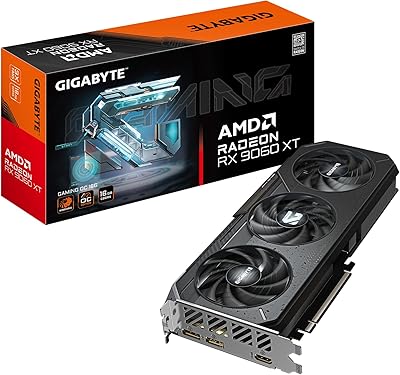
GIGABYTE Radeon RX 9060 XT Gaming OC 16G
83%
93%
1440p Gaming Performance
96%
Memory Capacity (VRAM)
89%
Thermal Management
84%
Acoustic Performance
87%
Build Quality & Materials
More
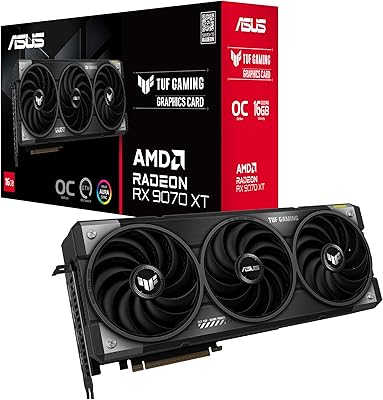
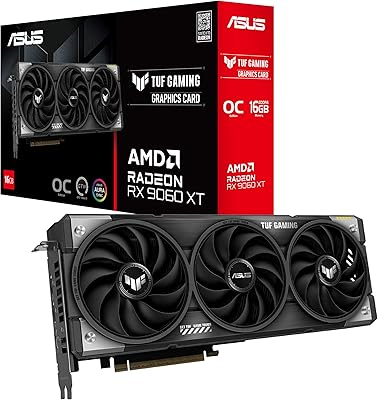
ASUS TUF Gaming Radeon RX 9070 XT OC Edition 16GB
84%
92%
Performance in Demanding Games
90%
Cooling Efficiency
88%
4K Gaming Capability
87%
Durability and Build Quality
85%
Setup and Installation
More
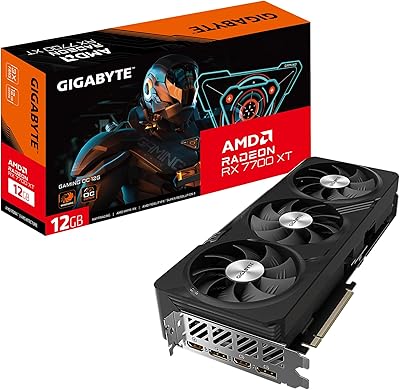
GIGABYTE Radeon RX 7700 XT Gaming OC 12G Graphics Card
86%
94%
Gaming Performance
89%
Cooling System
83%
Price-to-Value Ratio
90%
4K Gaming Experience
88%
8K Resolution Support
More
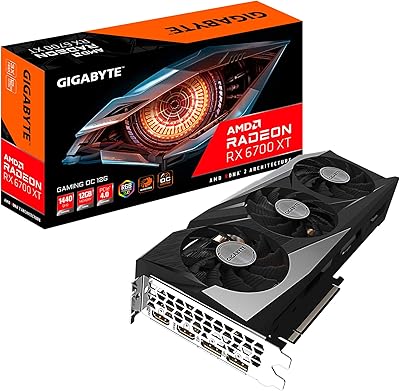
GIGABYTE Radeon RX 6700 XT Gaming OC 12GB Graphics Card
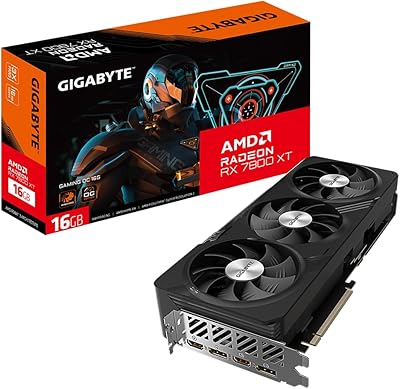
87%
94%
4K Gaming Performance
91%
Cooling System Efficiency
88%
Installation and Setup
86%
Design and Durability
89%
Frame Rates in Demanding Games
More
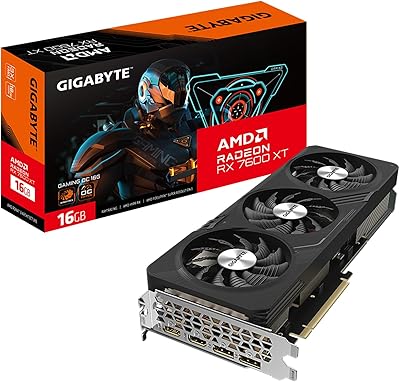
GIGABYTE Radeon RX 7600 XT Gaming OC 16GB Graphics Card
86%
91%
Performance in Gaming
88%
Thermal Management
85%
Build Quality
74%
Noise Levels Under Load
95%
Ease of Installation
More
GIGABYTE Radeon RX 7800 XT Gaming OC 16GB Graphics Card
86%
94%
Gaming Performance (1440p/4K)
89%
Cooling Efficiency
84%
Installation & Setup
87%
Value for Money
91%
Build Quality
More
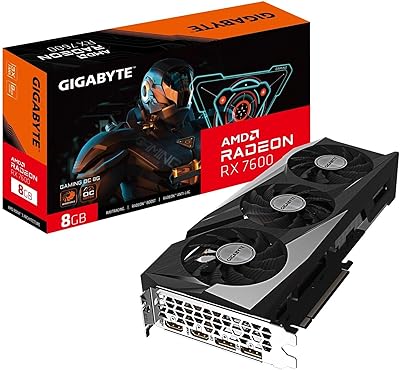
Gigabyte Radeon RX 7600 Gaming OC 8GB
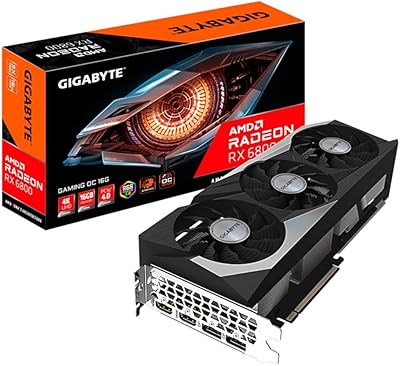
86%
91%
Gaming Performance
87%
Thermal Management
85%
Build Quality
88%
Cooling Noise
90%
Display Compatibility
More
Gigabyte Radeon RX 6800 Gaming OC 16GB Graphics Card
86%
92%
Gaming Performance
89%
Cooling Efficiency
84%
Noise Levels
90%
Build Quality
87%
Ease of Installation
More
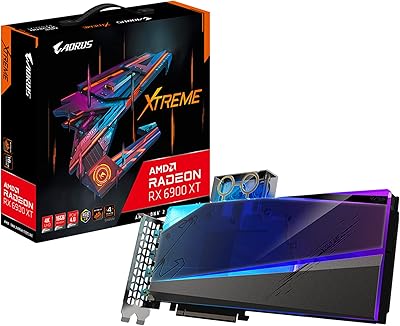
GIGABYTE AORUS Radeon RX 6900 XT Xtreme WATERFORCE WB 16G
86%
96%
4K Gaming Performance
92%
Cooling Efficiency
89%
Build Quality
85%
Ease of Installation
78%
Power Consumption
More
Sapphire Pure AMD Radeon RX 7800 XT Gaming OC 16GB GDDR6
84%
92%
Gaming Performance
94%
Cooling Efficiency
91%
4K Gaming Experience
88%
Build Quality
90%
Noise Levels
More

FAQ

It depends on your specific case. The Gaming OC card is nearly 15.7 inches long, which exceeds the maximum GPU length supported by many popular compact and mid-tower cases. Before ordering, check your case specs for maximum GPU clearance — most manufacturers list this clearly in the product documentation or on their website. Full-size ATX towers generally have no issue, but anything marketed as a compact or slim mid-tower is worth double-checking.

It arrives factory overclocked to 2600 MHz boost clock with no manual tuning required on your end. GIGABYTE validates and applies the overclock at the firmware level, so you get that performance from the moment you install it. If you want to push further, tools like MSI Afterburner or AMD's own software still work fine on top of the factory tune.

The physical switch on the card selects between two firmware profiles — Performance mode runs the full factory overclock with more aggressive fan behavior, while Silent mode dials back the fan curves for quieter operation. Most users can leave it on Performance mode without issue. Silent mode is worth trying if you game in a quiet room or living room setup, but be aware that under heavy sustained loads in warm environments it can allow temperatures to climb higher than Performance mode would.

Yes, PCIe 5.0 is fully backward compatible with PCIe 4.0 and 3.0 slots. The card will run without any compatibility issues on an older platform. The practical performance difference between running it on PCIe 4.0 versus 5.0 is negligible in current gaming workloads, so you will not notice a meaningful gap in day-to-day use.

In rasterization-heavy titles, the two cards trade blows closely depending on the game and resolution — the RX 9070 XT generally holds its own and sometimes pulls ahead at 1440p. The RTX 4070 Super has an edge in ray-tracing workloads and benefits from Nvidia's more mature driver ecosystem. The key differentiator here is the 16GB of VRAM versus the 12GB on the 4070 Super, which matters for memory-intensive games and creative applications at higher resolutions.

RDNA 4 launched with some rough edges in AMD's Adrenalin driver software — early adopters reported occasional crashes and black screen events in specific titles, particularly around launch in early 2025. AMD has pushed several updates since then that resolved the majority of reported issues. The safest approach is to do a clean driver install using DDU (Display Driver Uninstaller) when you first set up the card, and keep your drivers updated. If you rely on specific professional software or niche applications, verify AMD's compatibility notes before purchasing.

No, this card outputs exclusively through DisplayPort. If you need to connect to a TV or a monitor that only has HDMI, you will need a DisplayPort-to-HDMI adapter or cable. Active adapters generally work well for this purpose, but it is an extra step worth factoring in if your setup depends on HDMI.

Most owners describe it as noticeable but not intrusive on Performance mode — audible if your case has open vents, but not the kind of fan noise that dominates a room. On Silent mode, fan noise drops further and many users describe it as barely perceptible during normal gaming sessions. The card also supports zero-RPM fan stop at idle and light loads, so it runs completely silent when you are browsing or watching video.

It is both, honestly. Right now, 16GB makes a real difference in a specific set of scenarios: gaming at 4K with high-resolution texture packs, running multiple monitors, using the card for video editing in DaVinci Resolve or Premiere, and playing titles that are already pushing past 8GB at higher settings. For standard 1440p or 1080p gaming in most titles, 16GB is more than you need today — but having that buffer means you are unlikely to face VRAM bottlenecks for years longer than a 12GB or 8GB alternative.

AMD recommends at least a 700W power supply for the RX 9070 XT platform, but most builders targeting a stable, headroom-comfortable setup pair it with an 850W unit. If your current PSU is aging, has suspect capacitors, or is a budget-tier 80 Plus White unit, this is a good moment to upgrade — a quality 80 Plus Gold 850W supply gives you comfortable overhead and better voltage regulation under sustained GPU and CPU load.