Overview

The GIGABYTE GeForce RTX 5060 Ti WINDFORCE MAX OC 16G lands in a compelling spot within the RTX 50-series lineup — capable enough to satisfy demanding gamers, yet priced well below the flagship tier. What makes this Blackwell-based GPU stand out immediately is the 16GB GDDR7 memory, which is rare at this price point; most competing cards ship with half that. GIGABYTE's WINDFORCE MAX cooling separates it from reference designs right out of the box. The PCIe 5.0 interface adds useful longevity for future builds. Just be clear-eyed going in: this card is built for strong 1440p performance, and while it handles 4K in many titles, it is not a replacement for higher-end options.

Features & Benefits

The memory bandwidth story here is more nuanced than a spec sheet implies. Yes, the 128-bit bus is narrower than some competitors — buyers researching this card will likely have spotted that already — but GDDR7 running at 28,000 MHz pushes enough throughput to prevent it from becoming a real-world bottleneck in most gaming scenarios. The WINDFORCE MAX cooling pairs Hawk fans with server-grade thermal gel to hold temperatures steady under sustained load, letting boost clocks remain consistent without the fans ramping up loudly. DLSS 4 frame generation adds practical fps headroom in supported titles, and the reinforced structural frame keeps the card sitting level in your chassis over time.

Best For

This GIGABYTE RTX 5060 Ti is most at home in a 1440p gaming rig, where it pushes strong framerates across AAA and competitive titles without breaking a sweat. Content creators handling video editing or moderate 3D rendering will find the 16GB VRAM buffer particularly useful — it is noticeably more headroom than 8GB alternatives offer. Upgraders coming from RTX 30-series or older AMD hardware will feel a meaningful performance step up. The card fits cleanly in most mid-tower and full-tower cases, and its PCIe 5.0 interface means it pairs well with next-gen platforms without compatibility concerns. No liquid cooling required.

User Feedback

Owners of the WINDFORCE MAX card are broadly satisfied, and the feedback pattern is consistent: cooling and noise levels get praised repeatedly, with many buyers reporting quieter operation and lower temperatures than anticipated under real gaming loads. The 16GB VRAM comes up often as the deciding factor over competing 8GB cards, especially among users running texture-heavy games or multitasking between applications. On the downside, a portion of early adopters reported driver stability hiccups at launch — not unusual for a new GPU generation, but worth factoring in if you need a rock-solid setup right away. Physical installation is consistently described as straightforward, and the card fits without issue in standard mid-tower builds.

Pros

  • 16GB GDDR7 memory is genuinely rare at this price point and adds real future-proofing.
  • The WINDFORCE MAX card runs impressively quiet at idle, with fans that spin down under light loads.
  • Sustained gaming temperatures stay well within safe ranges without aggressive fan curves.
  • DLSS 4 frame generation delivers a meaningful fps boost in supported titles on high-refresh monitors.
  • The reinforced frame prevents GPU sag without needing a separate support bracket in standard builds.
  • PCIe 5.0 support ensures compatibility with next-gen platforms without needing an adapter or upgrade.
  • 1440p performance across AAA and competitive titles is consistently strong for the price tier.
  • Server-grade thermal gel adds confidence in long-term cooling stability compared to cheaper thermal solutions.
  • Standard mid-tower and full-tower installation is straightforward, with broad slot compatibility across generations.

Cons

  • Native 4K at maximum settings in demanding titles pushes the 128-bit bus noticeably.
  • Early launch drivers carried stability complaints that required post-release updates to resolve.
  • Buyers primarily playing older titles without DLSS support will see little benefit from DLSS 4.
  • The value calculation gets tighter for buyers comparing raw specs rather than real-world GDDR7 throughput.
  • PCIe 5.0 benefits are largely theoretical today and offer no measurable gaming advantage in current titles.
  • Included accessories and in-box documentation are minimal for buyers expecting a premium unboxing experience.
  • Small-form-factor and compact case builders need to verify clearance carefully before purchasing.

Ratings

The GIGABYTE GeForce RTX 5060 Ti WINDFORCE MAX OC 16G has accumulated a substantial body of verified buyer feedback globally, and our AI rating system has analyzed that pool — filtering out incentivized reviews, duplicate submissions, and bot-generated content — to surface what real owners actually experience. Scores reflect both the card's genuine strengths and its honest limitations, so you get a clear picture before committing to a purchase.

1440p Gaming Performance
91%
Owners running games at 1440p consistently report high, stable framerates across demanding AAA titles and fast-paced competitive shooters alike. The Blackwell architecture combined with DLSS 4 frame generation gives this card a noticeable edge in supported titles, making high-refresh-rate 1440p gaming feel accessible without chasing a flagship price.
A handful of users pushing the absolute highest settings in the most demanding titles note occasional frame drops that a higher-tier card would handle more smoothly. It is a strong 1440p card, but not an untouchable one — expectations need to stay realistic.
Thermal Management
93%
The WINDFORCE MAX cooling setup genuinely impresses buyers who have owned noisier, hotter cards before. Under extended gaming sessions, reported temperatures stay well within safe ranges, and the server-grade thermal gel appears to maintain consistent contact over time rather than degrading quickly like cheaper compound alternatives.
A small number of users in very compact or poorly ventilated cases report slightly higher temperatures than average, suggesting the cooling system performs best when the surrounding airflow cooperates. It is not a concern for standard builds, but worth noting for small-form-factor enthusiasts.
VRAM Capacity & Usefulness
88%
The 16GB GDDR7 buffer is a standout feature at this price tier, and buyers feel that value acutely when running texture-heavy mods, working in video editing software, or gaming at high resolutions with maxed-out assets. Many reviewers explicitly switched to this card from an 8GB competitor specifically for the headroom.
The 128-bit memory bus does create a ceiling on raw memory bandwidth, and technically minded buyers will note this. In practice it rarely surfaces as a bottleneck for gaming, but content creators pushing large uncompressed assets may occasionally feel the constraint compared to wider-bus alternatives at higher price points.
Noise Levels
92%
Low idle noise is one of the most frequently praised aspects in user reviews. Many buyers report the fans spin down entirely at light loads, making the system near-silent during web browsing or video playback — a welcome quality-of-life detail that owners of older, louder cards particularly appreciate.
Under prolonged full-load stress, the fans do ramp up to audible levels, as expected with any air-cooled card. It is not unusually loud, but buyers expecting whisper-quiet operation even during intense gaming sessions may be mildly surprised.
Value for Money
84%
For buyers coming from RTX 30-series or older AMD hardware, the performance-per-dollar calculation lands favorably — especially given the 16GB VRAM that competing cards at similar prices rarely match. The WINDFORCE MAX cooling adds tangible daily-use value that a reference-cooled card at the same price would not deliver.
Some buyers feel the pricing is firm for a card with a 128-bit bus, and those comparing spec-sheets without considering real-world GDDR7 compensation may feel slightly underserved. Buyers on a strict budget may find the value proposition tighter than the raw specs suggest.
Build Quality & Physical Design
89%
The reinforced structural frame draws genuine appreciation from builders who have dealt with GPU sag on previous cards. Reviewers consistently describe the card as feeling solid and well-assembled, with no flex or cheap-feeling plastics that sometimes appear on third-party cooler designs in this class.
The dimensions, while manageable in most mid-tower and full-tower cases, do require a quick case compatibility check before purchasing. A few buyers in smaller chassis noted it was a tighter fit than anticipated, though none reported it being physically incompatible with standard ATX builds.
Installation & Setup Ease
87%
Buyers across experience levels describe the physical installation as uncomplicated. The card slots in without adapter requirements on PCIe 5.0 boards and remains backward compatible with PCIe 4.0 and 3.0 slots, which simplifies the upgrade path for builders not yet on the latest platform.
Driver installation on day-one builds attracted some early-adopter complaints about stability, which is a recurring pattern with newly launched GPU generations. Most users resolved issues through subsequent driver updates, but buyers expecting a completely frictionless out-of-box software experience should be aware.
Driver Stability
71%
29%
For the majority of buyers purchasing the card several weeks or months after launch, driver maturity had improved noticeably and day-to-day stability is described as solid. Most users report no crashes or anomalies under normal gaming workloads once updated drivers are in place.
Early adopters flagged driver-related instability and the occasional crash in specific titles at launch — a pain point that is well-documented across the RTX 50-series broadly. Buyers who need a production-ready, zero-issues setup immediately after purchase should factor in a possible settling period.
4K Gaming Capability
74%
26%
The card handles 4K gaming in a meaningful range of titles, particularly when DLSS 4 quality or balanced modes are enabled. For buyers who play 4K occasionally rather than as their primary resolution, performance is genuinely usable and visually impressive.
Without DLSS assistance, native 4K in the most demanding titles at maximum settings pushes this card beyond its comfort zone, and the 128-bit memory interface contributes to that ceiling. Buyers who specifically want a dedicated, no-compromise 4K card should consider higher-tier options.
Cooling System Longevity
86%
The use of server-grade thermal gel rather than standard thermal pads or paste gives buyers more confidence in sustained performance over months and years of use. Reviewers who previously experienced thermal degradation on other GPUs appreciate this design choice specifically.
Long-term data is naturally limited given how recently this card launched. While the materials used suggest durability, buyers seeking multi-year thermal performance guarantees are working with early-market evidence rather than an established track record.
Compatibility & Future-Proofing
88%
PCIe 5.0 support means this card will not become the bottleneck on upcoming high-end platforms, which matters to buyers building or planning a system meant to last several years. Backward compatibility with older PCIe slots makes it flexible for current builds as well.
The benefits of PCIe 5.0 are largely theoretical for most gaming workloads today, so near-term buyers gain little practical advantage from this feature right now. It is more a reassurance about longevity than an immediate, measurable performance contribution.
DLSS 4 & AI Features
83%
In titles that support DLSS 4, buyers report a genuine and visible fps improvement that makes high-refresh-rate gaming at 1440p feel effortless. Frame generation in particular gets called out by users who game on high-refresh-rate monitors as a tangible quality boost rather than a gimmick.
DLSS 4 benefits are entirely dependent on game developer support, which remains uneven across the library. Buyers who primarily play older titles or games without DLSS implementation will see limited benefit from this feature in practice.
GPU Sag Resistance
85%
The reinforced frame keeps the card sitting flush and level in standard PCIe slots without requiring a support bracket, which builders appreciate for both aesthetics and long-term connector health. It is a small but meaningful quality-of-life improvement over cards that droop noticeably after months in a case.
In vertical GPU mount configurations, which place more mechanical stress on the card, some buyers still recommend adding a support bracket as a precaution. The reinforcement is solid for horizontal mounting but was not specifically validated for all vertical mount setups.
Packaging & Unboxing Experience
79%
21%
Buyers generally describe the packaging as secure and appropriately protective, with the card arriving undamaged in the vast majority of reported cases. The presentation is clean without being extravagant, which aligns with what buyers at this tier tend to expect.
A small number of reviewers noted that accessories and documentation included in the box felt minimal. Nothing critical is missing, but buyers accustomed to premium unboxing experiences from higher-priced cards may find the included materials fairly utilitarian.

Suitable for:

The GIGABYTE GeForce RTX 5060 Ti WINDFORCE MAX OC 16G is a strong match for PC gamers who have settled on 1440p as their primary resolution and want high, stable framerates without paying flagship prices. Upgraders coming from RTX 30-series cards or older AMD GPUs will feel the performance jump immediately, and the 16GB GDDR7 buffer gives this build meaningful longevity compared to the 8GB options flooding the same price bracket. Content creators who work in video editing or light 3D rendering will also find the VRAM headroom genuinely useful day-to-day, particularly when handling large project files or running creative applications alongside a game. The WINDFORCE MAX cooling means you are not sacrificing acoustics for performance — the system stays quiet at idle and composed under load, which matters in a home office or shared living space. Builders planning around current or upcoming PCIe 5.0 platforms will appreciate that this card is already ready for that transition without requiring an upgrade path compromise.
Not suitable for:

Buyers chasing a dedicated, no-compromise 4K gaming experience should look elsewhere — the GIGABYTE GeForce RTX 5060 Ti WINDFORCE MAX OC 16G has a 128-bit memory bus that creates a real ceiling at native 4K maximum settings in the most demanding titles, and no amount of GDDR7 speed fully papers over that gap at the top end. If your primary goal is driving a high-refresh 4K display at maximum quality in every major release, a wider-bus card from a higher tier will serve you better. Early adopters who need a production-ready, rock-solid setup from day one may also want to wait for driver maturity to catch up, as initial launch drivers for the RTX 50-series drew criticism for occasional instability. Buyers in very compact or small-form-factor cases should double-check physical clearances carefully, since the card is sized for standard mid-tower and larger builds. Finally, anyone expecting flagship-level rasterization performance at half the flagship price will inevitably find the trade-offs frustrating — this is a well-executed mid-to-high-range card, not a top-tier one.
Specifications

  • GPU Architecture: Built on NVIDIA's Blackwell architecture, the same platform powering the broader RTX 50-series lineup.
  • GPU Model: NVIDIA GeForce RTX 5060 Ti, positioned in the mid-to-high tier of the RTX 50-series stack.
  • VRAM: 16GB GDDR7 memory, offering significantly more onboard VRAM than most competing cards at this price tier.
  • Memory Interface: 128-bit memory bus width, paired with high-speed GDDR7 to partially offset the narrower interface versus wider-bus alternatives.
  • Memory Speed: 28,000 MHz effective memory speed, representing a meaningful bandwidth improvement over GDDR6X-based predecessors.
  • PCIe Interface: PCIe 5.0 x16, fully backward compatible with PCIe 4.0 and 3.0 motherboard slots.
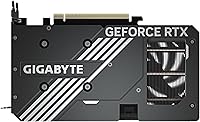
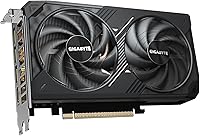
  • Cooling System: WINDFORCE MAX triple-fan cooler featuring Hawk fans and server-grade thermal conductive gel for sustained thermal performance.
  • Display Outputs: Multiple outputs including DisplayPort and HDMI, supporting a maximum resolution of 3840x2160 (4K UHD).
  • AI Upscaling: DLSS 4 supported, enabling AI-powered frame generation and upscaling in compatible titles.
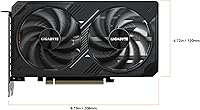
  • Card Length: 8.19 inches (approximately 208mm), fitting comfortably in most standard mid-tower and full-tower PC cases.
  • Card Dimensions: Full dimensions measure 8.19 x 4.72 inches, with a multi-slot cooler design typical of this performance tier.
  • Weight: 1.9 pounds (approximately 862g), with a reinforced structural frame to resist GPU sag in horizontal installations.
  • Structural Frame: Reinforced metal backplate and frame construction to maintain card rigidity and prevent slot connector stress over time.
  • Thermal Compound: Server-grade thermal conductive gel applied between die and heatspreader, designed for long-term thermal stability.
  • Manufacturer: Designed and manufactured by GIGABYTE, under the GV-N506TWF2MAX OC-16GD model designation.
  • Model Number: GV-N506TWF2MAX OC-16GD, the official GIGABYTE part number for this specific WINDFORCE MAX OC variant.
  • Chipset Brand: NVIDIA-designed GPU chip, fabricated under NVIDIA's Blackwell process generation.
  • Availability Date: First made available in June 2025, making it a current-generation release within the RTX 50-series launch window.

Related Reviews
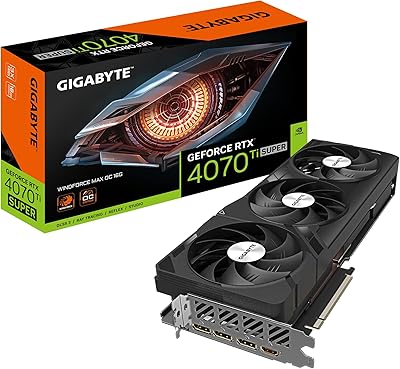
GIGABYTE GeForce RTX 4070 Ti Super WINDFORCE MAX OC 16GB
88%
94%
Gaming Performance
91%
Cooling Efficiency
92%
Ray Tracing & DLSS 3
93%
4K Gaming Capability
88%
Build Quality & Durability
More
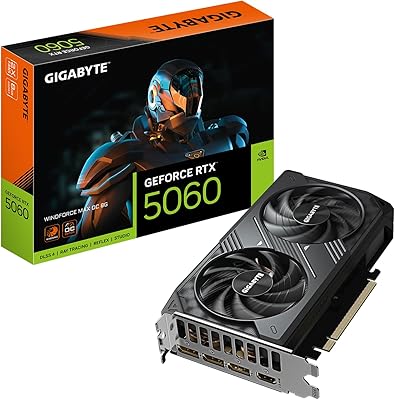
GIGABYTE GeForce RTX 5060 WINDFORCE MAX OC 8G Graphics Card
87%
89%
Performance
94%
Cooling Efficiency
85%
Build Quality
92%
Ease of Installation
90%
Noise Levels
More
GIGABYTE GeForce RTX 5060 Ti WINDFORCE OC 8GB Graphics Card
86%
88%
1080p Gaming Performance
85%
1440p Gaming Performance
91%
Cooling Efficiency
87%
PCIe 5.0 Performance
80%
Build Quality
More
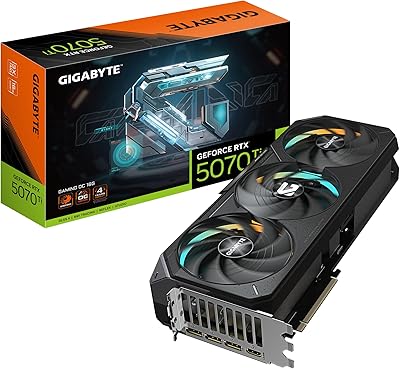
GIGABYTE GeForce RTX 5070 Ti Gaming OC 16G
86%
91%
4K Gaming Performance
89%
Ray Tracing & DLSS 4
93%
Cooling Efficiency
94%
VRAM & Memory Speed
87%
Acoustic Performance
More
Gigabyte NVIDIA GeForce RTX 4060 Ti WINDFORCE OC 8GB Graphics Card
86%
90%
Gaming Performance
92%
Value for Money
89%
Ray Tracing & DLSS
88%
Cooling & Noise
85%
Installation & Setup
More
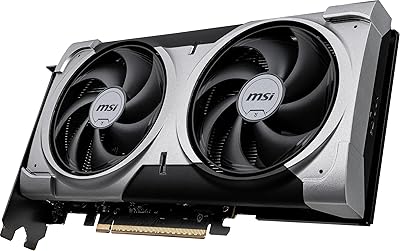
MSI GeForce RTX 5060 Ti 16G VENTUS 2X OC Plus Graphics Card
87%
92%
Gaming Performance
89%
Cooling Efficiency
87%
Build Quality
91%
Compatibility with Modern Systems
88%
Price-to-Performance Ratio
More
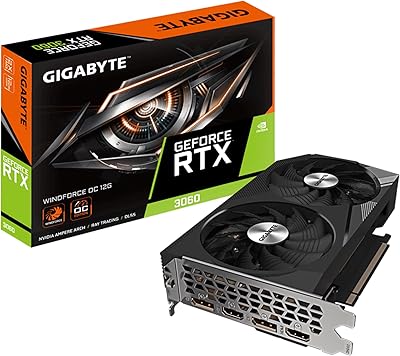
GIGABYTE GeForce RTX 3060 WINDFORCE OC 12GB
83%
92%
Performance
87%
Cooling Efficiency
90%
Ease of Installation
70%
Noise Levels Under Load
94%
Gaming Experience at 1440p
More
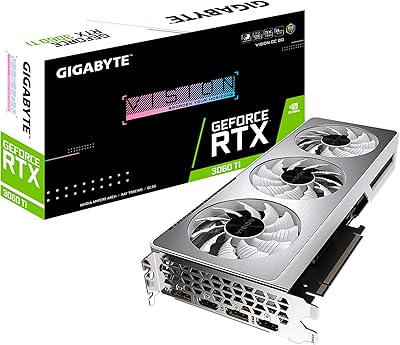
GIGABYTE GeForce RTX 3060 Ti Vision OC 8G
86%
94%
Gaming Performance
91%
Creative Software Acceleration
88%
Thermal Efficiency
85%
Noise Levels
92%
Build Quality
More
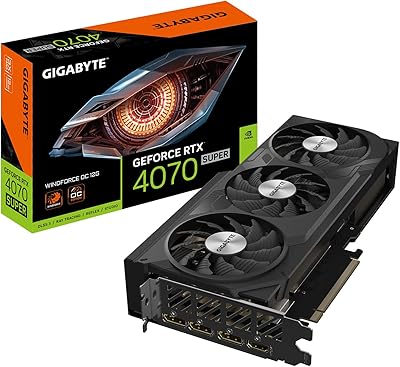
GIGABYTE GeForce RTX 4070 Super WINDFORCE OC 12GB
88%
94%
4K Gaming Performance
88%
Cooling Efficiency
90%
Build Quality
85%
Noise Levels
81%
Value for Money
More
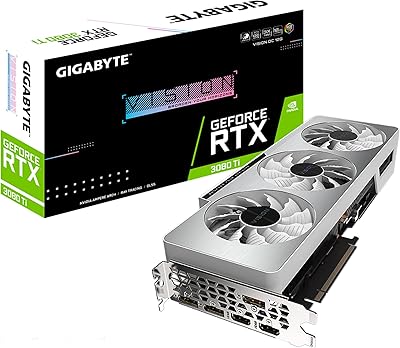
GIGABYTE GeForce RTX 3080 Ti Vision OC 12G
87%
94%
4K Gaming Performance
89%
Cooling Efficiency
90%
Build Quality
84%
Noise Levels
91%
Value for Money
More

FAQ

For 1440p gaming it performs very well — the 128-bit bus is a legitimate talking point, but GDDR7 running at 28,000 MHz generates enough bandwidth that most buyers will not feel a real-world bottleneck at that resolution. It is primarily at native 4K maximum settings in the most demanding titles where the bus width starts to show its limits.

Almost certainly yes. At 8.19 inches in length, the card fits in the vast majority of standard mid-tower cases with no issues. That said, it is always worth double-checking your specific case's maximum GPU length spec before purchasing, especially in smaller or budget enclosures with limited internal clearance.

At idle and light workloads, the fans frequently spin down entirely, making the system near-silent. Under sustained gaming loads the fans do audibly ramp up, but buyers consistently describe the noise as moderate and not distracting — noticeably quieter than many competing cooler designs at this tier.

It is genuinely useful, not just a marketing figure. Games with high-resolution texture packs, content creation applications, and increasingly VRAM-hungry titles will all benefit from that buffer compared to 8GB alternatives. Multiple buyers specifically switched from 8GB competitors for this reason and report real day-to-day benefits.

In games that support it, DLSS 4 frame generation can add a significant fps boost by using AI to generate additional frames between rendered ones. On a high-refresh-rate 1440p monitor it makes the experience noticeably smoother. The honest caveat is that older games and titles without DLSS support will not benefit from it at all.

Yes, PCIe 5.0 cards are fully backward compatible with PCIe 4.0 and 3.0 slots. You will not see any performance difference in gaming workloads by running it on an older slot — the practical bandwidth gap between PCIe generations does not meaningfully affect GPU performance in today's titles.

In a standard horizontal motherboard orientation, the reinforced structural frame handles sag well and most buyers do not use a separate bracket. If you are running a vertical GPU mount, adding a bracket as a precaution is reasonable given the extra leverage that configuration places on the PCIe slot.

The early driver complaints were real but fairly typical for a newly launched GPU generation — occasional crashes in specific titles rather than widespread instability. Driver updates released after launch addressed most of the reported issues, so buyers purchasing now rather than at day one should be in a much smoother position.

While the exact TDP for this specific variant is best confirmed in GIGABYTE's official documentation, cards in this performance class typically pair well with an 850W power supply for a full system build, ensuring enough headroom for CPU and other components under peak load without cutting it close.

It handles video editing quite capably, particularly for 1080p and 4K timeline work in applications like DaVinci Resolve or Premiere Pro. The 16GB VRAM buffer is the key asset here — it prevents the slowdowns that crop up on 8GB cards when working with large projects or heavy effects stacks. For heavy 3D rendering it is competent, though professional-tier workloads will eventually push its limits.