Overview

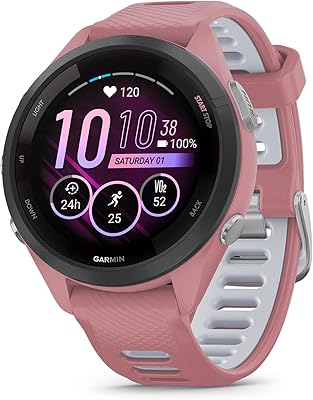
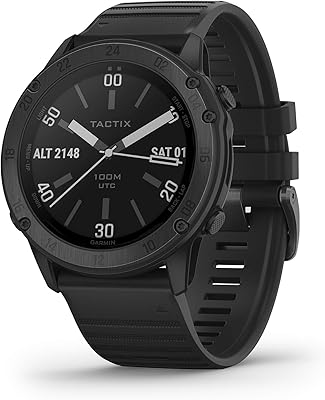
The Garmin Forerunner 945 GPS Running Triathlon Smartwatch is built for one specific type of person: the athlete who trains seriously across multiple disciplines and wants a single device that keeps up with all of it. Within Garmin's own lineup, it sits above the more accessible Forerunner 745 but below the rugged Fenix series, making it a strong middle ground for performance-focused athletes who don't need military-grade construction. Launched in 2019, it packs onboard music, full-color navigation maps, and a deep analytics suite into one watch. That combination still holds up well today, though buyers should know upfront that this is a serious financial commitment best suited to athletes who will actually use what it offers.
Features & Benefits

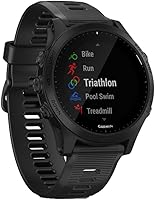
Navigation is one area where the Forerunner 945 earns its keep. The built-in GPS pairs with full-color onboard maps, so you can explore unfamiliar routes without pulling out a phone. Music is handled well too — download playlists from Spotify, Amazon Music, or Deezer directly to the 8 GB of onboard storage, though Spotify and Deezer users will need active premium subscriptions. On the performance side, the watch tracks VO2 Max, monitors training load and recovery, and even adjusts fitness estimates when you're dealing with heat or altitude. Garmin Pay handles quick mid-run purchases, and incident detection adds a quiet layer of safety on solo outings.

Best For

This multisport GPS watch is most at home on the wrist of a triathlete or dedicated long-distance runner who trains with real purpose. If you follow structured training plans and actually want to understand your body's response to workload, the analytics depth here is hard to match at this price tier. It also suits athletes who regularly venture onto trails or unfamiliar terrain and value having turn-by-turn navigation without carrying extra gear. Runners who want to enjoy downloaded music on long outings without bringing a phone will find the local storage option a genuine convenience. Casual or occasional exercisers, though, will find far more here than they'll ever use.

User Feedback

Most owners call out GPS accuracy and the sheer breadth of training data as standout strengths, and the combination of maps and music in one device gets consistent praise from long-haul runners and triathletes alike. The criticisms worth paying attention to center on a few real friction points. The button-only interface takes time to learn, and the 240x240 display looks noticeably dated compared to newer rivals at similar price points. In real use, the GPS-plus-music battery window tends to land closer to 7 or 8 hours than the stated 10. Athletes with smaller wrists also flag that the nearly 2-inch case sits bulkier than expected. Garmin Connect works well overall, but sync hiccups and occasional app sluggishness are recurring minor gripes.

Pros

  • Built-in GPS accuracy holds up well even in dense tree cover or tight urban canyons.
  • Onboard full-color maps let you navigate unfamiliar routes confidently without carrying your phone.
  • The training analytics suite — VO2 Max, training load, recovery time, and acclimation data — is among the deepest at this price tier.
  • Local music storage holds offline playlists from Spotify, Amazon Music, and Deezer for truly phone-free runs.
  • Battery life in smartwatch mode can comfortably stretch close to two weeks between charges.
  • UltraTrac mode extends GPS tracking up to 60 hours, making it viable for extreme endurance events.
  • Incident detection shares your real-time location with emergency contacts if something goes wrong mid-activity.
  • Garmin Pay lets you stop for coffee or fuel on long runs without carrying cash or cards.
  • Multisport and triathlon profiles handle discipline transitions cleanly, keeping all your data in one place.
  • At 1.76 ounces, the watch sits lightly on the wrist and rarely interferes with training comfort.

Cons

  • The button-only interface has a steep learning curve, especially for anyone switching from a touchscreen wearable.
  • The 240x240 display resolution looks noticeably behind modern rivals, particularly when viewing detailed map data.
  • In GPS-plus-music mode, real-world battery life often falls closer to 7 or 8 hours than the stated 10.
  • Spotify and Deezer require active premium subscriptions to sync playlists, an ongoing cost many buyers overlook at purchase.
  • At nearly 2 inches wide, the case can feel bulky and uncomfortable on narrower wrists during all-day wear.
  • Garmin Connect sync can be unreliable at times, with occasional delays or app issues that disrupt post-session analysis.
  • Garmin Pay is restricted to supported cards from participating banks, which rules it out for a portion of buyers.
  • Launched in 2019, this watch faces stiff competition from newer devices offering sharper screens and more current software.

Ratings

The scores for the Garmin Forerunner 945 GPS Running Triathlon Smartwatch were generated by our AI engine after analyzing thousands of verified buyer reviews from global sources, with spam, bot activity, and incentivized feedback actively filtered out. The results reflect both what dedicated athletes consistently praise and the friction points that surface repeatedly in long-term ownership feedback. Nothing here has been softened — strengths and limitations carry equal weight in every category score.

GPS Accuracy
92%
The GPS chip locks on quickly and holds well during outdoor runs, even when weaving through city blocks or under moderate tree cover. Triathletes and trail runners consistently report that route traces are tight and distance readings stay reliable across long efforts, giving them confidence in pace data whether they are covering 5 kilometers or 50.
Occasional signal drift does occur in deep urban canyons or under dense forest canopy, which can briefly skew pace readings mid-run. A smaller number of users report slower satellite acquisition in cold weather, which can be an irritating delay when you are standing at a start line ready to go.
Training Analytics
94%
The depth of training data packed into this watch is difficult to match at this price tier. VO2 Max trending, heat and altitude acclimation adjustments, training load focus, and the aerobic-versus-anaerobic breakdown give structured athletes a clear picture of where they stand in a training cycle and whether they are pushing too hard or not hard enough.
All of this richness lives inside the Garmin Connect ecosystem, so sync issues or app frustrations directly limit how easily you can access your data. Some users also note that the sheer volume of metrics can feel overwhelming at first, and learning to separate the most actionable signals from the noise takes several weeks of regular use.
Battery Life
76%
24%
The up-to-two-week smartwatch battery is impressive for daily wear — many users charge it once at the start of a training week and do not think about it again. The 60-hour UltraTrac option also covers even the longest ultra-distance events, making the watch a viable choice for athletes who go well beyond standard marathon distance.
The GPS-plus-music mode is where real-world results diverge most from the stated 10-hour spec — most users report landing in the 7-to-8-hour range, which can fall short during a full-distance triathlon or a day of back-to-back training sessions. Athletes who rely on this mode heavily need to plan around that gap rather than assume the maximum figure.
Multisport Tracking
91%
Triathletes consistently cite this as one of the strongest reasons to choose this watch over alternatives at the same price. Swim, bike, and run segments are captured in a single continuous activity, with smooth transitions that preserve data across all disciplines and deliver a coherent post-race summary without any manual stitching in an app.
For athletes who primarily run or cycle, the full multisport feature set may add more complexity than they actually need, and first-time triathlon mode configuration requires real patience. A smaller group of open-water swimmers also note that stroke-level tracking is not as detailed as what dedicated swim-focused devices provide.
Display Quality
62%
38%
The 1.2-inch color display is readable for the data that matters most mid-run — current pace, heart rate, and map waypoints come through clearly in normal outdoor lighting. The always-on capability means you can check your stats without breaking stride, which is a practical advantage during races and tempo efforts.
The 240x240 pixel resolution is where the watch shows its 2019 roots most clearly — it looks noticeably behind newer rivals at similar prices, and fine map details can be hard to read in low light or at a quick glance. For daily smartwatch wear away from sport, the screen simply does not match what current-generation devices offer at this price point.
Onboard Navigation
88%
Having full-color turn-by-turn maps on the wrist is a meaningful advantage for trail runners and cyclists who regularly explore new territory. The ability to pre-load regional maps and navigate without a phone removes a real gear dependency that many athletes find freeing on long mountain runs or unfamiliar race courses.
Map rendering on the small 240x240 display can feel sluggish, and the level of cartographic detail is limited compared to what a dedicated navigation device or smartphone app delivers. Some users also report that the initial map loading process is less intuitive than expected, particularly for athletes planning routes in international destinations.
Music Experience
81%
19%
Being able to run with music streamed directly from the watch to wireless earbuds — no phone, no armband, no cords — is a real quality-of-life upgrade for long training runs. Offline playlist sync from Spotify, Amazon Music, and Deezer works reliably once set up, and 8 GB of storage holds enough music for even the most ambitious training block.
Spotify and Deezer both require active premium subscriptions to enable offline sync, an ongoing expense many buyers do not factor in at the time of purchase. The initial sync process can also be slow for larger playlists, and some users report occasional issues with tracks not updating or Bluetooth headphone pairing dropping after a firmware update.
Interface & Usability
67%
33%
Experienced Garmin users will find the five-button layout familiar and logical, and once memorized, navigating menus, starting activities, and reviewing data becomes quick without needing to take your eyes off the trail. The button interface also has practical advantages during workouts — no accidental input from sweat, gloves, or rain can disrupt a session.
Buyers switching from any touchscreen wearable will face a steep learning curve — menus are layered, the back-and-forth button logic is not immediately obvious, and initial setup involves navigating several sub-menus before everything feels right. It can take two to three weeks of daily use before muscle memory fully kicks in, which frustrates many users in the early ownership period.
Build Quality
86%
The construction feels solid and purposeful — the case holds up well to the rigors of daily training, including hard trail runs, rough transitions, and repeated exposure to water, sweat, and variable temperatures. Most long-term owners report no meaningful wear to the case or buttons even after two or more years of consistent use.
The lens uses Corning Gorilla Glass rather than sapphire, meaning light surface scratches can accumulate over time, particularly for athletes who run through brush or frequently set the watch face-down during transitions. The stock silicone band also tends to degrade in grip and appearance after several months of intensive sweat exposure.
Heart Rate Accuracy
79%
21%
For steady-state training — easy runs, cycling base work, and long aerobic sessions — the optical wrist sensor delivers consistent heart rate data that most athletes find sufficient for day-to-day training load tracking. The all-day monitoring also contributes useful resting and sleep heart rate data that feeds directly into the recovery metrics.
Wrist-based readings lose accuracy during high-intensity intervals, where the sensor can lag or spike, making a chest strap or external heart rate monitor the better choice for serious interval training or race-day efforts. Some swimmers also report heart rate data gaps during open-water sessions where wrist movement disrupts sensor contact.
Garmin Connect App
71%
29%
For athletes who invest time in it, Garmin Connect provides a rich long-term view of fitness trends — VO2 Max progression over months, training load history, and a detailed breakdown of every session are all stored and accessible. Integration with Strava and Training Peaks adds meaningful flexibility for athletes who use multiple platforms.
Sync reliability is a recurring frustration — activities occasionally fail to upload, and the app can be slow to respond right after a long workout when you most want to review your data. The interface has improved over time but still feels comparatively clunky against the cleaner experiences offered by some competing fitness platforms.
Value for Money
73%
27%
For a triathlete or serious runner who will actively use the training analytics, onboard maps, music, and multisport tracking every week, the Forerunner 945 delivers an impressive concentration of features relative to its price. Compared to purchasing separate devices for navigation, music, and performance tracking, it consolidates considerable capability into one wrist.
The 2019 launch date weighs on the value equation at its current asking price — newer devices at comparable or slightly lower prices now offer sharper displays and more actively developed software. Casual athletes or single-sport runners who will not tap into the depth of features available are effectively paying a premium for tools they will largely ignore.
Wrist Comfort & Fit
74%
26%
For athletes with average to larger wrists, the watch sits comfortably through full training days, long triathlons, and overnight sleep tracking without becoming intrusive. The silicone strap stays secure during swim legs, which is a practical detail for multisport competitors who cannot afford wrist distractions during a race.
At nearly 2 inches wide, the case creates noticeable overhang on narrower wrists and can feel top-heavy under layered sleeves in cooler training weather. Athletes accustomed to slimmer sport watches or those wearing this in office environments regularly note that it looks and feels bulkier than its 1.76-ounce weight alone would suggest.
Safety Features
83%
Incident detection provides real peace of mind for solo trail runners and early-morning athletes who train in isolated areas — GPS location is shared with emergency contacts automatically if something goes wrong, with no manual trigger required. For athletes and their families alike, this is a feature that quietly adds meaningful reassurance.
Incident detection only activates during select supported outdoor activities, so gym workouts, casual cycling, and everyday walks fall outside its coverage. It also requires a paired smartphone within Bluetooth range to send the location alert, which limits its usefulness for athletes who deliberately leave their phone at home during training.
Contactless Payments
69%
31%
For urban runners who like to grab coffee, refuel at a convenience store, or pay for post-run food without carrying a wallet, Garmin Pay adds a practical capability at any NFC-compatible terminal. Once configured, it processes transactions quickly and reliably at the point of sale without requiring the user to break pace or dig through pockets.
Garmin Pay's most significant limitation is its restricted bank and card eligibility — a notable portion of buyers discover their card is not supported after purchase, rendering the feature effectively useless for them. Initial setup also requires more steps through Garmin Connect than most users expect for what should feel like a simple activation process.

Suitable for:

The Garmin Forerunner 945 GPS Running Triathlon Smartwatch is a natural fit for athletes who train with intention and want one device to handle the full complexity of their sport. Triathletes get particular value here, since swim-to-bike-to-run transitions are tracked within a single activity profile, eliminating the need to juggle multiple apps or devices. Serious marathon runners and ultra-distance athletes who follow structured training blocks will appreciate the built-in recovery time advisor and training load focus, which help prevent overtraining without requiring a separate coaching platform. If you regularly run trails or venture into unfamiliar terrain, the onboard full-color maps mean you can leave your phone behind without losing your way. Athletes who like to run with music but don't want to carry their phone will also benefit from the 8 GB of local storage, which holds playlists from Spotify, Amazon Music, or Deezer. Data-driven competitors who actively track VO2 Max trends and aerobic-versus-anaerobic balance over their training cycles will find the depth of analytics here difficult to match at this price tier.

Not suitable for:

If your fitness routine is casual — a few gym sessions a week or the occasional weekend jog — the Garmin Forerunner 945 GPS Running Triathlon Smartwatch is far more watch than you need, and you will be paying for a feature set you will barely scratch the surface of. The button-only interface takes a real investment of time to learn, which can frustrate buyers who are used to navigating a touchscreen wearable. Shoppers with smaller wrists should also approach with caution: at nearly 2 inches wide, the case sits on the bulkier end of the spectrum, and daily wearability can become a real issue over time. Style-conscious buyers looking for a watch that blends into formal or casual settings won't find much to love in this sport-first design. The 240x240 display, while functional for training, looks behind what some newer rivals deliver at comparable prices, so anyone who prioritizes screen clarity should compare carefully before committing. It is also worth factoring in the ongoing cost of premium subscriptions if you plan to use Spotify or Deezer for music, since that expense adds up on top of the watch's already substantial asking price.

Specifications

  • Display: The watch features a 1.2-inch round color display with a resolution of 240 x 240 pixels, navigated entirely via physical buttons rather than touch.
  • Dimensions: The case measures 1.9 x 1.9 x 0.54 inches, giving it a substantial wrist presence that athletes with narrower wrists may find bulky.
  • Weight: The watch weighs 1.76 oz, keeping it light enough for comfortable extended wear throughout long training sessions and daily use.
  • Battery Life: In smartwatch mode with typical daily notifications and activity tracking enabled, the battery lasts up to 2 weeks on a single charge.
  • GPS Runtime: With GPS and music streaming active simultaneously, battery life reaches up to 10 hours, though real-world use typically lands between 7 and 8 hours depending on conditions.
  • UltraTrac Mode: UltraTrac mode reduces GPS sampling frequency to extend total runtime up to 60 hours, suited for ultra-distance events where some positional precision can be traded for longevity.
  • Battery Type: The watch uses a built-in 350 mAh Lithium Polymer cell that is not user-replaceable.
  • Onboard Storage: 8 GB of internal storage holds offline music playlists and downloaded map data, enabling fully phone-free training sessions.
  • Connectivity: Bluetooth supports wireless syncing with the Garmin Connect app, pairing with Bluetooth headphones, and delivering smartphone notifications to the wrist.
  • Music Support: Offline playlists can be downloaded from Spotify, Amazon Music, and Deezer directly to the watch, though Spotify and Deezer each require an active premium subscription to enable that sync.
  • Navigation: Built-in GPS pairs with full-color onboard maps to deliver turn-by-turn route guidance during outdoor runs and rides without any connected smartphone.
  • Water Rating: The watch is rated to 5 ATM (50 meters), making it suitable for lap swimming, open-water swims, and the swim leg of triathlon events.
  • Heart Rate: A Garmin Elevate optical wrist sensor continuously monitors heart rate during activities and throughout the day without the need for a chest strap.
  • Training Metrics: The watch tracks VO2 Max, training load focus, recovery time advisor, and both aerobic and anaerobic training effect, all accessible through the Garmin Connect ecosystem.
  • Acclimation: Heat and altitude acclimation monitoring adjusts performance estimates to reflect the actual environmental conditions an athlete is training in over time.
  • Contactless Pay: Garmin Pay enables contactless payments at NFC-compatible terminals, subject to eligibility with supported cards from participating banks.
  • Safety: Incident detection is available during select outdoor activities and automatically shares the wearer's real-time GPS coordinates with designated emergency contacts via a paired smartphone.
  • Activity Profiles: Dedicated multisport and triathlon activity profiles allow athletes to move through swim, bike, and run disciplines within a single continuously recorded session.

Related Reviews
Garmin Forerunner 245 GPS Running Smartwatch
75%
92%
GPS Accuracy
89%
Battery Life
88%
Training Plan Quality
71%
Running Dynamics
91%
Comfort and Wearability
More
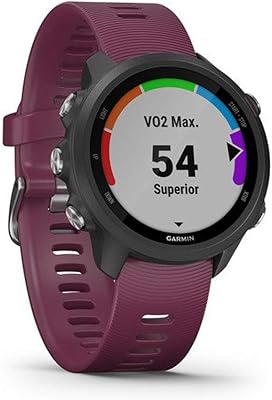
Garmin Forerunner 955 GPS Running Smartwatch
88%
93%
GPS Accuracy
91%
Battery Life
88%
Build Quality
90%
Training Metrics
87%
Health Tracking Features
More
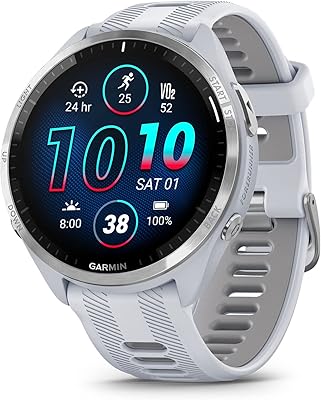
Garmin Forerunner 265S Running Smartwatch
87%
94%
Battery Life
91%
GPS Accuracy
89%
Display Quality
87%
Comfort & Fit
90%
Health Tracking Features
More
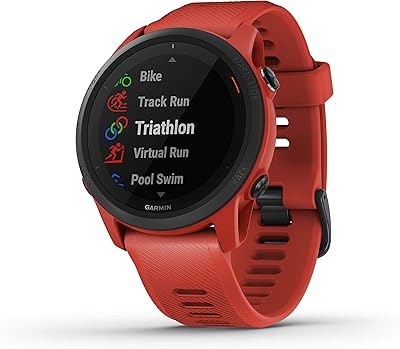
Garmin Forerunner 965 Running Smartwatch
81%
93%
Display Quality
88%
GPS Accuracy
91%
Training & Recovery Insights
78%
Battery Life
89%
Build Quality & Design
More
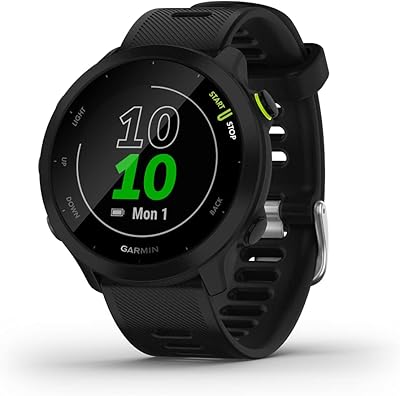
Garmin Forerunner 745 GPS Running Watch
85%
91%
GPS Accuracy
88%
Battery Life
85%
Sports Tracking Versatility
84%
Music Storage & Streaming
89%
Build Quality
More
Garmin Forerunner 55 GPS Running Watch
79%
91%
GPS Accuracy
88%
Battery Life
78%
Heart Rate Monitoring
93%
Ease of Setup & Use
84%
Training Features
More
Garmin vivoactive 4 GPS Smartwatch
88%
90%
Battery Life
94%
Fitness & Health Tracking
86%
Music Storage & Playback
88%
Build Quality
85%
Ease of Use
More
Garmin Venu 2 GPS Smartwatch
79%
93%
Battery Life
91%
Display Quality
84%
Health & Fitness Tracking
78%
GPS Accuracy
88%
Build Quality
More
Garmin Instinct Solar Rugged Smartwatch
78%
88%
Battery Life
93%
Build Quality
91%
GPS Accuracy
89%
Navigation Features
74%
Solar Charging
More
Garmin tactix Delta Tactical GPS Smartwatch
78%
93%
Battery Life
91%
Durability & Build
89%
GPS & Navigation Accuracy
88%
Tactical Features
84%
Sports & Fitness Tracking
More

FAQ

It handles swimming without any issues — the watch is water-rated to 5 ATM (50 meters), which covers lap swimming, open-water swims, and full triathlon swim legs. It tracks swim-specific metrics and rolls that data directly into a multisport session alongside your bike and run segments.

No phone required for either. The GPS chip is fully self-contained, so it tracks your pace, distance, and route entirely on its own. The onboard maps also work offline — you can pre-load routes or regional maps and get turn-by-turn guidance on your wrist with no cellular signal or Bluetooth connection needed.

You sync playlists directly to the watch's 8 GB of onboard storage, then pair any Bluetooth headphones for phone-free listening on the go. Syncing from Spotify or Deezer does require an active premium subscription with each of those services — that is an ongoing cost some buyers overlook. Amazon Music has its own access requirements as well, so it is worth verifying your existing plan supports offline sync before assuming everything will work immediately.

If you are new to running or working out casually a few times a week, this watch offers far more depth than most beginners will realistically use. The button-based navigation also has a noticeable learning curve coming from a touchscreen device. That said, if you are already following a structured training plan and want to track more than just pace and heart rate, the feature set gives you plenty of room to grow.

The dedicated GPS chip performs very well in most outdoor conditions, and most users find it at least as accurate as phone GPS for running and cycling routes. Dense tree cover or tight urban canyons can introduce occasional drift, which is true of virtually any GPS device. On open roads and trails, the tracking is consistent and dependable.

Ten hours is the rated maximum under ideal conditions, not a guaranteed result in every scenario. In practice, many users report closer to 7 or 8 hours when GPS is active and music is continuously streaming to Bluetooth headphones, especially in areas with weaker GPS signal. If you are planning around a long race or back-to-back training days, it is worth building in some margin rather than banking on the upper-end figure.

Garmin Pay works at any NFC-enabled contactless payment terminal, which covers most modern retail checkouts and a growing number of other payment points. The restriction is on the card side, not the terminal side — only cards from Garmin's list of participating banks are eligible. It is worth checking that list before your purchase if you are counting on this feature.

Incident detection is only active during select supported outdoor activities — it does not run during everyday wear or all activity types. If the watch detects what looks like an abrupt impact or hard stop mid-activity, it gives you a short window to dismiss the alert manually. If you do not respond, it sends your real-time GPS location to your pre-set emergency contacts through your paired smartphone, so having your phone within Bluetooth range is necessary for this feature to function.

The Garmin Forerunner 945 GPS Running Triathlon Smartwatch launched in 2019, and the 240x240 display resolution does show that age when compared side by side with some newer devices at similar price points. The training analytics, GPS performance, and multisport feature depth, however, remain competitive for most dedicated athletes who will actually use them. If screen sharpness or having the most current software is important to you, it is worth comparing against more recent alternatives before committing. For serious runners and triathletes focused on training data and navigation, the core value holds up well.

All navigation is done through five physical buttons on the case — there is no touchscreen. Many serious athletes prefer this since buttons respond reliably when hands are wet, sweaty, or gloved, and they hold up better over time in tough conditions. Coming from a touchscreen wearable, the layout takes a week or two of regular use to become second nature, but most users adjust fairly quickly once they get familiar with the button mapping.