Overview

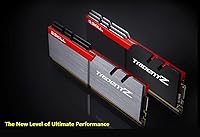
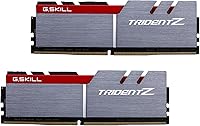
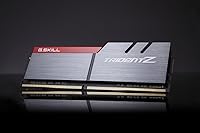
The G.SKILL TridentZ 16GB DDR4-3600 RAM Kit comes as two 8GB modules built to run in dual-channel mode, which is the setup most modern boards expect for full bandwidth. Out of the box it operates at DDR4-3600 with CL16-16-16-38 timings, numbers that land in a sweet spot between affordability and genuine speed. G.SKILL originally aimed this kit at Intel Z170 boards paired with Skylake chips, back when that platform was the enthusiast standard, but the timings and voltage are common enough that it slots into plenty of later DDR4 motherboards too. The aluminum heat spreaders give it a sharp, angular look that fits squarely into gaming rigs without trying too hard to stand out.
Features & Benefits

Flip on Intel XMP 2.0 in the BIOS and this RAM kit jumps straight to its rated speed without manual timing work, which is honestly how most people will use it day to day. Running at 1.35V keeps power draw modest and heat output reasonable, even when the system is under load for hours. The heat spreaders aren't just cosmetic either; they pull warmth away from the chips during longer gaming or rendering sessions. At 44mm tall, the modules stay clear of oversized air coolers that often crowd the first RAM slot. Add a limited lifetime warranty into the mix, and the dual-channel pairing gives a real bandwidth boost over running a single stick.

Best For

This DDR4 set makes the most sense for gamers chasing steadier frame pacing rather than huge average FPS gains, since memory speed tends to smooth out dips more than it inflates peak numbers. Enthusiasts who like poking around in BIOS menus, tightening timings or testing different XMP profiles, will find it a satisfying platform to tinker with. Builders working in compact or low-profile cases benefit from the modest module height, and so do those running tall air coolers that would otherwise bump into taller heat spreaders. It's also a sensible upgrade path for anyone still running an older single-channel kit or a noticeably slower DDR4 setup that's starting to bottleneck a newer CPU.

User Feedback

Most owners describe getting this memory kit running at full rated speed simply by enabling XMP, with no fuss or troubleshooting required. That said, a handful of buyers mention needing a quick BIOS update before their board would recognize the full 3600MHz speed, which is worth keeping in mind on older motherboards. A few also flag that compatibility is worth double-checking on non-Intel builds or newer chipsets, since the kit's original tuning targeted Skylake-era boards. On the positive side, the heat spreader design gets consistent praise for looking sharp in RGB-themed builds, even though the kit itself doesn't include lighting.

Pros

  • Dual-channel pairing gives a real bandwidth boost over single-stick setups
  • XMP 2.0 makes hitting full rated speed a one-click process
  • Low 1.35V operating voltage keeps heat and power draw reasonable
  • Compact 44mm height clears most tall CPU coolers without issue
  • Aluminum heat spreaders help dissipate heat during long gaming sessions
  • Limited lifetime warranty adds peace of mind for long-term use
  • Many owners report stable performance straight out of the box
  • Sharp, angular design fits naturally into RGB-themed builds

Cons

  • Some boards require a BIOS update before reaching full 3600MHz speed
  • Compatibility isn't guaranteed on newer or non-Intel chipsets without checking first
  • No RGB lighting, which some enthusiasts may find disappointing
  • Originally tuned for older Skylake-era platforms, so mileage varies on newer boards
  • Frame rate gains are subtle rather than dramatic for most games
  • Manual timing tweaks beyond XMP take some trial and error
  • Not the flashiest option if aesthetics are a top priority

Ratings

These scores for the G.SKILL TridentZ 16GB DDR4-3600 RAM Kit were generated by AI after analyzing verified buyer reviews from around the world, with spam, bots, and incentivized feedback filtered out before scoring. What's left reflects genuine experiences from real builds, so both the standout strengths and the recurring friction points show up honestly below.
Overclocking Performance
88%
Most builders found that enabling XMP 2.0 got them to full rated speed without any manual tuning, which made the whole process feel painless during a weekend build session. Several enthusiasts also enjoyed pushing timings a bit further on their own.
A small subset of users found that squeezing extra headroom beyond the rated speed required real trial and error. Results varied noticeably depending on the motherboard and CPU memory controller involved.
Speed Consistency
83%
Gamers consistently mentioned smoother frame pacing rather than dramatic FPS jumps, which lines up with what dual-channel DDR4-3600 memory typically delivers in real-world play sessions. This made multitasking while streaming feel noticeably less choppy for several reviewers.
A few buyers expected bigger frame rate gains and were mildly disappointed when the improvement felt subtle rather than transformative. Older CPUs sometimes capped how much benefit the extra speed actually provided.
Compatibility
71%
29%
Buyers running Intel Z170 or similar Skylake-era setups reported smooth, plug-and-play compatibility since that's the platform this kit was originally tuned for. Many later DDR4 boards also worked fine without extra hassle.
Some users on newer or non-Intel chipsets had to research compatibility carefully before purchasing, and a portion needed a BIOS update before the system recognized full speed. This added an extra step that frustrated less experienced builders.
Build Quality
89%
The aluminum heat spreaders felt sturdy and well-machined to most reviewers, with a clean fit-and-finish that held up over months of use inside dusty PC cases. The TridentZ design also aged well visually without fading or scuffing easily.
A handful of buyers wished the spreaders extended slightly further down the PCB for added rigidity during installation. Tight cases occasionally made handling the taller fin design a bit fiddly.
Thermal Performance
79%
21%
Owners running sustained workloads like long gaming sessions or video exports noted the heat spreaders kept module temperatures in a comfortable range. The 1.35V operating voltage helped keep heat output modest even under continuous load.
A few users in poorly ventilated cases noticed temperatures climb more than expected during extended overclocked sessions. Without active airflow nearby, thermal performance leaned more average than exceptional.
Aesthetic Design
84%
The angular aluminum heat spreader consistently earned praise for fitting naturally into RGB-themed builds, even without lighting of its own. Several reviewers liked that it added visual interest without looking overly busy.
Buyers specifically wanting integrated RGB lighting were left wanting more, since this version skips that feature entirely. The non-RGB look, while clean, felt plain to a few users browsing for a flashier centerpiece.
Ease of Installation
91%
Most people described installation as straightforward, with modules clicking into slots easily and BIOS recognition happening on first boot for the majority of setups. The 44mm height made seating the sticks simple even in cramped cases.
A minority ran into initial detection issues that required a BIOS update or manual XMP activation before things worked as expected. This occasionally turned what should've been a five-minute task into a longer troubleshooting session.
Clearance & Form Factor
92%
The relatively low 44mm module height was repeatedly praised by builders using tall air coolers, since it avoided the clearance headaches taller RAM kits often cause. This made it a popular pick for compact and mid-tower builds alike.
A few users with extremely oversized dual-tower coolers still found things tight on the first DIMM slot. It wasn't a frequent complaint, but clearance wasn't universally perfect in every configuration.
Value for Money
76%
24%
Many reviewers felt the combination of solid speed, dual-channel bandwidth, and a lifetime warranty represented a fair deal relative to similarly specced kits on the market. It hit a comfortable middle ground between budget and premium pricing tiers.
Buyers comparing it against newer, faster DDR4 or early DDR5 kits sometimes felt the value proposition softened over time as pricing on faster memory came down. It's a solid deal, but not the most cutting-edge option available.
Warranty & Support
86%
The limited lifetime warranty gave buyers peace of mind, with several reviewers specifically mentioning it as a deciding factor when comparing similar kits. G.SKILL's reputation for honoring warranty claims came up positively in multiple reviews.
A few users noted the claims process required some patience and documentation, which felt like a minor hassle compared to more streamlined warranty experiences from other brands. Response times varied by region.
Long-Term Reliability
85%
Long-term owners reported stable operation over years of use, with no degradation in stability or speed noticed even after running XMP profiles continuously. This consistency built real trust among repeat G.SKILL buyers.
A small number of users experienced isolated module failures after extended use, though this appeared to be the exception rather than a common pattern. Such cases were generally resolved through the warranty.

Suitable for:

The G.SKILL TridentZ 16GB DDR4-3600 RAM Kit fits best with gamers and PC enthusiasts who want a meaningful step up from stock memory speeds without spending a fortune on the highest-end kits. It's a strong match for anyone building around an Intel Z170 board or other DDR4 platforms that support XMP 2.0, since enabling the profile gets you to full speed with minimal effort. Builders working in compact cases or running tall air coolers will appreciate the low 44mm module height, which sidesteps the clearance issues taller kits can cause. It also makes sense for someone upgrading from an older single-channel setup, where the jump to dual-channel alone can noticeably smooth out everyday performance. People who enjoy tweaking BIOS settings and squeezing out a bit more stability or speed will find this kit rewarding to experiment with.

Not suitable for:

Buyers who want guaranteed plug-and-play compatibility with brand-new or non-Intel chipsets should pause and check compatibility lists first, since this kit was originally tuned around Skylake-era boards. Anyone uncomfortable poking around in BIOS menus may run into friction if a board needs a firmware update to recognize the full rated speed. If absolute top-tier overclocking headroom or RGB lighting is the priority, the G.SKILL TridentZ 16GB DDR4-3600 RAM Kit isn't really built for that crowd, since its strengths lean toward steady, dependable speed rather than flashy extras. Casual users who just need basic memory for browsing and office work likely won't notice enough of a difference to justify the cost over a cheaper, slower kit.
Specifications

  • Capacity: The kit includes two modules of 8GB each for a combined total of 16GB.
  • Memory Type: This is DDR4 SDRAM designed for desktop motherboards.
  • Speed: The modules run at DDR4-3600MHz when XMP is enabled.
  • Timings: Rated CAS latency timings are CL16-16-16-38.
  • Voltage: Operating voltage is 1.35V for efficient power use.
  • Channel Configuration: The two modules are designed to run together in dual-channel mode.
  • Overclocking Support: Intel XMP 2.0 profiles allow one-click speed configuration in BIOS.
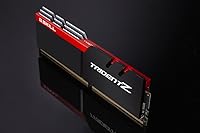
  • Heat Spreader: An aluminum heat spreader covers each module for improved heat dissipation.
  • Module Height: Each module measures 44mm in height from the slot.
  • Platform Compatibility: The kit was originally designed for Intel Z170 chipsets paired with Skylake CPUs.
  • Warranty: G.SKILL backs the kit with a limited lifetime warranty.
  • Product Series: This kit belongs to G.SKILL's TridentZ series lineup.
  • Design Finish: The heat spreader has a sleek, angular aluminum finish aimed at gaming builds.

Related Reviews

G.SKILL AEGIS 16GB DDR4 3200MHz Desktop RAM
78%
91%
Value for Money
88%
Installation Ease
83%
Gaming Performance
86%
System Stability
79%
Motherboard Compatibility
More
G.SKILL Trident Z Neo 16GB DDR4 RAM
88%
93%
XMP Compatibility
91%
Platform Performance
94%
Stability & Reliability
89%
Thermal Performance
86%
Build & Heatspreader Quality
More
G.SKILL AEGIS 16GB DDR4 Desktop RAM
76%
89%
Value for Money
94%
Installation Ease
91%
System Stability
78%
Performance for Everyday Use
63%
Gaming Performance
More
G.SKILL Ripjaws DDR4 SO-DIMM 16GB Laptop RAM
82%
92%
Installation Ease
89%
Stability & Reliability
86%
Value for Money
77%
Compatibility
74%
Real-World Performance
More
G.SKILL Trident Z Neo 64GB DDR4 RAM
83%
93%
XMP Reliability
91%
Stability & Reliability
82%
Platform Compatibility
89%
Performance at Rated Speed
78%
Value for Capacity
More
G.SKILL Trident Z Royal 64GB DDR4 RAM
84%
93%
Overall Stability
89%
XMP Setup Experience
91%
Build Quality
88%
Aesthetic Design
84%
Performance at Rated Speed
More
Crucial 16GB DDR4-2400 Desktop RAM Kit
81%
96%
Ease of Installation
93%
Compatibility
94%
Reliability & Stability
88%
Value for Money
86%
Performance – Everyday Use
More
Gigastone 16GB Kit DDR4 2666MHz SODIMM RAM
75%
88%
Value for Money
91%
Installation Ease
74%
Compatibility
76%
Stability & Reliability
72%
Performance
More
Timetec 16GB DDR4 2133MHz Laptop RAM Kit
80%
93%
Value for Money
71%
Compatibility
88%
Ease of Installation
79%
Performance Impact
86%
Stability & Reliability
More
G.SKILL Ripjaws 16GB DDR4 SO-DIMM RAM
81%
83%
Compatibility
93%
Installation Ease
78%
Performance Gain
88%
Value for Money
91%
Reliability & Stability
More

FAQ

It can work with many other DDR4 boards, but compatibility isn't guaranteed across every chipset. The safest move is to check your motherboard manufacturer's qualified vendor list before buying. Newer or non-Intel chipsets sometimes need a BIOS update to run at full speed.

Yes, you'll want to enable XMP 2.0 in your BIOS or UEFI settings. Without that, the memory typically runs at a lower default JEDEC speed. It's usually just a couple of clicks once you find the setting.

It's a solid pick for gaming, especially if you're after steadier frame pacing rather than huge FPS jumps. The dual-channel setup helps with bandwidth-sensitive tasks, which games benefit from. Just don't expect dramatic performance leaps over a slightly slower kit.

Unlikely, since the modules sit at a fairly low 44mm height. This kit was actually designed with clearance for tall air coolers in mind. It should fit fine in most builds, including more compact cases.

A few buyers have run into this and resolved it with a motherboard BIOS update. It's worth checking your board manufacturer's website for the latest firmware before troubleshooting further. Once updated, XMP 2.0 should let it run at the rated speed.

It's generally not recommended to mix different RAM kits, even if capacities match. Timings, voltage, and manufacturing batches can vary enough to cause instability. For best results, run the G.SKILL TridentZ 16GB DDR4-3600 RAM Kit as a matched pair on its own.
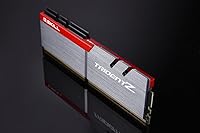
No, this particular kit doesn't include RGB lighting. It relies on the aluminum heat spreader design for its look rather than lit-up accents. If RGB is a priority, you'd want to check G.SKILL's other TridentZ RGB variants.

It comes with a limited lifetime warranty from G.SKILL. That generally covers manufacturing defects for as long as you own the product. Keep your proof of purchase just in case you ever need to make a claim.

For most everyday use and many games, 16GB is still a comfortable amount. Heavier multitasking, video editing, or running multiple demanding apps at once might push you toward wanting more. For a focused gaming build, though, it's generally a solid baseline.

Yes, this is actually close to its original intended platform, since it was designed around Intel Z170 boards and Skylake CPUs. It should run smoothly with minimal compatibility hiccups on that generation. It's a sensible upgrade if you're still on slower memory from that era.