Overview

The Fujifilm X-T50 Mirrorless Camera 15-45mm Kit is a compact, retro-styled APS-C body aimed squarely at enthusiasts ready to move beyond entry-level gear without committing to a bulkier full-frame system. What makes it stand out in a crowded market is the dedicated Film Simulation dial — a physical control that puts 20 distinct looks at your fingertips before you even raise the camera to your eye. The bundled 15-45mm power-zoom lens covers a practical everyday range, making the kit a genuinely complete starting point. At its premium price tier, it competes directly with bodies like the Sony a6700 and OM System OM-5, holding its own on both image quality and personality.

Features & Benefits

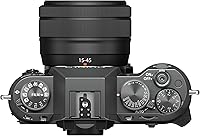
The 40.2-megapixel X-Trans sensor is where this Fujifilm mirrorless earns its price — fine detail in landscapes and portraits holds up well even under heavy cropping, and high-ISO noise tends to look more film-grain-like than muddy compared to typical Bayer sensors. The Film Simulation dial is more than a novelty; flipping to REALA ACE or Classic Chrome mid-shoot means your JPEGs are camera-ready without opening Lightroom. Video shooters get 4K at 60 frames per second in 4:2:2 10-bit, plus native Frame.io upload with no dongle required. The dual stabilization system — sensor-shift body plus optical lens IS — makes handheld work noticeably more forgiving, and the 425-point hybrid autofocus handles most street and portrait scenarios with confidence.

Best For

This APS-C kit makes most sense for a specific type of buyer. If you shoot street or travel and want a camera that rewards deliberate technique over continuous bursts, the X-T50's tactile dial-driven controls and strong JPEG engine are a genuine match. Content creators needing a compact hybrid — one that can push broadcast-quality 4K footage to the cloud without a laptop in the loop — will find the Frame.io integration alone worth factoring in. It also makes a compelling upgrade for anyone already invested in Fujifilm X-mount glass. Where it falls short: if deep subject-tracking autofocus or dual card slots are priorities, the X-S20 or X-T5 may serve you better.

User Feedback

Owners consistently praise the color rendering and the way film simulations look straight from the camera — the charcoal silver finish also tends to look richer in person than in product photos, a pleasant surprise. Two recurring criticisms stand out, though: the kit lens plasticky feel clashes with the more solid body, and battery life around three hours makes carrying a spare less of a suggestion and more of a necessity. Autofocus in tricky lighting draws mixed reviews — adequate for most shooting, but noticeably behind Sony and OM System rivals in fast-action situations. Buyers choosing between the X-T50 and X-T5 often settle here for its lighter, smaller body; those needing weather sealing or higher resolution tend to step up.

Pros

  • The 40.2MP X-Trans sensor produces strikingly detailed images with natural-looking high-ISO noise rather than blotchy smearing.
  • A dedicated Film Simulation dial puts 20 distinct looks — including REALA ACE — at your fingertips without a single menu dive.
  • Native Frame.io Camera to Cloud integration means footage goes straight to collaborators without needing a laptop on location.
  • Dual stabilization from body IBIS and the optical lens IS makes handheld shooting in lower light noticeably more reliable.
  • At 438 grams, the X-T50 is light enough to wear on a strap all day during travel without fatigue.
  • 4K at 60fps with 4:2:2 10-bit color output is a genuinely strong video spec for a compact APS-C camera.
  • The full Fujifilm X-mount lens ecosystem — primes, zooms, and third-party options — opens up as soon as you buy in.
  • The charcoal silver colorway looks noticeably richer and more premium in person than it does in product photography.
  • Physical shutter speed and exposure compensation dials give street shooters fast, tactile control without menu interruptions.

Cons

  • No weather sealing at this price tier is a real gap, especially compared to the X-T5 and several competing bodies.
  • Kit lens build quality feels plasticky and mismatched against the more solid metal body — most serious users upgrade it quickly.
  • Battery life around three hours in real-world use makes spare cells a near-mandatory purchase from day one.
  • The single memory card slot is a genuine risk for professionals or anyone shooting events where data loss is not acceptable.
  • Autofocus tracking on fast-moving or erratic subjects lags behind Sony and OM System rivals in the same price bracket.
  • The shallow body grip becomes uncomfortable during long sessions, especially with heavier X-mount lenses attached.
  • USB 2.0 rather than a faster USB-C standard makes tethered shooting and bulk RAW transfers slower than they should be.
  • The EVF, while useful, falls short in resolution and magnification compared to what more expensive bodies in this segment offer.
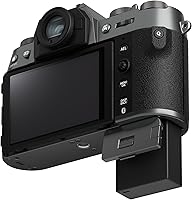
  • Touchscreen tilt is limited to one axis, which reduces its usefulness for vlogging or portrait-orientation creative angles.

Ratings

The scores below were generated by AI after analyzing thousands of verified global user reviews for the Fujifilm X-T50 Mirrorless Camera 15-45mm Kit, with spam, bot activity, and incentivized feedback actively filtered out. This camera draws passionate opinions on both sides, and those contrasts are honestly reflected here — from its genuinely impressive sensor performance to the real frustrations around battery endurance and kit lens quality.

Image Quality
93%
The 40.2-megapixel X-Trans sensor consistently impresses users shooting in natural light — landscape and portrait shooters report exceptional detail retention even when cropping aggressively. High-ISO noise has a film-grain character that many photographers actually prefer over the smeared look common in competing APS-C sensors.
In very low light or mixed artificial lighting, a small but vocal group of users note that the X-Trans color filter array can produce minor color artifacts in fine textures like fabric or foliage, which occasionally requires extra correction in post-processing.
Film Simulation & JPEG Output
91%
The dedicated Film Simulation dial is genuinely transformative for photographers who shoot JPEG — being able to flip between Classic Chrome, REALA ACE, and Velvia mid-walk without diving into menus changes how you approach a shoot. Many users report needing far less post-processing time compared to other systems.
The sheer number of simulation options can overwhelm newcomers, and the dial itself can accidentally shift positions inside a bag or jacket pocket. A few users wished there were more custom slots to save personal tweaks alongside the factory presets.
Build Quality & Design
78%
22%
The metal top plate and retro styling earn consistent compliments — users coming from plastic-heavy entry-level bodies immediately notice the more substantial feel in hand. The charcoal silver colorway also tends to look more premium in person than in product photos, which surprises buyers in a positive way.
The body is notably not weather-sealed, which is a recurring disappointment at this price point, especially compared to the X-T5. The kit lens also feels noticeably cheaper than the body, with a plasticky barrel that undermines the overall premium impression when out shooting.
Autofocus Performance
72%
28%
For everyday street, portrait, and travel shooting, the 425-point hybrid AF handles focus acquisition reliably and with decent speed in good light. Face and eye detection works well enough that most users report a solid keeper rate during casual portrait sessions or walking shots.
In low-contrast scenes or under artificial lighting, the AF can hunt noticeably, and fast-moving subjects — kids, pets, sports — expose the system's limitations compared to Sony or OM System rivals at similar price points. Users cross-shopping with the X-S20 note that its subject-tracking feels more confident.
Video Capabilities
88%
The combination of 4K/60P recording with 4:2:2 10-bit color and native Frame.io Camera to Cloud integration is a genuinely strong package for a camera this compact. Content creators especially appreciate being able to push footage wirelessly without needing a laptop or additional hardware on location.
Recording time limits and heat management during extended 4K sessions draw occasional complaints from heavy video users. The 6.2K mode, while impressive on paper, is less practically useful given the file sizes involved, and not all users feel it justifies the storage overhead.
Battery Life
51%
49%
The battery is compact and light, consistent with the camera's portable ethos, and users shooting in short bursts for street photography can often get through a morning or afternoon on a single charge without worry.
Roughly three hours of real-world use is the consistent user experience, and that drops further in cold weather or with heavy video recording. Almost every long-term owner mentions buying at least one or two spare batteries as a near-mandatory accessory, which adds cost and bag weight buyers should factor in upfront.
Kit Lens Usability
67%
33%
The 15-45mm power-zoom covers a practical wide-to-short-telephoto range that works well for travel snapshots, casual street, and everyday documentation. Optical image stabilization in the lens, combined with the body's IBIS, gives handheld shooting a noticeable confidence boost in moderate light.
The plasticky construction and slow variable aperture are hard to overlook once buyers start comparing it to Fujifilm's better prime and zoom lenses. Many users treat this kit lens as a short-term starter and budget for a lens upgrade within the first few months of ownership.
Ergonomics & Controls
84%
Photographers who appreciate physical controls — shutter speed dial, exposure compensation dial, Film Simulation dial — consistently praise the X-T50 for rewarding hands-on shooting habits. The tactile feedback makes adjusting settings without looking down genuinely practical in fast-moving street environments.
The compact body means controls are tightly spaced, and users with larger hands sometimes report accidentally nudging dials during shooting. The grip is also quite shallow, which is a real comfort issue during longer handheld sessions with heavier glass mounted.
Touchscreen & Display
79%
21%
The 3-inch tilting touchscreen is responsive and bright enough for outdoor use at moderate sunlight levels, and the tilt mechanism is useful for low-angle shooting or quick overhead framing. Touch-to-focus during video is a function that video-focused users regularly call out as genuinely helpful.
The screen only tilts on one axis, which limits its usefulness for vlogging directly into the camera or for portrait-orientation low-angle shots. Some users feel a fully articulating screen would better suit the hybrid shooting style the camera is marketed toward.
Electronic Viewfinder
74%
26%
Having an EVF on a body this compact is a genuine asset for street and travel shooters who need to frame accurately in bright outdoor conditions. The ability to preview film simulation rendering live through the viewfinder is something users migrating from DSLRs quickly come to rely on.
The EVF resolution and magnification are adequate but not class-leading — users coming from higher-end bodies notice the step down. In very bright direct sunlight, some users report slight eye strain during extended EVF-only shooting sessions.
Stabilization System
82%
18%
The dual stabilization approach — sensor-shift in the body working alongside optical IS in the kit lens — is effective enough that handheld shots at 1/30s and slower are regularly usable in good technique. Travel photographers especially appreciate being able to shoot indoors or at dusk without immediately reaching for a tripod.
The IBIS is less effective than what flagship APS-C bodies or full-frame systems offer, and at longer focal lengths with heavier lenses, its limits become more apparent. A handful of users report occasional micro-jitter artifacts in slow panning video shots when relying on stabilization alone.
Connectivity & Workflow
86%
Native Frame.io Camera to Cloud support without needing any accessory or dongle is genuinely ahead of the competition at this tier, and professional content creators with established Frame.io workflows find it a compelling selling point. Wi-Fi and Bluetooth pairing for smartphone transfers is reliable and reasonably fast.
The USB port is 2.0 rather than 3.0 or USB-C with faster data transfer, which frustrates users who regularly tether to a laptop for studio sessions or transfer large RAW batches. A few users also report that the smartphone app experience could be more polished.
Value for Money
69%
31%
For buyers who fully use the film simulation system, high-resolution sensor, and video features, the X-T50 kit represents a coherent, capable package that justifies its position as a premium APS-C option. Users upgrading from older Fujifilm bodies or entry-level mirrorless systems tend to feel the jump in quality is worth the outlay.
At its asking price, the absence of weather sealing, the modest battery, and the underwhelming kit lens create a perception gap that is hard to ignore. Buyers comparing it directly to the X-T5 — which offers similar resolution in a similarly compact body with more robust build — often feel the price difference is difficult to rationalize.
Portability & Weight
88%
At 438 grams with the body alone, the X-T50 is light enough that travel photographers regularly report wearing it all day on a strap without fatigue. The compact dimensions make it genuinely pocketable in a jacket when paired with a small prime lens.
The shallow grip means that portability occasionally comes at the cost of comfort during extended shooting sessions with larger, heavier X-mount lenses. Users who regularly shoot with telephoto glass note that the balance tilts noticeably forward in a way a deeper grip would help correct.
Ecosystem & Lens Compatibility
89%
The Fujifilm X-mount ecosystem is mature and well-stocked, with an impressive range of primes and zooms from Fujifilm and third parties. Existing X-mount users upgrading to the X-T50 can bring all their glass with them, which is a strong practical argument for staying within the system.
New buyers entering the Fujifilm ecosystem for the first time may find that the best X-mount lenses add significantly to the total investment. The 1.4x and 2x digital teleconverters are useful for occasional reach, but they are no substitute for an actual telephoto lens for wildlife or sports.

Suitable for:

The Fujifilm X-T50 Mirrorless Camera 15-45mm Kit is built for enthusiast photographers who want a camera that rewards intentional shooting rather than relying entirely on automation. If you regularly walk out the door wanting camera-ready JPEGs without spending an hour in Lightroom afterward, the dedicated Film Simulation dial and the excellent X-Trans sensor make a genuinely compelling case. Street photographers and travelers will appreciate the compact, lightweight body and the tactile dial-driven controls that let you adjust exposure settings by feel without breaking stride. Content creators who already work within a Frame.io-based production workflow will find the native cloud upload capability a practical time-saver on location. Existing Fujifilm X-mount users with a collection of lenses already invested in the ecosystem will find the upgrade path smooth and immediately rewarding.

Not suitable for:

The Fujifilm X-T50 Mirrorless Camera 15-45mm Kit is harder to recommend if weather sealing is non-negotiable for your shooting environment — hiking, travel photography in rainy climates, or dusty outdoor events all expose the body's lack of protection in ways that become genuinely frustrating. Photographers who rely on fast, confident subject tracking for wildlife, sports, or unpredictable children will find the autofocus system outpaced by rivals like the Sony a6700 or even the X-S20 within the same brand family. If you plan to shoot extended video sessions in 4K, battery life around three hours will require careful planning and extra cells, which adds both cost and carry weight. Single-card-slot bodies also create a backup workflow problem for professionals or anyone shooting events where card failure would be catastrophic. Buyers prioritizing raw value per dollar who do not care about Fujifilm's film simulation rendering or retro control layout may find competing systems offer more practical firepower for the same outlay.
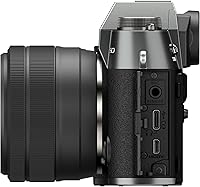
Specifications

  • Sensor: The camera uses a 40.2-megapixel X-Trans CMOS 5 HR APS-C sensor, the same generation found in the higher-end X-T5.
  • Lens Included: The kit ships with the XC 15-45mm F3.5-5.6 OIS PZ power-zoom lens, covering a 3x optical zoom range equivalent to approximately 23-69mm in full-frame terms.
  • Autofocus: A 425-point phase-detection hybrid AF system handles focus acquisition, with face and eye detection available for both stills and video.
  • Continuous Shooting: The camera supports up to 8 frames per second continuous shooting in mechanical shutter mode.
  • Video Resolution: Video recording options include 6.2K at 30fps, 4K at 60fps, and Full HD at up to 240fps, all with 4:2:2 10-bit output available.
  • Film Simulations: Twenty Film Simulation modes are accessible via a dedicated physical dial on the top plate, including the newer REALA ACE mode introduced with this generation.
  • Stabilization: The body incorporates sensor-shift in-body image stabilization (IBIS), which works in combination with the optical image stabilization built into the kit lens.
  • ISO Range: Native ISO sensitivity runs from 160 to 12800, with expanded range reaching ISO 64 at the low end and ISO 51200 at the high end.
  • Display: A 3-inch tilting touchscreen with 1.31 million dots (960 x 640 pixel resolution) and capacitive touch input is mounted on the rear of the body.
  • Viewfinder: An electronic viewfinder is built into the body for eye-level shooting and live simulation preview.
  • Shutter Speed: The mechanical shutter covers 1/4000s to 30 seconds, with flash sync available at up to 1/180s.
  • Connectivity: The camera includes Wi-Fi, Bluetooth, a single HDMI output port, and a USB 2.0 port, plus native Frame.io Camera to Cloud support requiring no additional accessories.
  • Memory: A single memory card slot accepts SD cards rated UHS-I U1 or higher, with V60 or higher recommended for high-bitrate video recording.
  • Battery: The NP-W235 lithium-ion battery provides approximately 3 hours of shooting per charge under standard conditions.
  • Body Weight: The camera body alone weighs 438 grams, making it one of the lighter bodies available in the high-resolution APS-C mirrorless category.
  • Lens Mount: The camera uses the Fujifilm X-mount, compatible with all current and legacy X-series lenses as well as a wide range of third-party options.
  • Weather Sealing: The X-T50 body is not weather-sealed or dust-resistant, which is a notable omission at this price tier compared to some competing bodies.
  • Digital Teleconverter: Built-in 1.4x and 2x digital teleconverter modes are available for extending reach without changing lenses, at a cost to effective resolution.
  • File Formats: The camera records stills in RAW (RAF format) and JPEG at up to Fine quality, and captures video in formats supporting AAC or WAV audio.
  • Warranty: Fujifilm provides a standard 1-year manufacturer warranty covering defects in materials and workmanship from the date of purchase.

Related Reviews
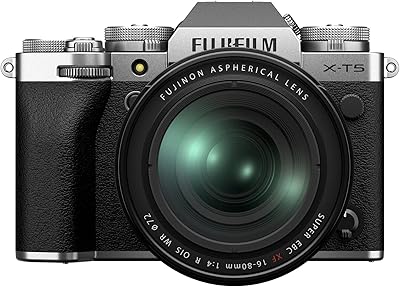
Fujifilm X-T5 XF16-80mm Mirrorless Camera Kit
82%
96%
Image Quality
91%
In-Body Image Stabilization
88%
Build Quality & Ergonomics
83%
Autofocus Performance
89%
Dial-Based Control Interface
More
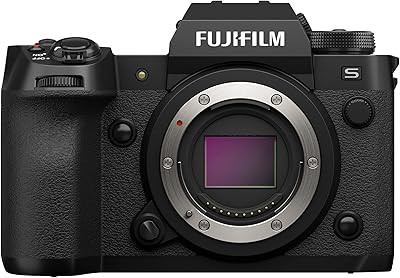
Fujifilm X-H2S Mirrorless Camera
83%
93%
Autofocus Performance
91%
Video Capability
94%
Build Quality
89%
Image Quality
88%
Burst & Buffer
More
Canon EOS M100 Mirrorless Camera with 15-45mm Lens
84%
92%
Autofocus Performance
89%
Ease of Use
88%
Image Quality
95%
Portability/Weight
63%
Low-Light Performance
More
Fujifilm X-S20 XF16-50mm Mirrorless Camera Kit
80%
91%
Image Quality
94%
Film Simulations & Color Science
88%
In-Body Image Stabilization
86%
Video Capability
67%
Autofocus Performance
More
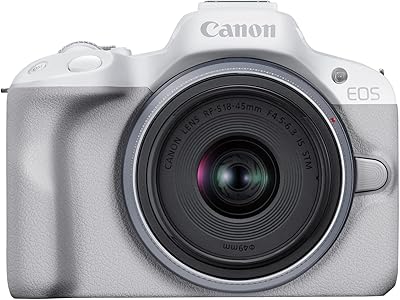
Canon EOS R50
Canon EOS R50
79%
93%
Autofocus Performance
88%
Image Quality
86%
4K Video Quality
57%
Battery Life
91%
Portability & Build
More
7Artisans 4mm F2.8 Fisheye Lens for Fujifilm X-Mount Cameras
84%
88%
Image Quality
92%
Build Quality
65%
Manual Focus Ease
94%
Portability & Size
79%
Close-Up Performance
More
Sony Alpha 7 IV
Sony Alpha 7 IV
80%
94%
Autofocus Performance
92%
Image Quality
89%
Video Capabilities
83%
In-Body Image Stabilization
58%
Battery Life
More
ZOSI 4-Pack 1080p Bullet Security Cameras
73%
84%
Daytime Image Quality
61%
Night Vision Performance
82%
Weatherproof Durability
78%
Ease of Installation
56%
DVR Compatibility
More
ZEISS Touit 50mm f/2.8 Macro Lens
82%
94%
Optical Sharpness
91%
Color Rendering & Contrast
61%
Autofocus Speed
88%
Bokeh Quality
89%
Build Quality & Finish
More
7artisans 25mm F1.8 Manual Prime Lens
79%
88%
Build Quality
91%
Value for Money
72%
Image Sharpness
83%
Bokeh Quality
61%
Chromatic Aberration
More

FAQ

It sits more naturally as an upgrade than a true beginner camera. The dial-heavy control layout rewards photographers who already understand exposure basics, and the price point assumes you are ready to grow into the system. That said, plenty of motivated newcomers buy it as their first serious camera and love it — just be prepared for a learning curve.

Honestly, the XC 15-45mm is a capable travel lens but it does feel like it belongs on a less expensive body — the plastic construction is noticeably lighter than the metal top plate of the camera itself. If your budget allows, pairing the body with a Fujifilm prime like the 23mm or 35mm f/2 WR gives you a much more satisfying shooting experience. That said, the kit lens is a perfectly practical starting point for learning the system before investing further.

It is a physical rotary dial on the top of the camera, and turning it cycles through all 20 simulation modes — things like Provia, Velvia, Classic Chrome, and the newer REALA ACE. The changes apply in real time, so you can see the effect through the viewfinder or on the screen before you shoot. For JPEG shooters especially, it replaces a lot of the color-grading work you would normally do on a computer afterward.

Yes, all Fujifilm X-mount lenses — current and older generations — are fully compatible. Autofocus, image stabilization communication, and aperture control all work as expected across the lineup. Third-party X-mount lenses from brands like Viltrox and Samyang are also broadly compatible, though feature support can vary by firmware version.

Around three hours is a realistic expectation during a mixed stills-and-video session, and that drops in cold weather or if you lean heavily on 4K recording. Almost every long-term owner ends up buying at least one spare battery — the NP-W235 is affordable and widely available, so it is worth adding one or two to your initial order rather than discovering the problem mid-shoot.

It punches well above its size for video — 4K at 60fps with 4:2:2 10-bit color is genuinely broadcast-friendly output, and the native Frame.io Camera to Cloud integration is a standout feature for anyone working in a collaborative production workflow. The main video caveats are the roughly 3-hour battery limit, the single card slot, and some heat management concerns during very long 4K recording sessions.

It is reliable and fast enough for everyday portraits, street, and travel shooting, but Sony's a6700 and OM System bodies with subject-tracking AI are noticeably more confident when chasing erratic movement — kids, pets, birds in flight. If your primary shooting involves unpredictable subjects in fast motion, those systems currently have an edge. For slower-paced shooting, the gap matters much less.

The X-T5 offers weather sealing, a slightly higher resolution sensor, and a more robust build, but it costs meaningfully more and comes as body-only. The X-T50 is lighter, includes the kit lens, and adds the Film Simulation dial as a dedicated control — something the X-T5 lacks. If portability and JPEG-first shooting are your priorities, the X-T50 is the more enjoyable daily carry; if weather protection and ultimate image quality matter more, the X-T5 is worth the extra investment.

It tilts upward and downward on a single axis, which is helpful for low-angle shots or waist-level framing, but it does not flip out fully to face forward. This means you cannot see yourself while recording directly into the camera, which is a real limitation if vlogging is a primary use case. A fully articulating screen — as found on the X-S20 — is the better choice for that style of shooting.

For general photography and Full HD video, a UHS-I U3 card works well and is widely available at a reasonable cost. If you plan to shoot 4K video regularly or use continuous burst mode for extended sequences, step up to a card rated V60 or higher to avoid buffer slowdowns or dropped frames. Brands like Sony, Lexar, and Sandisk Extreme Pro are all reliable choices within the supported speed class.