Overview

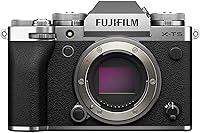
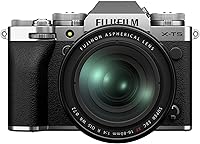
The Fujifilm X-T5 XF16-80mm Mirrorless Camera Kit is Fujifilm's answer to a persistent question: can a camera feel genuinely classic while delivering resolving power that rivals much larger systems? Wrapped in a compact body with physical dials for ISO, shutter speed, and exposure compensation, the X-T5 pairs that tactile shooting experience with a 40.2-megapixel sensor that demands serious attention. The included XF16-80mm zoom covers a practical range from wide-angle to short telephoto — useful for travel and everyday work. That said, this is a camera built for deliberate, stills-focused photographers. If you shoot primarily video or need a fully articulating screen, it is worth considering your priorities carefully before committing.
Features & Benefits

What makes the X-T5 stand out is how well the hardware performs in actual use. Shooting at ISO 125 — the native base — produces files with extraordinary shadow detail and clean tonal gradations, especially useful for landscapes in bright, contrasty light. The 7-stop IBIS system is genuinely impressive; handheld shots at shutter speeds that would normally require a tripod often come out sharp. The electronic shutter topping out at 1/180,000 sec handles fast subjects without hesitation, and 20fps burst shooting means little is missed. Pixel Shift Multi-Shot is a niche but powerful addition, stitching 20 frames into a single 160-megapixel composite — a real differentiator for commercial product and archival work where resolution is non-negotiable.

Best For

The X-T5 kit makes the most sense for photographers shooting landscapes, street scenes, or travel subjects who want a capable body without excessive bulk. The physical dial layout rewards those who prefer setting exposure before raising the camera — no menu diving required. Studio and commercial photographers will find Pixel Shift genuinely useful for catalog work where pixel-level sharpness counts. Existing Fujifilm users upgrading from an X-T3 or X-T4 will feel immediately comfortable with the mount and general layout. The XF16-80mm lens is a reasonable starting point for the kit, though photographers with dedicated prime glass will extract even more from the sensor. Video-first creators would be better served by a different system.

User Feedback

Owners consistently praise the image quality and the satisfaction of working with physical controls — the dial-driven interface is frequently cited as one of the most enjoyable shooting experiences in its class. The XF16-80mm lens earns solid marks for sharpness and weather sealing, though some buyers recommend the body-only route if quality Fujifilm glass is already in hand. The most common criticisms target cold-weather battery life, where the 680-frame rating drops noticeably, and the 4K video crop, which irritates hybrid shooters. Many X-T4 owners also flag the missing joystick, finding the D-pad less instinctive for rapid AF point repositioning. Long-term reliability feedback has been largely encouraging, consistent with Fujifilm's reputation for durable builds.

Pros

  • The 40.2MP sensor delivers file detail that comfortably rivals cameras costing significantly more.
  • Seven-stop IBIS makes sharp handheld shooting in dim light genuinely achievable, not just theoretically possible.
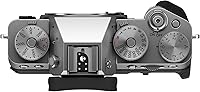
  • Physical dials for ISO, shutter, and exposure compensation make the X-T5 fast to operate without touching a menu.
  • Pixel Shift Multi-Shot produces a 160MP composite file — a rare capability at this price tier.
  • The compact, weather-sealed body holds up to light rain and dust without sacrificing a professional feel.
  • A 500,000-actuation mechanical shutter rating points to long-term durability under heavy real-world use.
  • The XF16-80mm kit lens covers a practical everyday range with solid sharpness and built-in optical stabilization.
  • The 3.69 million dot EVF with a 100fps refresh rate provides a bright, smooth view during fast-action shooting.
  • USB-C charging allows convenient top-ups from a power bank, reducing downtime on all-day shoots.
  • Subject detection autofocus reliably tracks birds, animals, and vehicles in good light without constant manual correction.

Cons

  • The 4K video crop noticeably restricts the field of view, making wide-angle video work frustrating.
  • Battery performance drops substantially in cold weather, making a spare battery an essential rather than optional purchase.
  • The joystick found on the X-T4 is absent, slowing down AF point repositioning during active shooting.
  • Bulk wireless transfer of large RAW files is impractically slow for photographers shooting high-volume sessions.
  • The XF16-80mm kit lens shows resolving limits at the long end when shooting wide open against a 40MP sensor.
  • No fully articulating screen rules this camera out for solo video creators who need front-facing monitoring.
  • Overheating warnings during extended video recording have been reported in warm ambient conditions.
  • X-Trans RAW files require up-to-date, compatible software — older editing tools can produce subpar detail rendering.
  • The compact grip can feel cramped for photographers with larger hands, especially when paired with heavier telephoto lenses.
  • Bluetooth occasionally requires re-pairing after the camera sits idle, which disrupts remote shutter workflows.

Ratings

The scores below reflect an AI-driven analysis of verified global user reviews for the Fujifilm X-T5 XF16-80mm Mirrorless Camera Kit, with spam, bot-generated, and incentivized submissions actively filtered out before any scoring was applied. Across thousands of real buyer accounts — from working photographers to dedicated hobbyists — this camera earns strong marks in several areas while drawing consistent criticism in others. Both the standout strengths and the genuine frustrations are represented transparently in each category below.

Image Quality
96%
The 40.2MP sensor consistently draws praise as the single biggest reason buyers chose the X-T5 over competing APS-C options. Landscape photographers in particular report being able to crop aggressively and still produce print-ready files, while studio users note the tonal depth at base ISO is comparable to some full-frame competitors.
A small number of users note that X-Trans processing requires compatible software — older versions of Lightroom can produce slightly mushy fine detail. At expanded ISO settings above 12800, noise handling is capable but not class-leading compared to some full-frame rivals.
In-Body Image Stabilization
91%
Buyers frequently describe the IBIS as genuinely transformative for low-light handheld work — getting sharp shots of dim interiors or evening street scenes without a tripod is a recurring highlight in real-world accounts. The 7-stop compensation claim holds up well in practice for static subjects.
Users shooting moving subjects in low light report that IBIS compensates for camera shake but cannot fully overcome subject motion blur at slow shutter speeds. A handful of buyers also note slightly inconsistent IBIS performance when paired with older non-OIS lenses.
Build Quality & Ergonomics
88%
The magnesium alloy body feels dense and purposeful in hand — not plasticky or hollow. Weather sealing combined with the XF16-80mm lens gives confident coverage in light rain, which travel and outdoor photographers cite as a meaningful real-world benefit during unpredictable shoots.
The removal of the joystick — present on the X-T4 — is a persistent ergonomic complaint. Photographers who rely on quick AF point repositioning while shooting find the D-pad noticeably slower to work with, particularly when tracking a subject through a busy frame.
Autofocus Performance
83%
Subject detection for birds, animals, and vehicles works reliably in good light, with eye-detect AF on humans drawing consistent praise from portrait photographers who previously found Fujifilm AF underwhelming. The 35ms shutter lag keeps the system feeling responsive.
In challenging conditions — low contrast, backlit subjects, or fast-moving kids in dim indoor spaces — AF hunting is noticeable. Users upgrading from Sony or Canon systems sometimes find the X-T5 AF competent but not quite at the same peak-tracking level.
Dial-Based Control Interface
89%
The physical dials for ISO, shutter speed, and exposure compensation are one of the most consistently praised aspects across all buyer segments. Experienced photographers describe the ability to set exposure before lifting the camera as genuinely faster than navigating on-screen menus — especially in fast-changing street conditions.
For photographers coming from more menu-driven systems, the learning curve is real. Some buyers initially find the dual-command-dial layout for aperture and other functions less intuitive than expected, requiring time before it becomes muscle memory.
Kit Lens Quality (XF16-80mm)
78%
22%
The XF16-80mm earns solid marks for sharpness across most of its zoom range, and the built-in optical stabilization adds a useful second layer of stability on top of IBIS. Travel photographers appreciate having a single weather-sealed lens covering wide, normal, and short telephoto in one package.
At the longer end of the zoom and wider apertures, some optical softness and fringing is visible when pixel-peeping 40MP files — the sensor resolves more than the lens can always deliver. Many experienced buyers recommend the body-only route if quality primes or faster zooms are already owned.
Video Capabilities
67%
33%
The 6.2K internal recording and F-Log2 color profile give videographers genuinely usable footage with strong dynamic range for color grading. ProRes RAW output via HDMI to an Atomos recorder is a legitimate professional-grade option for those willing to invest in external recording.
The 4K video crop is a recurring frustration — it effectively narrows the field of view, making wide-angle work awkward. Overheating warnings in warm environments have also been reported during extended video sessions, and the stills-first body design means autofocus during video is less refined than dedicated hybrid cameras.
Electronic Viewfinder
87%
The 3.69 million dot EVF with 0.8x magnification is routinely described as one of the best in the APS-C mirrorless category. The 100fps refresh rate keeps motion rendering smooth enough that sports and wildlife photographers rarely report blackout issues during burst sequences.
In very bright direct sunlight, some users find the EVF brightness just short of what they need for fully comfortable outdoor shooting. Eye relief is also noted as slightly shallow for photographers who wear glasses.
LCD Screen Usability
72%
28%
The three-way tilting mechanism works well for both landscape and portrait orientations, and the 1.84 million dot resolution gives a clear enough view for exposure checks and composition work. Low-angle landscape shots and overhead framing are noticeably easier with the tilting design.
The lack of a fully articulating screen is a meaningful limitation for vloggers and solo video creators who need to monitor themselves on camera. Touch functionality is present but buyers note it is not as responsive or feature-rich as competitors at a similar price point.
Battery Life
69%
31%
Under typical shooting conditions — a full day of mixed street and landscape photography — the NP-W235 battery comfortably handles a few hundred frames before needing attention. The USB-C charging support means topping up from a power bank mid-day is a practical workaround most buyers appreciate.
Cold weather performance is a consistent complaint: buyers shooting in winter conditions report the rated 680-frame estimate dropping substantially. Photographers on full-day outdoor trips almost universally recommend purchasing a second battery, adding cost and bag weight to the overall kit.
Pixel Shift Multi-Shot Mode
82%
18%
For commercial product photographers and archivists, the ability to produce a 160MP composite from a single shutter press is a legitimately unique feature at this price level. Users who have tested it for catalog work and fine art reproduction describe the output detail as noticeably superior to any single-frame capture.
The mode requires a completely static subject and a stable tripod, limiting its practical application to controlled environments only. Post-processing also requires Fujifilm's dedicated Pixel Shift Combiner software, which adds a step to the workflow that some users find cumbersome.
Compact Body & Portability
91%
Buyers repeatedly highlight the combination of a 40MP sensor inside a body that fits comfortably in a small shoulder bag as a core reason for choosing the X-T5 over competitors. Travel photographers report being less fatigued after long shooting days compared to heavier full-frame systems.
The compact dimensions come with a slightly smaller grip than some users prefer for extended handheld use with heavier telephoto lenses. A few buyers with larger hands find the body alone cramped enough to warrant the optional battery grip accessory.
Connectivity & File Transfer
74%
26%
Wi-Fi and Bluetooth pairing with the Fujifilm XApp works reliably for quick transfers of selected JPEGs to a smartphone for on-the-go sharing. USB-C connectivity is appreciated for both charging and tethered shooting in studio environments.
Transferring large RAW files wirelessly is noticeably slow — users dealing with 40MP RAF files describe the process as impractical for bulk transfers. Bluetooth connectivity, while stable for remote shutter use, occasionally requires re-pairing after the camera has been off for an extended period.
Value for Money
79%
21%
Buyers who evaluated the X-T5 as a stills-first camera consistently rate the value as strong given the sensor resolution, IBIS quality, and build standard delivered. For photographers already invested in the Fujifilm X-mount lens ecosystem, the upgrade from an older body is especially compelling.
Buyers expecting a versatile hybrid camera covering both stills and video at this price tier often feel underserved. Those who purchase the kit lens and later discover its resolving limits relative to the sensor may feel the bundle pricing would have been better directed toward a body-only purchase with a faster prime.

Suitable for:

The Fujifilm X-T5 XF16-80mm Mirrorless Camera Kit is best matched to photographers who treat image quality as the non-negotiable priority and want that performance in a body small enough to carry all day without fatigue. Landscape and travel shooters will find the 40.2MP sensor and 7-stop IBIS combination particularly compelling — the ability to capture fine texture in mountain terrain or city architecture handheld, without lugging a full-frame system, is a genuine practical advantage. Street photographers drawn to physical controls will appreciate setting ISO and shutter speed by feel before the camera even reaches eye level, which keeps shooting instinctive and uninterrupted. Commercial and studio photographers working on product catalogs or archival digitization will find the Pixel Shift Multi-Shot mode offers resolution that would otherwise require a medium format investment. Fujifilm users already holding a collection of X-mount glass — especially primes — will extract the most from this sensor, and the upgrade path from an X-T3 or older body is a natural and meaningful one.
Not suitable for:

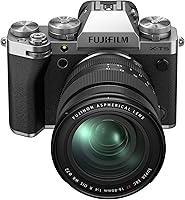
The Fujifilm X-T5 XF16-80mm Mirrorless Camera Kit is the wrong choice for anyone whose primary creative output is video. The 4K crop factor narrows the field of view in ways that frustrate wide-angle work, overheating during extended recording sessions is a documented concern, and the overall video autofocus experience trails purpose-built hybrid cameras by a noticeable margin. Content creators who need to film themselves solo will also find the three-way tilting screen limiting — it does not flip forward, which makes self-monitoring genuinely awkward. Photographers upgrading from the X-T4 who relied heavily on the joystick for rapid AF point selection may need a real adjustment period, as the D-pad replacement is less efficient during fast-paced shooting. Buyers expecting to use this primarily as an all-in-one solution for both serious stills and professional video work will likely find themselves wanting a second dedicated video body. Finally, those shooting frequently in cold climates should budget for at least one spare battery from day one — the rated frame count drops meaningfully in freezing temperatures.
Specifications

  • Sensor: The camera uses a 40.2MP APS-C X-Trans 5 HR CMOS sensor without an optical low-pass filter, designed to maximize fine detail resolution.
  • ISO Range: Native sensitivity runs from ISO 125 to ISO 12800, with expanded settings available down to ISO 64 and up to ISO 51200.
  • Stabilization: A 5-axis in-body image stabilization system provides up to 7 stops of shake compensation, working independently and in combination with OIS lenses.
  • Shutter Speeds: The mechanical shutter covers 1/8000 sec to 15 minutes, while the electronic shutter extends the top speed to 1/180,000 sec.
  • Burst Shooting: Continuous shooting reaches 15fps with the mechanical shutter and 20fps with the electronic shutter, with subject-tracking autofocus active throughout.
  • Video Recording: Internal video recording supports up to 6.2K at 30p in 4:2:2 10-bit color, with a 4K HQ mode that oversamples 6.2K footage for improved output quality.
  • Log & RAW Output: F-Log and F-Log2 profiles are available internally, while 12-bit Apple ProRes RAW and Blackmagic RAW can be output via HDMI to compatible external recorders.
  • Viewfinder: The electronic viewfinder uses a 3.69 million dot OLED panel with 0.8x magnification and a 100fps refresh rate for smooth, near-blackout-free viewing.
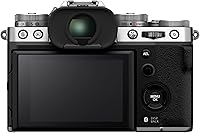
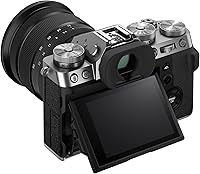
  • LCD Screen: A 3-inch three-way tilting touchscreen LCD with 1.84 million dots and capacitive touch supports composition at low and high angles in both orientations.
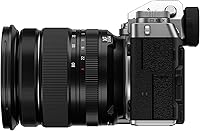
  • Kit Lens: The included XF16-80mm f/2.8-4 R OIS WR lens provides a 5x zoom range equivalent to approximately 24-122mm in full-frame terms, with built-in optical stabilization and weather resistance.
  • Autofocus: Deep-learning subject detection AF covers humans, animals, birds, cars, motorcycles, aircraft, and trains, with a shutter release lag of approximately 35ms.
  • Pixel Shift Mode: Pixel Shift Multi-Shot automatically captures 20 frames with precise sensor shifts, which are combined in software to produce a single 160MP composite file.
  • Battery Life: The NP-W235 lithium-ion battery is rated for approximately 680 frames per charge under standard conditions, with USB-C charging supported.
  • Memory Card: A single SD/SDHC/SDXC card slot supports UHS-I and UHS-II cards, with write speeds of 50 to 100 MB/s depending on the card used.
  • Connectivity: Wireless connectivity includes Wi-Fi and Bluetooth for remote control and image transfer, alongside USB-C and a full-size HDMI port for wired connections.
  • Lens Mount: The camera uses the Fujifilm X mount, compatible with all current and legacy XF and XC series lenses.
  • Shutter Durability: The mechanical shutter is rated to 500,000 actuations, reflecting a design specification intended for heavy professional use over an extended service life.
  • Body Material: The magnesium alloy body is weather and dust resistant, with sealing at 79 points to protect against light moisture exposure during outdoor shooting.
  • Aspect Ratio: The native aspect ratio is 3:2, matching standard photographic proportions, with in-camera options to shoot in 16:9, 1:1, and 65:24 panoramic formats.
  • Warranty: Fujifilm provides a 1-year manufacturer warranty covering defects in materials and workmanship from the date of original purchase.

Related Reviews
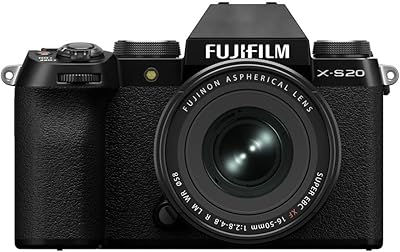
Fujifilm X-S20 XF16-50mm Mirrorless Camera Kit
80%
91%
Image Quality
94%
Film Simulations & Color Science
88%
In-Body Image Stabilization
86%
Video Capability
67%
Autofocus Performance
More
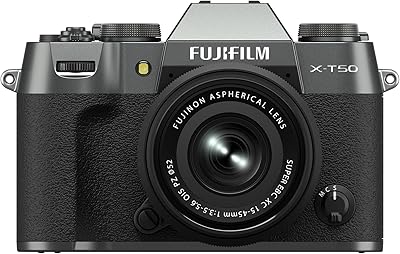
Fujifilm X-T50 Mirrorless Camera 15-45mm Kit
79%
93%
Image Quality
91%
Film Simulation & JPEG Output
78%
Build Quality & Design
72%
Autofocus Performance
88%
Video Capabilities
More
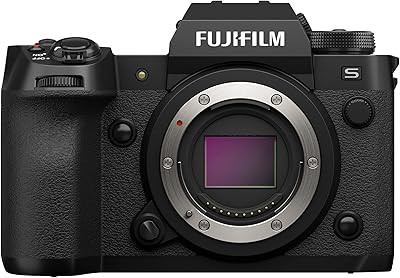
Fujifilm X-H2S Mirrorless Camera
83%
93%
Autofocus Performance
91%
Video Capability
94%
Build Quality
89%
Image Quality
88%
Burst & Buffer
More
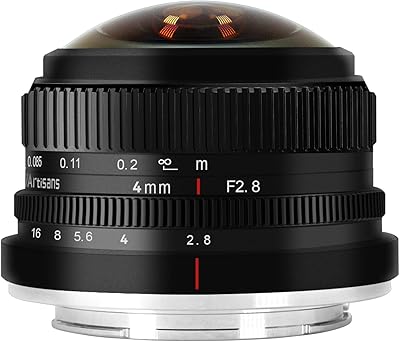
7Artisans 4mm F2.8 Fisheye Lens for Fujifilm X-Mount Cameras
84%
88%
Image Quality
92%
Build Quality
65%
Manual Focus Ease
94%
Portability & Size
79%
Close-Up Performance
More
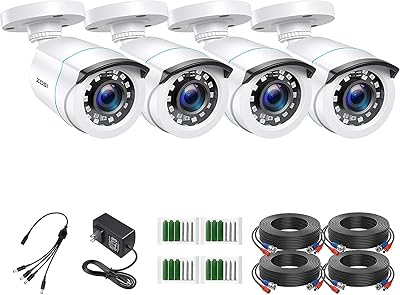
ZOSI 4-Pack 1080p Bullet Security Cameras
73%
84%
Daytime Image Quality
61%
Night Vision Performance
82%
Weatherproof Durability
78%
Ease of Installation
56%
DVR Compatibility
More
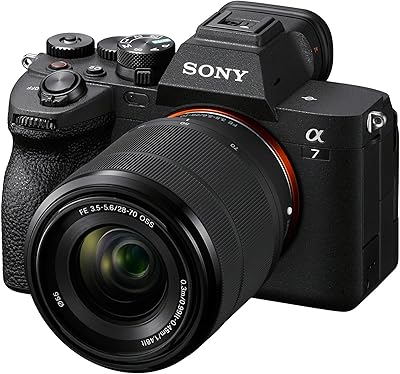
Sony Alpha 7 IV
Sony Alpha 7 IV
80%
94%
Autofocus Performance
92%
Image Quality
89%
Video Capabilities
83%
In-Body Image Stabilization
58%
Battery Life
More
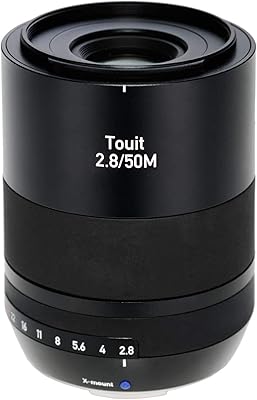
ZEISS Touit 50mm f/2.8 Macro Lens
82%
94%
Optical Sharpness
91%
Color Rendering & Contrast
61%
Autofocus Speed
88%
Bokeh Quality
89%
Build Quality & Finish
More
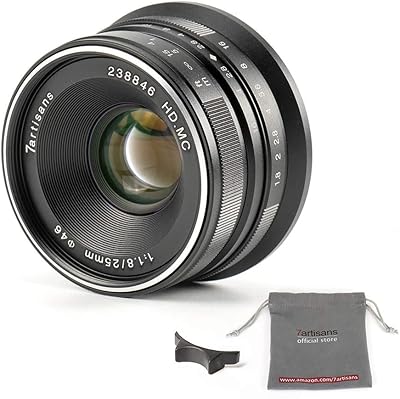
7artisans 25mm F1.8 Manual Prime Lens
79%
88%
Build Quality
91%
Value for Money
72%
Image Sharpness
83%
Bokeh Quality
61%
Chromatic Aberration
More
Canon EOS R5 Mirrorless Camera
81%
97%
Image Quality
95%
Autofocus Performance
82%
Video Capability
93%
Build Quality & Durability
88%
In-Body Image Stabilization
More
Viltrox 75mm F1.2 PRO APS-C Auto Focus Camera Lens for Fujifilm X Mount
85%
92%
Autofocus Performance
88%
Image Sharpness
90%
Low-Light Performance
85%
Bokeh Quality
82%
Build Quality
More

FAQ

Honestly, it depends on your expectations. The X-T5 records internally at up to 6.2K with solid color science, and F-Log2 gives you real dynamic range to work with in post. That said, the 4K crop is a genuine annoyance for wide-angle work, and this is fundamentally a stills-first camera — if video is your primary focus, a purpose-built hybrid will serve you better.

The XF16-80mm is a competent, weather-sealed zoom that handles everyday shooting well — landscapes, travel, street, casual portraits. At the wide end it is sharp enough to flatter the sensor, but at 80mm and wider apertures you can start to see the sensor resolving more than the lens can deliver if you are pixel-peeping. If you already own fast primes or higher-end Fujifilm zooms, buying the body alone and using your existing glass will produce noticeably better results.

For landscape work specifically, the answer is almost certainly yes. The 40.2MP sensor produces files with a level of fine detail and tonal depth that older X-Trans sensors simply cannot match, and the improved IBIS means you can get away with handheld shots at shutter speeds that previously required a tripod. If large prints or aggressive cropping matter to your workflow, this is a meaningful upgrade.

Fujifilm removed the joystick with the X-T5, replacing it with a D-pad for AF point selection. For photographers who relied on the joystick to quickly reposition focus points while tracking a subject, this is a real ergonomic step back — it is slower and less intuitive in fast-paced situations. It is one of the most common complaints from X-T4 owners considering the upgrade, so it is worth factoring into your decision if that workflow matters to you.

Under mild conditions, the NP-W235 handles a full day of mixed shooting comfortably for most users. In cold weather — anything below freezing — expect the rated 680-frame figure to drop noticeably, sometimes significantly. Buying a second battery before your first winter trip is strongly recommended rather than optional. USB-C charging from a power bank works well as a backup strategy during long outdoor days.

Yes — the X mount has remained consistent across the X series lineup, so all XF and XC lenses are mechanically compatible. Older lenses will work for aperture and focus control, though some very early lenses may not support all the newer AF modes like subject detection. For the best autofocus performance, particularly animal and bird tracking, current-generation XF lenses with updated firmware give the most reliable results.

You mount the camera on a sturdy tripod, point it at a completely static subject, and press the shutter once. The camera automatically captures 20 frames while shifting the sensor in precise increments, then you combine them using Fujifilm's free Pixel Shift Combiner software on your computer to produce a single 160MP output file. It is genuinely impressive for product photography or fine art reproduction, but any subject movement — even a leaf in the wind — will create artifacts in the final file, so it is strictly a controlled-environment tool.

The three-way tilt works well for the scenarios most stills photographers encounter — low-angle landscape shots, overhead framing, portrait orientation compositions. Where it falls short is front-facing monitoring for solo video or vlogging work, since the screen cannot flip forward. If you plan to film yourself regularly, this limitation is real and worth taking seriously before buying.

For stills, a good UHS-I V30 card handles the X-T5 without issue in most shooting scenarios. If you plan to shoot extended video at high bitrates or use the full burst buffer regularly, a UHS-II card will give you faster write speeds — up to around 100 MB/s — which reduces buffer clearing time noticeably. Budget cards or older slow SD cards will bottleneck burst performance and video recording, so it is worth investing in a quality card upfront.

The early indicators are positive. The magnesium alloy construction feels solid, the weather sealing has proven effective in real-world rain and dusty conditions based on user reports, and the 500,000-actuation mechanical shutter rating gives confidence for heavy use over several years. Fujifilm has a generally strong reputation for build longevity across its X-series lineup, and the X-T5 appears to continue that track record based on feedback from buyers who have used it intensively since launch.