FREENOVE Super Starter Kit for Raspberry Pi Pico


Overview
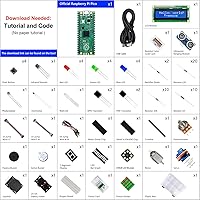
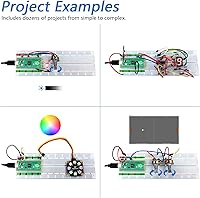
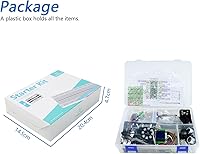
The FREENOVE Super Starter Kit for Raspberry Pi Pico is a comprehensive learning package designed to introduce users to both electronics and programming. This kit includes 177 essential components and offers 94 different projects, making it a valuable resource for learners at various skill levels. The included step-by-step tutorial guides users through projects that range from simple to complex. Whether you're new to coding or have some experience with Raspberry Pi, this starter kit is a solid foundation for building practical skills and understanding the basics of hardware interaction.
Features & Benefits
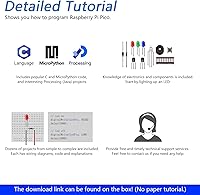
This starter kit offers a 588-page tutorial that provides clear, detailed instructions in multiple programming languages, including Python, C, and Java. With a broad selection of components, including sensors, modules, and wires, the kit encourages users to experiment with different projects and gradually increase their technical knowledge. The variety of components makes it suitable for a wide range of electronics applications. Additionally, the projects progress in difficulty, ensuring a smooth learning curve as users enhance their programming skills while tackling increasingly sophisticated tasks.
Best For
The FREENOVE kit is an excellent choice for beginner to intermediate makers who want to explore Raspberry Pi Pico and learn about coding and electronics. It’s particularly beneficial for educators and students seeking a hands-on learning experience, as it offers real-world applications of concepts. DIY enthusiasts who enjoy building and experimenting with various electronics projects will also appreciate the versatility and depth this kit offers. Whether you're just starting or looking to refine your skills, the kit provides everything you need to expand your knowledge.
User Feedback
Users generally commend the kit's comprehensive tutorial and the clear instructions that make it easy to follow along, especially for beginners. Many find the 177 components and 94 projects to be a great mix of variety and challenge. However, a few reviewers pointed out that the lack of a physical manual could be inconvenient for some, as they prefer having a hard copy to reference while working. Despite this minor drawback, the kit is considered a great value for anyone looking to dive into Raspberry Pi and electronic experimentation.
Pros
- The detailed 588-page tutorial provides clear guidance, making it easy for beginners to follow along.
- The 177 components included offer a great variety of sensors and modules for creative experimentation.
- Step-by-step instructions cater well to those new to electronics, allowing users to progress at their own pace.
- Projects range in complexity, offering challenges that grow with the user’s skill level.
- Ideal for educators seeking a hands-on learning tool for students to understand coding and electronics.
- The kit's versatility makes it suitable for both personal projects and educational environments.
Cons
- Some users found the lack of a physical manual inconvenient, especially for offline learning.
- The projects may feel too basic for advanced users looking for more complex challenges.
- While the online tutorials are detailed, those without reliable internet access may struggle to follow along.
- A few components are reported to be less durable, which may affect long-term use in some projects.
- No dedicated software or apps are included to support the learning experience.
- The kit’s size and range of components may overwhelm beginners who are not yet familiar with electronics.
Ratings
The FREENOVE Super Starter Kit for Raspberry Pi Pico has been reviewed by users worldwide, with feedback from multiple languages and platforms. After filtering out low-quality, spammy, or incentivized reviews, we analyzed authentic, verified user feedback to create this overall rating. Both the strengths and pain points of this kit are reflected in the scores, providing a comprehensive look at its performance across various categories.
Value for Money
Ease of Use for Beginners
Tutorial Quality
Component Variety
Project Range and Complexity
Educational Value
Build Quality
Instruction Clarity
Physical Manual Availability
Customer Support
Portability
Long-Term Value
Suitable for:
The FREENOVE Super Starter Kit for Raspberry Pi Pico is ideal for beginners and intermediate users interested in learning electronics and programming. It's especially well-suited for students or DIY enthusiasts looking to explore hands-on projects with minimal prior knowledge. The kit’s comprehensive tutorial and extensive component list make it perfect for those starting their journey with Raspberry Pi, as well as educators seeking a versatile teaching resource. With 94 projects that progress in difficulty, it’s an excellent choice for anyone wanting to learn coding, experiment with sensors and modules, or even create small electronic devices. The wide range of components offers flexibility for various learning styles and creative experimentation, ensuring broad educational value for a range of users.
Not suitable for:
This starter kit may not be the best fit for advanced users or professionals seeking more complex components or in-depth projects. While it provides a solid foundation, more experienced makers might find the projects too simple and the components not specialized enough for advanced applications. Additionally, those who prefer a physical manual may be disappointed by the online-only tutorial. If you're looking for a more self-contained and intensive learning experience, the absence of a printed guide could hinder the overall usability for some. Lastly, users who require very high-quality, durable parts for ongoing professional work might find some of the included components lacking in terms of build quality.
Specifications
- Total Components: Includes 177 components such as sensors, modules, wires, and other parts needed for various projects.
- Projects: Offers 94 step-by-step projects that help users build practical electronics applications.
- Tutorial Pages: Comes with a 588-page tutorial covering code examples and hardware setup in Python, C, and Java.
- Board Type: Designed for the Raspberry Pi Pico board, which is known for its versatility in DIY electronics projects.
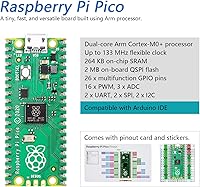
- Processor: Powered by a dual-core Arm Cortex-M0+ processor, ideal for handling basic programming and electronics tasks.
- Memory: Features 264 KB of SRAM for smooth performance in running various projects and code samples.
- Storage: Offers 2 MB of storage space, sufficient for most small-to-medium projects and code files.
- Voltage: Operates at 5 Volts, which is compatible with a wide range of standard electronics components.
- Operating System: Uses an embedded operating system designed for ease of use and flexibility in electronic projects.
- Programming Languages: Supports Python, C, and Java for programming the Raspberry Pi Pico and interacting with hardware components.
- Weight: The total weight of the kit is approximately 1.1 pounds, making it portable and easy to handle.
- Compatibility: Compatible with other Raspberry Pi models, but the tutorial is specifically designed for the Raspberry Pi Pico.
- Learning Curve: The kit is beginner-friendly, with detailed tutorials designed to assist users at different levels of expertise.
- Power Requirements: Powered via USB, ensuring easy connectivity and power supply for the Raspberry Pi Pico board.
- Components Variety: The kit includes a wide range of components such as LEDs, motors, sensors, and more to support diverse projects.
- Build Quality: Components are made with quality materials to ensure durability and reliable performance during experiments.
- Online Tutorial: All tutorial materials are available online, which some users appreciate for accessibility but others find inconvenient.
- Expansion Capabilities: Supports external components and accessories, offering opportunities to expand projects beyond the included kit.
Related Reviews
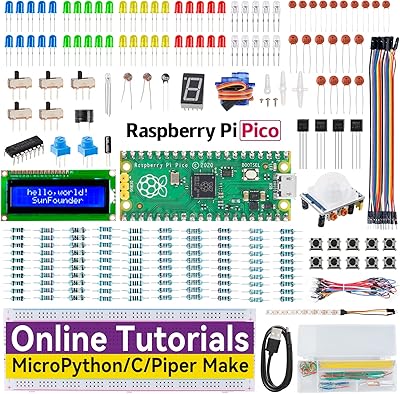
SunFounder Raspberry Pi Pico Starter Kit
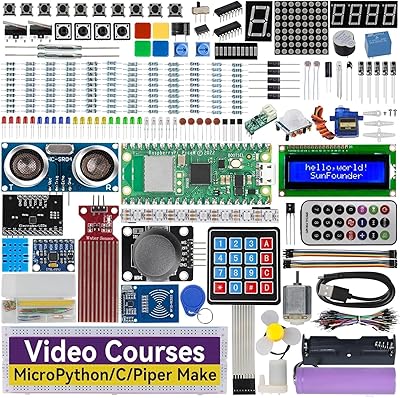
SunFounder Raspberry Pi Pico W Ultimate Starter Kit
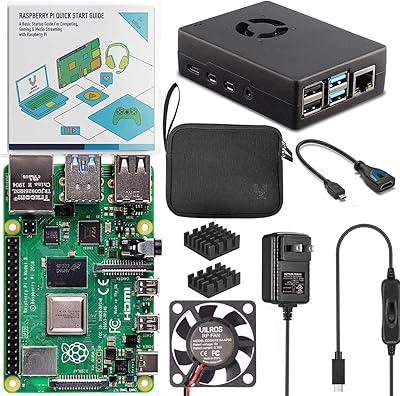
Vilros Raspberry Pi 4 4GB Starter Kit
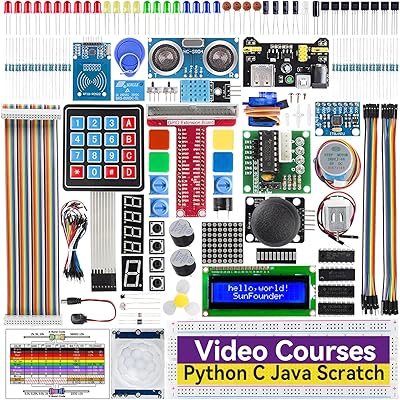
SunFounder Da Vinci Starter Kit for Raspberry Pi
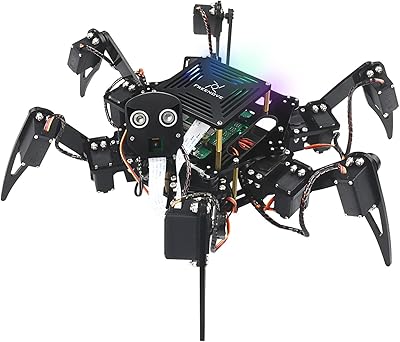
Freenove Big Hexapod Robot Kit
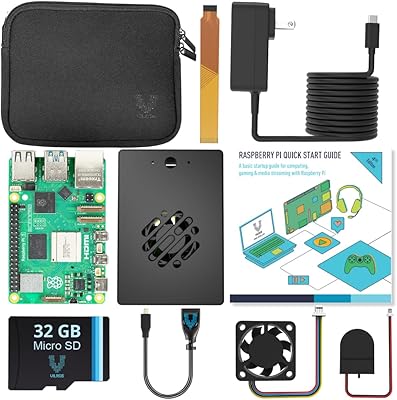
Vilros Raspberry Pi 5 4GB Starter Kit
Vilros Raspberry Pi 5 8GB Starter Kit
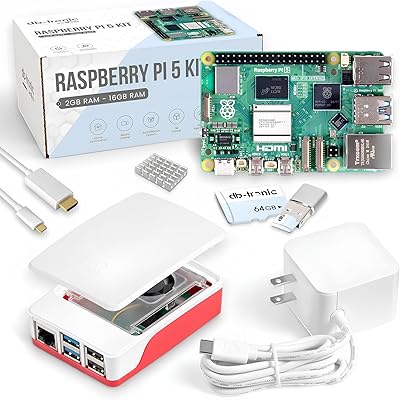
Raspberry Pi 5 8GB Starter Kit 64GB Edition
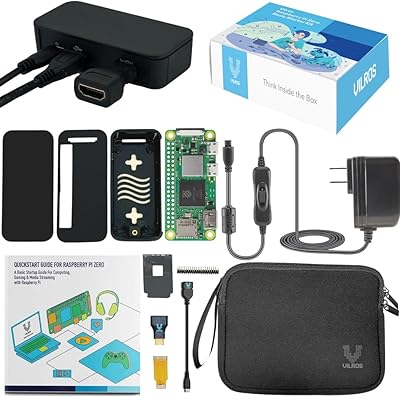
Vilros Pi Zero 2 W Starter Kit