Overview

The Fikwot FX991 2TB NVMe SSD entered a crowded market in mid-2024, pitching itself as a serious Gen 4 performer without the brand-name premium. Fikwot isn't a household name yet, but that hasn't slowed the drive's momentum — it currently sits at #47 in Internal SSDs on Amazon, backed by over 2,100 ratings. For buyers who want genuine PCIe Gen 4 bandwidth at a more approachable price point, this Fikwot SSD makes a compelling case. The 2TB capacity is the real sweet spot here: large enough to hold a full game library or working project files, without pushing into the higher price tiers that 4TB drives occupy.

Features & Benefits

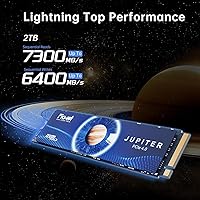
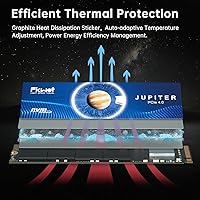
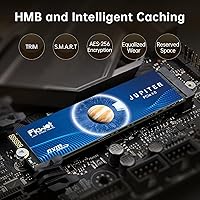
The FX991 runs on a PCIe Gen 4x4 interface, hitting sequential reads up to 7,300 MB/s and writes up to 6,400 MB/s — numbers that put it squarely in top-tier Gen 4 territory on paper. Since it uses QLC NAND rather than TLC, it relies on HMB and SLC caching to keep performance sharp for typical workloads. That combination works well for everyday tasks and gaming, but if you're moving large batches of files continuously, expect speeds to settle once the cache fills. A graphite heatsink ships in the box, which helps manage temps under load — especially useful for PS5 installs. Rounding things out: AES-256 encryption, TRIM, S.M.A.R.T, and a 5-year warranty with 1,200TBW endurance.

Best For

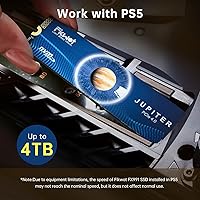
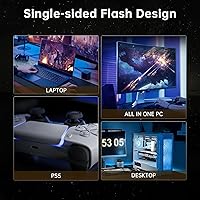
This Gen 4 drive makes the most sense for PS5 storage expansion — the included heatsink fits the console's M.2 bay without requiring a separate purchase, which is a practical advantage over drives that ship bare. Laptop users replacing a slow SATA or older NVMe drive will notice an immediate difference in boot and load times. Budget-conscious desktop builders get genuine Gen 4 throughput without paying the premium that brands like WD or Samsung command for their flagship models. Content creators handling moderate file sizes will be comfortable here too, though those routinely moving very large archives in one shot should weigh the QLC cache limitations honestly before buying.

User Feedback

With a 4.6-star average across more than 2,100 reviews, the FX991 has earned genuine goodwill from buyers. Installation is frequently praised — most users report straightforward setup in both laptops and PS5 consoles, with the heatsink fitting cleanly into the console bay. Real-world speed improvements over older drives get called out regularly. The concerns are predictable but worth noting: a handful of reviewers flag write speed drops during large sustained transfers, which tracks with how QLC drives behave once the cache is saturated. Long-term reliability data is still limited given the drive's age, though customer support responsiveness is mentioned positively in several threads — encouraging for a brand still building its reputation.

Pros

  • Gen 4 sequential read speeds up to 7,300 MB/s deliver a massive upgrade over SATA and Gen 3 NVMe drives.
  • The included graphite heatsink means PS5 users don't need to buy a separate thermal solution.
  • A 5-year warranty with 1,200TBW endurance is genuinely competitive for a 2TB drive at this price.
  • Over 2,100 Amazon ratings averaging 4.6 stars reflects broad, real-world buyer satisfaction.
  • HMB technology makes up for the lack of dedicated DRAM, keeping everyday performance snappy.
  • AES-256 hardware encryption adds a layer of data security most budget drives skip entirely.
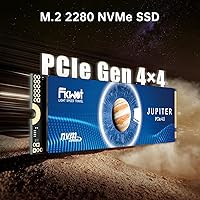
  • The M.2 2280 form factor ensures wide compatibility across laptops, desktops, and the PS5.
  • Installation is consistently praised as straightforward, even for first-time upgraders.
  • At 2TB, there's enough room for a large game library plus OS and applications without juggling storage.
  • The price undercuts established Gen 4 competitors while delivering comparable headline performance.

Cons

  • QLC NAND means sustained write speeds drop significantly once the SLC cache fills — a real issue for large file transfers.
  • Fikwot is a relatively new brand with limited long-term reliability data compared to Samsung or WD.
  • No dedicated DRAM cache; HMB performance depends on available system memory and platform support.
  • Long-term customer support quality is still an unknown for a brand still building its service reputation.
  • Real-world sustained write speeds will fall short of the advertised peak figures under heavy continuous load.
  • QLC NAND generally has lower write endurance per cell than TLC, which can matter over years of heavy use.
  • Not suitable for PCIe Gen 5 motherboards seeking next-generation maximum throughput.
  • Benchmark results may look strong, but cache-limited behavior can disappoint users who dig into the fine print.

Ratings

The Fikwot FX991 2TB NVMe SSD earns an overall strong reception across thousands of verified global purchases, and the scores below reflect what real buyers consistently report after using this Gen 4 drive in PS5 consoles, gaming laptops, and desktop builds. Our AI has analyzed confirmed purchase reviews worldwide, actively filtering out incentivized, bot-generated, and unverified feedback to surface genuine patterns. Both the standout strengths and the honest friction points are represented here — nothing is smoothed over.

Sequential Read Performance
88%
Buyers upgrading from SATA or Gen 3 NVMe drives consistently describe boot times and game load screens that feel noticeably snappier. The headline read speeds hold up well for the tasks most users actually run day-to-day, and the difference is tangible enough that even casual users remark on it.
Peak speeds are cache-dependent, so synthetic benchmark results can look more impressive than real-world workloads with mixed file sizes. Users running benchmark tools after the cache depletes will see figures that fall short of the advertised ceiling.
Sustained Write Speed
61%
39%
For the majority of use cases — installing games, saving project files, transferring moderate-sized folders — the SLC cache handles bursts efficiently and users rarely notice any hesitation. The drive performs well enough that most PS5 and gaming laptop users never encounter a problem.
Once the SLC write cache is saturated during large continuous transfers, speeds drop significantly as the drive falls back to native QLC write rates. Users copying archives of 100GB or more in a single pass have flagged this slowdown, which is an inherent trade-off of QLC NAND without dedicated DRAM.
PS5 Compatibility
93%
Fitment inside the PS5 M.2 bay is clean and consistent across a large number of buyer reports, and the included heatsink slots into the console without requiring any modification or additional hardware. PS5 owners specifically call out the convenience of getting a ready-to-install package at a competitive price point.
A small number of users noted that the heatsink's graphite pad sits close to the clearance limits of the PS5 bay on certain console revisions, so it's worth double-checking your specific PS5 model before assuming a guaranteed fit. No widespread incompatibility has been reported, but the margin is tighter than with slimmer bare drives.
Value for Money
91%
Compared to established Gen 4 alternatives from Samsung and WD, the FX991 consistently delivers comparable headline performance at a lower cost, and buyers frequently describe it as the smartest way to get into Gen 4 storage without overspending. The bundled heatsink adds real value that competing bare drives at similar prices don't offer.
The price advantage shrinks if you factor in that TLC-based competitors offer better sustained write consistency — buyers who later discover they needed that performance feel the value equation shifts. A few users also noted that occasional sale pricing on WD or Samsung models closes the gap further.
Thermal Management
82%
18%
The included graphite heatsink makes a measurable difference during sustained workloads, and desktop and PS5 users in particular report that the drive maintains stable temperatures without throttling during typical gaming sessions. It is a practical, thoughtful inclusion for a drive at this tier.
In thin-and-light laptops with limited chassis airflow, the heatsink offers limited benefit and some thermal throttling under prolonged load has been observed. Users with slim ultrabooks should not expect the same thermal headroom as those installing it in a well-ventilated desktop or PS5.
Installation Experience
89%
First-time upgraders and experienced builders alike consistently praise how straightforward the physical installation is, with the M.2 2280 form factor fitting without any compatibility surprises in the vast majority of systems. PS5-specific installation guides from Fikwot are reported as clear and easy to follow.
A handful of buyers noted that the heatsink's adhesive pad can be slightly awkward to align correctly on the first attempt, particularly for those installing it in a confined laptop chassis. There is no cloning or migration software bundled, so users moving from an existing system drive need to source that separately.
Build Quality
77%
23%
The drive feels solid for its weight class, and the graphite heatsink adds a layer of protection that bare M.2 drives lack. Users handling it during installation generally describe it as well-constructed for the price point.
The heatsink's graphite material feels less premium than the aluminum spreaders used on flagship competitors like the WD Black SN850X. A few buyers noted the thermal pad seemed minimally adhered out of the box, requiring careful handling during installation.
Gaming Load Times
87%
PS5 and PC gaming users report measurable improvements in level load times and texture streaming compared to Gen 3 or SATA drives, particularly in open-world titles with large asset pools. The drive handles game library storage with consistency across multiple sessions without hitching or slowdowns.
The performance difference versus a premium TLC Gen 4 drive is marginal in gaming-specific workloads, meaning users paying specifically for gaming performance could achieve similar results with any solid Gen 4 drive. The gains over a good Gen 3 drive are real but not dramatic for gaming in isolation.
NAND Endurance
68%
32%
The 1,200TBW endurance rating is genuinely competitive for a 2TB QLC drive, and for typical home or gaming use the drive should reach end-of-life from obsolescence well before it runs out of write capacity. S.M.A.R.T monitoring allows proactive health tracking throughout the drive's lifespan.
QLC NAND has fewer program-erase cycles per cell than TLC, which is a factual long-term limitation even if it rarely surfaces in practice for casual users. Professionals writing large datasets repeatedly every day may want the higher endurance headroom that TLC-based drives provide.
Brand Reliability
66%
34%
Early buyer feedback paints a largely positive picture of consistent performance out of the box, and customer support interactions are described as responsive by users who needed assistance. The 5-year warranty is a meaningful commitment that signals some confidence from the manufacturer.
Fikwot simply does not have the multi-year reliability track record that Samsung, WD, or Seagate have built over decades, and this is not something buyer reviews can fully compensate for yet. Buyers who place a high premium on proven long-term dependability will reasonably feel more comfortable with an established brand despite the higher cost.
Laptop Compatibility
83%
The standard M.2 2280 form factor and backward-compatible PCIe interface mean this drive slots into a very wide range of laptops without issue, and buyers report no compatibility surprises across a diverse mix of machines. Gen 3 laptop owners still benefit from a meaningful speed upgrade over SATA.
Thin ultrabooks with limited M.2 slot clearance may not accommodate the heatsink cleanly, forcing users to remove it and forgo the thermal benefits. PCIe Gen 4 speeds also require a Gen 4-capable slot to fully materialize, and many mid-range laptops still ship with Gen 3 M.2 interfaces.
Software & Ecosystem
52%
48%
The drive supports industry-standard protocols including TRIM and S.M.A.R.T, which means it works cleanly with OS-level monitoring tools like CrystalDiskInfo and Windows built-in health diagnostics. No proprietary software lockdown means users are free to use whatever disk management tools they prefer.
There is no bundled drive management suite, health dashboard app, or cloning tool — something that brands like Samsung offer with Magician software. Buyers expecting an out-of-the-box migration experience will need to invest time sourcing and configuring third-party tools independently.
Packaging & Accessories
74%
26%
The heatsink being included in the box is a genuine differentiator at this price tier, and buyers describe the packaging as clean and protective without being wasteful. Everything needed for a basic physical installation arrives together, which is particularly appreciated by PS5 upgraders.
Beyond the heatsink, accessories are minimal — no screws, no installation tool, and no data migration software are included. Budget-conscious buyers who assumed the package would cover all installation needs may need to source a compatible M.2 screw separately depending on their system.

Suitable for:

The Fikwot FX991 2TB NVMe SSD is a strong fit for PS5 owners who want to expand console storage without buying a separate heatsink — the included graphite thermal pad fits the PS5's M.2 bay cleanly, which removes one common friction point from the upgrade process. Laptop users stuck on a SATA drive or an older Gen 3 NVMe will feel an immediate, meaningful difference in everyday responsiveness. Budget-conscious desktop builders who want legitimate Gen 4 throughput for gaming, light content work, or a fast system drive will find the value proposition hard to argue with at this price tier. The 2TB capacity is practical for anyone managing a growing game library, since modern titles routinely consume 80–150GB each and storage fills faster than most people expect. Users coming from a Gen 3 drive who don't need to push maximum sustained write speeds continuously — think gaming, web browsing, casual video editing — will get exactly the performance bump they're looking for.

Not suitable for:

The Fikwot FX991 2TB NVMe SSD is not the right call for professionals or power users who regularly transfer very large files in one continuous operation. Because it uses 3D QLC NAND with HMB and SLC caching rather than a dedicated DRAM buffer or TLC NAND, sustained write speeds drop noticeably once the cache is exhausted — something that matters if you're copying hundreds of gigabytes at a time, like rendering large video projects or moving raw photo archives. Buyers who prioritize brand reputation and long-term reliability data should also take pause: Fikwot is a newer name, and while early feedback is positive, the track record simply isn't as established as Samsung, WD, or Seagate. Anyone building a high-end workstation or NAS where drive endurance and consistent performance under heavy load are non-negotiable would be better served by a TLC-based drive from a proven tier-one manufacturer. Finally, if you need PCIe Gen 5 speeds for future-proofing, this Gen 4 drive won't get you there.

Specifications

  • Capacity: The drive offers 2TB of usable storage, providing ample space for operating systems, games, and large media libraries.
  • Interface: It connects via PCIe Gen 4x4 (NVMe), delivering bandwidth well beyond what older Gen 3 or SATA interfaces can offer.
  • Form Factor: The M.2 2280 format (80mm length) is the most widely compatible M.2 size, fitting the vast majority of laptops, desktops, and the PS5.
  • Sequential Read: Peak sequential read speed is rated at up to 7,300 MB/s under ideal, cache-assisted conditions.
  • Sequential Write: Peak sequential write speed reaches up to 6,400 MB/s, though sustained speeds will vary once the SLC cache is exhausted.
  • NAND Type: The drive uses 3D QLC (Quad-Level Cell) NAND flash, which offers high density at lower cost but with reduced write endurance compared to TLC NAND.
  • Cache Architecture: Performance is managed through a combination of Host Memory Buffer (HMB) and dynamic SLC caching, with no dedicated onboard DRAM.
  • Heatsink: A graphite thermal pad heatsink is included in the package, helping dissipate heat during sustained read and write workloads.
  • Encryption: AES-256 hardware-level encryption is supported natively, protecting stored data without a measurable performance penalty.
  • Data Integrity: TRIM and S.M.A.R.T technologies are both supported, enabling garbage collection efficiency and real-time drive health monitoring.
  • Endurance: The rated endurance is 1,200TBW (terabytes written) over the drive's lifetime, which is a solid figure for a 2TB QLC drive.
  • Warranty: Fikwot backs the drive with a 5-year limited warranty, giving buyers a meaningful guarantee for a newer brand.
  • Compatible Devices: Officially compatible with PS5, M.2-equipped laptops, and desktop PCs with a PCIe Gen 4 or Gen 3 M.2 slot.
  • Backward Compat.: The drive is backward compatible with PCIe Gen 3 motherboards and slots, though speeds will be capped at Gen 3 limits in those configurations.
  • Weight: The drive weighs approximately 1.06 ounces (30g), which is typical for a bare M.2 SSD without a heavy aluminum heatsink.
  • Dimensions: Physical dimensions measure 3.15 x 0.87 x 0.09 inches, consistent with the standard M.2 2280 specification.
  • Shock Resistance: The drive is rated as shock resistant, benefiting from the inherent durability advantage of solid-state storage over mechanical hard drives.
  • Color: The drive ships in black, with a graphite-colored heatsink pad applied to the top surface.

Related Reviews
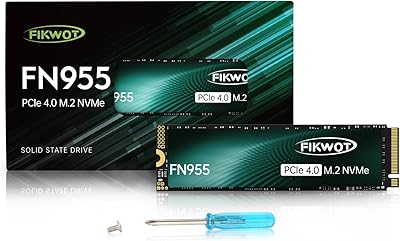
Fikwot FN955 2TB M.2 NVMe SSD
81%
88%
Read Performance
74%
Write Performance
92%
Value for Money
93%
PS5 Compatibility
67%
Thermal Management
More
Fikwot FX550 2TB NVMe M.2 SSD
80%
88%
Sequential Read Speed
61%
Sustained Write Performance
86%
Value for Money
92%
Compatibility & Fit
77%
Thermal Management
More
Fikwot FN501 Pro 2TB NVMe SSD
78%
91%
Value for Money
84%
Sequential Read Speed
58%
Sustained Write Performance
74%
Thermal Management
88%
Compatibility
More
Fikwot FX910 2TB M.2 NVMe SSD
80%
88%
Read/Write Performance
91%
Thermal Management
93%
Installation Ease
84%
PS5 Compatibility
87%
Value for Money
More
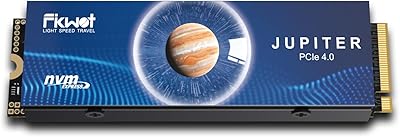
Fikwot FX991 1TB M.2 NVMe SSD
78%
88%
Sequential Read Speed
79%
Sequential Write Speed
91%
Value for Money
83%
PS5 Compatibility
71%
Thermal Management
More
Fikwot FX953 2TB M.2 2230 NVMe SSD
77%
83%
Read Speed Performance
71%
Write Speed Performance
74%
Thermal Management
91%
Installation Experience
78%
Device Compatibility
More
SanDisk 2TB SSD Plus M.2 NVMe SSD
86%
89%
Performance
92%
Ease of Installation
88%
Reliability
91%
Value for Money
90%
Capacity
More
Fikwot FX815 2TB 2.5″ SATA SSD
81%
78%
Read & Write Performance
86%
Value for Money
91%
Compatibility
93%
Installation Ease
74%
Build Quality & Durability
More
PHIXERO P5000 2TB NVMe SSD
88%
93%
Performance (Speed)
88%
Build Quality
90%
Heat Management
85%
Ease of Installation
92%
Compatibility
More
TEAMGROUP MP44L 2TB NVMe M.2 SSD
79%
88%
Sequential Read Performance
83%
Sequential Write Performance
74%
Thermal Management
91%
Installation Experience
89%
Value for Money
More

FAQ

Yes, the FX991 is confirmed compatible with the PS5's M.2 expansion slot. The included graphite heatsink fits within the PS5 bay without clearance issues, so you won't need to buy a third-party heatsink separately. Just follow Sony's standard M.2 installation guide and you should be up and running quickly.

You can, yes. The drive is backward compatible with Gen 3 slots, so it will install and work without any issues. The trade-off is that you won't get the full Gen 4 speeds — throughput will be limited to what Gen 3 can handle, roughly 3,500 MB/s reads — but that's still a strong upgrade over SATA or an older drive.

HMB (Host Memory Buffer) allows the SSD to borrow a small slice of your system's RAM to use as a cache, which helps with random read and write operations. In practice, for gaming, web use, and typical productivity tasks, you won't notice a meaningful difference versus a DRAM-equipped drive. Where it can show up is in very random, sustained workloads — but for most users, it's a non-issue.

It's a legitimate consideration, not just spec-sheet noise. Once the SLC write cache fills up — which happens during large, sustained sequential writes like moving a 200GB file — speeds will drop noticeably as the drive writes directly to QLC cells. For gaming, OS tasks, and typical day-to-day use, you'll never hit this ceiling. If you regularly transfer very large files in bulk, a TLC-based drive would serve you better.

The WD Black SN850X and Samsung 990 Pro both use TLC NAND and dedicated DRAM, which gives them more consistent sustained performance under heavy load. They also carry more established reliability track records. The trade-off is price — this Fikwot SSD typically costs less, making it an attractive option if you don't need that last margin of sustained write performance.

Fikwot is a newer brand, so long-term service data is limited. That said, buyer feedback does mention positive support experiences, and a 5-year warranty is a meaningful commitment for any manufacturer to put in writing. As with any newer brand, keep your purchase receipt and register the product if the option exists.

Generally, yes. As long as your motherboard has an M.2 slot with PCIe Gen 4 support — which most Gen 4 boards from that era do — the drive should perform at full speed. Check your motherboard manual to confirm which M.2 slot is wired for Gen 4, as some boards have multiple slots running at different speeds.

No cloning software is bundled with the drive. If you're migrating from an existing drive, you'll need a third-party tool — Macrium Reflect Free and Samsung Data Migration (which works with non-Samsung drives) are both widely used and free options worth looking at.

For most home users, hardware encryption runs silently in the background and doesn't require any setup to benefit from. If you enable BitLocker on Windows or FileVault on macOS, the drive's hardware encryption handles the heavy lifting efficiently. It's a nice security layer, particularly for laptop users who carry their machines outside the home.

Like all solid-state drives, the FX991 is completely silent — there are no moving parts. Heat-wise, Gen 4 drives do run warmer than Gen 3 under sustained load, which is why the included heatsink helps. In a thin laptop with limited airflow, you may still see some thermal throttling under prolonged heavy use, but for typical tasks it should stay within acceptable limits.