Overview

The Fikwot FX550 4TB NVMe M.2 SSD arrives with a clear value proposition: pack as much storage as possible into a standard M.2 slot without demanding a premium price. Four terabytes in an M.2 2280 form factor is still a rarity at this price tier, and that capacity alone sets this Fikwot drive apart from most budget competitors. Built around a PCIe 3.0x4 interface and QLC NAND flash, it trades some write endurance for high storage density — a deliberate tradeoff. For those looking to consolidate media, backups, or game libraries into one drive, this 4TB NVMe SSD sits in a useful and underserved part of the market.
Features & Benefits

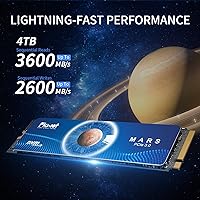
Running on PCIe Gen3 x4 with the NVMe 1.3 protocol, the FX550 reaches sequential read speeds of up to 3,600 MB/s — fast enough for most everyday tasks, large file transfers, and application loads. Fikwot uses a dynamic SLC caching layer to keep burst speeds high during initial writes, which works well for typical workloads like copying video files or loading games. That said, once the cache saturates on sustained writes, throughput can drop noticeably — that is the nature of QLC NAND and not unique to this drive. The compact M.2 2280 footprint and shock-resistant build make it a practical fit for laptops and mini PCs, and backward compatibility means it will slot into older boards without issue.

Best For

This 4TB NVMe SSD makes most sense for people who need a lot of local storage and are not pushing drives to their write limits daily. Think photographers and video editors who want a fast secondary drive for raw footage archives, or PC builders who want to avoid juggling multiple drives. It is also a strong option for anyone upgrading a laptop or mini PC from a smaller SSD or a spinning hard drive — the jump in speed and capacity is substantial. Competitive gamers installing dozens of large titles will appreciate the space. Just do not plan on using this Fikwot drive as a primary write-heavy workstation volume.

User Feedback

With over 2,000 ratings averaging 4.6 stars, buyer sentiment skews positive — particularly around the easy installation and the sheer amount of storage at this price. Most people praise it as a straightforward upgrade that just works. The critical feedback, when it appears, tends to focus on write speed drops during large sustained transfers, which is expected behavior for QLC-based drives rather than a defect. A handful of users also flag compatibility questions with specific older motherboards. Long-term endurance data is still limited given the drive's relatively recent market entry, so buyers doing heavy daily writes should weigh that carefully. Overall, the value-to-capacity ratio is what keeps most buyers satisfied.

Pros

  • Four terabytes in a single M.2 slot at this price is genuinely rare and hard to beat.
  • Plug-and-play installation across a wide range of desktops, laptops, and mini PCs.
  • Burst read speeds feel fast and responsive for everyday tasks, game loading, and media playback.
  • Dynamic SLC caching keeps performance sharp during typical home and office write workloads.
  • Backward compatible with older PCIe 3.0 systems, giving older builds a meaningful storage upgrade.
  • Shock-resistant design adds reassurance for laptop users who move their machines regularly.
  • The FX550 earns strong marks from users migrating away from slow mechanical hard drives.
  • Over 2,000 verified buyers rate it highly, with easy setup cited consistently as a strength.
  • Lightweight form factor adds zero meaningful bulk to thin-and-light laptops or compact builds.
  • A strong option as a dedicated game library drive where capacity matters more than peak write speed.

Cons

  • Sustained write speeds drop noticeably once the SLC cache fills — a real issue for bulk transfers.
  • QLC NAND carries lower write endurance than TLC alternatives, which adds up for heavy daily users.
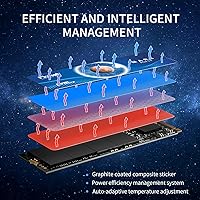
  • No heatsink or thermal pad included, leaving temperature management entirely to your system.
  • In cramped mini PC enclosures, thermal throttling under sustained loads has been reported by some buyers.
  • No mounting screw or installation accessories included, which can inconvenience first-time builders.
  • Fikwot lacks the long-term brand track record of established storage names, leaving warranty confidence thinner.
  • PCIe 3.0 interface limits throughput on Gen4 and Gen5 platforms that could otherwise run much faster.
  • Long-term endurance data is limited given how recently this drive entered the market.
  • Random write performance is below average for heavy multitasking or virtualization workloads.
  • A small number of users reported BIOS recognition issues on older or budget motherboards.

Ratings

The Fikwot FX550 4TB NVMe M.2 SSD has been scored across every dimension that matters to real buyers — from raw transfer speeds to long-term write endurance — using AI analysis of thousands of verified global reviews, with spam, bot activity, and incentivized feedback actively filtered out. The scores below reflect an honest picture: where this 4TB NVMe SSD genuinely delivers and where it asks for compromise.
Storage Capacity Value
93%
Four terabytes in a single M.2 slot at this price point is genuinely hard to argue with. Buyers replacing aging hard drives or consolidating multiple smaller SSDs consistently describe it as transformative — game libraries, 4K footage archives, and years of backups fitting comfortably on one drive.
The per-gigabyte value is strong but assumes moderate workloads. Heavy users who push the drive daily may find the QLC endurance ceiling arrives sooner than expected, which slightly undercuts the long-term value calculation for professionals.
Sequential Read Speed
88%
Hitting close to its rated ceiling during burst reads, the FX550 handles large file copies, video scrubbing, and application launches with genuine snap. Users loading game levels or transferring camera footage report noticeably faster throughput compared to SATA SSDs they replaced.
Peak read speeds require an unloaded SLC cache and a PCIe 3.0-capable slot. In real-world mixed workloads, sustained reads settle somewhat below the headline figure, which is common across this drive class but worth factoring in.
Sustained Write Performance
61%
39%
For typical home and office use — saving documents, copying moderate-sized folders, downloading software — the dynamic SLC cache keeps write speeds feeling responsive and fast. Most everyday users simply never stress the drive enough to notice any ceiling.
This is where QLC NAND shows its limits most clearly. Once the SLC cache fills during a large sustained write — think transferring a 200GB video project — speeds can drop sharply and stay reduced until the cache recovers. Power users doing regular bulk writes will notice this consistently.
Value for Money
91%
Among budget-tier 4TB M.2 drives, the FX550 sits at a genuinely competitive price that few alternatives match without sacrificing speed or build quality. Buyers who prioritize capacity over cutting-edge endurance specs repeatedly cite this as a strong buy for the money.
The value equation shifts if you need TLC-grade write endurance or PCIe 4.0 bandwidth. Spending more on a TLC-based drive is the smarter long-term investment for anyone writing large files daily, which the FX550 does not pretend to be.
Installation & Compatibility
89%
The standard M.2 2280 footprint fits virtually every modern desktop, laptop, and mini PC without adapters or special tooling. Buyers across a wide range of systems — from budget mini PCs to mid-range laptops — report plug-and-play recognition with no driver fuss.
A small subset of users with older or budget motherboards flagged compatibility hiccups, primarily around BIOS recognition. These cases appear to be edge scenarios rather than widespread issues, but checking your motherboard's M.2 compatibility list before purchasing is still sensible.
Build Quality & Durability
78%
22%
The drive feels solid for its weight class, and the shock-resistant rating gives some reassurance for laptop use where minor drops or vibrations are realistic concerns. Several users specifically noted it survived a laptop tumble without data loss.
There is no included heatspreader, and the bare PCB design means thermal management depends entirely on your system. In cramped mini PC enclosures with poor airflow, some users reported throttling under sustained loads due to heat buildup.
Form Factor & Physical Design
86%
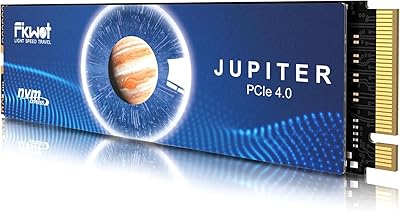
At just over an ounce and standard M.2 2280 dimensions, this 4TB NVMe SSD disappears neatly into any build. Thin-and-light laptop users especially appreciate that the drive adds no measurable bulk or weight to their machine.
The lack of any thermal pad or heatsink accessory in the box is a minor omission compared to some competitors. It is a small thing but noticeable when you are paying close attention to the unboxing experience.
Random Read & Write (4K IOPS)
69%
31%
For typical desktop tasks — opening applications, browsing files, booting the OS — random read performance feels snappy and responsive enough. Users who switched from HDDs describe the difference as dramatic, which is fair context for this tier.
QLC NAND is not optimized for random write-heavy workloads like databases or virtual machines. Users running NAS setups or heavy multitasking noticed higher latency compared to TLC alternatives, making this a secondary storage drive at heart rather than a primary OS drive for demanding setups.
Thermal Management
66%
34%
In well-ventilated desktop cases with reasonable airflow, the FX550 operates within normal temperature ranges during everyday use. Casual users report no thermal warnings or unexplained slowdowns during normal operation.
Without any onboard thermal solution, temperatures climb quickly under sustained workloads in enclosed spaces. Mini PC users in particular noted that prolonged large transfers caused visible throttling, requiring deliberate ventilation planning to keep performance stable.
Endurance & Longevity
63%
37%
For light-to-moderate home users — storing media, backups, and general files — the drive's endurance rating is adequate and unlikely to be a concern within a normal ownership window. Most buyers in this use category report zero issues.
QLC NAND carries a lower TBW (terabytes written) rating than TLC alternatives at similar capacities. Professionals writing large volumes of data daily — video editors rendering to the drive, for example — should treat this as a capacity drive rather than a primary workhorse.
Boot & Application Load Times
82%
18%
As a system drive in PCIe 3.0 systems, the FX550 delivers fast, responsive boot times and snappy application launches. Users upgrading from SATA SSDs or HDDs consistently describe the improvement as immediately noticeable from first use.
In PCIe 4.0 systems, the drive is limited by its Gen3 interface, meaning users with newer platforms will not extract the full potential their motherboard could otherwise offer. It is backward compatible by design, but speed ceiling is real.
Packaging & Unboxing
74%
26%
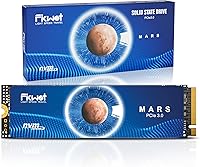
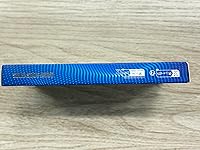
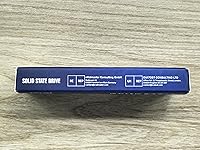
The packaging is clean and functional, with the drive adequately protected for shipping. Nothing about the unboxing experience feels cheap or careless, which matters when buyers are trusting the brand with 4TB of future data.
There are no extras in the box — no mounting screw, no heatsink, no installation guide beyond basics. For first-time builders or less technical buyers, a small accessory kit would meaningfully improve the out-of-box experience.
Brand Reliability & Support
71%
29%
Fikwot has built a reasonably strong reputation in the budget NVMe segment, and the volume of verified buyers — with mostly positive outcomes — suggests a consistent manufacturing process. The warranty coverage is in line with category norms.
As a newer brand without the decades-long track record of established names, some buyers express hesitation about long-term support and firmware update frequency. Warranty claims handling feedback is limited, which makes it hard to rate this dimension confidently.
Noise & Vibration
96%
Being a solid-state drive with no moving parts, the FX550 operates in complete silence regardless of workload. Users who transitioned from mechanical hard drives specifically mention the absence of spin-up noise and head-seek clicks as a genuine quality-of-life improvement.
There is essentially nothing negative to report here — silent operation is a baseline expectation for any NVMe SSD, and this drive meets it without exception.

Suitable for:

The Fikwot FX550 4TB NVMe M.2 SSD was built for a specific type of buyer, and it genuinely delivers for them. If you are a photographer or videographer who needs a fast, high-capacity local archive — somewhere to offload raw files, 4K footage, and project assets without constantly managing storage — this drive fills that role well. Desktop builders on a budget who want to consolidate everything onto a single M.2 drive instead of juggling multiple smaller SSDs will find the capacity-to-price ratio hard to beat at this tier. Laptop and mini PC owners looking to replace a cramped 1TB or 2TB drive with something much more spacious will appreciate the straightforward installation and broad compatibility across PCIe 3.0 and 4.0 slots. It also works well as a secondary or game library drive in a gaming PC, where you want fast load times and room for dozens of titles without the cost of a premium TLC drive. Anyone upgrading from a spinning hard drive will experience an immediate and dramatic improvement in both speed and reliability.

Not suitable for:

The Fikwot FX550 4TB NVMe M.2 SSD is not the right tool for every job, and being clear about that matters. If your workflow involves continuous large writes — rendering video directly to the drive, running active virtual machines, or operating a write-intensive database — QLC NAND will frustrate you. Once the SLC cache is exhausted during heavy sustained writes, throughput drops significantly and stays low until the cache rebuilds, which is a structural limitation of QLC technology rather than a brand-specific flaw. Builders with PCIe 4.0 or 5.0 platforms who want to fully utilize their motherboard's bandwidth should look at TLC-based Gen4 drives instead — this Fikwot drive is capped at Gen3 speeds by design. IT professionals and power users who track TBW ratings closely will also find the endurance ceiling lower than comparable TLC alternatives at similar capacities. If longevity under heavy daily use is a priority, the extra investment in a TLC drive pays off over time.
Specifications

  • Storage Capacity: The drive provides 4TB of usable NVMe storage, making it one of the higher-capacity options available in the M.2 2280 form factor at this price tier.
  • Interface: It connects via a PCIe 3.0 x4 interface, delivering four lanes of Gen3 bandwidth for fast system communication.
  • Protocol: The drive operates on the NVMe 1.3 protocol, which significantly reduces latency compared to older AHCI-based storage interfaces.
  • Form Factor: Built to the M.2 2280 standard, the drive measures 80mm in length and fits the most widely used M.2 slot size across modern desktops, laptops, and mini PCs.
  • NAND Type: Storage is built on QLC (Quad-Level Cell) NAND flash, which enables high storage density at a lower cost per gigabyte compared to TLC alternatives.
  • Sequential Read: Maximum sequential read speed is rated at up to 3,600 MB/s under optimal conditions with a warm SLC cache.
  • Sequential Write: Maximum sequential write speed is rated at up to 3,150 MB/s during burst workloads before the SLC cache is saturated.
  • Cache Technology: A dynamic SLC caching layer accelerates burst read and write operations, buffering data before committing it to the underlying QLC NAND cells.
  • Dimensions: The drive measures 3.15 x 0.87 x 0.09 inches (approximately 80 x 22 x 2.3mm), consistent with the standard M.2 2280 specification.
  • Weight: At just 1.13 ounces (approximately 32 grams), the drive adds negligible weight to any laptop or compact system build.
  • Compatibility: The FX550 is compatible with desktop PCs, laptops, and mini PCs equipped with an M.2 PCIe slot supporting NVMe protocol.
  • Backward Compatibility: The drive is backward compatible with PCIe 3.0 motherboards and will also operate in PCIe 4.0 slots, albeit limited to Gen3 speeds.
  • Installation Type: Designed for internal installation, the drive mounts directly into an available M.2 slot and is secured with a single motherboard retaining screw.
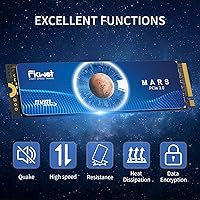
  • Shock Resistance: The drive is rated as shock resistant, with no moving mechanical parts making it inherently more durable under vibration and minor physical impacts than traditional hard drives.
  • Brand & Series: Manufactured by Fikwot under the FX550 series, a product line positioned in the budget-to-mid-range high-capacity NVMe segment.
  • Thermal Solution: No onboard heatspreader or thermal pad is included; thermal management relies entirely on the host system airflow and any motherboard-side heatsink if available.
  • Operating Interface: The drive uses an M-key M.2 connector, which is the standard key type for NVMe SSDs and compatible with the vast majority of modern M.2 slots.

Related Reviews
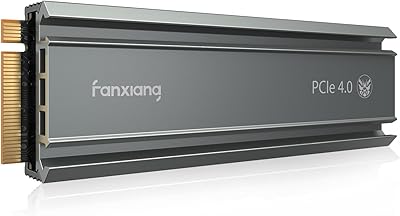
fanxiang S660 4TB NVMe M.2 SSD
88%
92%
Performance
89%
Cooling Efficiency
91%
Ease of Installation
96%
Compatibility with PS5
87%
Build Quality
More
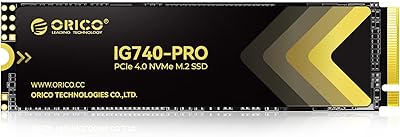
ORICO IG740PRO 4TB M.2 NVMe SSD
79%
91%
Sequential Read Performance
88%
Endurance & Longevity
84%
Thermal Management
79%
Value for Money
74%
PS5 Compatibility
More
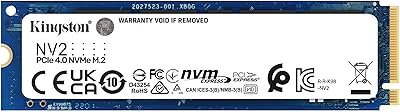
Kingston NV2 4TB M.2 NVMe SSD
90%
94%
Read Performance
88%
Write Performance
91%
Reliability
95%
Installation Ease
89%
Compatibility
More
Fikwot FX910 2TB M.2 NVMe SSD
90%
93%
Performance
89%
Ease of Installation
95%
Read Speed
91%
Write Speed
87%
Thermals/Cooling
More
Fikwot FX991 1TB M.2 NVMe SSD
78%
88%
Sequential Read Speed
79%
Sequential Write Speed
91%
Value for Money
83%
PS5 Compatibility
71%
Thermal Management
More
Fikwot FX991 2TB M.2 NVMe SSD
88%
94%
Performance
96%
Read Speed
92%
Write Speed
89%
Thermal Management
90%
Ease of Installation
More
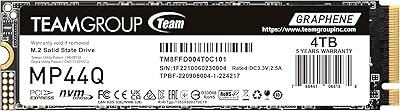
TEAMGROUP MP44Q 4TB M.2 NVMe SSD
88%
95%
Read Speed
92%
Write Speed
90%
PS5 Compatibility
75%
Thermal Performance
88%
Value for Money
More
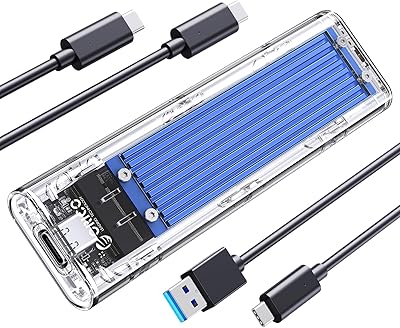
ORICO TCM2 M.2 NVMe SSD Enclosure
78%
83%
Transfer Speed
61%
Thermal Management
74%
Build Quality
91%
Ease of Installation
86%
Cable Bundle Quality
More
fanxiang S770 4TB NVMe M.2 SSD
84%
88%
Read Speed Performance
82%
Write Speed Consistency
93%
PS5 Compatibility
86%
Thermal Management
84%
Value for Money
More
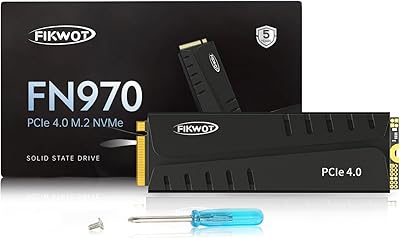
Fikwot FN970 1TB M.2 NVMe SSD
87%
93%
Performance
88%
Ease of Installation
91%
Compatibility with PS5
85%
Thermal Management (Heatsink)
86%
Write Speed
More

FAQ

Yes, the FX550 is designed for PCIe 3.0 x4 slots, so your laptop is actually its native environment. You will get full rated performance without any compatibility concerns, as long as your slot supports NVMe rather than SATA-only M.2.

You can technically use it as a boot drive, and many buyers do. That said, given its QLC NAND design, it performs better in roles where large writes are infrequent — so using it as a secondary drive for games, media, and backups while keeping a smaller TLC drive for your OS is the more practical setup for demanding users.

When you are copying a very large amount of data — say, a folder of raw 4K video files — the drive initially writes quickly using the SLC cache. Once that cache is full, speeds drop as data writes directly to the slower QLC cells. The drive recovers once the cache has time to flush, but during that sustained write window you will see noticeably lower throughput. For most casual users, everyday tasks never push the cache that far.

No, the PS5 requires an M.2 NVMe drive with PCIe 4.0 speeds to meet Sony's minimum performance requirements, and the FX550 is a Gen3 drive. It will not be recognized or approved for PS5 expansion. It is strictly a PC storage drive.

Fikwot does not typically bundle cloning software in the box. For migration, most buyers use free third-party tools like Macrium Reflect Free or the manufacturer software from their old drive. It is a straightforward process and does not require anything proprietary.

In a standard desktop case with decent airflow, you should be fine without one. In a mini PC or a tightly packed chassis with limited ventilation, adding a thin M.2 heatsink is worth considering — some users in compact builds reported thermal throttling during prolonged large file transfers without one.

QLC stores four bits per cell versus three for TLC, which allows higher storage density and lower cost but comes with reduced write endurance and slower sustained write speeds. For this Fikwot drive, that means it is excellent for read-heavy uses like media storage and game libraries, but less suited for workflows involving constant large writes like video rendering or database operations. If you are in that heavy-write category, a TLC-based alternative is the smarter long-term choice.

Most likely yes — the M.2 2280 size is the most universal M.2 standard, and as long as your board has a PCIe M.2 slot (not SATA-only), you should be good. It is worth a quick check in your motherboard manual to confirm the slot supports NVMe and the 2280 length, as a small number of older boards have slot size or protocol limitations.

For most gamers, 4TB is genuinely substantial — you can comfortably hold 50 to 80 modern games depending on their sizes. Unless you maintain an enormous library of installed titles simultaneously, this drive has plenty of headroom. If you are also storing game captures, 4K recordings, or streaming assets alongside games, the space fills faster, but it remains one of the most practical single-drive capacities at this price point.

Completely silent. There are no moving parts in any NVMe SSD, so you will never hear spin-up sounds, head seeks, or vibration from this drive regardless of workload. This is one of the clearest advantages over traditional hard drives and holds true across all solid-state storage.