Overview
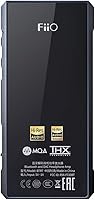
The FiiO BTR7 arrived in late 2022 as a serious contender in the portable DAC/amp space, sitting comfortably alongside rivals like the Qudelix-5K and Shanling UP5. What sets it apart right away is how much it packs into a slim, clip-friendly body — dual ES9219C DAC chips, an XMOS XUF208 USB interface, and both 3.5mm and 4.4mm balanced outputs. It handles Bluetooth listening and wired USB DAC duties equally well, which is not something every device at this level can claim. The titanium finish feels appropriately premium without being flashy.
Features & Benefits
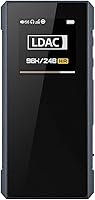
Bluetooth 5.1 covers the full codec range — LDAC, aptX Adaptive, aptX LL, aptX HD, AAC, and SBC — so whether you are on an iPhone or a Sony Android device, you are getting the best connection your source can offer. Plug it into a laptop via USB and it steps up to PCM 384kHz/32-bit and native DSD256, which turns it into a capable desktop DAC on the side. Tidal users get MQA unfolding up to 8x with a compatible app. The built-in mic with cVc 8.0 handles calls cleanly, and CTIA in-line remote support keeps your headphone controls working as expected.
Best For
This portable DAC/amp makes the most sense for people who already own quality wired headphones and are tired of being tethered to mediocre phone outputs. LDAC users streaming from Sony devices or compatible Android phones will get the clearest benefit. iPhone owners looking for a reliable wireless bridge to use full-size wired headphones will find it practical and well-matched. It also works well as a compact desktop supplement for anyone who wants better audio at a work desk without a bulky setup. Just note that very high-impedance headphones may push the amp section closer to its limits.
User Feedback
Across a wide range of buyers, the sound quality jump over a phone's built-in output is the most praised aspect — particularly through the balanced jack, where the difference is hard to ignore. Build quality draws consistent compliments, with the titanium finish feeling sturdy and refined in hand. Battery life is the most common source of frustration; it holds up for a commute but falls short for full-day use, which is a fair criticism at this price point. The setup app works but can confuse first-timers. A small number of users also report occasional Bluetooth dropout in crowded wireless environments.
Pros
- The FiiO BTR7 delivers a clearly audible sound quality improvement over typical smartphone outputs, especially through the balanced jack.
- Dual ES9219C DAC chips per channel produce a clean, detailed audio presentation that rewards quality headphones.
- LDAC and aptX Adaptive support means Android users can stream lossless-quality audio without a wired connection.
- The 4.4mm balanced output lowers the noise floor noticeably and improves channel separation in real listening conditions.
- USB DAC mode handles up to PCM 384kHz and native DSD256, making the BTR7 genuinely useful at a desktop too.
- The titanium build feels premium and durable — not the kind of device that feels fragile after a few weeks of carry.
- CTIA in-line remote support keeps headphone controls fully functional so you rarely need to touch the device itself.
- MQA unfolding up to 8x is a meaningful bonus for Tidal subscribers with an existing hi-res library.
- The clip form factor is practical and unobtrusive for commuters and daily carry scenarios.
- Codec coverage is broad enough to work optimally with virtually any current smartphone, regardless of platform.
Cons
- Battery life falls short of all-day use for heavy listeners, requiring a mid-day charge more often than expected.
- The companion app is functional but confusing for first-time users, with no clear setup guidance built in.
- Occasional Bluetooth dropout in crowded wireless environments like airports or open-plan offices disrupts listening at bad moments.
- The amp section runs out of headroom with high-impedance headphones, limiting pairing options for demanding full-size cans.
- At 9.6 ounces, it is heavier than it appears in product photos and can pull at lighter fabrics when clipped on.
- Windows USB DAC setup requires driver installation — it is not plug-and-play, which catches some buyers off guard.
- iPhone users are capped at AAC over Bluetooth, so a significant part of the codec stack goes unused on Apple devices.
- MQA is becoming less relevant as streaming platforms move away from it, reducing the long-term value of that feature.
- The clip mechanism feels less solid than the main chassis and may wear with prolonged daily use.
- Buyers who only need Bluetooth listening without USB DAC or balanced output functionality may struggle to justify the price premium.
Ratings
The FiiO BTR7 earns strong marks across most of what matters to serious portable audio listeners, and the scores below reflect exactly that — including where it falls short. Our AI analyzed thousands of verified global user reviews, actively filtering out incentivized, bot-generated, and outlier feedback, to produce ratings that reflect real-world ownership. Both the standout strengths and the genuine frustrations are represented transparently here.
Sound Quality
Build Quality
Bluetooth Stability
Codec Support & Compatibility
USB DAC Performance
Battery Life
Amp Power & Headphone Pairing
MQA Decoding
App & Setup Experience
Microphone Quality
Design & Form Factor
Value for Money
CTIA Remote & Controls
Suitable for:
The FiiO BTR7 is a strong match for listeners who already own good wired headphones and are tired of relying on a smartphone's mediocre built-in output. Android users with LDAC-capable devices — particularly Sony phones — will get the most out of this Bluetooth receiver, since LDAC preserves far more detail from lossless streaming services than AAC or SBC can. iPhone users who still want to use full-size wired headphones wirelessly will also find it a practical and well-built solution. It works especially well for commuters who want hi-res audio on the go without carrying a larger portable player, and the 4.4mm balanced output is a genuine draw for anyone whose headphones support it. Desktop listeners looking for a compact secondary DAC/amp that can also function as a Bluetooth receiver will appreciate the USB DAC mode, which handles high-resolution files cleanly without needing a dedicated desktop unit. Tidal subscribers using MQA content round out the ideal audience, since full 8x unfolding in a device this portable is genuinely rare.
Not suitable for:
The FiiO BTR7 is not the right call for buyers who need all-day battery life without interruption — heavy users running LDAC or the balanced output continuously will find themselves reaching for a charger mid-day, which is a real inconvenience for long travel days or full workday listening. Anyone planning to pair it with demanding high-impedance headphones, such as 250-ohm or 300-ohm dynamic drivers, should be aware that the amp section can run out of headroom before those headphones reach their potential. Casual listeners who only need basic wireless audio and have no interest in balanced outputs, codec flexibility, or USB DAC functionality may find the price hard to justify when simpler dongles or cheaper Bluetooth receivers cover their needs adequately. First-time DAC/amp buyers who are not comfortable navigating a setup app and configuring codec priorities may find the initial experience frustrating. Finally, anyone expecting flawless Bluetooth stability in dense wireless environments — crowded offices, busy transit hubs — should know that occasional dropouts have been reported under those conditions.
Specifications
- Bluetooth Version: The device uses Bluetooth 5.1 for stable wireless connections with improved range and interference handling compared to earlier standards.
- Supported Codecs: Supported Bluetooth audio codecs include LDAC, aptX Adaptive, aptX LL, aptX HD, aptX, AAC, and SBC, covering virtually every current smartphone platform.
- DAC Chips: Each stereo channel is powered by a dedicated ESS ES9219C DAC chip, totaling two chips for a fully dual-mono audio architecture.
- USB Interface: The XMOS XUF208 chip handles USB audio data reception and decoding, enabling high-resolution wired playback from computers and compatible devices.
- Output Jacks: Two headphone outputs are provided: a 3.5mm single-ended jack and a 4.4mm Pentaconn balanced jack for lower noise and improved channel separation.
- USB DAC Support: In USB DAC mode, the device supports PCM audio up to 384kHz at 32-bit depth and native DSD decoding up to DSD256.
- MQA Support: When paired with a compatible MQA player application, the device supports full MQA decoding and rendering up to 8x unfolding.
- Microphone: A built-in microphone with cVc 8.0 noise cancellation is included, enabling hands-free voice calls without removing or disconnecting headphones.
- Remote Compatibility: The device is compatible with CTIA-standard in-line headphone remotes, allowing track control and volume adjustment directly from supported headphone cables.
- Dimensions: The unit measures 0.56 x 1.56 x 3.29 inches, making it compact enough to clip onto a shirt collar, bag strap, or jacket lapel.
- Weight: The device weighs 9.6 ounces, which is heavier than many competing Bluetooth receivers despite its compact footprint.
- Battery Type: Power is supplied by a built-in rechargeable Lithium Polymer battery that is not user-replaceable.
- Audio Channels: The device outputs two channels of stereo audio, with fully independent left and right channel DAC and amplification circuits.
- Form Factor: The BTR7 is designed as a portable clip-style device intended for on-body wear during commuting, travel, or desktop use.
- Color & Finish: The reviewed variant features a Titanium colorway with a premium metallic finish that resists casual handling marks better than painted surfaces.
- Release Date: This model was first made available for purchase on October 26, 2022, and represents a significant hardware update over its predecessor in the BTR lineup.
Related Reviews
FiiO Retro Nano Bluetooth DAC AMP
FiiO M15S Digital Audio Player
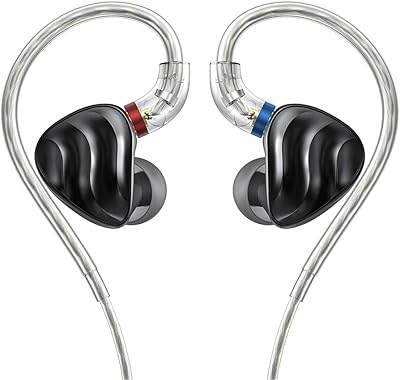
FiiO FH3 Hybrid In-Ear Monitors
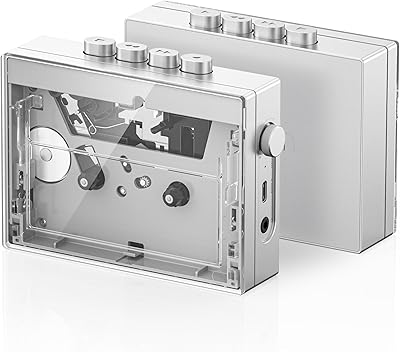
FiiO CP13 Cassette Player
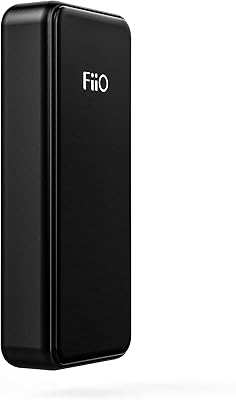
FiiO BTR3K
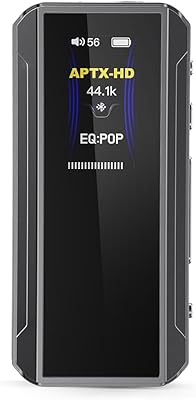
FiiO BTR13 Bluetooth DAC Headphone Amplifier
FiiO BTA30Pro Bluetooth Receiver/Transmitter
FiiO BTR17