Overview

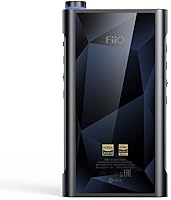
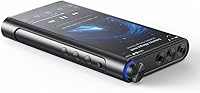
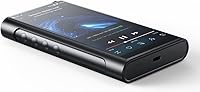
The FiiO M15S Digital Audio Player is FiiO's most ambitious portable DAP, built for audiophiles who refuse to compromise between desktop-grade performance and on-the-go convenience. What sets it apart from most rivals is its dual power supply design — run it on battery when you're out, then plug it into USB power at your desk to unlock its full output potential. At this price tier, it competes directly with units from Astell&Kern and HiBy, but the open Android 10 ecosystem gives it an edge that closed-OS players simply can't match. You get a real app store, proper streaming support, and the flexibility to install what you actually want.
Features & Benefits

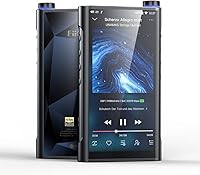
The heart of this hi-res DAP is the ESS ES9038PRO DAC chip — the full desktop version, not a cut-down variant — which brings eight independent D/A converters to bear on every track you play. That matters because it translates directly into a cleaner, more resolving sound, especially on complex passages. Five gain levels let you tune output for whatever you plug in, from delicate IEMs to thick-cabled planars, and when connected to USB power the M15S can push up to 1200mW per channel. Bluetooth is handled by Qualcomm's QCC5124 chip, covering LDAC and aptX HD for wireless listeners. Spotify, Tidal, and Amazon Music all run natively, so your streaming library lives right alongside your local files.

Best For

FiiO's flagship player makes the most sense for head-fi enthusiasts who are tired of carrying a separate DAP and a desktop amp. If you have a collection of hi-res FLAC, DSD, or MQA files and want hardware-level decoding rather than software approximations, this is built for exactly that. It also works well for someone who commutes with demanding headphones but wants to dock the same unit on a desk at home for a proper listening session. Buyers already deep in the FiiO ecosystem or running high-impedance cans will find it slots in naturally. Where it probably isn't the right fit: casual listeners who just want something compact to pair with earbuds on a run.

User Feedback

Owners consistently highlight the output power as a genuine strength — most report it handles even notoriously hard-to-drive headphones without strain. The Android openness gets praise too, though a handful of long-term users flag occasional app compatibility hiccups that require workarounds. Battery life draws the most honest discussion: given the powerful internals, expect real-world runtime to be noticeably shorter than simpler DAPs, and USB-powered desktop mode will offset that in practice. The device is also physically substantial — closer in size to a small tablet than a traditional pocket player, which divides opinion. Ratings lean strongly positive, but the value debate is real; buyers are genuinely weighing it against dedicated desktop stacks, and that's a fair comparison to make.

Pros

  • Full desktop-grade ES9038PRO DAC delivers a level of sonic resolution rarely found in a portable device.
  • Up to 1200mW per channel under USB power handles even notoriously difficult headphones without strain.
  • Native Spotify, Tidal, and Amazon Music support eliminates the need to carry a separate phone for streaming.
  • Open Android 10 environment gives far more app flexibility than closed-OS rivals from competing brands.
  • Five gain levels make the M15S genuinely versatile across sensitive IEMs and high-impedance over-ear headphones.
  • Bidirectional Bluetooth 5.0 with LDAC and aptX HD support covers both wired and wireless listening setups.
  • The included DK3s desktop stand adds real practical value for users who also use it as a home source.
  • MQA and DSD hardware decoding means your hi-res library is handled properly, not approximated in software.
  • Build quality communicates durability — this feels like a device built to last years of daily use.

Cons

  • Real-world battery runtime disappoints users expecting all-day portable use, especially during streaming sessions.
  • At over two pounds, daily carry becomes a commitment rather than a convenience for most listeners.
  • Full amplification potential is only unlocked when plugged into USB power, limiting true portable performance.
  • Some apps require manual installation workarounds due to Android 10 compatibility quirks on this hardware.
  • Sensitive IEMs can reveal a faint noise floor at higher gain settings, which is frustrating at this price.
  • The chassis gets noticeably warm under sustained high-load conditions like USB-powered high-gain streaming.
  • Value is hard to justify for buyers who stream more than they play locally stored hi-res files.
  • First-time DAP users face a meaningful learning curve around gain modes, output settings, and app configuration.

Ratings

The FiiO M15S Digital Audio Player earns consistently strong marks across verified buyer communities worldwide, and the scores below reflect an AI-driven analysis of real user reviews — filtered to exclude incentivized, bot-generated, and spam feedback. Strengths like output power and DAC quality come through clearly in the data, but genuine pain points around portability and value are represented with equal honesty.
Sound Quality
93%
Owners who have experience with reference-grade desktop rigs describe the M15S as genuinely competitive at the highest level of portable listening. The full ES9038PRO implementation gives tracks an openness and layering that cut-down DAC variants simply don't reproduce, especially noticeable on orchestral recordings or complex jazz mixes.
A small subset of golden-ear listeners feel the sound signature leans slightly warm and may not satisfy those who want an absolutely neutral, analytical presentation. At this tier, personal tuning preferences become magnified, and some users wish for more granular EQ control out of the box.
Driving Power & Amplification
91%
Users pairing the M15S with notoriously difficult headphones — think planar magnetics and high-impedance dynamics — consistently report clean, controlled output with no audible strain. The USB-powered mode unlocking 1200mW per channel is a genuine differentiator that lets this unit serve as a desktop source without needing a separate amp.
The full power potential is only accessible when tethered to USB, meaning truly portable listeners with the hungriest headphones may still hit limits on battery mode alone. A few users also note that very sensitive IEMs can pick up a faint noise floor at the highest gain settings.
Build Quality & Design
84%
The chassis feels dense and premium in hand, with a metal construction that communicates durability rather than cost-cutting. Button placement is logical enough that regular users develop muscle memory quickly, and the included DK3s desktop stand adds practical value for desk use without feeling like an afterthought.
At 2.42 pounds and with dimensions closer to a small tablet than a typical DAP, portability is genuinely compromised for jacket-pocket or gym-bag listeners. Some owners flag that the device attracts fingerprints aggressively and that the overall form factor demands a dedicated bag compartment rather than casual pocket carry.
Battery Life
62%
38%
For desk-anchored listening sessions or commutes where a power bank is close by, the battery situation is manageable, and several users report the USB-powered mode effectively eliminates runtime anxiety in a home setup. Charging speed is reasonable given the battery capacity involved.
Real-world battery estimates from long-term owners suggest the runtime falls short of what some competing DAPs offer at similar or lower price points, particularly when streaming over Wi-Fi or running high-gain output. Users who expected all-day portable use from a single charge often express disappointment in longer reviews.
Android & Software Experience
78%
22%
Running a genuine Android 10 environment means users can install Spotify, Tidal, Amazon Music, and other apps directly — no sideloading gymnastics or workarounds needed. The Snapdragon 660 keeps navigation responsive enough that switching between a local library and a streaming app feels fluid rather than frustrating.
Being on Android 10 in an era of newer OS versions means some apps occasionally flag compatibility warnings or push updates that behave unexpectedly on the hardware. A handful of users report that Google Play certification quirks require occasional manual app installation workarounds for newer titles.
Bluetooth Performance
81%
19%
The QCC5124 chip supports the full range of modern codecs — LDAC, aptX HD, and UAT — and users pairing the M15S with high-quality wireless headphones report solid, stable connections with noticeably better audio quality than standard SBC Bluetooth devices. Bidirectional Bluetooth is a practical bonus for using wireless sources as inputs.
A minority of users report occasional connection drops or codec negotiation inconsistencies depending on the paired device, which can be disruptive during commutes. Bluetooth range is adequate but not exceptional, with walls and obstacles affecting stability more than some competing devices.
Display & Interface
77%
23%
The 5.5-inch screen is large enough to comfortably browse album art and navigate streaming interfaces without squinting, and brightness levels are sufficient for outdoor use in moderate sunlight. Touch responsiveness gets positive marks from users who primarily interact through the touchscreen rather than physical buttons.
At this price point, some buyers expected a higher pixel density or an AMOLED panel, and a few reviewers note the display looks average compared to flagship smartphones at a fraction of the cost. Glare management in direct sunlight is described as workable but not impressive.
Streaming App Support
83%
Having Spotify, Tidal, and Amazon Music all run natively without any third-party workarounds is a genuine selling point that FiiO executes well here. Users who split their listening between local hi-res files and curated streaming playlists appreciate not having to carry a phone as a secondary device.
MQA streaming via Tidal works but requires correct settings configuration that is not immediately obvious to new users. Some users also note that certain region-specific streaming apps are absent from the authorized app store and require manual installation steps that can trip up less technical buyers.
Value for Money
58%
42%
For listeners who genuinely need desktop-tier DAC performance, a powerful amplifier stage, and full Android streaming in a single unit, the M15S consolidates gear that would cost significantly more purchased separately. Enthusiasts who have done that math tend to view the price as defensible.
The value question is the most divisive topic in long-form user reviews, with many buyers openly comparing it against dedicated desktop DAC/amp stacks that outperform it at the same or lower total cost. Buyers who primarily stream rather than play hi-res local files often feel the premium is difficult to fully justify.
Portability
54%
46%
The dual power supply concept does let the device travel when needed, and users who commute by transit rather than on foot find the size more acceptable since it stays in a bag rather than a pocket. The included accessories and stand support flexible placement across different environments.
Honest owners describe carrying the M15S as a commitment rather than a convenience — it is significantly heavier and bulkier than most portable DAPs and essentially requires a dedicated bag slot. Users who switched from lighter competitors frequently cite the weight as a daily friction point they underestimated before purchasing.
File Format & Codec Support
89%
MQA decoding, DSD playback, and hi-res FLAC support all work at the hardware level, which is exactly what the target audience is paying for. Users with large, varied local libraries report that format compatibility has been a non-issue across their collections, including niche lossless formats.
While format support is broad, some users note that DSD playback at the highest native rates can introduce a noticeable performance impact on battery drain and heat. Documentation on codec behavior in different output modes could be clearer for buyers who are less technically experienced.
Setup & Onboarding
72%
28%
Users with prior Android device experience find the initial setup straightforward, and FiiO's own music app is reasonably intuitive for navigating a local library. The included accessories cover the basics needed to start listening without immediately ordering additional cables.
First-time DAP buyers or those coming from iOS report a steeper learning curve than expected, particularly around configuring gain settings, output modes, and streaming app authentication. The manual is functional but does not do a thorough job of explaining the interaction between software settings and hardware output behavior.
Heat Management
67%
33%
Under typical listening conditions — moderate volume, battery mode, local playback — the device stays within a comfortable temperature range during extended sessions. Most users do not report heat as a concern during casual daily use.
Under sustained high-load conditions — USB-powered mode at maximum gain, streaming over Wi-Fi simultaneously — several users note the chassis becomes noticeably warm to the touch. It is not described as a safety concern, but for a device of this cost, the thermal behavior draws more attention than expected.

Suitable for:

The FiiO M15S Digital Audio Player is purpose-built for serious audiophiles who want one device to handle both portable and desktop listening without compromise. If you own a collection of hi-res FLAC, DSD, or MQA files and need hardware-level decoding rather than software emulation, the M15S is genuinely engineered for that workflow. It also suits buyers who commute with demanding over-ear headphones or planar magnetics and then dock the same unit at a desk — the dual power supply design makes that transition practical rather than theoretical. Head-fi enthusiasts already invested in high-impedance headphone pairings will find the five gain levels and raw output power give them real headroom to work with. Anyone who wants native Spotify, Tidal, or Amazon Music support running alongside a local library — without carrying a phone as a companion device — will appreciate the open Android ecosystem here.
Not suitable for:

The FiiO M15S Digital Audio Player is a poor match for buyers who prioritize true pocket-friendly portability above all else — at over two pounds and with dimensions closer to a small tablet, it demands a bag, not a jacket pocket. Casual listeners who primarily stream music on the go and rarely touch locally stored hi-res files will find it very difficult to justify the premium relative to far cheaper streaming-capable alternatives. If all-day battery life on a single charge is non-negotiable for your use case, the power-hungry hardware will likely frustrate you, especially during Wi-Fi streaming or high-gain playback sessions. Budget-conscious buyers or those comparing it against a dedicated desktop DAC and amplifier stack at a similar combined price point should do that math carefully before committing — the value proposition is real for the right buyer, but far from universal. Anyone new to Android-based DAPs who expects a plug-and-play experience similar to an iPod or a simple streaming dongle may find the setup and configuration learning curve steeper than anticipated.
Specifications

  • DAC Chip: The M15S uses the full desktop-grade ESS ES9038PRO DAC with eight independent D/A converters, not a mobile or stripped-down variant.
  • Processor: A Qualcomm Snapdragon 660 octa-core processor powers the Android environment, providing stable performance for local playback and streaming apps.
  • Operating System: The device runs Android 10, enabling direct installation of streaming apps like Spotify, Tidal, and Amazon Music from the Google Play Store.
  • Output Power: Under USB power, the amplifier stage delivers up to 1200mW per channel, with battery-powered output rated at a lower but still substantial level for portable use.
  • Gain Levels: Five selectable gain levels are available, including a dedicated enhanced over-ear headphone gain mode for high-impedance or power-hungry headphones.
  • Bluetooth: Bluetooth 5.0 is managed by the Qualcomm QCC5124 chip, supporting LDAC, aptX HD, aptX, AAC, SBC, and UAT for both output and input (bidirectional).
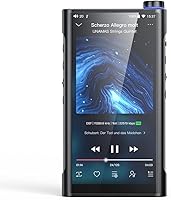
  • Screen: A 5.5-inch touchscreen display provides the primary interface for navigation, album art browsing, and app interaction.
  • Internal Storage: 32 GB of internal storage is included for local file libraries, supplemented by a microSD card slot for capacity expansion.
  • Connectivity: The M15S connects via USB, Wi-Fi (2.4 GHz and 5 GHz), and Bluetooth 5.0, covering both wired audio output and wireless network access.
  • Audio Formats: Supported formats include MQA (hardware decoding), DSD, Hi-Res FLAC, WAV, AIFF, APE, and other major lossless and lossy audio file types.
  • Dimensions: The unit measures 5.91 × 3.15 × 7.48 inches, placing it physically closer to a compact tablet than a traditional portable music player.
  • Weight: The M15S weighs 2.42 pounds, which is significantly heavier than most competing portable DAPs and should be factored into daily carry expectations.
  • Battery: A built-in lithium-ion battery is included; real-world runtime varies considerably based on output mode, gain level, and whether Wi-Fi streaming is active.
  • Power Supply Modes: The dual power supply design supports both battery-powered portable operation and USB-powered desktop mode, with the latter enabling maximum amplification output.
  • Included Accessories: The package includes a USB cable and the DK3s desktop stand, which allows the unit to be positioned upright for desk-based listening sessions.
  • Streaming Support: Spotify, Tidal, and Amazon Music are all natively supported and run directly on the device without requiring a companion phone or sideloading workarounds.
  • Headphone Outputs: The M15S provides both 3.5mm single-ended and 4.4mm balanced headphone outputs, covering the most common terminations used in the audiophile headphone market.
  • MQA Support: Full MQA hardware decoding is supported, allowing Tidal Masters content and locally stored MQA files to be decoded and rendered at their full resolution.

Related Reviews
Image Audio SXP Message and Music On Hold Digital Player
86%
92%
Value for Money
88%
Sound Quality for Cell Phones
90%
Setup & Installation
85%
Reliability & Durability
80%
Preloaded Audio Files
More
Cambridge Audio CXN100 Network Audio Player
86%
94%
Sound Quality
88%
Multiroom Compatibility
85%
Ease of Use
90%
Connectivity Options
92%
Build Quality
More
FiiO CP13 Cassette Player
82%
93%
Build Quality
88%
Sound Quality
91%
Battery Life
74%
Value for Money
89%
Design & Aesthetics
More
Wonder Bible NIV Audio Player
86%
94%
Ease of Use
92%
Portability
85%
Sound Quality
90%
Battery Life
88%
Build Quality
More
Cambridge Audio AXC35
80%
93%
Sound Quality
91%
Build Quality
89%
DAC Performance
78%
Value for Money
61%
Connectivity & Outputs
More
Healvaluefit KJV Audio Bible Player B85007
84%
88%
Ease of Use
91%
Audio Clarity
87%
Battery Life
89%
Portability
80%
Build Quality
More
Micca Speck 4K
Micca Speck 4K
87%
94%
Local Playback Reliability
92%
Ease of Setup
88%
Format Compatibility
96%
Digital Signage Functionality
64%
Large Library Navigation
More
Planet Audio P9630B Car DVD Player
80%
88%
Value for Money
90%
Bluetooth Functionality
82%
Ease of Installation
75%
Sound Quality
78%
Display Quality
More
JVC KW-M780BT Digital Media Player
84%
78%
Ease of Setup
88%
Bluetooth Connectivity
91%
Sound Quality
85%
User Interface & Touchscreen
92%
Apple CarPlay & Android Auto Integration
More
FiiO DM13 Portable CD Player
77%
93%
Sound Quality
91%
Balanced Output
89%
Output Versatility
74%
USB Ripping Feature
88%
Volume Control
More

FAQ

Yes, and this is actually one of the most practical use cases for it. When connected to a computer via USB in DAC mode, it functions as an external audio interface, routing your computer audio through the ES9038PRO DAC and its amplifier stage. The USB-powered mode also unlocks the full 1200mW per channel output in this configuration, which is a meaningful upgrade over battery-only power.

Spotify installs directly from the Google Play Store without any sideloading or workarounds — same goes for Tidal and Amazon Music. The open Android 10 environment handles this natively, which is one of the clearest advantages over closed-OS DAPs from other brands.

Honest answer: it depends heavily on how you use it. Streaming over Wi-Fi at higher gain levels will drain the battery noticeably faster than playing local files at moderate volume. Users in the head-fi community report roughly 9 to 13 hours under typical mixed conditions, but sustained high-power use will fall on the lower end of that range. If you plan to use it as a desktop source most of the time, plugging into USB largely sidesteps the battery concern.

In most cases, yes — particularly when using the enhanced over-ear gain mode or plugging into USB power. Users with planars like the HiFiMAN Arya or Audeze LCD-2 consistently report clean, controlled output without audible compression or strain. That said, the absolute most power-hungry planars at high impedance may still benefit from a dedicated amp in battery-only portable mode.

Realistically, yes for most people. At 2.42 pounds and 5.91 inches tall, it sits comfortably in a jacket pocket but is genuinely awkward in standard trouser or jeans pockets. Most owners treat it as a bag item rather than a pocket device, which is worth factoring in if your commute involves a lot of movement.

Yes, the M15S has a microSD card slot that supports high-capacity cards, so expanding storage for large hi-res libraries is straightforward. Many owners pair it with a 512 GB or even 1 TB microSD card to hold full lossless collections alongside the internal storage.

It supports full MQA hardware decoding, which means both locally stored MQA files and Tidal Masters streams are decoded and rendered properly at the hardware level — not just unfolded in software. This is one of the few portable devices that handles the complete MQA process end-to-end.

The main differentiators are the open Android environment and the raw amplification power. Astell&Kern devices at this price tier tend to offer a more refined build and their own curated OS, which some users prefer for its simplicity, but it restricts app flexibility. The M15S trades some of that polish for genuine Android freedom and the kind of driving power that most similarly priced closed-OS DAPs simply do not match.

A small number of apps — particularly those with stricter Google certification requirements or recent Android 12+ optimizations — can behave unpredictably or require manual APK installation rather than going through the Play Store. For mainstream streaming services and FiiO's own apps, compatibility is solid. It is worth checking compatibility for any niche apps before purchasing if those are important to you.

The M15S includes both a standard 3.5mm single-ended headphone jack and a 4.4mm balanced output, which is the Pentaconn standard used widely in the audiophile market. If your headphone cable or IEM uses a different balanced termination like 2.5mm, you would need a short adapter, but 4.4mm balanced coverage is the more important standard at this tier.

Where to Buy

B&H Photo-Video-Audio
In stock $1,099.99
zentrallc.com
In stock $1,099.99