


Overview

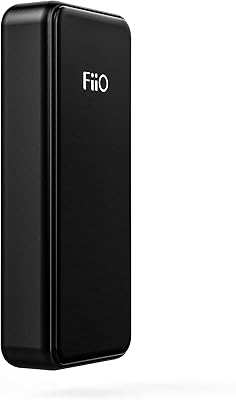
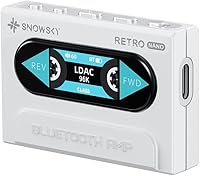
The FiiO Retro Nano Bluetooth DAC AMP is one of the more visually distinctive devices to hit the portable audio space recently — shaped like a miniature cassette player, complete with an animated UI that leans into nostalgia without apology. Within the crowded mid-range portable DAC/AMP category, it carves out a niche by pairing that retro charm with genuine audio credentials. It offers both a 3.5mm unbalanced and a 4.4mm balanced output, which is meaningfully practical for anyone already invested in balanced cables. The replaceable battery design is genuinely rare at this price tier. That said, if clean minimalism is your thing, the chunky aesthetic here may not be for you.

Features & Benefits

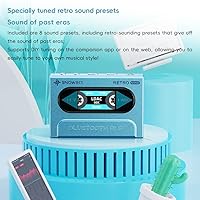
The codec lineup on the Retro Nano is genuinely strong for this class. LDAC and aptX Adaptive support means you are streaming at resolutions that reveal real differences between compressed and lossless audio — assuming your source device supports them. The dual DAC setup drives up to 220mW of balanced output power, handling headphones up to 150 ohms without audible strain. Both wireless and wired USB-C connections top out at 96kHz, so neither path holds you back quality-wise. Eight preset sound profiles offer quick tonal starting points, and a companion app plus web interface open up deeper EQ adjustments if you want them. It is a complete package for such a compact device.

Best For

This Bluetooth DAC/AMP makes the most sense for listeners who already own mid-to-high impedance headphones — think 80 to 150 ohms — and need more driving power than a phone can cleanly provide. If you have a balanced cable setup or plan to invest in one, the 4.4mm port here is a genuine practical advantage over competitors without it. Those who enjoy tuning their own sound signature, rather than accepting whatever default the manufacturer chose, will find the EQ tools worth exploring. And for anyone who wants their audio gear to have some personality, the cassette-player aesthetic is a real draw. Listeners chasing a small, invisible dongle should probably look elsewhere.

User Feedback

With 66 ratings and a 4.4-star average at time of writing, the early reception for FiiO's cassette-inspired dongle is positive — though the sample size is still small enough that a handful of critical reviews could shift the picture, so factor that in. Buyers consistently highlight the audible improvement over phone output, and many appreciate having LDAC alongside a balanced port in one compact unit. The retro interface earns genuine enthusiasm at first, though some reviewers admit it fades into novelty after the first few weeks. Criticisms center mostly on app polish — the companion software feels unfinished to several users. Battery swaps work but require a careful hand. The 4.4mm output is praised by those who actually use it.

Pros

  • LDAC and aptX Adaptive support brings wireless audio quality genuinely close to wired listening.
  • The 4.4mm balanced output is rare at this price and opens the door to a real sonic upgrade.
  • Dual DAC chips deliver 220mW of balanced power, enough to properly drive most full-size headphones.
  • Both Bluetooth and wired USB-C paths support up to 96kHz, so neither connection limits resolution.
  • The swappable battery is an unusual and practical advantage — replace it instead of retiring the device.
  • Seven and a half hours of playback covers most commutes, flights, and workdays without needing a recharge.
  • Eight built-in sound presets give immediate variety without requiring app setup.
  • Broad device compatibility means it works equally well with a phone, tablet, laptop, or smart speaker.
  • The cassette-player design is genuinely distinctive and well-executed for buyers who want gear with character.
  • EQ tuning through both a companion app and a web interface gives flexibility without locking you into one platform.

Cons

  • The companion app feels unfinished according to early buyers, with interface rough edges that FiiO has not yet fully addressed.
  • Bluetooth 5.0 is functional but aging — newer adapters on competing devices offer a more future-proof spec sheet.
  • The chunky cassette form factor is not pocketable in any practical sense; it needs a bag or case.
  • Battery replacement, while possible, requires careful handling and is not as quick or foolproof as it sounds.
  • Only 66 ratings at time of writing makes it genuinely hard to assess long-term reliability with confidence.
  • The retro UI animations, charming at first, can feel more like a novelty than a useful interface after extended use.
  • No noise cancellation or transparency mode, which limits its appeal for commuters dealing with loud environments.
  • The web tuning interface adds flexibility but means you may need a second device open during EQ adjustments.

Ratings

The scores below reflect an AI-driven analysis of verified global user reviews for the FiiO Retro Nano Bluetooth DAC AMP, with spam, bot-submitted, and incentivized feedback actively filtered out before any scoring was applied. Each category captures both the genuine enthusiasm and the honest frustrations real buyers have shared across multiple platforms. Nothing has been smoothed over — where the device underperforms, the scores and commentary reflect that plainly.

Audio Quality
88%
Listeners consistently report a meaningful, audible step up from phone output — particularly on mid-impedance over-ear headphones where the dual DAC setup has room to breathe. LDAC and aptX Adaptive users on Android describe noticeably cleaner highs and a wider soundstage during daily commutes compared to their previous dongle solutions.
The improvement is most apparent on capable headphones above 80 ohms; users pairing it with budget earbuds report a less dramatic difference. A handful of reviewers feel the sound signature leans slightly warm out of the box, which may not suit those who prefer a neutral or bright presentation without EQ adjustment.
Bluetooth Codec Range
91%
Having LDAC, aptX Adaptive, and aptX LL all in one portable device at this price tier is genuinely uncommon, and buyers who own flagship Android phones notice it immediately. The aptX LL support is particularly valued by users who watch video content wirelessly, as it keeps lip-sync tight enough to avoid frustration during casual viewing.
iPhone users effectively lose access to the premium codecs since iOS does not support LDAC or aptX natively, which limits the wireless ceiling for a notable portion of buyers. The codec negotiation process is also automatic with no manual override reported in the app, so users cannot force a specific codec if their device defaults to a lower one.
Balanced Output
86%
The 4.4mm balanced port is one of the most frequently praised features among experienced buyers, who describe a noticeable reduction in background hiss and improved separation on sensitive headphones. For commuters who already own balanced-terminated cables, having this output available wirelessly is a combination they describe as genuinely rare at this price point.
Buyers who do not already own a 4.4mm terminated cable effectively have one output to use, and replacement balanced cables add cost that can sting if not budgeted for. Several users also note that the balanced output advantage is subtle enough on lower-tier headphones that casual listeners may not perceive a difference worth seeking out.
Replaceable Battery
83%
In a category where most devices are sealed and disposable when the battery degrades, the swappable cell is a genuine long-term value differentiator that multiple reviewers specifically called out as a reason they chose this over competitors. The ability to carry a spare battery for extended travel days is a practical advantage road-heavy users appreciate in a way that spec sheets cannot fully convey.
The battery swap process requires careful handling and is more fiddly than a quick-release mechanism — a few users describe needing two attempts before it seated correctly without forcing. Replacement cells also need to be sourced separately, and availability outside of dedicated audio accessory stores is inconsistent depending on your region.
Build & Design
78%
22%
The cassette-player form factor earns consistent praise for its tactile charm and attention to retro detail — buyers describe it as a conversation starter that stands out against the sea of identical black rectangles in the portable audio space. The overall construction feels solid rather than hollow, and the white colorway has been received positively as a clean execution of the aesthetic.
The size and weight are a clear trade-off for the design choice, and buyers expecting something pocketable are regularly caught off guard by the physical footprint. Minimalist users or those who prefer gear that disappears during use report feeling the cassette aesthetic works against practical carry in tight spaces.
Battery Life
77%
23%
Seven and a half hours covers a full workday of listening for most commuters without needing to hunt for a charger, and reviewers using it on longer international flights describe it as adequate when combined with a USB-C top-up during layovers. The ability to listen while charging via USB-C removes the anxiety around mid-session battery deaths.
Heavy LDAC usage or high-volume balanced output listening tends to shorten real-world runtime below the rated figure, with some users reporting closer to six hours under demanding conditions. Competing devices at similar price points have started pushing toward ten-plus hours, making 7.5 hours feel slightly modest by current standards.
Companion App
54%
46%
When it functions correctly, the app unlocks meaningful EQ customization that transforms the listening experience beyond the eight fixed presets, and enthusiast users who invested time in it report genuinely satisfying results. The web interface as a fallback option at least ensures there is an alternative path to customization if the app itself misbehaves.
Multiple early adopters describe the app as unpolished, with UI inconsistencies and occasional connection drops that require repairing the device to restore control. For buyers who purchased specifically for the DIY tuning functionality, a buggy app experience significantly undermines what should be one of the stronger selling points of the device.
Retro UI Experience
69%
31%
The animated cassette-reel interface genuinely delights users during the first few days of ownership, and several reviewers describe showing it off to friends as part of the appeal of buying it. For buyers who wanted a device with personality rather than pure utility, the UI delivers on that promise in a way that feels considered rather than tacked on.
The novelty does tend to fade with extended use, and a number of reviewers admit they eventually stopped engaging with the UI animations beyond what was necessary for navigation. A small subset of users find the retro interface actively slows down interaction compared to a clean functional display, particularly when adjusting settings quickly on the go.
Wired DAC Performance
82%
18%
Connected via USB-C to a laptop or desktop, the Retro Nano performs as a clean, low-noise DAC/AMP that meaningfully upgrades the output of computers with mediocre onboard audio — remote workers and home studio hobbyists mention it as a solid secondary use case. The 96kHz ceiling over USB ensures the wired connection does not bottleneck high-resolution local files.
Driver installation on Windows can require an extra step that is not always clearly communicated in the packaging, leading to brief setup confusion for less technical buyers. The device also draws enough power through USB that passive bus-powered use from a low-output USB hub can occasionally cause instability.
Portability
61%
39%
The weight is manageable for bag carry, and the clip-friendly form factor means it can attach to a jacket or bag strap without bouncing around inconveniently during a commute. Users who carry a dedicated gear pouch describe it as a natural fit alongside other portable audio accessories.
At 3.84 ounces with a cassette-sized footprint, it is simply not a pocket device, and buyers who realized this after purchase express the clearest buyer dissatisfaction in the review pool. Compared to slim dongle competitors, the size premium feels significant for users whose primary priority is traveling as light as possible.
Value for Money
79%
21%
The combination of LDAC, aptX Adaptive, a 4.4mm balanced output, dual DACs, and a replaceable battery in a single device is a specification list that would cost considerably more in a traditional form factor, and informed buyers consistently identify strong value in that bundle. Audiophile-oriented reviewers especially flag the balanced output as punching well above its price bracket.
Buyers who do not use the balanced output, do not own high-impedance headphones, or whose phones lack premium Bluetooth codecs will find they are paying for features they cannot access — which narrows the genuine value proposition considerably. The app issues also mean one of the headline features requires patience to fully utilize, which reduces the perceived return on investment for less technically inclined users.
Setup & Pairing
74%
26%
Initial Bluetooth pairing follows a standard process that most users describe as straightforward, and the device shows up reliably in device lists without needing repeat attempts in normal home or office environments. USB-C wired connection is even simpler — plug in and most operating systems recognize it immediately as an audio output.
Codec negotiation is not transparent to the user, so buyers cannot easily confirm which codec their connection is actually using without third-party diagnostic tools. Some users also report that after firmware updates or app interactions, re-pairing became necessary more often than expected for a device in regular daily rotation.
Sound Customization
72%
28%
Eight onboard presets give a useful range of tonal starting points that can be switched quickly without reaching for a phone, covering enough variety that most casual listeners will find at least two or three they enjoy. Enthusiasts who push further into the app-based EQ report the parametric options are genuinely deep for a device at this size and price.
The preset labels lean into the retro branding and are not always intuitively descriptive of their actual sonic character, requiring trial and error before users settle on a preference. Without the app working reliably, the customization ceiling drops sharply — buyers who primarily wanted EQ flexibility should factor the app stability issues into their decision.
Headphone Compatibility
81%
19%
The 220mW balanced output handles a wide range of full-size headphones confidently, and buyers using popular 80 to 150 ohm models consistently report having more than enough headroom without pushing the gain uncomfortably high. The dual output options also mean it works across a broad variety of cable terminations without requiring adapters in most cases.
Very high impedance headphones above 150 ohms push the device toward its rated limits, and a few users with 250 ohm or 300 ohm cans report that volume headroom becomes uncomfortably tight at higher listening levels. The device is not designed for planar magnetic headphones that demand sustained current delivery, and that use case shows in listening tests.

Suitable for:

The FiiO Retro Nano Bluetooth DAC AMP is a strong fit for listeners who already own mid-to-high impedance headphones and feel their smartphone is holding back the audio quality those headphones are capable of delivering. If you regularly use cans in the 80–150 ohm range and want real driving power without being tethered to a desk, this device fills that gap in a portable, wireless-first package. The 4.4mm balanced output makes it especially practical for anyone who has invested in balanced cables or is planning to — that port alone puts it ahead of many similarly priced dongles. Audiophiles who stream lossless audio and own an LDAC- or aptX Adaptive-capable phone will hear a genuine, tangible difference compared to a phone headphone jack or basic dongle. Commuters who want wireless freedom without dropping to low-quality Bluetooth codecs will find the codec support here unusually thorough for the price. And if you are the kind of person who appreciates gear with some personality — something that looks different from every other black rectangle on the market — the cassette-player design is a legitimate selling point, not just a gimmick.

Not suitable for:

The FiiO Retro Nano Bluetooth DAC AMP is not the right tool for buyers who prioritize a clean, minimal look or want something that disappears in a pocket or bag without drawing attention — the cassette aesthetic is bold, and the form factor reflects that. If you primarily listen through low-impedance earbuds or IEMs that a phone already drives comfortably, the amplification headroom here will go largely unused, making this an expensive solution to a problem you do not have. Listeners who want the absolute latest Bluetooth connectivity should note this device runs on Bluetooth 5.0, not a newer revision — in practical terms the codec support compensates well, but it is worth knowing upfront. If app-based customization sounds tedious rather than fun, the companion software has been described by early buyers as unpolished, and using the device without it limits the EQ flexibility. Anyone chasing a truly pocketable, clip-on dongle that goes unnoticed will find the size and weight of this unit more than they bargained for.

Specifications

  • Brand: Manufactured by FiiO in collaboration with Snowsky, combining FiiO's established audio engineering with Snowsky's retro design direction.
  • Model: The device is officially designated the Retro Nano, released under the FiiO product lineup in December 2024.
  • Bluetooth Version: Uses Bluetooth 5.0 for wireless connectivity, supporting stable pairing with smartphones, tablets, computers, and smart speakers.
  • Codecs Supported: Wireless audio transmission supports LDAC, aptX Adaptive, and aptX LL codecs for high-resolution and low-latency Bluetooth listening.
  • Audio Outputs: Equipped with a 3.5mm unbalanced headphone output and a 4.4mm balanced output for listeners with balanced-terminated cables.
  • Output Power: Delivers up to 220mW of output power through the 4.4mm balanced output, capable of driving headphones with impedance up to 150 ohms.
  • Audio Resolution: Supports up to 96kHz high-definition audio playback over both Bluetooth and wired USB Type-C connections.
  • DAC Configuration: Features a dual DAC chip setup designed to improve channel separation and overall signal fidelity compared to single-chip implementations.
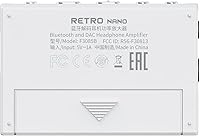
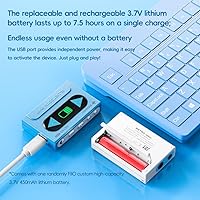
  • Battery: Uses a detachable, user-replaceable 3.7V lithium-ion battery, which is an uncommon design in this product category.
  • Battery Life: Rated for up to 7.5 hours of continuous wireless playback on a single charge under typical usage conditions.
  • Wired Interface: Connects to source devices via a USB Type-C cable, supporting both audio data transfer and charging functions.
  • Sound Profiles: Comes preloaded with 8 custom-tuned retro-inspired sound effect presets accessible directly from the device interface.
  • Tuning Interface: EQ customization and DIY sound tuning are available through a dedicated companion app and an additional web-based interface.
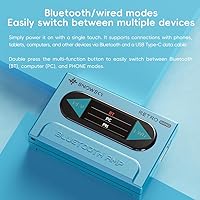
  • Compatible Devices: Works with smartphones, tablets, laptops, desktop computers, smart speakers, and televisions that support Bluetooth 5.0 or USB audio.
  • Weight: Weighs approximately 3.84 ounces (around 109g), which is noticeable compared to slim dongle-style DAC/AMPs in the same category.
  • Dimensions: Package dimensions measure 4.29 x 3.62 x 1.5 inches, reflecting the cassette-inspired form factor of the device itself.
  • Impedance Range: Designed to drive headphones with an impedance rating of up to 150 ohms without audible distortion or power loss.
  • Driver Type: Employs a dynamic driver audio architecture within the amplification stage for handling a wide range of headphone loads.
  • Control Method: Device operation and playback control are handled via onboard physical controls, described by the manufacturer as remote-style input.
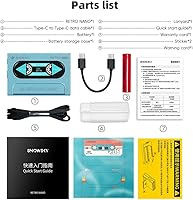
  • In The Box: The package includes the Retro Nano unit and a USB Type-C cable; no headphones or additional accessories are included.

Related Reviews
FiiO BTR17
FiiO BTR17
81%
93%
Sound Quality
91%
Amplifier Power & Output
88%
Bluetooth Codec Support
89%
Versatility & Multi-Mode Operation
79%
Parametric EQ & App Control
More
FiiO KA5
FiiO KA5
82%
93%
Audio Quality
91%
Balanced Output Performance
89%
Noise Floor & Interference
92%
IEM Compatibility
88%
Value for Money
More
FiiO K9 Pro ESS
FiiO K9 Pro ESS
77%
91%
Sound Quality
93%
Driving Power & Headphone Compatibility
89%
Connectivity & Input Options
86%
Bluetooth Performance
88%
Build Quality & Materials
More
Qudelix 5K
Qudelix 5K
82%
93%
Audio Quality
91%
Balanced Output
89%
Bluetooth Codec Support
94%
Companion App & EQ
88%
Portability & Size
More
FiiO BTR7
FiiO BTR7
79%
91%
Sound Quality
88%
Build Quality
74%
Bluetooth Stability
93%
Codec Support & Compatibility
89%
USB DAC Performance
More
HiBy W3 II
HiBy W3 II
82%
91%
Sound Quality
93%
Bluetooth Codec Support
88%
Car Mode
84%
USB DAC Dongle Mode
74%
Battery Life
More
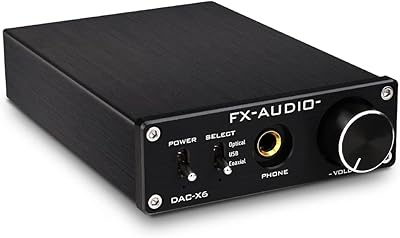
FX-Audio DAC-X6
FX-Audio DAC-X6
78%
83%
Audio Quality
79%
Headphone Amplifier Power
81%
Build Quality
88%
Input Versatility
61%
USB Audio Resolution
More
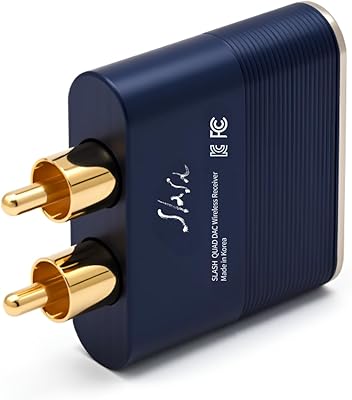
Slash6 LDAC Bluetooth DAC
88%
92%
Audio Quality
85%
Wireless Connectivity
89%
Build Quality
88%
Compatibility with Devices
90%
Setup and Ease of Use
More
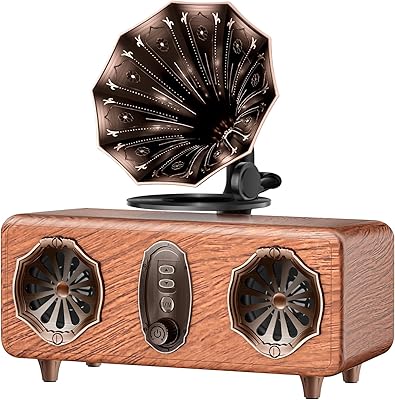
FREEFISH Retro Bluetooth Speaker AS31
84%
85%
Sound Quality
75%
Battery Life
92%
Portability
88%
Build Quality
60%
FM Radio Reception
More
COLSUR AS19 Retro Bluetooth Speaker
74%
88%
Design & Aesthetics
54%
Audio Quality
61%
Build Quality
67%
Battery Life
78%
Bluetooth Connectivity
More

FAQ

LDAC is an Android-side codec, so iPhones will not connect using LDAC. However, the Retro Nano also supports aptX Adaptive and aptX LL, and most iOS devices will fall back to AAC over Bluetooth, which is still a reasonable connection. You can also use it wired via USB-C with a suitable adapter for full-resolution audio on iOS.

Yes, the battery is genuinely user-replaceable by design — that is one of its more unusual features in this category. FiiO built the unit so the battery module can be detached and swapped out at home. It is worth handling the replacement carefully rather than forcing anything, but it does not require any special tools or a service center visit.

It is well-suited for full-size over-ear headphones, particularly those in the 80 to 150 ohm impedance range. The 220mW balanced output gives it real driving headroom that most phones simply cannot match. If your headphones are very low impedance earbuds, you technically can use it, but a lot of that power will go unused.

The 3.5mm output is standard unbalanced, which works with the vast majority of headphone cables on the market. The 4.4mm output is a balanced connection, which generally offers lower noise floor and improved channel separation — benefits that are most audible on high-quality, sensitive headphones with a balanced cable. If you do not have a 4.4mm terminated cable, the 3.5mm output still performs well.

The device works fine out of the box without ever opening the app — the 8 built-in sound presets are accessible directly on the unit. The app and web interface come into play if you want to build a custom EQ profile or fine-tune the sound beyond those presets. Early users have noted the app feels somewhat rough around the edges, so go in with realistic expectations rather than expecting a polished experience.

The inclusion of aptX LL (Low Latency) specifically addresses this concern — it is designed to keep audio delay tight enough for video playback without obvious lip-sync issues. Whether lag is fully imperceptible depends on the source device also supporting aptX LL on its end. If your phone does not support aptX LL, you may notice more delay than the codec is capable of eliminating.

It is noticeably larger and heavier than a slim dongle-style DAC — at roughly 3.84 ounces and cassette-sized proportions, it is designed to be clipped to clothing or carried in a bag pocket rather than dropped into tight jeans. If you were imagining something the size of a USB stick, this is a different category of portable device entirely.

It connects to a PC via USB-C as a wired DAC/AMP, which works well for desktop use. For wireless PC gaming, support depends on whether your PC Bluetooth adapter and the game audio stack can negotiate a low-latency codec like aptX LL. For competitive gaming where every millisecond matters, a dedicated USB gaming DAC is still the safer choice, but for casual and single-player gaming the Retro Nano handles PC use respectably.

You can connect it via USB-C to a power source and continue using it while charging, similar to how most portable audio devices work in wired passthrough mode. The replaceable battery design also means you could carry a spare if you have particularly long listening sessions ahead.

At the time of this writing, there are around 66 ratings averaging 4.4 stars, which is a positive early signal but a relatively small sample for drawing firm conclusions about long-term reliability or consistent quality control. The sentiment from actual buyers is genuinely favorable — particularly around sound quality and the balanced output — but it is sensible to keep the limited review volume in mind and check back as the rating pool grows.

Where to Buy