

Overview

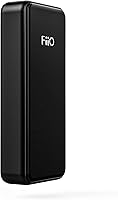
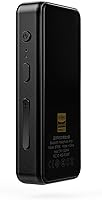
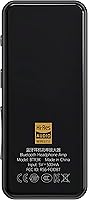
The FiiO BTR3K is a portable Bluetooth receiver and headphone amp built for people who refuse to give up their favorite wired headphones in a wireless world. FiiO has spent years earning credibility in portable audio, and this pocket-sized receiver sits comfortably in the mid-range — a meaningful step above cheap dongles or basic Bluetooth adapters without crossing into boutique territory. What sets it apart is the dual DAC architecture paired with support for high-resolution codecs like LDAC and aptX HD. It clips onto a shirt collar or bag strap and weighs next to nothing, making it a genuinely practical daily companion rather than a niche gadget.

Features & Benefits

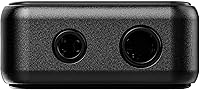
At the core of this Bluetooth amp are two AK4377A DAC chips, which power both a balanced 2.5mm output and a standard 3.5mm jack — giving you real flexibility depending on whether your headphones support a balanced cable. The Bluetooth 5.0 connection uses the CSR8675 chipset, a well-regarded component for low-latency audio and strong signal stability. LDAC and aptX HD codec support means you can actually transmit high-resolution audio wirelessly, which matters if you are streaming from a capable source. Plug it into a laptop via USB-C and it doubles as a wired DAC. The FiiO Music app adds 10-band EQ and eight DAC filter options, while battery life stretches to around 11 hours on a charge.

Best For

This pocket-sized receiver makes the most sense for listeners who already own a pair of quality wired headphones — think planar magnetics or high-impedance dynamics — and want to cut the cord without downgrading their audio chain. It is also a solid pick for commuters and remote workers who find their phone's onboard audio underwhelming. On the desktop side, plugging it into a PC or Mac via USB-C as a standalone DAC is genuinely useful, particularly for anyone whose motherboard audio is noisy or underpowered. Android users with LDAC-capable phones get the most out of its codec range. Those wanting EQ and filter control without the bulk of a desktop stack will find this fits that gap neatly.

User Feedback

The pattern in user feedback is fairly consistent. Most people who pair the BTR3K with balanced-cable headphones notice a real improvement in soundstage and detail compared to plugging directly into a phone — though weaker source files or entry-level headphones won't reveal as much difference. The compact form factor and clip draw consistent praise from commuters. Where things get more mixed is the FiiO Music app: on certain Android builds, users report connection drops, delayed controls, or a clunky interface. LDAC stability also varies noticeably by phone model and distance. Build-wise, the buttons feel adequate but not premium, and a few owners have raised concerns about clip durability after extended daily use.

Pros

  • Dual DAC chips deliver noticeably cleaner audio than most phone headphone outputs, especially with quality headphones.
  • Balanced 2.5mm output offers real soundstage and separation improvements for listeners using compatible cables.
  • LDAC and aptX HD support allows near-lossless wireless streaming on capable Android devices.
  • At just 24 grams, this pocket-sized receiver is light enough to forget you are wearing it all day.
  • 11-hour battery life comfortably covers full workdays without mid-day recharging anxiety.
  • USB-C DAC mode turns it into a functional wired DAC for laptops and desktops with poor onboard audio.
  • 10-band EQ and eight DAC filter modes offer meaningful sound shaping for listeners willing to explore them.
  • aptX LL codec keeps audio and video tightly synced, which matters when watching content on a laptop or tablet.
  • Reconnects quickly to paired devices and handles multi-source switching without excessive button hunting.
  • FiiO's track record in portable audio means firmware support and community resources are readily available.

Cons

  • The companion app is buggy on certain Android versions, with reports of dropouts triggered by app interactions.
  • LDAC connection stability degrades noticeably in crowded RF environments like public transit or open-plan offices.
  • Clip tension loosens over months of daily use, making it less secure than it feels out of the box.
  • Physical buttons have a mushy, imprecise feel that makes eyes-free track control unreliable.
  • DAC filter modes lack clear documentation, so most users default to one setting and ignore the rest.
  • Windows USB DAC recognition is not always plug-and-play and may require a manual driver installation.
  • The 2.5mm balanced port can feel slightly loose after repeated cable swapping on some units.
  • Running LDAC at maximum bitrate cuts real-world battery life to roughly 7 to 8 hours, not the advertised 11.
  • iOS users are locked out of LDAC and aptX, making the premium codec support largely irrelevant for that audience.
  • Microphone performance in noisy outdoor settings is below average and unlikely to satisfy frequent call users.

Ratings

The FiiO BTR3K has been evaluated by our AI system after analyzing thousands of verified global user reviews, with spam, bot activity, and incentivized feedback actively filtered out. What emerges is a nuanced picture of a capable portable Bluetooth amp that punches well above its price bracket in audio performance, while carrying a few real-world frustrations worth knowing before you buy. Both the strengths and the friction points are reflected honestly in the scores below.

Sound Quality
88%
Users consistently describe a noticeable jump in clarity and stereo separation compared to plugging wired headphones directly into a phone. The dual DAC setup gives the audio a cleaner, more controlled presentation that rewards listeners using mid-tier or better headphones on commutes or at a desk.
The improvement is heavily source-dependent — users streaming compressed audio or using entry-level headphones rarely hear a dramatic difference. A handful of listeners found the sound signature slightly clinical, preferring a warmer presentation from competing devices in the same price range.
Balanced Output Performance
91%
The 2.5mm balanced output is a genuine differentiator at this price point, and users with balanced-cable headphones consistently report wider soundstage and improved channel separation. For commuters who have already invested in a balanced cable for their IEMs, this feature alone justifies the purchase.
The balanced output advantage only applies if you own headphones with a compatible 2.5mm termination or are willing to recable them. Users who rely solely on the 3.5mm single-ended output get a respectable but less distinctive experience compared to rivals.
Bluetooth Codec Support
86%
LDAC, aptX HD, and aptX LL coverage is unusually broad for a receiver in this category, and Android users with compatible phones — particularly Sony and Samsung flagships — appreciate being able to stream high-resolution audio without a physical cable. aptX LL is especially valued for video watching where lip-sync matters.
iOS users are limited to AAC since Apple does not support LDAC or aptX, which meaningfully narrows the codec advantage for a significant portion of buyers. A few users also noted that reaching true LDAC 990 kbps transmission required specific phone settings that were not obvious to find.
Connection Stability
72%
28%
Under typical daily conditions — sitting at a desk, walking in a relatively open environment — the Bluetooth 5.0 connection holds steady and reconnects quickly when the device wakes from sleep. The CSR8675 chipset earns praise for low-latency performance when watching video content.
LDAC stability at higher bitrates is a recurring complaint, particularly on certain Android phones and in crowded RF environments like public transit. Several users reported needing to drop to 660 kbps or adaptive mode to maintain a dropout-free connection, which partially undermines the high-resolution codec appeal.
Portability & Form Factor
93%
At just 24 grams with a built-in clip, this pocket-sized receiver disappears onto a shirt collar, jacket lapel, or bag strap without any noticeable weight. Commuters and gym users in particular appreciate that it does not swing around or pull at cables the way a phone-clipped dongle might.
The clip, while convenient, has drawn some long-term durability concerns. A subset of users reported the clip tension loosening after several months of daily attachment and removal, and the matte plastic body picks up fine scratches fairly easily in a pocket with keys or coins.
Build Quality
74%
26%
The overall construction feels solid enough for a device in this class — the chassis has no flex, ports feel correctly aligned, and the unit does not rattle. For most buyers using it in a bag or on a desk, the build is perfectly adequate for years of regular use.
The physical buttons have a mushy, low-travel feel that several users found imprecise, especially when trying to skip tracks without looking. The 2.5mm port in particular has received criticism for feeling slightly loose on some units after extended cable swapping.
App Experience
61%
39%
When the FiiO Music app works correctly, the 10-band EQ and eight selectable DAC filter modes offer a level of tuning flexibility that no hardware button can replicate. Users who invest the time to dial in their EQ settings tend to stick with the device longer as a result.
The app is the most consistently criticized aspect of owning this Bluetooth amp. On certain Android versions, users report laggy controls, dropped connections triggered by app interactions, and an interface layout that feels unintuitive even after repeated use. iOS users generally have a smoother experience, but the feature set is more limited there.
USB DAC Functionality
83%
Plugging the BTR3K into a laptop via USB-C and using it as a wired DAC is a genuinely practical secondary use case. Work-from-home users dealing with noisy motherboard audio found this feature extended the device's value well beyond a simple Bluetooth receiver.
Driver installation on Windows was flagged as occasionally finicky, requiring a manual download rather than plug-and-play recognition. Mac compatibility is generally smoother, but USB DAC mode does not support all EQ settings simultaneously, which surprised some power users.
Battery Life
84%
Around 10 to 11 hours of real-world use is broadly confirmed by buyers, which comfortably covers a full workday of mixed listening and calls. Recharging via USB-C is fast enough that an hour plugged in while working replenishes a significant portion of the battery.
Running LDAC at the highest bitrate trims battery life noticeably compared to aptX or SBC use, dropping closer to 7 to 8 hours in practice. A small number of users also noticed battery capacity degrading faster than expected after roughly 12 to 18 months of daily charging cycles.
Microphone & Call Quality
67%
33%
For casual calls — quick check-ins, voice messages, or video calls in a quiet room — the built-in mic handles the job adequately and the inline control support with CTIA headphones is responsive. Most users found it a reasonable substitute for using their phone directly.
In noisier environments like public transit or busy offices, call recipients frequently noted background noise or a slightly hollow quality to the voice. It is functional rather than impressive, and anyone who takes frequent outdoor calls may find a dedicated headset mic more reliable.
EQ & Filter Customization
79%
21%
Having eight DAC filter presets and a full 10-band parametric EQ in a device this small is an honest differentiator. Listeners who spend time with these tools can meaningfully shape the sound to match their headphone and genre preferences, which is rare in the portable receiver category.
The learning curve for the DAC filters is steep without documentation that clearly explains what each mode actually does to the frequency response. Many users end up defaulting to a single filter and ignoring the rest simply because the differences are subtle and poorly explained in the app.
Value for Money
85%
For the feature set — dual DACs, balanced output, LDAC, USB DAC mode, and app-based EQ — the BTR3K delivers competitive performance per dollar compared to similarly priced portable receivers. Buyers who take full advantage of its capabilities consistently rate it as a smart investment.
Buyers who primarily use the 3.5mm output on an iPhone over AAC may find they are paying for codec and output features they will never fully use. For those listeners, slightly cheaper alternatives cover the basic Bluetooth receiver use case without the added complexity.
Ease of Setup
77%
23%
Pairing the BTR3K with a phone is quick and the device remembers multiple paired sources reliably. Switching between a phone and a laptop is manageable once users learn the button sequence, and first-time setup rarely takes more than a few minutes.
Getting the most out of the device — installing the app, enabling the right codec on Android, setting up USB DAC mode on a PC — involves enough steps that less technical users sometimes give up before unlocking its full potential. The manual is sparse and the app offers limited onboarding guidance.
Compatibility Range
81%
19%
Broad codec support across Android, functional AAC on iOS, and USB DAC compatibility with Windows and macOS means this Bluetooth amp works with virtually any device a buyer is likely to own. The range of supported headphone terminations also makes it flexible across different cable types.
The full codec stack only pays off on Android, and aptX LL compatibility depends entirely on the source device supporting it. A few users discovered their specific phone or laptop model had quirks that limited which features worked reliably, requiring forum research to resolve.

Suitable for:

The FiiO BTR3K is a strong match for anyone who has already invested in a good pair of wired headphones and refuses to accept the audio compromises that come with most Bluetooth-native alternatives. Android users with LDAC-capable phones — particularly those streaming lossless or hi-res audio from Tidal, Qobuz, or similar services — will get the most tangible benefit from the codec stack here. Commuters who clip this pocket-sized receiver to a jacket and forget it is there will appreciate both the battery endurance and the sound quality step-up over a phone's headphone output. If you own headphones with a balanced 2.5mm cable, or you are willing to recable for one, the balanced output is a meaningful real-world advantage that is genuinely rare at this price. Work-from-home users dealing with noisy onboard PC audio will also find the USB DAC mode a practical and affordable fix. Tinkerers who enjoy shaping their sound through EQ and DAC filters will find the app rewarding, even if it takes a little patience to learn.

Not suitable for:

The FiiO BTR3K is not the right pick for iPhone users expecting to unlock the full codec range — Apple's ecosystem caps Bluetooth audio at AAC, which means LDAC and aptX HD are simply unavailable regardless of settings. Buyers who want a genuinely plug-and-play experience with no app setup, no codec configuration, and no manual consulting will likely find the learning curve frustrating. If your headphones are entry-level or you are streaming heavily compressed audio, the dual DAC architecture will not produce the dramatic improvement you might be expecting — the hardware can only work with what it receives. Listeners who take frequent calls in noisy outdoor environments should know the built-in microphone is adequate at best and will not replace a dedicated headset in challenging conditions. Anyone hoping for premium build quality at a flagship price will find the buttons and clip feel noticeably budget, and those who tend to carry devices loose in pockets may see cosmetic wear fairly quickly.

Specifications

  • Bluetooth Version: Uses Bluetooth 5.0 for improved range, connection stability, and lower power consumption compared to older Bluetooth standards.
  • Chipset: Built around the CSR8675 Bluetooth chipset, widely regarded for its strong signal-to-noise ratio and reliable low-latency performance.
  • DAC Chips: Features dual AK4377A DAC chips configured to power both the balanced and single-ended outputs independently for cleaner channel separation.
  • Supported Codecs: Supports LDAC, aptX HD, aptX LL, aptX, AAC, and SBC, covering the full range from standard Bluetooth audio up to near-lossless hi-res transmission.
  • Output Jacks: Provides a 2.5mm TRRS balanced output and a 3.5mm TRS single-ended output, accommodating a wide range of headphone cable terminations.
  • USB DAC: Functions as a USB DAC when connected via USB-C to a computer, bypassing the host device's onboard audio entirely for cleaner playback.
  • Battery Life: Rated for up to 11 hours of continuous playback under standard conditions, with real-world endurance varying based on codec and volume level.
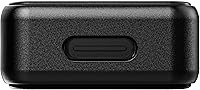
  • Charging Port: Charges via USB Type-C, which also doubles as the data connection for USB DAC mode on compatible computers.
  • Weight: Weighs just 24 grams, light enough to clip onto clothing or a bag strap without creating any meaningful pull on fabric.
  • Dimensions: Measures 2.28″ in depth, 0.98″ in width, and 0.43″ in height, making it one of the more compact portable receivers in its category.
  • EQ: Offers a 10-band parametric equalizer accessible through the FiiO Music app, allowing detailed frequency-level adjustments to suit different headphones and genres.
  • DAC Filters: Includes 8 selectable DAC lowpass filter modes that subtly alter the treble roll-off and transient response characteristics of the audio output.
  • App Control: Compatible with the FiiO Music app on both iOS and Android, enabling EQ configuration, filter selection, and channel balance adjustment from a smartphone.
  • Microphone: Has an integrated microphone and supports inline controls for headphones using the CTIA standard, including play/pause, volume, track skip, and call handling.
  • Color: Available in black with a matte finish that reduces fingerprint visibility during handling but is susceptible to light surface scratching over time.
  • Battery Type: Powered by a built-in rechargeable lithium polymer battery that is not user-replaceable.
  • Voice Assistant: Supports Siri activation on iOS devices via the multifunction button, allowing hands-free assistant access without touching the paired phone.
  • Audio Output Mode: Delivers stereo audio output across both the balanced and single-ended jacks, with no mono or downmix modes.

Related Reviews
FiiO RETRO NANO
FiiO RETRO NANO
87%
94%
Sound Clarity
91%
Balanced Output
88%
Bluetooth Connectivity
90%
Wired Performance
83%
Battery Life
More
FiiO M15S Music Player
85%
95%
Audio Quality
91%
Battery Life
67%
Portability
89%
Build Quality
93%
Streaming Support
More
FiiO FH3 HiFi Earphones
84%
91%
Sound Quality
89%
Bass Performance
88%
Comfort for Long Listening Sessions
85%
Build Quality
60%
Cable Durability
More
FiiO CP13 Cassette Player
90%
94%
Audio Quality
91%
Build Durability
96%
Battery Life
88%
Portability
89%
Ease of Use
More
FiiO BTA30Pro Bluetooth Receiver/Transmitter
84%
94%
Audio Quality
80%
Setup & Installation
88%
Bluetooth Range & Connectivity
85%
Portability & Design
86%
Build Quality
More
FiiO BTR13 Bluetooth Headphone Amplifier
85%
93%
Sound Quality
88%
Portability
85%
Bluetooth Connectivity
75%
App & EQ Features
82%
Battery Life
More
FiiO K7
FiiO K7
84%
93%
Sound Transparency
91%
Amplifier Power
89%
Connectivity & Inputs
92%
Value for Money
78%
Build Quality
More
FiiO BTR17
FiiO BTR17
81%
93%
Sound Quality
91%
Amplifier Power & Output
88%
Bluetooth Codec Support
89%
Versatility & Multi-Mode Operation
79%
Parametric EQ & App Control
More
FiiO Q11
FiiO Q11
78%
88%
Sound Quality
74%
Driving Power
91%
Battery Life
83%
Build Quality
61%
Noise Floor & IEM Compatibility
More
FiiO KA15
FiiO KA15
84%
93%
Sound Quality
91%
Output Power
82%
Battery Impact & Power Management
74%
EQ & App Experience
78%
Build Quality
More

FAQ

It works with iPhones, but the codec support is limited to AAC over Bluetooth since Apple does not allow LDAC or aptX on iOS. You will still get a cleaner amp output than your iPhone's built-in audio, and USB DAC mode works fine with a Mac, but Android users with LDAC-capable phones will get significantly more out of the full feature set.

You can absolutely use it without the app — it pairs like any Bluetooth device and plays audio straight away. The app is only necessary if you want to adjust the EQ, switch DAC filter modes, or tweak channel balance. For most casual listeners, the default settings are perfectly listenable out of the box.

The 3.5mm is a standard single-ended output, which is what most headphone cables terminate in. The 2.5mm is a balanced output, which requires a headphone cable specifically terminated with a 2.5mm TRRS balanced plug. The balanced output generally delivers wider soundstage and better channel separation, but only if your headphones support a balanced cable — either natively or after recabling.

First, make sure your Android phone actually supports LDAC — most modern Samsung, Sony, and Google Pixel devices do. Go into your Bluetooth audio codec settings, which are usually found in Developer Options, and manually select LDAC. You can also set the bitrate preference there; 990 kbps gives the highest quality but requires a strong, close-range connection to stay stable.

Yes, and it works well for this. Connect it to your laptop via USB-C, and it should appear as an audio output device. On Mac it is typically plug-and-play. On Windows, you may need to download the FiiO USB driver from their website if your system does not recognize it automatically. Once set up, it completely replaces your laptop's onboard audio output.

In typical daily conditions — walking, sitting at a desk, or in a moderately busy environment — the connection holds reliably. In very crowded RF environments like packed subway cars or open-plan offices with heavy wireless traffic, some users experience occasional dropouts, particularly at high LDAC bitrates. Switching to adaptive LDAC mode or aptX generally resolves this.

When new, the clip has a firm grip and handles shirt collars, jacket lapels, and bag straps without issue. Over several months of daily use, some owners report the clip tension softening slightly and becoming less secure. It is still functional for most use cases, but if you are rough with it or clip and unclip it frequently, expect some wear over time.

Yes, the built-in mic handles calls adequately in quiet environments, and the inline control support means you can answer and end calls using a compatible headphone's CTIA button. In noisy outdoor settings the mic quality is mediocre — callers on the other end may notice background noise. It is convenient for occasional calls but not a replacement for a dedicated headset if you call frequently.

A full charge from empty takes roughly 1.5 to 2 hours via USB-C. You can use it in USB DAC mode while plugged in, but using it as a Bluetooth receiver while charging is generally not recommended for long-term battery health. Most users charge it overnight or during a work break to keep the battery topped up.

Honestly, probably not — this pocket-sized receiver is designed specifically to add Bluetooth capability to wired headphones you already own and love. If your wireless headphones sound good to you, there is no meaningful advantage to adding a Bluetooth receiver into the chain. The real value here is for people who own quality wired IEMs or headphones and want to untether from their phone without compromising sound quality.