



Overview

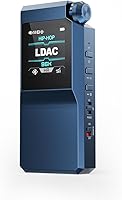
The FiiO BTR17 is FiiO's most ambitious portable Bluetooth DAC/amp to date, arriving in late 2024 as a meaningful step up from earlier BTR models. What distinguishes it immediately is its three-mode operation — run it as a USB soundcard from a PC, as a standalone Bluetooth DAC/amp paired wirelessly to your phone, or as a wired tail DAC plugged directly into your smartphone. The premium DAC and amplifier chipset pairing inside pushes it clearly above most competing devices at this price tier. This is not a device aimed at casual listeners. If you are seriously invested in headphones and want one compact unit that handles nearly every source scenario, this portable amp was built with exactly that listener in mind.

Features & Benefits

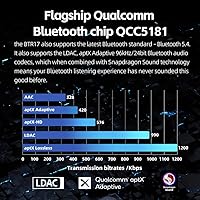
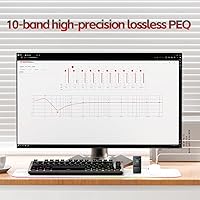
At the heart of this Bluetooth DAC/amp sit dual ES9069Q DACs — ESS fourth-generation 32-bit chips delivering a 130dB dynamic range and a distortion floor so low it is effectively inaudible in real listening conditions. Powering the output stage is a THX AAA 78+ amplifier capable of 650mW through the 4.4mm balanced jack, which is genuinely substantial for a pocket-sized device. The QCC5181 Bluetooth 5.4 chip supports LDAC, aptX Lossless, and aptX Adaptive at 96kHz/24bit, though actual codec negotiation will always depend on what your source device supports. Wired USB input handles 768kHz/32bit PCM, DSD512, and full MQA decoding. The 10-band parametric EQ, tunable via app or web browser, adds a layer of personalization that most competitors simply do not offer.

Best For

This portable amp makes the clearest sense for a specific kind of listener. If you own planar magnetic or high-impedance dynamic headphones that a phone cannot drive properly, the 650mW balanced output changes things considerably. It suits anyone who moves regularly between a desk setup and a commute, since the three-mode switch handles source changes without friction. Tidal or Qobuz subscribers chasing hi-res wireless audio will find the advanced codec support worthwhile. Headphone collectors with both 3.5mm and 4.4mm terminated cables will appreciate having both outputs available. Casual listeners who just want simple Bluetooth audio, however, may find the learning curve and feature density more than they bargained for.

User Feedback

Owners consistently highlight a dramatic sound improvement over phone and laptop audio as the primary win, especially those pairing the BTR17 with harder-to-drive headphones. Build quality and the compact form factor receive strong marks, and the display is noted as readable in everyday conditions. On the downside, early buyers reported that the companion app had stability issues at launch, with occasional pairing hiccups during initial setup. Battery life in Bluetooth mode is described as adequate rather than impressive, though desktop mode eliminates that concern entirely. Buyers upgrading from the BTR7 generally consider the improvement worthwhile. One recurring caution: users with highly sensitive in-ear monitors sometimes detect faint background hiss at the lowest gain setting, which is worth factoring in before purchasing.

Pros

  • The FiiO BTR17 delivers a genuinely audible improvement over phone and laptop audio, especially with demanding headphones.
  • 650mW balanced output handles high-impedance and planar magnetic headphones with ease and headroom to spare.
  • Three-mode switching between PC, Bluetooth, and phone tail DAC modes works reliably once learned.
  • Dual ES9069Q DACs produce a clean, low-noise sound floor that holds up even at higher listening volumes.
  • LDAC and aptX Lossless support gives Android users a credible hi-res wireless codec path.
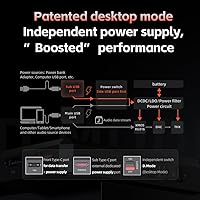
  • Desktop mode protects your phone battery during long listening sessions by drawing wall power instead.
  • The 10-band parametric EQ gives headphone tuners real control without needing a separate software tool.
  • Both 3.5mm and 4.4mm outputs are available simultaneously, accommodating different cable terminations without adapters.
  • Build quality feels premium and sturdy for its compact footprint, with a practical onboard display.
  • BTR7 owners and dongle DAC users consistently report the upgrade as a meaningful, not marginal, step forward.

Cons

  • The companion app has experienced crashes, lost presets, and pairing failures that hardware quality alone cannot excuse.
  • iOS users lose LDAC access entirely, which removes a key selling point for a large portion of buyers.
  • Sensitive in-ear monitor users frequently report faint but audible background hiss, particularly at the lowest gain setting.
  • Wireless battery life under LDAC at higher volumes falls noticeably short of the rated figures in real-world use.
  • Initial Bluetooth pairing and mode setup has a learning curve that frustrated a consistent share of first-time buyers.
  • The physical weight and cable tether in tail DAC mode feels less refined compared to lighter portable alternatives.
  • EQ presets have been lost after firmware updates, which is a real inconvenience for users with carefully tuned profiles.
  • The onboard display is too small to read comfortably in bright outdoor conditions or at arm's length.
  • Casual or non-technical buyers may find the feature density overwhelming rather than empowering.
  • Single-ended 3.5mm output is noticeably weaker than the balanced option, leaving unbalanced cable users underserved.

Ratings

The FiiO BTR17 ratings below are generated by AI after analyzing verified buyer reviews from across global markets, with spam, bot-submitted, and incentivized feedback actively filtered out. The scores reflect the honest consensus of real-world users — enthusiasts, commuters, and serious headphone hobbyists alike — and do not shy away from the pain points that came up repeatedly alongside the genuine praise.

Sound Quality
93%
Users across multiple platforms consistently describe a striking improvement over phone or laptop audio, particularly in clarity, soundstage width, and instrument separation. Those driving planar magnetic or high-impedance headphones noted the dual ES9069Q DAC pairing produced a noticeably blacker background with more texture in low-end detail.
A small but persistent group of users with highly sensitive in-ear monitors reported faint background hiss at the lowest gain setting, which can be distracting during quiet passages. This is primarily an IEM pairing issue rather than a universal flaw, but it is worth testing before committing.
Amplifier Power & Output
91%
The 650mW balanced output through the 4.4mm jack impressed users who previously struggled to drive demanding headphones from portable sources. Commuters pairing this amp with harder-to-drive cans noted they rarely needed to push volume above 60 percent, leaving plenty of headroom.
Single-ended output via the 3.5mm jack, while still competent, is noticeably less powerful in direct comparison. Users who primarily rely on unbalanced cables may feel they are not fully unlocking what this portable amp was designed to deliver.
Bluetooth Codec Support
88%
Support for LDAC, aptX Lossless, and aptX Adaptive at 96kHz/24bit via the QCC5181 chip genuinely separates this device from most competitors at its price tier. Tidal and Qobuz subscribers using compatible Android phones reported consistently stable high-quality codec connections in typical indoor environments.
Real-world codec negotiation is less predictable than spec sheets suggest — iOS users are locked out of LDAC entirely, and aptX Lossless requires both devices to support it simultaneously. Some buyers felt the premium codec story was oversold for their specific source device setup.
Versatility & Multi-Mode Operation
89%
The three-mode physical switch covering PC USB, Bluetooth, and smartphone tail DAC modes was highlighted by remote workers and commuters as a practical daily advantage. Being able to flip between desk and mobile use without re-pairing or reconfiguring software saved real time across different listening contexts.
The mode switching logic has a short but genuine learning curve — a handful of users reported confusion during initial setup around which mode auto-selected the correct power profile. The manual clarifies it well, but the device does not make this immediately intuitive on its own.
Parametric EQ & App Control
79%
21%
The 10-band parametric EQ, adjustable through both the companion app and a web browser interface, was praised by tuning-focused users who appreciated the ability to compensate for headphone frequency response without a separate software tool. The 192kHz PEQ sampling rate is a genuine technical advantage over most rivals.
App stability at launch drew complaints — several users on both Android and iOS experienced crashes, failed connections, and lost EQ presets during early firmware versions. FiiO has pushed updates since release, but the app experience still lags behind the hardware quality and remains a recurring frustration.
Build Quality & Design
84%
The BTR17 feels reassuringly solid for its size, with a metal chassis that does not flex or creak under normal handling. Button placement and the small display were described as practical during commutes, where glancing at the screen to confirm the active mode or codec is quicker than navigating menus.
At 8.4 oz it is on the heavier side for a clip-on or pocket device, and a few users noted it shifts or pulls when clipped to lighter shirt pockets. The display, while legible, is small enough that some users wished for a slightly larger readout in outdoor brightness.
USB DAC Performance
92%
As a wired USB soundcard, this portable amp delivers outstanding resolution — 768kHz/32bit PCM support alongside hardware DSD512 and full MQA decoding covers virtually every hi-res format a desktop user could encounter. Audiophiles replacing a dedicated desktop DAC for a cleaner desk setup were particularly complimentary.
A small number of Windows users reported driver installation requiring a manual step that was not clearly documented in the quick-start guide. It was resolved quickly, but first-time DAC buyers found the initial wired setup less plug-and-play than expected.
Desktop Mode & Battery Management
83%
Desktop mode, which draws power entirely from a wall adapter via USB rather than the internal battery, was praised by users who leave the device on a desk all day. Protecting the battery from constant charge cycles is a thoughtful design choice that more competitors should adopt.
Battery life in standalone Bluetooth mode was described as adequate rather than generous by most users, with real-world estimates falling shorter than the rated figures under LDAC use at higher volumes. Those expecting all-day wireless listening on a single charge should calibrate expectations accordingly.
Value for Money
81%
19%
Compared to buying a separate portable DAC, a dedicated Bluetooth receiver, and a headphone amp, the BTR17 consolidates genuine functionality at a mid-to-premium price that most serious buyers found justifiable. Upgrades from the BTR7 were commonly described as worth the incremental cost given the codec and power improvements.
At this price point, some buyers expected a more polished out-of-box software experience. The hardware absolutely earns its cost, but the app instability and initial setup friction created a perception gap that made the value feel less clear until the device was properly configured.
Portability
76%
24%
The compact form factor genuinely fits in a jacket pocket or a small bag side pouch without occupying much space. Commuters who used it daily as a wired tail DAC clipped to a phone found it stayed secure enough during typical transit movement.
The weight and the physical cable tethering in tail DAC mode made it feel less elegant than truly wireless alternatives for casual daily use. Users who did not specifically need the power output sometimes questioned whether a lighter, simpler device might suit their lifestyle better.
Pairing & Connectivity Stability
74%
26%
In controlled environments — at a desk, in a quiet office, or during a regular commute — Bluetooth connectivity was described as stable and reliable by the majority of reviewers. Re-pairing after mode switches became second nature for most users within a week of regular use.
Initial pairing complexity caught several buyers off guard, with some reporting multiple failed attempts before achieving a stable connection during first setup. Interference-heavy environments like busy transit hubs occasionally caused brief dropouts that would not be acceptable at this price level.
EQ Preset Management
68%
32%
The ability to store and recall custom EQ curves directly on the device — without needing the app open — was genuinely useful for users who fine-tuned profiles for different headphones and wanted quick switching between them during a session.
Lost EQ presets after firmware updates were reported by a non-trivial number of users, which is a frustrating experience when you have spent time dialing in a careful tune. The preset sync between device and app also lacked reliability in early firmware builds.
Display & UI Readability
72%
28%
The onboard display communicates the essential at-a-glance information — active mode, codec, volume level, and battery — clearly enough for quick checks without unlocking a phone. This was appreciated during hands-free commuting moments when pulling out a phone was impractical.
Several users flagged that the display is too small for comfortable reading in direct sunlight or at arm's length, and the menu navigation required memorization rather than being naturally self-explanatory. New users described a few days of trial and error before the interface felt intuitive.
IEM Compatibility
63%
37%
Users pairing the device with full-size and semi-open headphones overwhelmingly reported a clean, noise-free experience that matched the technical specifications. The gain settings gave enough flexibility to match a reasonable range of headphone sensitivities without clipping.
Sensitive in-ear monitors exposed a low-level hiss that was distracting enough to be a genuine deal-breaker for some IEM-focused listeners. This is a known trade-off with powerful amplifier stages, but buyers who primarily use high-sensitivity IEMs should audition carefully before purchasing.

Suitable for:

The FiiO BTR17 is built for a specific kind of listener, and if you fit the profile, it is hard to beat at this price tier. Audiophiles who own planar magnetic or high-impedance dynamic headphones that a smartphone simply cannot drive adequately will find the 650mW balanced output transformative in daily use. Remote workers and commuters who regularly switch between a desk computer and a phone will genuinely appreciate the physical three-mode switch, which eliminates the friction of re-routing audio through software every time you move. If you subscribe to Tidal or Qobuz and use a compatible Android device, the LDAC and aptX Adaptive support means you are actually getting hi-res wireless audio rather than just paying for it. Headphone collectors with cables terminated in both 3.5mm and 4.4mm connectors will find having both outputs on one compact device a practical convenience rather than a luxury. Buyers upgrading from an older BTR model or a budget dongle DAC will notice an immediate and substantial improvement in clarity, background noise floor, and overall headphone control.

Not suitable for:

The FiiO BTR17 is genuinely not the right purchase for everyone, and being honest about that saves real frustration. Casual listeners who primarily use wireless earbuds or just want a simple volume boost from their phone will find this portable amp overcomplicated and overpriced for their actual needs — the three-mode system, companion app, and PEQ controls add a setup burden that only pays off if you plan to use those features. iOS users should know upfront that LDAC is unavailable on Apple devices, which removes one of the headline codec features from the conversation entirely. Listeners who primarily use highly sensitive in-ear monitors should audition this device carefully before buying, as reported background hiss at low gain settings has been a consistent concern in that pairing. If you are looking for a truly pocketable all-day wireless device with no cables involved, the weight and the wired tail DAC form factor may feel less convenient than purpose-built true wireless alternatives. Finally, buyers who expect polished plug-and-play software out of the box may feel let down by the companion app, which has had stability and sync issues that hardware firmware updates alone have not fully resolved.

Specifications

  • DAC Chipset: Dual ESS ES9069Q DACs based on fourth-generation 32-bit HyperStream architecture, delivering a dynamic range of 130dB and total harmonic distortion of -120dB.
  • Amplifier: THX AAA 78+ amplifier stage provides clean, low-distortion amplification with a maximum output of 650mW via the 4.4mm balanced output.
  • Bluetooth Chip: Qualcomm QCC5181 flagship chip supporting Bluetooth 5.4 with LE Audio standard and a bandwidth transmission capability of up to 2.1Mbps.
  • Bluetooth Codecs: Supports LDAC, aptX Lossless, aptX Adaptive at 96kHz/24bit, aptX, AAC, and SBC for broad source device compatibility.
  • USB Decoding: Wired USB input supports PCM decoding up to 768kHz/32bit, hardware DSD512 decoding, and full MQA unfolding.
  • Outputs: Two headphone outputs are provided: a 4.4mm balanced jack and a 3.5mm single-ended unbalanced jack, both active simultaneously.
  • Parametric EQ: 10-band parametric EQ is adjustable via the FiiO companion app or web interface, operating at a sampling rate of up to 192kHz.
  • Operating Modes: Three-mode physical switch allows one-click selection between PC USB soundcard mode, Bluetooth DAC/amp mode, and smartphone tail DAC/amp mode.
  • Desktop Mode: When connected to a wall adapter via the dedicated USB power input, the device runs entirely on external power to protect the connected smartphone battery.
  • Weight: The unit weighs 8.4 oz (approximately 238g), which is substantial for a portable clip-on device compared to lighter dongle alternatives.
  • Package Contents: Includes the BTR17 unit and a cable; no carrying case or additional accessories are listed as standard in the box.
  • Power Input: Powered via USB; supports a dedicated external power input for desktop mode to prevent battery overdischarge during extended stationary use.
  • Battery Type: Internal rechargeable lithium-ion battery; one lithium-ion battery is required and is included with the unit.
  • Connectivity: Bluetooth 5.4 wireless and USB wired connectivity are both supported, with the active input determined by the three-mode physical switch.
  • Water Resistance: The device carries no official water resistance rating and should not be exposed to moisture, rain, or humid conditions.
  • Compatible Sources: Compatible with laptops and smartphones as confirmed source devices; desktop mode requires a USB wall adapter for external power delivery.
  • Control Method: Primary control is handled through the FiiO app on iOS and Android, with additional EQ management available through a web-based interface.
  • Release Date: The BTR17 was first made available in November 2024, positioning it as FiiO's most current portable Bluetooth DAC/amp at launch.
  • Model Number: Official model designation is BTR17, part of FiiO's long-running BTR series of portable Bluetooth DAC and amplifier devices.
  • Availability Color: Available in Blue as the listed variant; buyers should confirm color availability at the time of purchase as other variants may exist.

Related Reviews
FiiO RETRO NANO
FiiO RETRO NANO
87%
94%
Sound Clarity
91%
Balanced Output
88%
Bluetooth Connectivity
90%
Wired Performance
83%
Battery Life
More
FiiO CP13 Cassette Player
90%
94%
Audio Quality
91%
Build Durability
96%
Battery Life
88%
Portability
89%
Ease of Use
More
FiiO M15S Music Player
85%
95%
Audio Quality
91%
Battery Life
67%
Portability
89%
Build Quality
93%
Streaming Support
More
FiiO FH3 HiFi Earphones
84%
91%
Sound Quality
89%
Bass Performance
88%
Comfort for Long Listening Sessions
85%
Build Quality
60%
Cable Durability
More
FiiO K7
FiiO K7
84%
93%
Sound Transparency
91%
Amplifier Power
89%
Connectivity & Inputs
92%
Value for Money
78%
Build Quality
More
FiiO BTA30Pro Bluetooth Receiver/Transmitter
84%
94%
Audio Quality
80%
Setup & Installation
88%
Bluetooth Range & Connectivity
85%
Portability & Design
86%
Build Quality
More
FiiO BTR3K
FiiO BTR3K
80%
88%
Sound Quality
91%
Balanced Output Performance
86%
Bluetooth Codec Support
72%
Connection Stability
93%
Portability & Form Factor
More
FiiO BTR13 Bluetooth Headphone Amplifier
85%
93%
Sound Quality
88%
Portability
85%
Bluetooth Connectivity
75%
App & EQ Features
82%
Battery Life
More
FiiO Echo MINI MP3 Player 136GB
86%
92%
Sound Quality
90%
Portability/Size
72%
Bluetooth Performance
88%
Battery Life
85%
Display & UI
More
FiiO KA5
FiiO KA5
82%
93%
Audio Quality
91%
Balanced Output Performance
89%
Noise Floor & Interference
92%
IEM Compatibility
88%
Value for Money
More

FAQ

It works with both, but there is an important caveat for iPhone users. iOS does not support LDAC, so you will be limited to AAC over Bluetooth on an Apple device. If wireless hi-res codec support is a priority for you, Android is the better pairing. Wired USB DAC functionality works fine with iPhones that use an appropriate adapter.

There is a real learning curve here, and it is worth being upfront about that. The three-mode switch is straightforward once you understand what each mode does, but first-time Bluetooth pairing and getting the companion app configured properly can take some patience. Expect to spend an hour or so reading the manual and experimenting before everything clicks into place. It is not difficult, but it is not plug-and-play either.

Yes, and this is genuinely one of the strongest arguments for buying this portable amp. The 650mW output through the balanced 4.4mm jack is substantial for a device this size, and most 300-ohm dynamic headphones will be driven comfortably without pushing the volume to its limit. Just make sure your headphones have a cable terminated in 4.4mm, or use a reliable adapter, to take full advantage of the balanced output.

Yes, and this is actually one of the more thoughtful design decisions on the device. When you connect an external USB power adapter to the dedicated power input and switch to desktop mode, the device draws power entirely from the wall rather than cycling the internal battery. This protects the battery from the wear that comes with constant charge and discharge, which is a real long-term reliability advantage over devices that lack this feature.

Once you have saved EQ presets to the device through the app or the web interface, those presets stay stored on the unit itself. You do not need your phone open or nearby to apply a saved profile during listening. The limitation is that creating or adjusting presets does require the app or a browser session, so live tweaking on the go without a phone is not possible.

This has come up consistently enough in user feedback that it deserves a direct answer: yes, some users with sensitive in-ear monitors do report a faint but audible hiss, particularly at the lowest gain setting. It is not universal, and it depends heavily on the sensitivity and impedance of your specific IEMs. If you primarily listen with high-sensitivity earphones and a quiet noise floor is non-negotiable, you should try to audition the pairing before committing.

Real-world battery life under LDAC at moderate-to-high volumes tends to fall noticeably short of the rated figures. Most users report getting through a long commute comfortably, but expecting a full workday of wireless listening on a single charge is optimistic. If you are using it at a desk, connecting an external power source and running in desktop mode sidesteps the battery question entirely.

Users who have owned both consistently describe the upgrade as meaningful rather than marginal. The primary gains are the newer codec support including aptX Lossless, the more powerful output stage, and the improved DAC chipset pairing. If your current BTR7 is meeting your needs, you will not be miserable staying with it. But if you have added harder-to-drive headphones to your collection or want better Bluetooth codec support, the step up is justifiable.

Both jacks are physically present and can be used simultaneously, which is useful if you want to share audio or quickly switch between two pairs of headphones. Keep in mind that the balanced 4.4mm output is significantly more powerful, so headphones paired to each output will behave quite differently in terms of volume and drive. Using both at once will also affect the available power per output.

The companion app has had a troubled history since the device launched in late 2024. Early reviews flagged crashes, connectivity failures, and lost EQ presets as real issues. FiiO has pushed firmware and app updates since then, and the situation has improved, but the app experience still trails the hardware quality. If app stability is important to your workflow, check recent user reviews for the current state before buying — this is one area where the device does not yet match its hardware ambitions.