
Overview
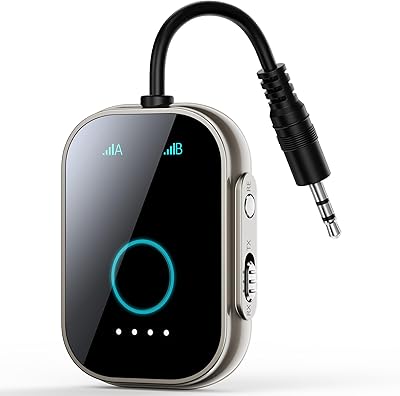
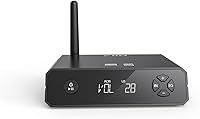
The FiiO BR13 Bluetooth Music Receiver is FiiO's answer to a genuinely common problem: you have a perfectly good stereo amplifier or receiver, it just predates wireless streaming by a decade or two. FiiO has built a solid reputation among serious listeners for squeezing audiophile-grade hardware into compact, affordable devices, and the BR13 fits that mold. It sits on your desk or rack without demanding much space, sports a small OLED status display, and does double duty as both a Bluetooth receiver and a USB DAC. This isn't a casual Bluetooth dongle — it's aimed at listeners who care about what their music actually sounds like.
Features & Benefits
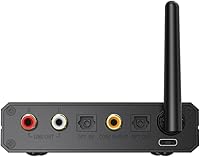
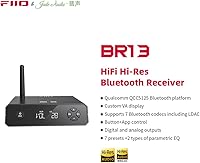
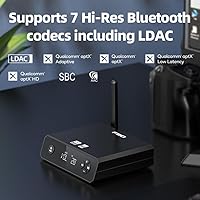
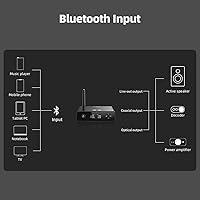
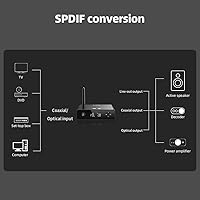
The most meaningful thing about the BR13's feature set is what's under the hood. Most Bluetooth adapters use whatever chip is cheapest; this hi-fi adapter pairs Qualcomm's QCC5125 Bluetooth chip with an ES9018K2M DAC — the kind of component you'd expect in a dedicated desktop unit. The result is audible, especially when streaming via LDAC, which can carry up to 990kbps of audio data compared to the roughly 320kbps ceiling of standard SBC Bluetooth. For Android users, that gap is real and noticeable. On top of that, the I/O is genuinely flexible — RCA, optical, and coaxial connections, plus bidirectional SPDIF conversion between optical and coaxial formats, which most devices in this category simply skip.
Best For
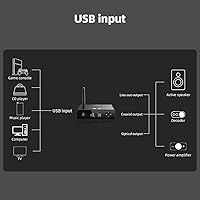
This Bluetooth receiver makes the most sense for owners of a vintage stereo amp or older receiver that sounds great but predates wireless streaming entirely. Plug it into your RCA inputs and your old gear can suddenly pull audio straight from a phone. It's equally useful for home theater signal routing — if your TV outputs optical but your amplifier only accepts coaxial, the BR13 handles that conversion cleanly. PC users can also bypass weak onboard audio using the USB DAC mode. Where it falls short: if you just want simple background audio, there are cheaper, less involved ways to get there.
User Feedback
With a 4.3-star average across over 260 ratings, the general consensus is positive, but the picture isn't entirely clean. The most consistent praise clusters around sound quality improvement — buyers switching from TV or receiver built-in DACs consistently notice a cleaner, more detailed presentation. Setup is also regularly described as straightforward, especially via RCA. The criticism tends to center on two areas: the companion app, which some users find unreliable or buggy on certain Android versions, and occasional Bluetooth pairing hiccups with specific devices. Build quality gets quieter mentions — most find it solid for the price, and the OLED display earns small but genuine appreciation for practical daily use.
Pros
- LDAC support delivers noticeably higher wireless audio quality compared to standard Bluetooth, especially on Android.
- The ES9018K2M DAC chip is audiophile-grade hardware rarely found at this price point.
- Versatile I/O — RCA, optical, and coaxial — covers virtually every legacy connection scenario.
- Built-in SPDIF conversion between optical and coaxial is a genuinely rare and useful feature.
- Works as both a Bluetooth receiver and a USB DAC, giving it two distinct use cases in one box.
- OLED display provides clear, at-a-glance status without needing to check the app.
- OTA firmware updates mean the device can improve over time after purchase.
- Setup with older stereo receivers is widely reported as straightforward and plug-and-play.
- Compact footprint fits easily on a desk or AV rack without dominating the space.
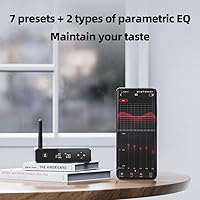
- Nine EQ options, including two customizable presets, give listeners real tuning flexibility.
Cons
- The companion app has reported stability issues on certain Android versions, which limits its reliability.
- Bluetooth pairing can be inconsistent with some devices, requiring manual reconnection.
- iPhone and iPad users cannot access LDAC, capping wireless quality at AAC.
- No battery — this hi-fi adapter requires a constant power source, ruling out any portable use.
- The app interface feels unpolished compared to the quality of the hardware itself.
- No analog input, so turntables or other phono-level sources need a preamp before connecting.
- Only one Bluetooth device can be paired at a time, which complicates multi-user households.
- The coaxial and optical inputs mean cable clutter in setups that already have limited desk space.
Ratings
The scores below for the FiiO BR13 Bluetooth Music Receiver were generated by our AI after analyzing verified global buyer reviews, with spam, bot submissions, and incentivized feedback actively filtered out. The ratings reflect a balanced synthesis of what real users consistently praised and where they ran into frustration — nothing is glossed over. Both the hardware strengths and the software rough edges are represented transparently in the breakdown below.
Sound Quality
LDAC Performance
Connectivity & I/O
Setup & Ease of Use
Bluetooth Stability
Companion App
Build Quality
OLED Display
EQ & Tuning Options
Compatibility
Value for Money
OTA Update Support
Form Factor & Placement
Suitable for:
The FiiO BR13 Bluetooth Music Receiver is a strong fit for anyone sitting on a quality vintage amplifier or stereo receiver that simply has no wireless capability — it lets you keep the gear you love while streaming from a phone or tablet without degrading the signal chain. Android users in particular get meaningful value here, since LDAC support allows audio to travel at a much higher bitrate than standard Bluetooth, which is genuinely audible on a decent speaker setup. It also works well as a digital format converter, so if your TV outputs optical and your amp only accepts coaxial — or the reverse — the BR13 handles that translation cleanly. PC users who want to bypass weak onboard audio without buying a separate DAC will find the USB input a practical bonus. Essentially, if you already own good speakers or an amplifier and just want smarter, higher-quality connectivity, this is a logical and cost-effective upgrade.
Not suitable for:
The FiiO BR13 Bluetooth Music Receiver is not the right call if your primary goal is dead-simple, set-it-and-forget-it wireless audio for casual background listening — at that level, a basic Bluetooth speaker or cheaper adapter will do the job without the learning curve. Apple device users should note that LDAC is an Android-first codec, so iPhone and iPad users will top out at AAC and won't extract the full audio quality potential this device is built around. If your existing receiver or amplifier already has a capable built-in DAC and Bluetooth, the improvement here may be marginal at best. The companion app has drawn enough criticism for inconsistency that buyers who want a polished app-driven experience may find it frustrating. And if physical space is a real constraint, the unit's small-but-still-present desktop footprint and cable requirements mean it is not truly invisible in a setup.
Specifications
- Bluetooth Version: The BR13 uses Bluetooth 5.1 via the Qualcomm QCC5125 chip, providing stable wireless connectivity and improved range over older Bluetooth standards.
- Supported Codecs: Supported audio codecs include LDAC, aptX Low Latency, aptX, AAC, and SBC, covering the full range from standard to near-lossless wireless transmission.
- DAC Chip: Audio conversion is handled by the ESS ES9018K2M reference DAC, a chip commonly found in dedicated desktop DAC units well above this price tier.
- Bluetooth Chip: The Qualcomm QCC5125 manages all wireless operations, supporting advanced codec negotiation and maintaining reliable Bluetooth 5.1 connections.
- Op-Amp: The TPA1882 op-amp handles analog signal amplification in the output stage, contributing to low-noise stereo output.
- Audio Outputs: Output connections include stereo RCA, TOSLINK optical, and coaxial digital, giving users flexibility across virtually all home stereo and AV receiver types.
- Audio Inputs: Input connections include USB (for DAC mode), TOSLINK optical, and coaxial digital, allowing the unit to receive both digital and computer audio sources.
- SPDIF Conversion: The BR13 supports bidirectional SPDIF conversion, meaning optical signals can be output as coaxial and vice versa, independent of any Bluetooth function.
- Display: A small OLED screen on the front face shows current input mode, codec in use, and connection status at a glance.
- EQ Presets: Nine equalizer presets are available — seven factory presets covering common genres and two fully customizable slots adjustable via the companion app.
- Firmware Updates: OTA (over-the-air) firmware updates are supported through the companion app, allowing FiiO to push feature additions and bug fixes post-purchase.
- Companion App: A dedicated mobile app provides access to EQ customization, display settings, and device management for both Android and iOS devices.
- Dimensions: The unit measures 3.94 x 3.94 x 1.18 inches (roughly 100 x 100 x 30 mm), fitting comfortably on a desk or in an AV rack shelf.
- Weight: At 135 grams (4.8 oz), the BR13 is light enough to sit unobtrusively behind or beside a stereo component without requiring mounting.
- Audio Output Mode: All analog output is stereo, designed to feed a stereo amplifier, integrated receiver, or powered speaker pair.
- Color: The unit is available in black with a matte finish that blends with most AV and desktop equipment aesthetics.
- Power Requirement: The BR13 requires a continuous external power source via USB and does not contain an internal battery, making it a desktop-only device.
- Output Power: The rated output power is 160 mW, appropriate for driving downstream analog stages in standard home stereo receivers and amplifiers.
Related Reviews
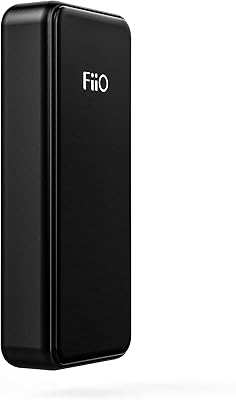
FiiO BTR3K
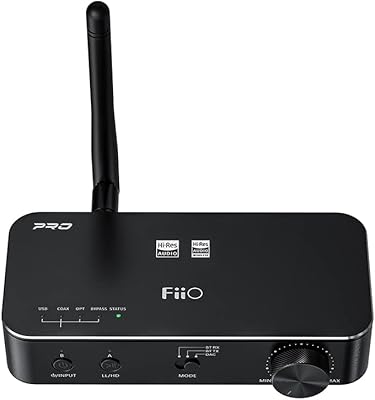
FiiO BTA30Pro Bluetooth Receiver/Transmitter
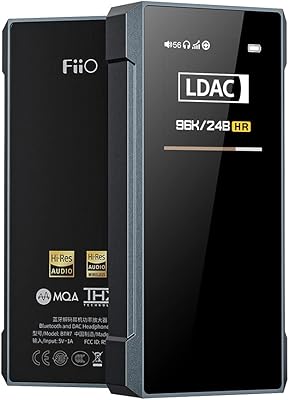
FiiO BTR7
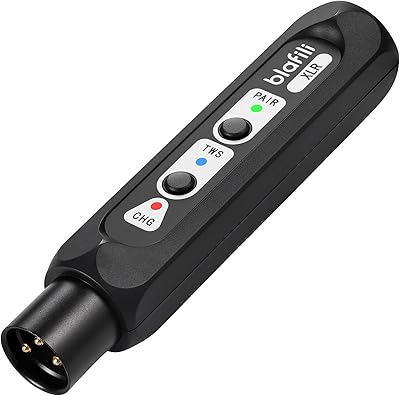
blafili XLR
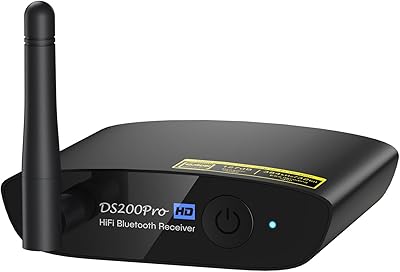
1Mii DS200Pro Bluetooth Audio Receiver
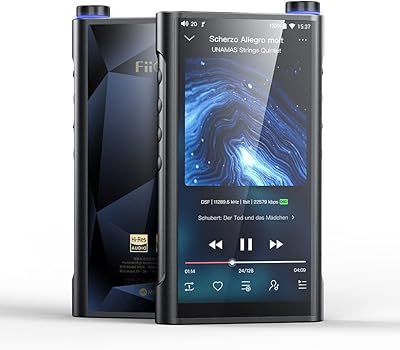
FiiO M15S Digital Audio Player
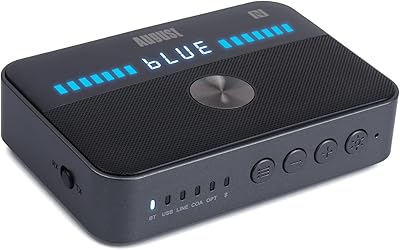
August MR285 Bluetooth Transmitter Receiver
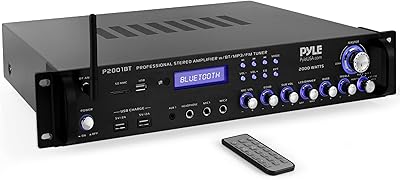
Pyle P2001BT Bluetooth Stereo Preamplifier Receiver
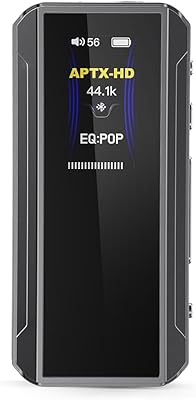
FiiO BTR13 Bluetooth DAC Headphone Amplifier