Dayton Audio iMM-6C Calibrated USB-C Measurement Microphone
Overview
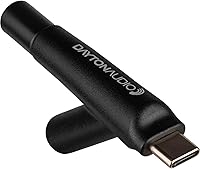
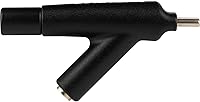
The Dayton Audio iMM-6C Calibrated USB-C Measurement Microphone is a purpose-built acoustic analysis tool — not a recording mic, not a podcasting accessory, but a serious calibration instrument designed for people who need accurate data about how sound behaves in a space. Dayton Audio, the brand behind Parts Express, has built a solid reputation among DIY speaker builders and home theater obsessives, and this USB-C measurement microphone fits squarely into that ecosystem. It's compact, machined from aluminum, and ships with a clever built-in kickstand. The price sits at an accessible mid-range point that puts real measurement capability within reach of dedicated hobbyists without demanding professional-grade budgets.
Features & Benefits
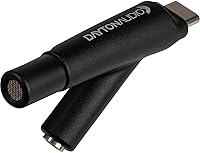
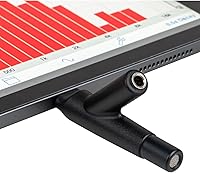
What makes the iMM-6C worth owning comes down to a few practical decisions Dayton Audio got right. The mic ships with an individual calibration file, meaning the flat frequency response you get isn't just an engineering target — it's verified for that specific unit. The omnidirectional pattern picks up sound from every angle, which is exactly what you need when sweeping a room. USB-C connectivity means you plug it directly into a modern Android phone, iPad Pro, or laptop with no dongles involved. A headphone pass-through jack lets you inject a test signal while still monitoring output, and the 75 dB signal-to-noise ratio keeps background noise from contaminating your readings. The aluminum body feels built for repeated use, not disposable.
Best For
This calibrated measurement mic makes most sense for a specific crowd. If you're building your own speakers and want to verify crossover tuning without hauling a laptop and external interface to every listening session, this is the tool. Home theater enthusiasts using REW or similar software to dial in subwoofer placement and room correction will find it pairs naturally with Android devices and iPad Pros. Studio owners who want a quick check on acoustic treatment effectiveness will appreciate how little space it takes up in a bag. It's also a practical backup option for audio professionals who already own dedicated measurement rigs but need something compact for field work. Casual buyers looking for a general-purpose mic should look elsewhere.
User Feedback
Users who put the iMM-6C to work in real measurement workflows tend to come away impressed with how consistent the readings are across sessions — accuracy holds up well when used alongside apps like REW and AudioTools. The kickstand design earns specific praise; people appreciate that it's not an afterthought but actually keeps the mic at a useful angle during longer measurement sessions. On the critical side, a handful of Android users have reported app compatibility hiccups on certain manufacturer skins, which required some troubleshooting before everything clicked. A few advanced users also note that the frequency ceiling may leave something to be desired for extended-range work. Owners upgrading from the older lightning-connector version generally consider it a worthwhile upgrade, though both versions share a loyal following.
Pros
- Ships with an individual calibration file, so frequency accuracy is verified for your specific unit rather than averaged across production runs.
- Plugs directly into USB-C devices with no adapter or external interface needed, which removes real friction from the measurement workflow.
- The omnidirectional polar pattern is the correct choice for room and speaker measurements, capturing reflections and room behavior accurately.
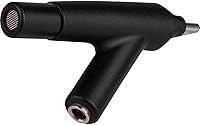
- The built-in kickstand is a practical, well-executed detail that props the mic at a useful angle without requiring a separate stand for basic sessions.
- Aluminum construction feels durable and appropriate for a tool that gets tossed into bags and used in various rooms over time.
- Signal-to-noise performance is solid enough that low-level room noise does not visibly contaminate sweep results in typical listening room conditions.
- The headphone pass-through jack allows test signal injection and monitoring from the same device, which simplifies single-person measurement setups considerably.
- Bus-powered over USB-C means zero battery management and instant readiness when you plug in.
- Compatible with both Android and iPad Pro, which covers the majority of the mobile measurement workflow scenarios most users have.
- At its price point, it offers a meaningful step up from uncalibrated budget measurement mics without crossing into professional-grade spending territory.
Cons
- The 18 kHz frequency ceiling may leave advanced users without the extended high-frequency data needed for detailed tweeter or supertweeter analysis.
- App compatibility is not guaranteed across all Android manufacturers, and some users on custom OS skins have needed extra troubleshooting steps to get stable operation.
- Mono capture only, which is standard for measurement work but worth knowing if you were hoping for any stereo recording capability.
- No included stand mount or tripod thread means positioning options beyond the kickstand require improvisation or third-party accessories.
- The calibration file must be manually imported into your measurement software, which adds a step that less experienced users may find confusing at first.
- Not a practical all-rounder — buying this for anything outside acoustic measurement or speaker tuning is money poorly spent.
- Users upgrading from the older lightning-connector model may find the feature set nearly identical, making the upgrade feel incremental rather than substantial.
- Limited value for professionals who already own a calibrated measurement microphone with a full-range response and a dedicated interface.
Ratings
The scores below reflect AI-synthesized analysis of verified global user reviews for the Dayton Audio iMM-6C Calibrated USB-C Measurement Microphone, with spam, bot-generated, and incentivized submissions actively filtered out before scoring. Each category captures both what users genuinely praise and where real frustrations surfaced, giving you an honest picture before you buy. Nothing has been softened or cherry-picked — the numbers reflect the full range of documented buyer experiences.
Measurement Accuracy
USB-C Compatibility
Build Quality
App Compatibility
Calibration File Usefulness
Kickstand Design
Signal-to-Noise Performance
Portability
Pass-Through Jack
Frequency Range Coverage
Value for Money
Setup Experience
Omni Pattern Consistency
Suitable for:
The Dayton Audio iMM-6C Calibrated USB-C Measurement Microphone is squarely aimed at people who take acoustics seriously enough to measure what they hear rather than just guess. DIY speaker builders will get the most out of it — it plugs directly into a smartphone or tablet and pairs cleanly with software like REW, making crossover verification and driver alignment far more practical without a dedicated measurement rig on the desk. Home theater enthusiasts who want to optimize subwoofer placement, identify room modes, or validate the work done by an automatic EQ processor will find it accurate enough to trust. Audiophiles who obsess over speaker positioning and reflection points can use this USB-C measurement microphone to run real sweeps rather than relying on ear alone. Studio owners doing spot checks on acoustic panel placement or bass trap performance will appreciate how little space it takes up in a gear bag. It also serves audio professionals who need a compact, reliable backup tool for field assessments without committing to a full portable interface setup.
Not suitable for:
The Dayton Audio iMM-6C Calibrated USB-C Measurement Microphone is not the right tool if your goal is recording vocals, instruments, streaming, podcasting, or any form of content creation — it is an analysis instrument, not a performance mic, and it will disappoint anyone who buys it for those purposes. Its frequency response tops out around 18 kHz, which is fine for most room and speaker measurements but may frustrate advanced users working on tweeters or super-tweeters where extended high-frequency data matters. Buyers on certain Android devices with heavily customized operating system skins may encounter app compatibility friction that requires troubleshooting before the mic works reliably. Anyone expecting universal plug-and-play behavior across every platform without any setup should temper expectations. It also lacks the extended low-end sensitivity that some professional acoustic engineers want for infrasonic analysis. If you already own a dedicated measurement interface and a calibrated measurement mic like an Earthworks M23 or similar, the iMM-6C likely adds less incremental value to your kit than it would for someone starting from scratch.
Specifications
- Connector: The mic uses a USB Type-C plug, connecting directly to modern smartphones, tablets, and laptops without any adapter.
- Polar Pattern: An omnidirectional pickup pattern captures sound equally from all directions, which is the standard requirement for acoustic measurement work.
- Frequency Range: The microphone covers frequencies from the low end up to 18 kHz, suitable for the majority of speaker and room measurement applications.
- Signal-to-Noise Ratio: A 75 dB signal-to-noise ratio keeps self-noise low enough that ambient room behavior, rather than mic noise, dominates the measurement floor.
- Channels: Mono capture only, which is standard practice for single-point acoustic measurement and room analysis workflows.
- Body Material: The housing is machined aluminum, giving the mic durability and a level of build quality above typical plastic-bodied accessories.
- Dimensions: The unit measures 4.2″ long by 3″ wide by 1″ tall, making it compact enough to pocket or tuck into any gear bag.
- Weight: At 2.4 ounces, the iMM-6C adds virtually no meaningful weight to a mobile measurement kit.
- Power Source: The mic draws power directly from the connected USB-C host device, requiring no batteries or external power supply.
- Pass-Through Jack: A headphone and line-out pass-through port allows test signals to be routed and monitored from the same device during a measurement session.
- Kickstand: A built-in kickstand elevates and angles the mic capsule when the host device is laid flat, removing the need for a separate stand in casual setups.
- Calibration: Each unit ships with an individual calibration file that documents that specific microphone's frequency response deviations for use in supported measurement software.
- Compatible Devices: Works with any smartphone, tablet, or laptop equipped with a USB-C port, including Android devices and iPad Pro models.
- Form Factor: Designed as a mini plug-in accessory that attaches directly to the device port rather than requiring a cable or cradle.
- Recommended Use: Intended exclusively for acoustic measurement and audio analysis tasks, not for recording, broadcasting, or general-purpose audio capture.
- Brand: Manufactured by Dayton Audio, the audio components brand operated under Parts Express, known for its presence in the DIY speaker and home theater measurement community.
- Available Since: This USB-C variant became available in November 2023, succeeding the earlier lightning-connector version of the iMM-6 family.
Related Reviews
MOTU M2
CAD Audio U29 USB Condenser Microphone
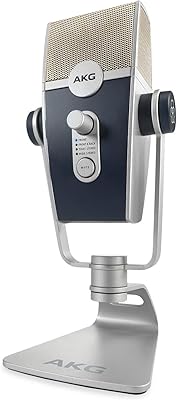
AKG Lyra USB Microphone
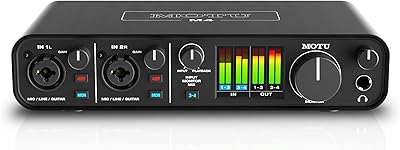
MOTU M4
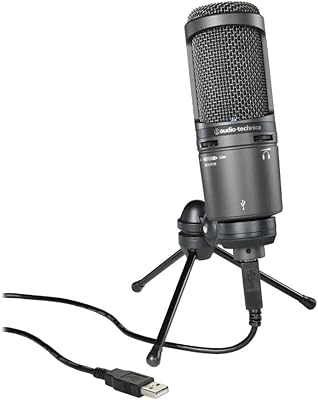
Audio-Technica AT2020USB+ USB Condenser Microphone
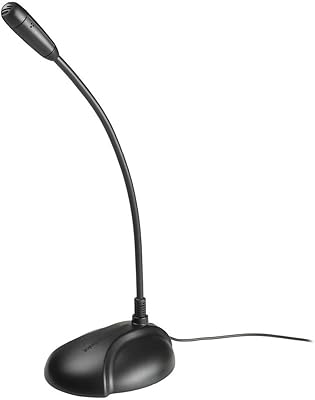
Audio-Technica ATR4750-USB Omnidirectional Condenser Microphone
Audio-Technica ATR2100x-USB Cardioid Dynamic Microphone
CAD Audio U37 USB Condenser Microphone
Audio-Technica ATR4697-USB