Overview

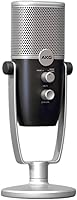
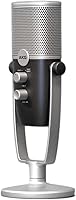
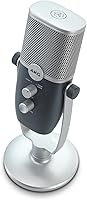
The AKG Ara USB-C Condenser Microphone is a dual-pattern condenser built for home creators who want professional-leaning audio without the complexity of an XLR chain. AKG has been making studio-grade microphones for decades, and that heritage shows in how this mic is tuned — there's a clarity and body to the sound that you don't always expect at this price. Plug it into a Mac, PC, or even an Android phone via USB-C and it simply works. No drivers, no audio interface, no fuss. It sits comfortably alongside rivals like the Blue Yeti Nano and HyperX QuadCast S — a genuinely competitive option, though not a substitute for a proper studio mic setup.

Features & Benefits

The Ara microphone's most practical advantage over most single-pattern USB mics is its ability to switch between cardioid and omnidirectional modes. Cardioid focuses tightly on the speaker in front — ideal for solo recording. Flip to omnidirectional and the mic opens up to capture a full room, which works well for small group conversations or tabletop sessions. The 24-bit/96kHz resolution is a genuine step up; audio feels less compressed, with more air and detail compared to standard-resolution USB mics. There's also a 3.5mm headphone jack for zero-latency monitoring, with dedicated gain and volume knobs. The 120dB SPL ceiling means it won't clip on louder vocal performances either.

Best For

This USB-C studio mic punches well above its category for a specific type of buyer. Podcasters and interviewers get reliable, warm cardioid capture without needing to touch a single setting. Streamers and gamers will appreciate how it handles both voice chat and on-screen commentary from one device, without extra hardware cluttering the desk. YouTubers and vloggers get the bonus of genuinely attractive industrial design that looks good on camera. Even remote workers joining video calls will notice the difference right away. It's also a solid first step for home musicians wanting to capture rough vocal or acoustic guitar takes, and Ableton Live 11 Lite is bundled in as a nice bonus for that crowd.

User Feedback

Owners are mostly positive, with warm audio quality and the omnidirectional mode drawing the most praise — that second polar pattern is something cheaper rivals routinely skip. Build quality also holds up consistently; the USB-C connector shows no degradation after months of daily use. On the critical side, the base is noticeably wide and can feel intrusive on a cluttered desk. The included 2-meter cable is also on the short side for some setups. Worth noting: the omnidirectional mode picks up ambient room noise readily, so it needs a quiet space to perform well. Those caveats aside, the overall consensus is that this AKG condenser mic delivers honest value in a crowded category.

Pros

  • Dual polar patterns give genuine recording flexibility that most competing USB mics at this price simply do not offer.
  • 24-bit/96kHz resolution produces noticeably cleaner, more detailed audio compared to entry-level USB microphones.
  • Plug-and-play USB-C setup works immediately on Mac, PC, iOS, and Android — no drivers or interface required.
  • Zero-latency headphone monitoring with dedicated volume and gain controls makes real-time adjustments easy.
  • The 120dB SPL ceiling means it handles louder vocal sources without distorting or clipping.
  • Build quality holds up well over time, with the USB-C connector showing no degradation after extended daily use.
  • Compatible with standard boom arms and mic stands via the included thread adapter, so upgrading your mount later is straightforward.
  • AKG's audio tuning heritage gives this USB-C studio mic a warm, full character that sounds more expensive than it is.
  • Ableton Live 11 Lite is included, adding real software value for anyone interested in light music production.
  • Camera-ready industrial design looks professional on screen, which matters for streamers and video creators.

Cons

  • The base footprint is wide enough to feel intrusive on smaller or cluttered desks.
  • The included cable is only 2 meters long, which is restrictive if your computer is not close to your recording spot.
  • Omnidirectional mode picks up ambient room noise readily, making it unreliable in untreated or noisy environments.
  • On-mic controls are limited — no mute button on the mic body is a frustrating omission for live streamers.
  • Cardioid pattern, while solid, does not fully reject off-axis noise the way a higher-end large-diaphragm mic would.
  • No onboard LED indicator to confirm mute or active status, which adds uncertainty during live recordings.
  • The Ara microphone offers no companion software for EQ or polar pattern adjustment beyond the physical switch.

Ratings

Our AI-driven score for the AKG Ara USB-C Condenser Microphone was built by analyzing thousands of verified global buyer reviews, with spam, bot submissions, and incentivized feedback actively filtered out before any scoring took place. The result reflects an honest, balanced picture — genuine strengths are recognized, but recurring frustrations are weighted into each category just as transparently. Whether this mic fits your workflow or falls short depends heavily on your specific setup, and these scores are designed to help you figure that out quickly.

Audio Quality
83%
Buyers upgrading from built-in laptop mics or cheap headset microphones consistently describe the sound as noticeably warmer and more detailed than they expected at this price. The 24-bit/96kHz resolution comes through in practice — vocal recordings carry real body and presence that holds up well in edited podcast episodes and YouTube uploads.
Against proper XLR condenser microphones in a treated space, the limitations of the USB signal chain become apparent, particularly in the upper frequency detail and stereo imaging. Audiophiles or home producers who have used higher-end gear will notice the ceiling fairly quickly.
Polar Pattern Flexibility
88%
Having both cardioid and omnidirectional modes on a USB mic in this price range is genuinely uncommon, and buyers notice. Solo podcasters rely on cardioid for clean voice isolation, while small group recording sessions or tabletop game nights benefit from flipping to omnidirectional and letting the mic open up naturally.
The omnidirectional mode, while versatile in concept, is punishing in untreated rooms — HVAC noise, keyboard clatter, and ambient hum all come through clearly. Users in home offices without acoustic treatment find the mode frustrating rather than freeing, which limits its real-world utility for many buyers.
Ease of Setup
92%
Nearly every reviewer mentions how fast the setup process is — plug in the USB-C cable, and it works immediately on Mac, Windows, iOS, and Android without installing anything. For buyers who have never dealt with audio interfaces or driver conflicts before, this reliability is a meaningful advantage.
The physical polar pattern switch is small and easy to accidentally nudge during cable adjustments or desk reorganization, and there is no software indicator to confirm which mode is currently active. A few users have unknowingly recorded sessions in the wrong pattern as a result.
Build Quality
79%
21%
Long-term owners report that the USB-C connector and the overall chassis hold up well after months of daily desk use, with no loosening or structural cracking reported in the majority of reviews. The weight distribution feels intentional and stable during normal desktop operation.
The integrated base, while functional, feels slightly plasticky compared to the metal accents on the mic body itself, creating an inconsistency in perceived quality. A small number of users noted minor surface scuffing appearing sooner than expected with regular repositioning.
Value for Money
86%
Relative to what competing USB mics offer at a similar price point, the combination of dual polar patterns, 24-bit/96kHz resolution, and zero-latency monitoring makes the Ara microphone feel like a well-rounded package. The bundled Ableton Live 11 Lite registration adds software value that most rivals simply do not include.
A handful of buyers felt the cable length and the absence of a physical mute button were corners cut to hit the price point, and those omissions feel more noticeable once the mic is in daily use. At this tier, every missing feature is felt more acutely than it would be on a pricier unit.
Noise Rejection
67%
33%
In cardioid mode with the mic positioned correctly — close to the mouth, gain set conservatively — background noise rejection is solid for a USB condenser, and most streamers and podcasters in quiet rooms find it more than adequate for clean voice capture.
This USB-C studio mic is a condenser at its core, meaning it is inherently sensitive to room sound in ways that dynamic USB mics are not. Buyers in noisy apartments or shared office spaces consistently report audible background pickup, and without a physical pop filter included, plosive handling requires extra care.
On-Mic Controls
58%
42%
Having dedicated hardware knobs for headphone volume and mic gain on the unit itself is more convenient than digging into operating system audio settings mid-session, and most users appreciate the tactile adjustment without needing to touch their computer.
The lack of a dedicated mute button on the microphone body is the most commonly cited control complaint, particularly among streamers who need to cut audio instantly during live sessions. Tap-to-mute has become a standard feature on competing mics, and its absence here feels like a notable gap.
Desktop Footprint
62%
38%
The integrated base stand keeps the mic upright and stable without any additional hardware, which is genuinely convenient for buyers who do not yet own a boom arm or desk clamp. The design is self-contained and requires no assembly.
The base is wide enough to crowd a compact desk meaningfully, especially when positioned alongside a keyboard, monitor stand, and other peripherals. Several reviewers with smaller workspaces either upgraded to a boom arm quickly or found themselves rearranging their desk layout to accommodate it.
Monitoring Experience
81%
19%
Zero-latency direct monitoring via the 3.5mm output is a genuinely useful feature during vocal recording — hearing yourself in real time without the slightly disorienting delay that software monitoring introduces makes it easier to deliver a natural performance.
The headphone output power is modest at 16 ohms, meaning it drives standard earbuds and typical consumer headphones well but may feel underpowered with higher-impedance studio headphones. Users expecting to monitor through a pair of open-back 250-ohm headphones may find the output volume insufficient.
Mounting Versatility
77%
23%
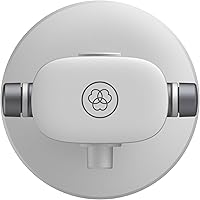
Including a 3/8″ to 5/8″ thread adapter in the box means the Ara microphone works with the vast majority of desktop boom arms and floor stands without any additional purchases, which is more thoughtful than some competitors who ship adapters separately.
The mic body's mounting thread is positioned in a way that can make cable management slightly awkward when used on a side-clamping boom arm, with the USB-C cable pulling at an angle that puts minor stress on the connector over time if not managed carefully.
Compatibility
91%
Cross-platform compatibility is genuinely broad — Mac, Windows, iOS, and Android all recognize the mic immediately without any driver installation, which is a practical advantage for buyers who work across multiple devices or switch between platforms regularly.
USB 2.0 is the communication standard, and while it is more than sufficient for the mic's audio bandwidth, buyers on systems with exclusively USB-C ports will need an adapter or a separate cable since the included cable terminates in USB-A.
Aesthetic Design
84%
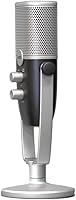
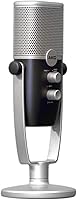
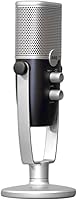
The blue and silver colorway photographs well, and the relatively compact capsule housing looks noticeably more professional on camera than the bulbous shapes of some competing USB mics. YouTubers and streamers with visible desk setups consistently mention appreciating this.
Color options are limited to the single blue and silver variant, which may not complement every desk aesthetic. Users building an all-black or all-white setup often note that the mic stands out in ways they did not fully anticipate from product photos.
Cable & Accessories
54%
46%
The included 2-meter USB-C to USB-A cable is well-constructed and feels durable, and the thread adapter for stand mounting is a genuinely useful inclusion that saves an immediate secondary purchase for users who already own a mic stand.
Two meters is simply not enough reach for many real-world desk configurations, particularly when the computer tower or USB hub is on the floor or across the desk. This is the single most common practical complaint from buyers, and a 3-meter cable would have addressed it without meaningful added cost.

Suitable for:

The AKG Ara USB-C Condenser Microphone is a strong match for anyone who wants noticeably better audio without the learning curve of a full recording setup. Podcasters recording solo or with one guest will get clean, warm capture straight out of the box — just plug in and record. Streamers and gamers benefit from the single-device convenience: one mic handles in-game chat and on-screen commentary without requiring a mixer or interface. YouTubers and video bloggers get the added bonus of a mic that actually looks good on camera, which matters more than people admit. Remote workers tired of sounding hollow on video calls will notice an immediate improvement. Even beginner home musicians can use it credibly for rough vocal or acoustic demos, especially with Ableton Live 11 Lite included in the box.

Not suitable for:

The AKG Ara USB-C Condenser Microphone is not the right call for buyers with professional production demands or those already invested in an XLR signal chain. If you record in an untreated room with background noise — fans, air conditioning, street traffic — the omnidirectional mode in particular will expose every bit of it, making that feature much less useful in practice. Podcasters running multi-guest roundtables with four or more participants will find even an open-pattern USB mic limiting compared to dedicated multi-input solutions. Seasoned audio engineers or musicians laying down tracks for serious release will want higher-grade equipment with more granular control. The base footprint is also physically wide, so buyers with very compact desk setups may find it awkward to position comfortably alongside other gear.

Specifications

  • Polar Patterns: The microphone supports two selectable capture modes: cardioid (front-facing) and omnidirectional (all-around), switchable directly on the unit.
  • Sample Rate: Audio is recorded at 24-bit depth and a 96kHz sample rate, offering noticeably higher resolution than the 16-bit/48kHz standard found on many entry-level USB microphones.
  • Frequency Response: The microphone captures the full audible spectrum from 20Hz to 20kHz, covering everything from deep bass to the highest vocal harmonics.
  • Max SPL: The microphone handles sound pressure levels up to 120dB SPL at 0.5% THD, making it capable of recording louder sources without audible distortion.
  • Signal-to-Noise Ratio: The USB input signal-to-noise ratio measures 91dB, indicating a very low noise floor for a USB condenser microphone in this category.
  • Transducer Type: Two fixed-charge back plate, permanently polarized condenser capsules are used to provide the dual polar pattern functionality.
  • Connection: The microphone connects via USB-C to USB-A using the included 2-meter cable and communicates over USB 2.0.
  • Headphone Output: A 3.5mm headphone jack on the microphone body enables zero-latency direct monitoring with independent output volume control.
  • Output Impedance: The headphone output impedance is rated at 16 ohms, compatible with standard consumer headphones.
  • Power Draw: The microphone is bus-powered over USB at 5V and draws 75mA, requiring no external power supply or batteries.
  • Output THD: Total harmonic distortion measures 0.03% via USB input and 0.35% via acoustic input at 94dBfs, indicating clean signal reproduction.
  • Dimensions: The unit measures 7.3 x 9.02 x 4.5 inches including the integrated base stand.
  • Cable Length: A 2-meter USB-C to USB-A cable is included in the box.
  • Mount Adapter: A 3/8″ to 5/8″ threaded microphone stand adapter is included, enabling use with standard boom arms and mic stands.
  • Platform Support: The microphone is plug-and-play compatible with Mac, Windows PC, iOS tablets and phones, and Android tablets and phones — no drivers required.
  • Included Software: A registration card for Ableton Live 11 Lite is included, providing access to a capable entry-level digital audio workstation at no additional cost.
  • In The Box: Package contents include the Ara microphone, 2-meter USB-C to USB-A cable, 3/8″ to 5/8″ stand adapter, Ableton Live 11 Lite registration card, quick start guide, and regulatory documents.

Related Reviews
AKG Lyra USB Microphone

84%
88%
Audio Quality & Clarity
93%
Build Quality & Design
89%
Ease of Setup (Plug-and-Play)
64%
Background Noise Rejection
91%
Software & Ecosystem Value
More
AKG C451 B Small-Diaphragm Condenser Microphone
84%
91%
Sound Quality
89%
High-Frequency Detail
88%
Transient Response
93%
Build Quality
64%
Value for Money
More
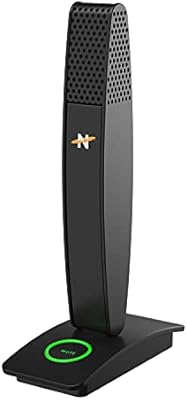
Neat Microphones Skyline USB Desktop Condenser Microphone

89%
94%
Audio Quality
91%
Ease of Use
89%
Build Quality
90%
Mute Button Functionality
92%
Value for Money
More
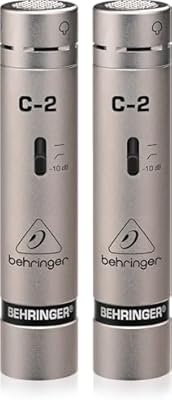
AKG C1000S Small-Diaphragm Condenser Microphone
78%
88%
Build Quality
74%
Sound Quality
83%
Versatility
81%
Battery Power
71%
Value for Money
More
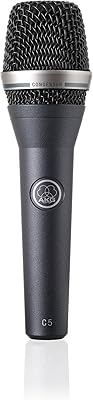
AKG C5 Condenser Vocal Microphone
79%
88%
Sound Clarity
86%
Feedback Rejection
83%
Build Quality
81%
Handling Noise
78%
Plosive Control
More
Thronmax M8 Pulse USB Condenser Microphone
71%
74%
Audio Clarity
61%
Noise Rejection
58%
Build Quality
89%
Portability
93%
Ease of Setup
More
AKG P120 Condenser Microphone
78%
88%
Sound Clarity
84%
Value for Money
74%
Build Quality
61%
Room Sensitivity
79%
Ease of Setup
More
Elgato Wave Neo
Elgato Wave Neo
80%
88%
Audio Quality
96%
Ease of Setup
91%
Mute Button & LED Indicator
67%
Build Quality & Materials
83%
Stand & Positioning Design
More
Elgato Wave:3
Elgato Wave:3
86%
94%
Software Ecosystem
97%
Audio Distortion Prevention
68%
Build Quality & Materials
91%
Ease of Setup
88%
Voice Clarity & Sound Quality
More
AMOOX BM-800
AMOOX BM-800
74%
88%
Value for Money
71%
Audio Quality
93%
Ease of Setup
74%
Build Quality
66%
Noise Isolation
More

FAQ

No, the AKG Ara USB-C Condenser Microphone is completely plug-and-play. You connect it directly to your computer or compatible mobile device via the included USB-C cable and it is recognized immediately — no interface, no drivers, and no additional hardware needed.

Yes. The Ara microphone works with iOS and Android tablets and phones, though you may need a USB-C to USB-C cable or an appropriate adapter depending on your device's port. The included cable is USB-C to USB-A, so check your phone's port before assuming it works out of the box.

Cardioid mode picks up sound primarily from directly in front of the mic, which makes it the right choice for solo podcasting, gaming, streaming, or any situation where you want to minimize background noise. Omnidirectional mode captures sound from all directions equally, which is useful for recording a small group conversation or a roundtable discussion — but it does require a quiet, treated space to sound its best.

It can, yes. Omnidirectional capture is inherently less selective, so any ambient sound in the room — fans, air conditioning, keyboard noise, or street traffic — will be picked up along with your voice. If your recording environment is not reasonably quiet, cardioid mode will serve you much better in everyday use.

Yes. This USB-C studio mic has a 3.5mm headphone jack on the body that provides zero-latency direct monitoring. You hear exactly what the mic is picking up with no perceptible delay, which is useful when recording vocals or tracking any live source.

There is a physical switch on the microphone body that toggles between the front-only (cardioid) and front-and-back (omnidirectional) capture modes. It is a simple mechanical toggle — no software or menu navigation required.

Yes. The Ara microphone includes a 3/8″ to 5/8″ threaded adapter in the box, so it is compatible with most standard desktop boom arms and floor stands right out of the box. The integrated base stand it ships with is also solid enough for simple desktop use without any additional mounting hardware.

All three are USB condenser mics in a similar price range, and the differences are subtle. The Ara microphone has a slight edge in raw audio resolution at 24-bit/96kHz and carries AKG's professional tuning heritage. The Blue Yeti Nano is more compact but single-pattern only, while the QuadCast S adds RGB lighting and a tap-to-mute feature. If you prioritize audio quality and pattern flexibility over aesthetics, the Ara holds its own well against both.

Yes, and real-world feedback backs that up. Long-term owners consistently report that the USB-C connector and overall construction hold up well after months of regular use, with no reported issues around port looseness or housing degradation. It feels solid for the price tier.

The 2-meter USB-C to USB-A cable is enough for most standard desk setups, but it can feel limiting if your computer tower is further away or if you are running a cable behind a monitor setup. A standard USB-C extension cable works as a straightforward fix and is widely available at low cost if you need extra length.

Where to Buy