Overview

The CAD Audio U37 USB Condenser Microphone has been a fixture in the budget recording space since 2008 — a rare stretch of staying power in a market where cheaper options come and go every few months. That kind of longevity says something. This isn't a mic that promises the world; it's a solid, honest entry point for anyone stepping up from a laptop's built-in audio for the first time. Plug it into a USB port, select it as your input, and you're recording — no drivers, no fuss. The champagne finish looks decent on a desk, and the included stand means you can start right away.
Features & Benefits

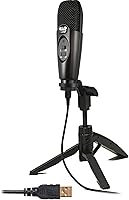
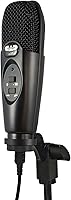
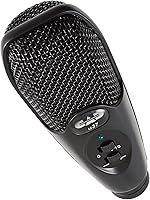
The CAD U37 uses a large-diaphragm condenser capsule, which matters more than most buyers realize at this price point. Smaller capsules — common in cheaper USB mics — tend to sound thin and brittle on vocals. Here, you get a noticeably warmer tone that holds up well for singing, narration, and acoustic instruments. The cardioid pattern does a decent job of rejecting noise from behind and to the sides, though it's not magic — a noisy room is still a noisy room. Two onboard switches add real utility: a bass roll-off trims low-frequency hum from fans or traffic, and a -10 dB pad protects against clipping when you're recording something loud.

Best For

This USB condenser punches above its weight for a specific kind of buyer: someone just getting started who doesn't want to invest in a separate audio interface yet. If you're launching a podcast, recording vocal demos, doing voice-over work, or simply want to sound sharper on video calls and streams, the CAD U37 fits the bill without asking much in return. Students in remote learning situations have found it a clear upgrade over built-in laptop audio. Bedroom producers on a tight budget can lay down decent vocal or acoustic tracks with it too. Where it starts to feel limited is for users chasing professional-grade output or working in echo-prone, untreated rooms.

User Feedback

Across thousands of reviews, the picture is pretty consistent. People who pick up this budget studio mic for podcasting, home vocals, or remote work tend to come away satisfied — the warm tone and immediate ease of setup earn consistent praise. That said, a few honest patterns stand out. The mic picks up room echo more readily than some buyers expect; if your space is bare and boxy, you'll hear it. The included desktop stand is functional but feels lightweight, and many users eventually swap it for a boom arm. A handful of long-term owners also note that the USB connection can loosen with heavy daily use. Overall, a 4.3-star rating across more than 3,500 buyers speaks for itself.

Pros

  • Warm, full-bodied vocal tone that stands out clearly against cheaper small-capsule USB competitors.
  • True plug-and-play setup — no drivers, no interface, no configuration required on Windows or Mac.
  • Large-diaphragm condenser capsule delivers noticeably richer audio than most mics at this price point.
  • Onboard bass roll-off switch helps tame low-frequency room noise without touching your software.
  • The -10 dB pad switch prevents clipping when recording louder sources like acoustic guitar or projected vocals.
  • Works reliably across operating system updates — a track record built over more than 15 years on the market.
  • Includes a desktop stand so you can start recording straight out of the box.
  • Cardioid polar pattern reduces pickup from sides and rear, helping isolate the intended sound source.
  • Over 3,500 verified buyer reviews with a 4.3-star average reflects consistent satisfaction across a wide range of users.
  • The champagne finish looks clean on camera — a small but real advantage for streamers and video podcasters.

Cons

  • Highly sensitive to room acoustics — bare, reflective spaces will expose echo problems quickly.
  • No onboard gain control, forcing all input-level adjustments to happen inside recording software.
  • No real-time headphone monitoring jack, which is a genuine drawback for singers tracking vocals.
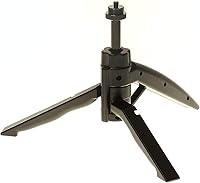
  • The included desktop stand is flimsy and prone to tipping, especially with a cable pulling at an angle.
  • The USB port connection can loosen over time with frequent daily plug-and-unplug use.
  • No iOS or Android compatibility, ruling it out entirely for mobile recording workflows.
  • The pad and bass roll-off are binary toggles with no variable control, limiting fine-tuned adjustments.
  • Self-noise becomes more audible when recording very quiet sources, requiring noise reduction in post.
  • No color options beyond champagne, which clashes with darker or RGB-heavy desktop aesthetics.
  • Users who outgrow basic recording needs will likely need to upgrade sooner than expected.

Ratings

The scores below for the CAD Audio U37 USB Condenser Microphone were generated by our AI system after analyzing thousands of verified global user reviews, with spam, bot activity, and incentivized feedback actively filtered out. The result is an honest, weighted picture of how real buyers — podcasters, home singers, streamers, and students — actually experience this mic day to day. Both the genuine strengths and the recurring frustrations are reflected here without softening either side.
Audio Clarity
78%
22%
For a USB mic at this price, the large-diaphragm capsule produces a noticeably warmer, fuller sound than the thin output most people are used to from laptop mics. Podcasters and voice-over beginners consistently report that their recordings sound professional enough to publish without heavy post-processing.
Clarity drops off in untreated rooms — parallel walls and bare floors introduce echo that the cardioid pattern alone cannot fix. Buyers coming from any experience with proper studio condensers will notice a ceiling in detail retrieval, particularly on sibilant consonants and high-frequency instrument harmonics.
Ease of Setup
96%
Plug it in, select it as the input device, and you are recording within 60 seconds on both Windows and macOS — no drivers, no firmware, no configuration headaches. This frictionless experience is the single most praised aspect across thousands of reviews, especially among first-time mic buyers.
The simplicity is also a limitation for users who want fine-grained hardware control. There is no onboard gain knob or headphone monitoring jack, so adjustments have to happen entirely inside recording software, which can frustrate beginners who are still learning their DAW or podcast app.
Noise Rejection
67%
33%
The cardioid polar pattern does a reasonable job of pushing back on ambient noise from the sides and rear — air conditioning hum, a TV in the next room, or a fan running nearby gets noticeably reduced compared to omnidirectional mics. The bass roll-off switch adds another practical layer of defense against low-frequency rumble.
The mic is genuinely sensitive to room acoustics, and this trips up more buyers than any other single issue. In live-in spaces with hard surfaces and no acoustic treatment, room reflections bleed into recordings clearly enough to distract listeners. It is not the mic for an echoey apartment bedroom without some foam panels or heavy curtains nearby.
Value for Money
88%
Measured against what you actually get — a large-diaphragm condenser, two functional onboard switches, a desktop stand, and cross-platform plug-and-play compatibility — the value proposition at this price tier is hard to argue with. Most comparable USB mics at the same price use smaller capsules and deliver noticeably thinner sound.
Buyers who stretch their budget slightly further have access to options with headphone monitoring, gain control, and better build quality. If the CAD U37 is already close to the upper edge of someone's budget, those missing features can start to sting once they outgrow the basics.
Build Quality
61%
39%
The mic body itself feels reasonably solid in hand — the metal grille and overall construction are sturdier than many plastic-heavy competitors at this price. The champagne finish looks clean on a desk setup and gives it a more considered appearance than the all-black utilitarian look common in budget USB mics.
The included desktop stand is the weak link that almost every long-term owner mentions. It feels lightweight and tips more easily than it should, particularly when a heavier USB cable is plugged in at an angle. A meaningful subset of users also report the USB port connection loosening after months of daily plug-and-unplug cycles.
Vocal Performance
81%
19%
Singing and spoken word are where this USB condenser earns its reputation. The large-diaphragm capsule gives vocals body that holds up well for demo recordings, YouTube narration, and podcast dialogue. Reviewers regularly note that their voice sounds recognizably like themselves — not processed or artificially compressed.
Dynamic range handling has limits, and louder vocal performances — belting singers or animated storytellers — can push the mic toward harshness unless the -10 dB pad is engaged. Getting that balance right takes some trial and error, especially for users who are new to gain staging.
Instrument Recording
69%
31%
Acoustic guitar, ukulele, and light percussion come through with enough warmth and detail for home demos and reference tracks. Bedroom producers use it regularly as a scratch track mic, and for that purpose it performs well above what its price tag implies.
It struggles with louder or more complex sound sources — full-band recording situations, brass instruments, or drum overheads quickly expose the mic's dynamic limitations. The single cardioid pattern also means there is no stereo recording option, which limits creative flexibility for instrument work.
Compatibility
93%
Works out of the box on Windows and macOS with zero installation, and has been doing so reliably across operating system updates for well over a decade. Chromebook and some Linux distributions also recognize it without issues, which gives it a broader reach than many budget competitors.
There is no iOS or Android compatibility, which matters more now than it did when this mic launched. Mobile podcasters and content creators recording on tablets or smartphones are completely out of luck, and that is an increasingly relevant limitation as mobile content production grows.
Overload Protection
76%
24%
The -10 dB pad switch is a genuinely useful inclusion that many competing mics at this price skip entirely. Users recording louder sources — an acoustic guitar strummed hard, or a voice that naturally projects — find it saves recordings from clipping without having to reach into software settings mid-session.
The switch is a binary toggle rather than a variable pad, so there is no middle ground between full sensitivity and the full 10 dB reduction. Some users find the 10 dB drop is too aggressive for moderate sources, leaving them stuck choosing between a slightly hot signal and a noticeably quieter one.
Low-Frequency Control
74%
26%
The onboard bass roll-off switch is a practical feature for anyone recording in a room with HVAC noise, traffic rumble, or a computer fan sitting nearby. Engaging it takes a real edge off the low-end muddiness that condenser mics often pick up in non-studio environments, and many users rely on it as a first line of defense.
Like the pad switch, it is an on-or-off toggle with no variable control, so it can strip more low end than some voices or instruments actually need. Users with naturally deep voices occasionally find the roll-off makes their tone sound slightly thin, requiring EQ correction in post to compensate.
Longevity & Durability
58%
42%
Many buyers have reported using the CAD U37 for several years without performance degradation, and the mic has maintained market relevance since 2008 — an unusual lifespan for a budget audio peripheral. The capsule itself tends to hold its character over time when the mic is stored and handled with reasonable care.
The USB port is a recurring durability concern among long-term daily users. Frequent plugging and unplugging gradually loosens the connection, and once that joint becomes unreliable, the mic is effectively unusable without repair. The desktop stand also shows wear quickly and rarely survives being knocked off a desk intact.
Included Accessories
54%
46%
The bundled desktop stand means buyers can start recording the moment the box is opened — no extra purchase required to get set up. At this price tier, including any stand at all is more than many competitors bother to do, and it serves casual users reasonably well for stationary desk recording.
The stand is the most consistently criticized accessory in user reviews. Its lightweight construction makes it prone to tipping, and its fixed positioning offers no height or angle adjustment. Most users who record regularly for more than a few weeks end up replacing it with a boom arm, which means a hidden additional cost.
Signal-to-Noise Ratio
77%
23%
A 78 dB signal-to-noise ratio is a respectable figure for a USB condenser in this category, translating to recordings that are relatively free of self-noise during quiet passages. Spoken word and vocal-focused recordings benefit most from this, with background hiss staying low enough to avoid being a distraction in final output.
In practice, self-noise becomes more noticeable when recording very quiet sources — fingerpicked guitar, soft speech, or ambient sound design. Post-production noise reduction can clean it up, but it does add a step that users of cleaner, more expensive condensers do not have to deal with.
Aesthetics & Desk Presence
72%
28%
The champagne finish stands out in a sea of matte-black budget mics and gives the CAD U37 a slightly more premium appearance on camera — relevant for video podcasters and streamers who care about how their setup looks on screen. The proportions are solid and it sits confidently on a desk without looking out of place.
The champagne color, while distinctive, does not appeal to everyone and can look slightly dated against more modern all-black or RGB-accented streaming setups. There are no alternative color options, so buyers stuck on aesthetics have to take it or leave it.

Suitable for:

The CAD Audio U37 USB Condenser Microphone was built for people who are just crossing the threshold from casual audio into intentional recording — and for that audience, it delivers where it counts. If you are launching a podcast from your home office, recording vocal demos in a bedroom, or simply trying to sound clear and present on YouTube videos and Zoom calls, this USB condenser fits the bill without demanding much from you technically. Students who want sharper audio for remote learning or presentations will notice an immediate improvement over any built-in microphone. Streamers on entry-level setups who need something that just works — no audio interface, no driver installation, no learning curve — will appreciate how quickly this mic gets out of its own way. It also suits bedroom producers who want to track acoustic guitar or lay down vocal reference takes without committing to an XLR signal chain. If your room has carpet, curtains, bookshelves, or a couch nearby to absorb some reflections, you will get the most out of what this mic can do.
Not suitable for:

The CAD Audio U37 USB Condenser Microphone has real limitations that make it a poor fit for certain buyers, and it is worth being direct about them. If you record in a bare, echo-prone room — think hard floors, white walls, and little furniture — this mic will pick up every reflection and make your audio sound like it was recorded in a stairwell, regardless of how good your voice is. Anyone with professional audio ambitions — voice actors building a demo reel for agency submission, musicians recording tracks intended for commercial release, or broadcast professionals — will hit the ceiling of this mic quickly and find themselves shopping for an upgrade within months. It also lacks onboard headphone monitoring, which means you cannot listen to yourself in real time while recording without routing audio back through software — a meaningful limitation for singers who rely on that feedback to stay on pitch. Users who record daily and frequently connect and disconnect the mic should be aware that the USB port connection has a known tendency to loosen with heavy use over time. And if you need mobile compatibility for recording on a tablet or smartphone, this mic simply will not work.
Specifications

  • Microphone Type: Large-diaphragm condenser microphone with USB connectivity, designed for direct computer recording without an audio interface.
  • Polar Pattern: Cardioid (unidirectional) pickup pattern that focuses on sound originating from the front and attenuates sound from the sides and rear.
  • Connectivity: Standard USB-A connection, bus-powered directly from the host computer with no external power supply required.
  • Compatibility: Fully plug-and-play on Windows and macOS operating systems with no driver installation or software configuration needed.
  • Frequency Response: Extended frequency response reaching up to 20,000 Hz, covering the full audible spectrum for vocals and acoustic instruments.
  • Signal-to-Noise Ratio: 78 dB signal-to-noise ratio, providing a relatively quiet background floor suitable for vocal recording and speech applications.
  • Audio Sensitivity: 10 dB audio sensitivity, calibrated to capture a wide range of vocal and instrument sources at typical home recording distances.
  • Pad Switch: Onboard -10 dB overload protection switch that reduces input sensitivity to prevent clipping when recording loud sound sources.
  • Bass Roll-Off Switch: Dedicated low-frequency roll-off switch that reduces low-end rumble from environmental sources such as HVAC systems and traffic noise.
  • Dimensions: The complete packaged unit measures 9 x 12 x 4 inches, with the microphone itself being a desktop-sized condenser form factor.
  • Weight: The unit weighs 1.5 pounds, making it stable enough for desktop use while remaining light enough for repositioning without difficulty.
  • Color Finish: Champagne finish across the microphone body and grille, distinguishing it visually from the all-black aesthetic common in budget USB microphones.
  • Included Accessories: Ships with a lightweight desktop microphone stand that allows for immediate use without requiring a separate stand purchase.
  • Number of Channels: Single-channel (mono) recording only, capturing one audio source at a time with no stereo recording capability.
  • Channels & Output: Outputs a single mono USB audio stream recognized as a standard input device by all major recording software and communication applications.
  • Market Availability: Has been continuously available since June 2008, with no discontinuation by the manufacturer as of the most recent product listing data.
  • Best Sellers Rank: Ranked #453 in Condenser Microphones and #18,158 overall in Musical Instruments, reflecting sustained commercial relevance in a competitive category.
  • Manufacturer: Designed and manufactured by CAD Microphones, a U.S.-based audio brand with a history spanning professional and consumer microphone products.
  • Model Identifier: Officially designated model number AMS-U37, with ASIN B001AIQGUO on Amazon and UPC 631922107333 for retail identification.
  • Power Source: Corded electric operation via USB bus power — no batteries, phantom power supply, or external power adapter required for operation.

Related Reviews

CAD Audio M179 Condenser Microphone
85%
88%
Sound Quality
82%
Build Quality
91%
Polar Pattern Versatility
85%
Noise Reduction (Pop Filter)
87%
Ease of Use
More
CAD Audio U29 USB Studio Microphone
85%
87%
Sound Quality
92%
Ease of Setup
89%
Build Quality
84%
Portability
85%
Noise Reduction
More
Audio-Technica AT2020USB+ Cardioid Condenser USB Microphone
87%
92%
Audio Quality
88%
Ease of Use
85%
Noise Isolation
87%
Build Quality
90%
Value for Money
More
Audio-Technica ATR4697-USB
74%
93%
Ease of Setup
76%
Voice Clarity
44%
Noise Rejection
61%
Build Quality
78%
Value for Money
More
Audio-Technica ATR4750-USB Omni Condenser Microphone
85%
88%
Sound Quality
92%
Ease of Setup
85%
Build Quality
75%
Background Noise Sensitivity
90%
Compatibility with Devices
More
Elgato Pro Audio Transparency Set USB Condenser Microphone
85%
91%
Sound Clarity
85%
Ease of Setup
88%
Build Quality
90%
Noise Reduction
82%
Software Integration
More
CAD Audio E70 Small Diaphragm Cardioid Condenser Microphone
87%
91%
Sound Quality
94%
Clarity & Sensitivity
88%
Versatility of Polar Patterns
85%
Build Quality
87%
Ease of Use
More
Neat Microphones Skyline USB Desktop Condenser Microphone
89%
94%
Audio Quality
91%
Ease of Use
89%
Build Quality
90%
Mute Button Functionality
92%
Value for Money
More
CAD Audio TSM411 Dynamic Microphone
85%
88%
Sound Quality
91%
Build Quality
92%
Value for Money
85%
Ease of Use
87%
Noise Rejection
More
Audio-Technica AT875R
83%
93%
Sound Rejection
94%
Form Factor & Compactness
88%
Vocal Clarity
82%
Handling Noise Reduction
86%
Build Quality & Durability
More

FAQ

No, not at all. The CAD Audio U37 USB Condenser Microphone is fully plug-and-play on both Windows and macOS. Just plug it into a USB port, go into your recording app or system settings, select it as your input device, and you are ready to record. No driver downloads, no installation wizards.
It works on both. The CAD U37 is fully compatible with macOS and Windows right out of the box. It shows up as a standard USB audio device on both operating systems, so your Mac, PC, or even most Chromebooks will recognize it without any fuss.

The bass roll-off switch cuts low-frequency rumble from your recordings — things like the hum of an air conditioner, a fan running nearby, or vibrations from traffic outside. Whether you need it depends on your environment. If your room is quiet and isolated, you may not need it at all. But if you are in a typical apartment or home office with background noise, flipping it on can make a noticeable difference in how clean your recordings sound.

Almost certainly not — this is a room acoustics issue, not a hardware fault. Condenser microphones, including this one, are sensitive enough to pick up reflections off hard surfaces like bare walls, hardwood floors, and empty desks. Try recording in a room with carpet, curtains, bookshelves, or a couch nearby. Even hanging a blanket behind you can make a significant difference. The mic is working as designed; the room is the variable.

Not directly through the mic itself — the CAD U37 does not have an onboard headphone jack for zero-latency monitoring. You can still hear yourself by routing the audio back through your recording software, but there will be a small delay. For singers or voice-over artists who rely on real-time feedback, this is worth knowing before you buy.

The included stand is fine for casual use — it gets you recording immediately without spending extra money. That said, it is on the lightweight side and can tip if the USB cable pulls at an awkward angle. If you plan to use this mic daily for podcasting, streaming, or music recording, most regular users eventually upgrade to an adjustable boom arm for better stability and positioning flexibility.

The pad switch reduces the mic's input sensitivity by 10 dB, which helps prevent audio clipping when you are recording something loud — like an acoustic guitar strummed hard, a singer with a powerful voice, or any source that tends to peak your recording levels into distortion. If your recordings are clipping or sounding harsh at the peaks, try engaging the pad switch before adjusting anything in software.

No, this USB condenser is not compatible with iOS or Android devices. It requires a standard USB-A connection to a computer running Windows or macOS. If mobile recording is important to you, you would need a different mic specifically designed with Lightning, USB-C, or TRRS connectivity for mobile devices.

Unfortunately, this is a known issue that a small but vocal group of long-term users have reported. Frequent plugging and unplugging of the USB cable gradually wears on the port connection, and over time it can become unreliable. If you leave the mic set up permanently at your desk and do not disconnect it daily, the connection tends to hold up much better. If looseness has already progressed to the point of dropped signal, contacting CAD Audio directly about a warranty claim is the recommended next step.

The difference is substantial and immediately noticeable. Built-in laptop microphones are omnidirectional, pick up keyboard noise, fan hum, and room reverb from all directions, and produce thin, distant-sounding audio. This budget studio mic uses a large-diaphragm condenser capsule with a focused cardioid pattern, which means your voice sounds warmer, closer, and cleaner right from the first recording. For anyone who has been tolerating a built-in mic for calls, podcasts, or content creation, the upgrade is hard to miss.

Where to Buy