Overview

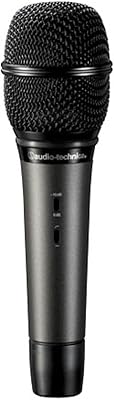
The Audio-Technica ATR2100x-USB Cardioid Dynamic Microphone sits in an interesting spot — it's not trying to be the flashiest mic on the shelf, but it quietly does something few competitors at this price point bother with: it gives you both USB-C and XLR outputs in one all-metal body. Audio-Technica has been building microphones for professional and prosumer markets for decades, and that credibility shows in the build quality alone. This is a voice-forward dynamic mic — ideal for spoken word, podcasting, and streaming — not a condenser replacement for capturing acoustic instruments or room ambiance. Set your expectations accordingly, and it'll likely exceed them.
Features & Benefits

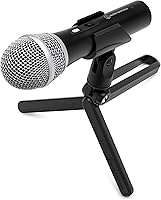
The dual-output design is the real story here. Plug into a laptop via USB-C for instant plug-and-play recording, or connect through XLR when you're ready to run through a mixer or audio interface — the ATR2100x-USB handles both without any compromise. The onboard A/D converter runs at up to 192kHz, which means your voice recordings have plenty of headroom for editing, though in practice most podcast listeners won't hear the difference between 48kHz and 192kHz. What many buyers genuinely appreciate is the built-in headphone jack — monitoring your own voice in real time, with no perceptible delay, removes one of the most common frustrations beginners face. The included cable bundle and folding desk stand mean you're ready to record straight out of the box.

Best For

This dynamic mic is a strong fit for podcasters and voice-over artists who want decent audio quality without buying a separate interface upfront. The cardioid polar pattern does a solid job rejecting keyboard clicks, HVAC hum, and other ambient noise that plagues home setups — useful if you're not recording in a treated space. Streamers will appreciate the straightforward USB connection and the on/off switch. One underappreciated angle: this dual-output microphone is a genuinely good starter mic for someone who knows they'll eventually move to an XLR chain. You use USB now, graduate to XLR later — the mic survives the transition. That said, it's not the right tool for recording guitar cabinets, room sound, or anything needing a wide, open frequency capture.

User Feedback

With a 4.3-out-of-5 rating across nearly 1,900 reviews, the ATR2100x-USB has a broad, satisfied user base — not just a handful of enthusiasts giving it perfect scores. The most consistent praise centers on natural voice reproduction and the flexibility of having two output options in a single body. Criticism is real too, and worth knowing: on USB alone, the mic's gain output can feel underwhelming, particularly for quieter speakers. You may find yourself boosting significantly in software. A few users also flag that the included tripod stand is stable enough for desk use but not built for heavy-handed setups — a boom arm is a worthwhile addition down the line. Neither issue is a dealbreaker, but they're worth factoring in.

Pros

  • Dual USB-C and XLR outputs give you genuine flexibility across beginner and intermediate recording setups.
  • All-metal construction feels noticeably more durable than plastic-bodied competitors in this price range.
  • Plug-and-play USB-C operation works on both Windows and Mac with no driver installation needed.
  • The built-in headphone jack with volume dial allows real-time voice monitoring without any extra hardware.
  • Cardioid pickup pattern naturally rejects side and rear noise, which helps a lot in untreated home spaces.
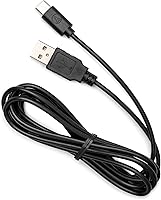
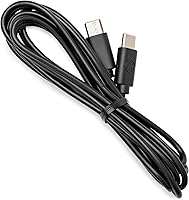
  • Comes complete with two USB cables and a full XLR cable — genuinely ready to record straight out of the box.
  • The on/off switch functions in both USB and XLR modes, a small but practical convenience for live sessions.
  • Audio-Technica's professional audio reputation gives this dynamic mic credibility well above its price class.

Cons

  • USB gain output runs noticeably low, especially for quieter voices — software boosting can introduce unwanted noise.
  • The included tripod stand feels flimsy for daily use; most regular users end up adding a boom arm.
  • No dedicated mute button — the on/off switch works but is not built for fast, mid-session muting.
  • Recording at 192kHz generates large file sizes quickly; easy to overlook if you leave the default setting.
  • No pop filter or shock mount included, so plosives and desk vibrations remain your problem to solve separately.
  • Switching between USB and XLR mid-session means physically swapping cables — there is no instant software toggle.
  • Dynamic microphones demand closer mic positioning than condensers; drifting off-axis noticeably affects voice clarity.

Ratings

Based on AI analysis of verified global buyer reviews for the Audio-Technica ATR2100x-USB Cardioid Dynamic Microphone — with spam, bot-generated feedback, and suspected incentivized reviews actively filtered out — the scores below reflect an honest, balanced picture of real-world ownership across a wide range of use cases. Both the strengths users repeatedly praise and the pain points they consistently return to are transparently represented in every rating category.

Voice Clarity
83%
For podcasters and streamers recording spoken word in typical home environments, the cardioid dynamic capsule delivers a warm, natural voice tone that sounds polished without heavy post-processing. Reviewers consistently describe their recordings as clear and broadcast-ready, which is meaningful praise for a mic at this price tier.
This is a dynamic mic, not a studio condenser, so it won't capture the full tonal range of a singing voice or acoustic instrument with real accuracy. Listeners with more critical ears comparing it directly to higher-end condenser setups will notice the narrower frequency capture and slightly rolled-off high-end detail.
Build Quality
91%
The all-metal body is one of the most frequently praised aspects across the review base — it feels substantial in hand and does not develop the creaks or flex that plague plastic-bodied mics after months of regular use. Multiple users who travel with the mic to remote recording sessions or small live gigs report it holds up without issue.
A small number of long-term users report increased play in the on/off switch toggle after extensive daily use, though this appears to be a minority experience rather than a systematic defect. The threaded stand clamp, while functional, has attracted occasional criticism for feeling slightly less refined than the mic body itself.
Ease of Setup
94%
USB-C operation on this mic is genuinely hassle-free — no driver downloads, no software configuration, and no adjusting sample rate settings before your first recording. Reviewers who switched from more complex setups particularly appreciate being able to open a laptop, plug in the cable, and be recording a podcast episode within two minutes flat.
The XLR path requires slightly more knowledge to set up correctly — gain staging through an audio interface is not intuitive for complete beginners. A handful of users also report initial confusion over which included USB cable to use, though this is minor setup friction rather than a fundamental design problem.
Dual Output Versatility
89%
The ability to switch between USB and XLR without buying a second mic is genuinely valued by users who straddle home studio and occasional live performance. Content creators describe using USB for daily podcast recording at home, then plugging into a venue mixer via XLR for a live show — all with the same unit.
The two outputs cannot operate simultaneously, which is a limitation for users who want to monitor through an interface while also routing a clean USB signal to their computer. Some users expected a software toggle between outputs and were mildly frustrated to discover the switch is purely cable-dependent.
USB Gain Level
57%
43%
In quiet, controlled recording environments with close mic technique — the way most experienced podcasters record — the USB output produces a clean, usable signal at reasonable software gain levels. Users with a naturally resonant speaking voice report few complaints and often get workable levels without any software boost at all.
Quieter voices routinely hit a ceiling on USB: even with input gain maxed in software, recordings can feel thin and require heavy normalization, which introduces noise floor artifacts. This is the single most consistently cited frustration in the review base, and it pushes some users toward an inline preamp or audio interface sooner than budgeted.
Headphone Monitoring
82%
18%
Direct hardware monitoring through the built-in 3.5mm jack is lag-free, which matters more than it might seem — hearing your voice in real time without software delay helps new podcasters and streamers self-correct their delivery naturally. The independent volume dial is easy to reach mid-session without disrupting the recording.
The monitoring signal is fixed at 100% direct mic feed with no blend control to mix in computer playback — something podcasters interviewing remote guests via software would find limiting. Users hoping to hear their DAW output alongside the mic feed will need a separate monitoring solution or a recording app with low-latency playback.
Noise Rejection
86%
The cardioid pattern earns real praise from home recorders in acoustically untreated rooms — users near busy streets or with loud HVAC systems consistently report better ambient rejection than with comparably priced condensers they previously owned. For a home podcaster, that noise reduction translates directly to less cleanup time in post.
The rejection is solid but not impenetrable — very loud or close noise sources like a running appliance or a nearby air conditioning vent can still bleed through noticeably. Close mic positioning is important, as users who record at arm's length significantly reduce the polar pattern's real-world effectiveness.
Value for Money
79%
21%
Compared to a basic USB-only mic at a similar price, the dual-output design — effectively two connectivity options in one unit — represents tangible long-term value. Users who started on USB and later transitioned to an audio interface report feeling vindicated that they did not have to purchase an entirely separate microphone for the upgrade.
The low USB gain issue can push users toward purchasing an inline preamp or audio interface earlier than budgeted, which erodes the initial value proposition somewhat. Buyers evaluating purely on audio quality per dollar — without factoring in dual-output flexibility — may feel a single-output condenser at the same price would have delivered better results.
Included Accessories
73%
27%
The fact that the box contains two USB cables and a full-length XLR cable means most users genuinely do not need to source additional cables before their first recording session. The tripod desk stand, while basic, keeps the mic upright and stable immediately out of the box without any assembly.
The tripod desk stand is the most criticized accessory in user feedback — it is lightweight enough to wobble when the cable is bumped and offers no height or angle adjustment. No pop filter is included, which is a noticeable omission for voice recording applications where plosive management matters from day one.
Long-Term Durability
88%
The metal casing earns consistent praise from users who have kept this mic in daily rotation for two or more years — it does not develop the cosmetic wear, loose joints, or internal rattles that cheaper plastic mics typically show after sustained use. Several reviewers mention dropping it accidentally with no functional consequence.
The included cables are the weakest link in the package — a few users report USB-C cable fraying or connector wear after several months of regular plug-and-unplug cycles. The on/off switch, while solid initially, has attracted scattered reports of a loosening feel after extended high-frequency daily use.
Device Compatibility
87%
Windows and Mac users report flawless, driver-free recognition across a wide range of recording applications — GarageBand, Audacity, Adobe Audition, OBS, Zoom, and Teams all detect it immediately upon connection. The USB OTG compliance also extends usability to select tablets and Android devices beyond standard desktop setups.
Compatibility with iOS devices, particularly older Lightning-port models, requires adapters not included in the box and delivers inconsistent results across apps. Linux users report generally good compatibility but note that sample rate configurations occasionally require manual adjustment depending on the distribution and audio subsystem.
Portability
78%
22%
At 1.61 pounds with a compact handheld form factor, this dynamic mic is genuinely easy to pack for a remote recording session, a field voice-over job, or an on-location podcast. The rugged metal body means it can travel in a bag without special handling or padding to survive the journey.
The tripod desk stand is impractical to carry regularly — it adds bulk and offers no protection for the mic head, so most traveling users leave it home and source a separate clip mount. No carrying pouch or case is included, a noticeable gap for a mic frequently described as suitable for field recording.
Brand Credibility
93%
Audio-Technica's decades of manufacturing professional and prosumer audio gear give buyers meaningful confidence that this is not a brand that will disappear after the warranty window closes. Reviewers frequently mention the brand name as a specific reason they chose this mic over cheaper alternatives from lesser-known manufacturers.
Audio-Technica's customer support is not consistently praised in user reviews, with some buyers reporting slower-than-expected response times for warranty or technical inquiries. A portion of reviewers also feel that entry-level ATR series products receive less attentiveness in quality control than the brand's higher-tier professional lines.
Future-Proofing
84%
The XLR output is a real, fully functional connection that works with professional audio interfaces, giving users a genuine growth path without replacing the microphone when their setup matures. Reviewers who have been using this mic for several years frequently mention still running it through their interface chain long after upgrading their full rig.
Users who upgrade quickly to a quality interface and preamp may find the dynamic capsule itself becomes the limiting factor sooner than expected — at that stage, a higher-sensitivity XLR-only dynamic or condenser mic would outperform it. The XLR output also lacks a locking connector, which can be a concern for permanent live performance installations.

Suitable for:

The Audio-Technica ATR2100x-USB Cardioid Dynamic Microphone is purpose-built for early-stage creators who want a reliable, voice-focused recording solution without committing to a full audio interface from day one. Podcasters, solo voice-over artists, and streamers will find it hits a practical sweet spot: plug it into a laptop via USB-C and you are recording within minutes, no drivers or extra hardware required. It is also a genuinely smart buy for anyone who expects to eventually graduate to an XLR-based workflow, since the mic supports both connections — meaning you do not have to replace it when your setup grows more serious. The all-metal construction makes it more durable than the plastic-bodied alternatives crowding this price tier, and Audio-Technica's track record in professional audio lends it credibility that newer brands simply cannot match. Home recorders in acoustically untreated spaces will particularly appreciate how the cardioid polar pattern naturally rejects ambient room noise, cutting down the need for heavy post-processing cleanup.
Not suitable for:

If your goal is capturing acoustic instruments, choir arrangements, or anything that benefits from a wide, open frequency response, the Audio-Technica ATR2100x-USB Cardioid Dynamic Microphone is simply not the right tool — that is condenser territory, and no dynamic mic at this price tier will substitute convincingly. Musicians who need to record guitar amps, drum overheads, or room ambiance will find its cardioid dynamic character too colored and proximity-dependent for those applications. Users with naturally soft or quiet voices may also hit a wall on USB mode, where gain headroom is limited and cranking software levels tends to drag in unwanted background noise. If you are already running a full XLR chain through a quality audio interface, this dynamic mic offers no real upgrade over a dedicated XLR-only model in the same range. And anyone hoping the included desk stand will serve as a long-term mounting solution should plan their budget accordingly — it is functional for getting started, but most committed users replace it with a boom arm fairly quickly.
Specifications

  • Microphone Type: Cardioid dynamic microphone optimized for voice-forward applications including podcasting, streaming, and voice-over recording.
  • Polar Pattern: Unidirectional (cardioid) pattern captures sound primarily from the front while naturally rejecting noise from the sides and rear.
  • Outputs: Features both a USB-C digital output for direct computer recording and an XLR analog output for use with mixers or audio interfaces.
  • A/D Conversion: Onboard analog-to-digital converter operates at 24-bit depth with sampling rates up to 192kHz.
  • USB Connector: Connects to computers and compatible devices via USB Type-C, and is USB On-The-Go (OTG) compliant.
  • Headphone Output: Includes a built-in 3.5mm headphone jack with an independent volume control dial for direct, real-time monitoring.
  • Power Source: Bus-powered entirely via USB-C; no external power supply or batteries are required when operating in USB mode.
  • Body Material: Full metal construction throughout the microphone body provides durability and resistance to everyday handling wear.
  • Weight: Weighs 1.61 pounds, making it manageable for both desk-mounted and handheld use scenarios.
  • Dimensions: Measures 7 x 3 x 10 inches (L x W x H) in its standard handheld form factor.
  • Platform Support: Compatible with Windows and Mac operating systems without requiring any additional driver installation.
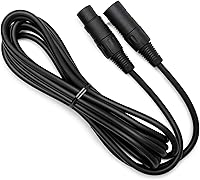
  • Included Cables: Ships with a 2m USB-C to USB-C cable, a 2m USB-C to USB-A cable, and a 3m XLR female-to-male cable.
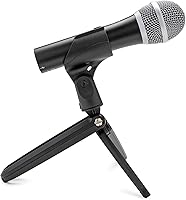
  • Included Stand: Includes a folding tripod desk stand and a threaded stand clamp compatible with standard 5/8″-27 threaded microphone stands.
  • On/Off Switch: A dedicated on/off switch operates in both USB and XLR modes, allowing quick signal control during recording or live sessions.
  • Audio Channels: Captures single-channel (mono) audio, standard for spoken-word recording and voice-over applications.
  • Model Number: Official model designation is ATR2100X-USB, as listed by Audio-Technica.
  • Brand: Manufactured by Audio-Technica, a professional and prosumer audio brand with decades of experience across broadcast, studio, and live markets.

Related Reviews
Audio-Technica AT2005USB
88%
93%
Build Durability
88%
Vocal Clarity
91%
Ambient Noise Rejection
96%
Plug-and-Play Simplicity
87%
Zero-Latency Monitoring
More
Audio-Technica PRO63 Cardioid Dynamic Instrument Microphone
79%
88%
Build Quality
84%
Sound Isolation
81%
Transient Response
61%
Frequency Response
77%
Output Level
More
Audio-Technica AT2020USB+ USB Condenser Microphone
79%
88%
Audio Quality
94%
Ease of Setup
91%
Zero-Latency Monitoring
83%
Build Quality
76%
Value for Money
More
Audio-Technica AT4040
83%
92%
Sound Transparency
88%
Build Quality
86%
Transient Response
83%
Value for Money
84%
Off-Axis Rejection
More
Audio-Technica ATM710 Cardioid Condenser Microphone
78%
86%
Vocal Clarity & Detail
74%
Stage Performance
83%
Build Quality
84%
Handling Noise Rejection
81%
Plosive & Sibilance Control
More
Audio-Technica AT2020
81%
92%
Vocal Clarity
94%
Build Durability
96%
Value for Money
83%
Background Noise Rejection
62%
Plosive Management
More
Audio-Technica ATM650 Hypercardioid Dynamic Microphone
78%
84%
Stage Isolation Performance
81%
Build Quality
78%
Handling Noise Rejection
61%
Value for Money
79%
Transient Response
More
Audio-Technica AT4041 Cardioid Condenser Microphone
81%
93%
Sound Accuracy
91%
Transient Response
94%
Unit Consistency
34%
Accessories & Packaging
78%
Value for Money
More
Audio-Technica AT4021 Cardioid Condenser Microphone
81%
93%
Tonal Accuracy
88%
Noise Floor Performance
87%
Build & Durability
84%
Value for Money
92%
Transient Response
More
Audio-Technica AT2021 Cardioid Condenser Microphone
77%
91%
Instrument Recording
84%
Sound Quality
86%
Value for Money
61%
Ease of Setup
63%
Vocal Performance
More

FAQ

No, you don't. The ATR2100x-USB connects directly to any Windows or Mac computer via USB-C and is recognized immediately without extra hardware or driver installation. Just plug it in, select it as your input in your recording software or system audio settings, and you're ready to record. The XLR output is there if you ever want to route through a mixer or interface down the road, but it's entirely optional.

Not simultaneously — you use one or the other for any given session. Switching between them is as simple as changing which cable you have connected. Most users stick with USB for at-home recording and swap to XLR when they're running through a mixer for a live set or broadcast situation.

Nothing is wrong — this is a known and commonly reported characteristic. Dynamic mics inherently produce lower output than condensers, and the USB gain on this mic can feel underwhelming for softer voices in particular. In the short term, boosting input gain in your recording software (Audacity, GarageBand, OBS, etc.) helps. For a more reliable fix, consider an inline preamp like the Cloudlifter CL-1 over XLR — it adds significant gain without requiring a full audio interface.

Yes, without any issue. Because it's a standard USB audio device, your computer treats it like any other microphone — just select it as the default input in your system audio settings or within the app itself. The cardioid pickup pattern is actually a practical bonus here, since it naturally rejects keyboard noise and ambient sounds that call participants would otherwise hear.

The folding tripod stand that comes in the box is perfectly fine for getting started — it sits stably on a flat desk and keeps the mic secure for a typical seated recording session. That said, if you record regularly or need to position the mic off to the side to free up desk space, most users eventually invest in a boom arm. It's not an urgent purchase, but worth budgeting for once your setup becomes more permanent.

They're designed for different situations. A condenser at this price range picks up more of the room — more detail and air, but also more background noise, HVAC hum, and reflections from untreated walls. The ATR2100x-USB, being a dynamic mic, rejects a lot of that ambient noise naturally, which makes it far more forgiving in typical home environments. If you're in a well-treated recording space and want the widest frequency capture, a condenser wins. If you're in a home office or spare bedroom without acoustic treatment, the dynamic will usually give you cleaner results with less hassle.

The mic is USB OTG compliant, which means it can work with iPads and Android devices that support USB audio input — but compatibility is not guaranteed across every device or app. The officially supported platforms are Windows and Mac. If you're planning to record on a tablet or smartphone, it's worth verifying your specific device's USB audio support before assuming it will work seamlessly out of the box.

No perceptible delay at all. The headphone jack provides direct hardware-level monitoring straight from the mic capsule, not from your computer — so you're hearing your voice in real time before any software processing occurs. This is one of the more underrated features for beginners, who often find software-routed monitoring latency genuinely distracting when trying to record naturally.

You can, but it was not designed with that in mind. It handles spoken voice exceptionally well, but for recording acoustic instruments or capturing a vocalist with full room presence, it will feel limited compared to a condenser. For simple narration over a video, a solo vocal scratch track, or basic content creation, it gets the job done. For serious music production where tonal accuracy and wide frequency response matter, a dedicated studio condenser or instrument mic will serve you better.

The box includes the microphone itself, a folding tripod desk stand, a stand clamp compatible with 5/8″-27 threaded stands, a 2m USB-C to USB-C cable, a 2m USB-C to USB-A cable, and a 3m XLR female-to-male cable. It is a genuinely complete starter kit — most users can be up and recording on day one without buying anything extra. The only common additions people eventually pick up are a boom arm for better positioning and a pop filter to tame plosive sounds, but neither is strictly necessary from the start.

Where to Buy