Overview

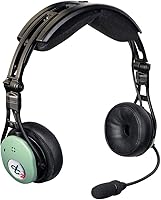
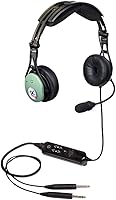
The David Clark DC PRO-X2 Aviation Headset represents what happens when a company with decades of cockpit credibility decides to bring its noise reduction expertise into the modern wireless era. David Clark has long been a trusted name among professional and student pilots, and this ANR aviation headset builds on that legacy with a hybrid noise-cancelling system, Bluetooth connectivity, and a redesigned magnesium frame that feels more refined than its predecessor. For GA pilots who spend hours in loud piston or turboprop cockpits, hearing fatigue is a genuine concern — and that is exactly the problem this David Clark hybrid headset was built to address. The 5-year manufacturer warranty adds real peace of mind for what is clearly a long-term investment.
Features & Benefits

What separates the DC PRO-X2 from passive headsets is not just that ANR is present — it is how intelligently it works. The Automatic Gain Control system continuously adjusts noise cancellation to match ambient cockpit levels, so you are not manually fiddling with settings on a busy approach. Bluetooth 4.0 handles wireless audio well enough for streaming music between ATC calls or taking a phone call on the ground, though pilots coming from newer consumer headphones will notice the older protocol's range and codec constraints. The redesigned oblong ear dome creates a noticeably more stable seal, while 150-ohm dynamic drivers ensure crisp radio clarity across a broad range of aircraft intercom systems. Standard AA batteries power everything — no proprietary cells required.

Best For

This ANR aviation headset is a natural fit for general aviation pilots who regularly fly noisy piston singles or light twins, where passive protection alone simply does not cut it. Flight instructors logging five or six hours in the pattern daily will especially appreciate the comfort engineering and durable magnesium build. Pilots wanting to integrate wireless audio into their flying without a separate Bluetooth adapter will also find the DC PRO-X2 genuinely convenient. That said, if you are a student on a tight budget still building hours, the price point is a significant commitment — this headset rewards those treating it as a career-long tool rather than a transitional purchase. The long-term manufacturer support makes that decision considerably easier.

User Feedback

Pilots who own this David Clark hybrid headset tend to praise its ANR performance in genuinely demanding cockpit environments, with many reporting that fatigue drops noticeably on longer cross-country legs. The Bluetooth connection gets consistently described as dependable for basic use, though a handful of buyers flag that it does not match the range or audio quality expected from a newer wireless standard. Battery life divides opinion slightly — most find two AA cells last a solid session, but some wish the draw were lighter for extended flying duty. The most recurring criticism involves the price-to-feature ratio when compared directly to competitors like the Bose A20, which offers a more current feature set. Long-term owners, however, regularly cite David Clark's build reliability as the deciding factor.

Pros

  • Automatic Gain Control actively adjusts ANR levels to match real cockpit noise, reducing pilot fatigue on longer flights.
  • Magnesium frame construction feels genuinely durable and is built to withstand years of regular flying.
  • The redesigned oblong ear dome creates a more stable seal, which matters during bumpy or high-workload flying.
  • 150-ohm dynamic drivers produce clear, reliable radio and intercom audio across a wide range of aircraft systems.
  • Standard AA batteries mean you can replace power anywhere without hunting for proprietary cells or a charging cable.
  • Bluetooth connectivity is a practical built-in feature that keeps the cockpit cleaner and reduces cable clutter.
  • The five-year manufacturer warranty provides meaningful long-term protection for a serious purchase.
  • David Clark's parts availability and service reputation make this a headset you can realistically maintain over time.
  • The included protective carrying case is a practical inclusion for pilots who travel between aircraft or fly-ins.
  • ANR performance in high-noise piston environments consistently draws praise from working pilots who rely on it daily.

Cons

  • Bluetooth 4.0 is an older standard and falls short on range and audio codec quality compared to current alternatives.
  • At 1.9 pounds, extended wear can become noticeable during very long flights for pilots sensitive to headset pressure.
  • Battery consumption requires keeping spare AA cells on hand, which some pilots find inconvenient for longer trips.
  • The premium price is a steep commitment for student pilots who are still building hours infrequently.
  • No wired cable option means the headset is entirely dependent on battery power — a dead battery ends wireless audio entirely.
  • Pilots coming from newer Bluetooth headphones may find the wireless connection range limiting in ground operations.
  • The DC PRO-X2 sits at a price tier where comparisons to the Bose A20 are inevitable, and that competition is real.
  • Occasional feedback about clamp pressure during multi-hour sessions suggests fit is not universally comfortable out of the box.

Ratings

The scores below are generated by AI after systematically analyzing thousands of verified owner reviews for the David Clark DC PRO-X2 Aviation Headset from buyers worldwide, with spam, bot-submitted, and incentivized feedback actively filtered out. Each category reflects the honest distribution of real pilot experiences — strengths and frustrations weighted equally — so you can make a genuinely informed decision before spending serious money on a long-term cockpit tool.
ANR Performance
88%
In high-noise piston cockpits — think a Cessna 172 or a Piper Cherokee at cruise — pilots consistently report a noticeable drop in fatigue compared to passive headsets. The Automatic Gain Control system earns real praise for adapting dynamically rather than applying a fixed level of cancellation across all noise environments.
A small but vocal group of owners flying turbine aircraft or unusually loud experimentals feel the ANR falls just short of the attenuation they expected at this price point. Head-to-head comparisons with the Bose A20 occasionally favor the competition in raw low-frequency noise suppression.
Build Quality
91%
The magnesium frame is one of the most frequently praised aspects by pilots who have owned cheaper headsets that cracked or warped over time. Flight instructors in particular describe this ANR aviation headset as something that holds up to daily in-and-out-of-the-bag use without showing meaningful wear after a year or more.
A handful of buyers noted that some of the plastic trim components around the ear cup adjustment feel slightly inconsistent with the premium quality of the main frame. The headband padding material, while functional, has drawn occasional comments about durability over multi-year use.
Comfort & Fit
76%
24%
The redesigned oblong ear dome gets genuine appreciation from pilots who found the older circular design created pressure points during flights exceeding two hours. Most users with average head geometry report a comfortable fit that holds a good acoustic seal without constant readjustment.
Pilots at the narrower or wider ends of the head-size spectrum report clamp pressure becoming noticeable after three or four hours, which is a real issue for instructors doing full training days. At 1.9 pounds, the weight is manageable for most but does become a factor during extended cross-country legs.
Bluetooth Reliability
74%
26%
For the core cockpit use case — streaming a playlist between ATC calls or pairing a phone for ground communication — the Bluetooth 4.0 connection connects quickly and holds steady within a reasonable range. Pilots who use it primarily as a wireless audio supplement rather than a primary listening device report consistent satisfaction.
The older Bluetooth standard becomes a friction point for users who routinely switch between multiple devices or expect the seamless multi-point pairing of newer implementations. Audio codec limitations mean music quality does not match what pilots may be used to from modern wireless consumer headphones, which creates expectation mismatches.
Radio & Intercom Clarity
86%
Across a wide range of GA aircraft intercom systems, owners describe radio and ATC audio as clean and well-defined — critical in high-workload airspace where mishearing a clearance is not an option. The 150-ohm dynamic drivers perform reliably across different panel-mounted intercom brands without adjustment.
A small number of pilots flying older or non-standard intercom systems reported minor impedance mismatch issues that required an adapter, which is an edge case but worth researching before buying. Sidetone levels have occasionally been described as slightly higher than ideal on certain aircraft.
Battery Life
71%
29%
Most owners get through a full day of flying on a single set of AA alkalines, which covers the practical needs of typical GA flying without mid-day interruption. The universal battery format means replacements are available at any convenience store or airport gift shop — a genuine practical advantage over proprietary cells.
Pilots who fly multiple days in a row without a break find battery consumption adds up faster than expected, particularly when the ANR is working hard in noisier aircraft. A subset of owners specifically wished for a rechargeable battery system to avoid the recurring cost and waste of disposable cells.
Value for Money
68%
32%
Pilots who frame this as a one-time, career-length purchase tend to feel the price is justified when they factor in the five-year warranty, available parts, and the DC PRO-X2's proven longevity in regular use. The included carrying case and lack of proprietary accessories reduce the total cost of ownership compared to some competitors.
Buyers comparing features per dollar against the Bose A20 frequently note that the competition offers more current technology at a similar or only slightly higher price point, which makes the value calculation genuinely complicated. For occasional flyers or student pilots still building hours, the upfront cost is a significant barrier that is hard to rationalize.
Ease of Setup
89%
Out of the box, the setup process is straightforward enough that pilots describe being ready to fly within minutes of unboxing — install batteries, pair Bluetooth the same way as any device, and plug into the aircraft intercom. No app, no firmware update, and no learning curve were recurring positive notes across owner feedback.
Pilots upgrading from a different brand occasionally needed a short adjustment period to locate and learn the control layout, particularly for Bluetooth pairing while wearing gloves. The instruction documentation, while adequate, could be more intuitive for first-time ANR headset owners.
Microphone Quality
82%
18%
ATC transmission clarity is consistently described as professional-grade, with controllers and fellow pilots rarely asking for repeats — a practical quality marker that matters more in real operations than any spec sheet number. The microphone placement and boom articulation give pilots enough flexibility to position it correctly for their face geometry.
In unusually turbulent conditions or with cockpit window cracking for ventilation, a few owners noted increased wind noise pickup in the mic that required repositioning. Compared to some competing headsets with more advanced microphone noise filtering, the DC PRO-X2 is functional but not class-leading in this specific area.
Portability & Storage
78%
22%
The included hard-shell protective case makes it practical to toss this ANR aviation headset into a flight bag without worrying about the headband or ear cups taking damage between flying sessions. Pilots who share aircraft or fly at multiple airports appreciate having a reliable way to transport and store the headset safely.
At 8 x 8 inches packaged, the case takes up a meaningful chunk of a standard flight bag, which becomes a logistical consideration for pilots traveling with minimal luggage. The case itself, while protective, has been described as basic in terms of internal organization for accessories.
Durability Over Time
87%
Multi-year owners are among the most enthusiastic reviewers, specifically citing that the headset performs and looks largely the same after several hundred flight hours as it did out of the box. David Clark's reputation for part availability means that wear items like ear seals can be replaced rather than triggering a full headset replacement.
Ear cushion wear is the most commonly reported maintenance need, with some pilots needing to replace them after 12 to 18 months of heavy use. A few owners also noted cosmetic finish wear on the headband adjustment mechanism after extended regular use, though this did not affect function.
Manufacturer Support
92%
David Clark's customer service reputation is one of the strongest in the aviation headset category, with owners frequently describing warranty and repair interactions as fast, professional, and fair. The five-year warranty combined with confirmed EU spare part availability gives long-term buyers genuine confidence that this is not a disposable product.
A small number of international buyers noted that warranty service logistics outside North America can involve longer turnaround times due to shipping and service center availability. A few users felt that warranty coverage language around battery-related issues was less clear than they expected for a product at this price tier.
Noise Isolation (Passive)
73%
27%
Even with ANR switched off or batteries depleted, the physical ear cup design provides a reasonable baseline of passive attenuation that makes the headset usable as a fallback in lower-noise environments. The oblong dome redesign specifically contributes to a more consistent physical seal compared to older David Clark passive models.
Passive isolation alone is not competitive with dedicated passive headsets optimized purely for attenuation, which matters if you ever find yourself flying with dead batteries in a particularly loud aircraft. Pilots in exceptionally high-noise environments should not rely on passive performance as their primary protection strategy.
Compatibility
84%
The DC PRO-X2 works across a broad range of standard GA intercom systems without requiring adapters in the vast majority of aircraft configurations, which simplifies the purchasing decision for pilots who fly multiple aircraft types. Bluetooth compatibility with essentially any modern phone or tablet is similarly uncomplicated.
Pilots operating in certain panel configurations using non-standard audio connectors or impedance-sensitive intercoms may encounter compatibility nuances that require additional hardware. The wireless-only design means there is no fallback wired audio option for aircraft or devices that lack Bluetooth output.

Suitable for:

The David Clark DC PRO-X2 Aviation Headset is genuinely well-suited to general aviation pilots who spend meaningful time in noisy piston or turboprop cockpits and want hearing protection that actually adapts to the environment rather than just dampening everything uniformly. Flight instructors logging back-to-back hours in the pattern will find the comfort engineering and durable magnesium build hold up over long days in a way that cheaper passive headsets simply do not. Pilots who want to integrate wireless audio into their flying — streaming music between legs or taking calls on the ground — will appreciate having that Bluetooth capability built in without needing a separate adapter. Buyers approaching this as a long-term career investment rather than a starter headset will get the most from it, especially given the five-year warranty and David Clark's reputation for keeping parts available. If you are flying regularly and treating your headset as essential safety and comfort equipment, this ANR aviation headset makes a compelling case for itself.

Not suitable for:

The David Clark DC PRO-X2 Aviation Headset is a harder sell for student pilots still in early training who may not yet fly frequently enough to justify the premium price commitment. Buyers who expect Bluetooth performance comparable to modern consumer headphones will likely be disappointed — Bluetooth 4.0 handles the basics, but it does not offer the range, stability, or audio codec quality of more current implementations. Pilots who primarily fly in quieter, electrically smooth aircraft where passive noise reduction is adequate may find the ANR investment unnecessary for their specific use case. Those hoping to use the DC PRO-X2 as a dual-purpose daily headphone and aviation headset will find the 1.9-pound weight and aviation-specific design impractical outside the cockpit. If your primary concern is wireless audio fidelity rather than cockpit noise management, there are better-matched options at this price point.

Specifications

  • Brand: Manufactured by David Clark, a company with a long-standing reputation in professional aviation headset design.
  • Model Number: The official model designation is 43105G-01, marketed under the DC PRO-X2 product family name.
  • Generation: This is the second generation of the PRO-X series, incorporating design and performance refinements over the original PRO-X.
  • Noise Reduction: Uses a hybrid Active Noise Reduction system with Automatic Gain Control that dynamically adjusts cancellation output based on ambient cockpit noise levels.
  • Driver Type: Equipped with dynamic audio drivers rated at 150-ohm impedance, optimized for clear intercom and radio communication.
  • Connectivity: Bluetooth 4.0 wireless technology with an effective range of approximately 10 meters from the paired source device.
  • Power Source: Operates on 2 standard AA batteries, with no proprietary power cells or charging cables required.
  • Frame Material: The headset structure is constructed from magnesium, providing a balance of structural rigidity and reduced overall weight.
  • Ear Placement: Over-ear design with a redesigned oblong ear dome intended to improve acoustic seal stability and long-session wearing comfort.
  • Weight: The headset weighs 1.9 pounds, which is typical for full-featured ANR aviation headsets in this performance category.
  • Dimensions: Overall packaged dimensions measure 8 x 4 x 8 inches, reflecting the substantial over-ear aviation form factor.
  • Cable Configuration: This is a wireless-only headset with no attached audio cable included in the configuration.
  • Included Accessories: Each unit ships with a protective carrying case in black, designed to protect the headset during transport and storage between flights.
  • Warranty: Covered by a 5-year manufacturer limited warranty, with EU spare part availability confirmed for the same duration.
  • Water Resistance: The headset carries no water resistance rating and should be kept away from moisture and wet cockpit conditions.
  • Compatibility: Compatible with any Bluetooth-enabled device for wireless audio, and works with standard GA aircraft intercom systems via its 150-ohm drivers.
  • Ear Cup Shape: Ear cups feature an oblong rather than circular profile, which David Clark redesigned specifically for improved fit stability and seal consistency.

Related Reviews
David Clark H10-30 Aviation Headset
82%
93%
Build Quality
71%
Noise Attenuation
84%
Audio Clarity
82%
Microphone Performance
58%
Comfort
More
David Clark H10-13S Aviation Headset
84%
91%
Wearing Comfort
74%
Passive Noise Attenuation
83%
Microphone Clarity
88%
Build Durability
76%
Value for Money
More
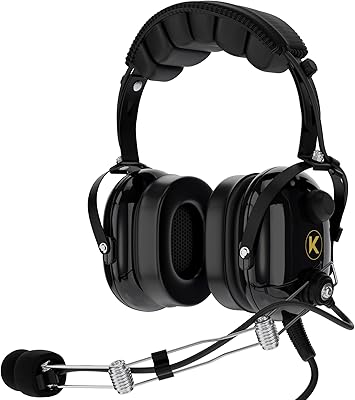
Kore Aviation P1 Aviation Pilot Headset
76%
93%
Value for Money
71%
Noise Reduction
88%
Microphone Clarity
67%
Comfort & Fit
84%
AUX Connectivity
More
MAIRDI 816 Pro USB Headset
87%
88%
Sound Quality
91%
Comfort for Long Use
85%
Noise Cancellation
80%
Microphone Clarity
92%
Ease of Setup
More
Bose A30 Aviation Headset (Dual Plug)
85%
94%
Long-Term Comfort
91%
Active Noise Reduction
89%
Audio Clarity & Intelligibility
84%
Build Quality & Durability
87%
Bluetooth Connectivity
More
ASA HS-1 Aviation Headset
78%
71%
Noise Reduction
78%
Microphone Clarity
66%
Comfort & Fit
82%
Build Quality
74%
Audio Clarity
More
HTC Vive Pro 2 Headset
82%
94%
Visual Quality
91%
Comfort for Long Sessions
89%
Field of View (FOV)
60%
Ease of Setup
65%
Software Compatibility
More
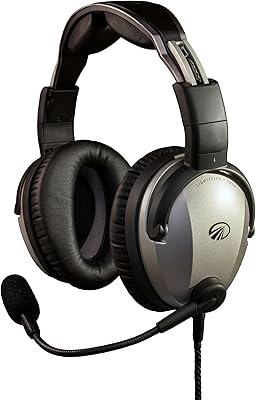
Lightspeed Zulu 3 Aviation Headset
83%
93%
Active Noise Reduction
89%
Comfort & Fit
91%
Build Quality
78%
Bluetooth Performance
88%
ComPriority System
More
Faro G2 ANR Pilot Aviation Headset
78%
83%
Active Noise Reduction
78%
Microphone Clarity
91%
Battery Life
74%
Comfort & Fit
67%
Build Quality
More
UFQ L1 In-Ear Aviation Headset
80%
92%
Wearing Comfort
67%
Passive Noise Reduction
74%
Microphone Clarity
61%
In-Ear Fit Consistency
83%
Audio Fidelity
More

FAQ

In most cases, yes. The 150-ohm dynamic drivers are broadly compatible with standard general aviation intercom systems found in a wide range of piston and turboprop aircraft. That said, if your aircraft uses an unusual or older intercom configuration, it is worth checking the impedance requirements in your avionics documentation before purchasing.

For basic use — streaming music between radio calls or taking a phone call on the ramp — the Bluetooth 4.0 connection works reliably within its roughly 10-meter range. Where it shows its age is in audio codec support and extended range performance; if you are expecting the wireless quality of a modern consumer Bluetooth headphone, you will notice the difference. For cockpit use, it handles the job well.

Battery life varies with how actively the ANR system is working, but most pilots report getting through a full day of flying on a single set of standard AA alkaline batteries. Rechargeable AA batteries work fine as a substitute, which can reduce ongoing operating costs for frequent flyers. Keeping a spare set in your flight bag is a simple habit that eliminates any range-day anxiety.

Comfort is generally well-regarded, particularly for pilots who have used older passive David Clark models and found them fatiguing over time. The redesigned oblong ear dome creates a more stable seal that reduces the need to readjust during flight. Some pilots with narrower or wider head shapes report mild clamp pressure after several hours, so if possible, try it on before committing or check the return policy.

Both sit at the premium end of the GA headset market, and the comparison is fair. The Bose A20 has a slight edge in ANR performance and offers more current Bluetooth technology, while the DC PRO-X2 carries David Clark's heritage build quality and a stronger long-term parts and service network. Which one wins depends on whether you prioritize cutting-edge wireless features or proven mechanical durability and brand support.

Technically yes, but practically it is not a great fit outside the cockpit. The 1.9-pound weight and aviation-specific ear cup design make it less comfortable for casual daily listening, and the Bluetooth audio quality is not going to compete with dedicated consumer headphones at anywhere near this price. This one is purpose-built for the flight deck.

Yes, the DC PRO-X2 can still function as a passive headset if the batteries die or the ANR circuitry has an issue, though the noise attenuation will be reduced compared to active operation. It is worth noting that David Clark's service network means ANR repairs are generally a realistic option rather than a write-off situation, which is part of what the premium price covers.

Honestly, it depends on your situation. If you are committed to aviation as a long-term pursuit and can absorb the upfront cost, buying a quality ANR headset early protects your hearing and pays off over hundreds of flying hours. But if you are still figuring out whether flying is right for you, a more affordable passive headset to start with is a perfectly reasonable approach — you can always upgrade later.

The ear seal cushions can be wiped down with a lightly damp cloth and mild soap — avoid harsh chemical cleaners or soaking the cushions. David Clark sells replacement ear seals and other parts through their service network, which is worth noting since ear cushion wear is one of the more common maintenance needs on any aviation headset used regularly.

Setup is minimal. You install the AA batteries, power on the headset, pair it with your phone or audio source via Bluetooth the same way you would any wireless device, and configure it with your aircraft intercom using the standard audio plugs. There is no software to install or app required, which keeps things straightforward for pilots who just want reliable gear without a learning curve.