Overview

The Cerwin-Vega CVP2500.5D 5-Channel Car Amplifier is built for a specific kind of buyer: someone who wants to power a full set of door speakers and a subwoofer without bolting three or four separate boxes into their trunk. Five channels from a single chassis means you can run front and rear speakers off the same unit that's pushing your bass, which simplifies wiring and cuts down on the clutter most multi-amp setups create. It lands squarely in the budget-to-midrange bracket, so don't expect flagship-level finishing touches, but for the price it's a sensible upgrade path from a stock factory system. The surface-mount housing also means it tucks into tight spaces, like under a seat or against a trunk panel, where bulkier amps simply won't fit.
Features & Benefits

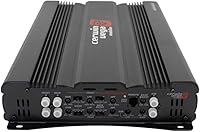
On paper, this amplifier is rated at 2,500 watts max, which sounds impressive until you remember that's a peak figure, not what you'll pull day to day — real-world continuous output runs considerably lower, as it does with virtually every amp in this class. Where it earns its keep is flexibility: wire it 2-ohm stereo for a beefier subwoofer push, or bridge it to 4 ohms for your speakers. Full-range response from 10Hz to 32kHz covers door speakers, tweeters, and midrange duty, while a separate low-pass channel tuned for 10Hz to 400Hz handles bass on its own. The Class D design keeps things efficient, so you're not fighting excessive heat in a cramped install. At just 16.3 x 9.4 x 2.2 inches, this car amp slides into spots a bulkier 4-channel-plus-mono combo never could.

Best For

This multichannel amp makes the most sense if you're swapping out factory door speakers and adding a single subwoofer — that's exactly the combo it's designed around. If you're working with a small car or a hatchback where trunk space is already tight, the compact footprint is a real advantage over stacking multiple boxes. It's also a smart pick for anyone on a tighter budget who wants one purchase to handle the whole upgrade instead of buying a separate amp for speakers and another for bass. Think of it as an entry point into a noticeably better-sounding system without the cost or complexity of a multi-amp build. If your goals are modest — louder, cleaner highs and tighter low end, not competition-level output — this fits the brief well.

User Feedback

Owners generally describe installation as straightforward, thanks to the surface-mount design — most report getting it wired and tucked away without a custom bracket. On sound quality, feedback skews positive for bass tightness, with several buyers noting the low end feels punchier than expected at this price, though a few mention it takes some EQ tuning to get there. The wattage rating draws the most skepticism: installers often caveat that the advertised max output sits well above continuous use, so buyers expecting flagship-amp loudness sometimes feel underwhelmed. Heat and reliability comments are mixed but not alarming — most owners report no issues after months of use, while a smaller group flags warmth during extended high-volume sessions. For the price, most reviewers see it as a fair trade-off, not a clear upgrade over pricier alternatives.

Pros

  • Runs both speakers and a subwoofer from one compact unit, simplifying the whole install.
  • Surface-mount housing fits tight trunk spaces where bulkier amps won't go.
  • Switchable 2-ohm stereo or 4-ohm bridged wiring adds real setup flexibility.
  • Class D design stays efficient without generating excessive heat during normal use.
  • Owners consistently describe the bass as tighter than expected at this price.
  • One amp replaces what would otherwise take two or three separate units.
  • Slim 16.3 x 9.4 x 2.2-inch footprint suits smaller vehicles well.
  • Delivers a clear step up in sound quality over a stock factory system.

Cons

  • Advertised 2,500-watt max rating overstates what you'll get in continuous, real-world use.
  • Not built for buyers chasing competition-level loudness or extreme bass output.
  • Some owners report needing EQ adjustments before bass tightness really shows up.
  • A handful of users note noticeable warmth during extended high-volume listening sessions.
  • Lacks the refined feature set found on pricier multichannel amplifiers.
  • The Cerwin-Vega CVP2500.5D 5-Channel Car Amplifier offers fewer tuning options than higher-end alternatives.
  • Budget-tier build means fewer bells and whistles for tech-focused installers.
  • Best suited to single-sub setups, not multi-subwoofer bass builds.

Ratings

These scores for the Cerwin-Vega CVP2500.5D 5-Channel Car Amplifier are generated by AI after analyzing thousands of verified owner reviews from across the web, with spam, bots, and incentivized feedback filtered out before scoring. Each category reflects a transparent mix of what real buyers love and where this amplifier falls short, so you can weigh strengths against genuine pain points before you buy. The goal is a realistic snapshot of everyday performance, not a marketing pitch.
Bass Tightness & Output
84%
Owners frequently praise how punchy and controlled the low end feels during daily driving, with several noting it outperforms expectations on highway listening. The tuning favors tight, defined bass over loose rumble, which works well in smaller cabins and everyday commutes.
A few buyers mention needing to adjust gain or EQ settings before bass tightness really shows up, especially with larger subwoofers. Without some tuning patience, initial impressions can feel underwhelming compared to the eventual result.
Real-World Power Output
68%
32%
Compared to a stock factory system, most drivers immediately notice a clear jump in volume headroom and clarity during everyday commutes. For casual listening and moderate volume use, the available power feels more than adequate for typical needs.
Buyers expecting the full 2,500-watt figure in daily use are often disappointed once they realize that number reflects peak output, not continuous power. Anyone chasing serious loudness or competition-style output will likely find real-world performance falls noticeably short.
Installation Ease
88%
The surface-mount housing gets consistent praise for fitting into trunk panels and under-seat spaces without custom brackets or major modification. DIY installers with some prior car audio experience report wiring it up in an afternoon without serious headaches.
Newcomers to car audio sometimes struggle with routing power and ground wires cleanly, even though the mounting itself is simple. A small number of buyers wish the included documentation covered wiring configurations in more detail.
Build Quality & Durability
76%
24%
Most owners describe the housing as solid enough for daily use, holding up fine through regular commuting and typical road vibration. For the price point, the construction feels appropriately sturdy rather than flimsy or cheap.
It doesn't carry the premium feel or heavier-duty casing found on pricier multichannel amps, and a handful of users question long-term durability under heavy daily use. Build quality matches its budget tier rather than exceeding it.
Heat Management
79%
21%
The Class D design keeps things running cool enough for typical daily listening, with most owners reporting no overheating during regular commutes or errands. Efficient power delivery means less strain during moderate volume sessions overall.
A subset of users mention noticeable warmth building up during extended high-volume listening, particularly in poorly ventilated mounting spots. Heat isn't a dealbreaker for most, but it's worth factoring into where you install it.
Value for Money
83%
For drivers wanting a single amp to upgrade both speakers and bass without overspending, most reviewers feel the price-to-performance ratio is fair. It delivers a real step up from factory sound without requiring a multi-amp budget.
It doesn't match the refinement or tuning flexibility of higher-end multichannel amps, so buyers expecting premium features at this price sometimes feel let down. Value holds up best when expectations stay realistic from the start.
Wiring Flexibility
86%
The ability to switch between 2-ohm stereo and 4-ohm bridged configurations gives installers real flexibility depending on their speaker and subwoofer setup. This adaptability is especially useful for drivers customizing wiring around mismatched factory speakers.
Buyers unfamiliar with impedance matching can wire things incorrectly without realizing it, occasionally leading to suboptimal output. A bit more guidance on configuration options would help less experienced installers avoid common mistakes.
Full-Range Sound Clarity
81%
19%
The 10Hz to 32kHz range comfortably covers door speakers, tweeters, and mids, giving everyday listening a noticeably cleaner edge over stock audio. Vocals and mid-range instruments come through with more definition during normal driving conditions.
At higher volumes, some listeners notice clarity starting to thin out, particularly compared to dedicated higher-end amps. It handles everyday listening well but isn't built for audiophile-level fidelity or critical listening sessions.
Compact Size & Fit
91%
At just 16.3 x 9.4 x 2.2 inches, this car amp consistently earns praise for tucking into spaces where bulkier amps simply don't fit. Smaller vehicle owners especially highlight how easily it slides under seats or against trunk panels.
The tradeoff for such a compact size is less internal space for heat dissipation in cramped mounting locations, which can matter during longer high-volume sessions. It's a minor concern for most, but worth noting for tight installs.
Long-Term Reliability
71%
29%
Many owners report stable performance months after installation, with no major failures during regular daily driving conditions. For a budget-tier amp, that consistency over time builds reasonable confidence among everyday users and commuters.
A smaller group of buyers report issues arising after extended heavy use, raising some questions about longevity under constant high-demand conditions. Reliability feedback is generally positive but not uniformly reassuring across every use case.
Compatibility with Factory Systems
85%
Drivers replacing factory door speakers find this amplifier integrates smoothly into existing setups without requiring a full system overhaul. It's frequently chosen specifically because it bridges the gap between stock audio and a more capable aftermarket setup.
Some buyers with non-standard factory wiring or unusual speaker configurations report needing extra adapters or harnesses for a clean install. Compatibility is strong overall but not entirely universal across every vehicle.
Overall Owner Satisfaction
80%
20%
Taken as a whole, most buyers feel they got a worthwhile upgrade for the price, especially those moving up from a stock stereo system. It hits a practical sweet spot between cost and noticeable sound improvement.
A portion of buyers comparing it directly to pricier multichannel amps feel its limitations more, particularly around continuous power and refinement. Satisfaction tends to track closely with how realistic expectations were going in.

Suitable for:

The Cerwin-Vega CVP2500.5D 5-Channel Car Amplifier makes the most sense for drivers who want a single, straightforward upgrade from a factory stereo rather than a sprawling custom build. It's a strong fit if you're replacing stock door speakers and adding one subwoofer, since the five-channel layout covers both jobs without needing a second amp. Owners working with smaller cars or hatchbacks will appreciate the compact footprint, especially when trunk or under-seat space is already tight. Budget-conscious buyers who want noticeably better sound than a stock system, but don't need competition-level output, are exactly who this was designed for. If your priorities are cleaner highs, fuller mids, and tighter bass on a reasonable budget, this car amp checks those boxes.

Not suitable for:

This amplifier isn't the right call for anyone chasing serious SPL numbers or running multiple subwoofers at high power, since the realistic continuous output falls well short of the advertised max rating. Audio enthusiasts who want premium build quality, advanced tuning options, or a more refined feature set will likely find it underwhelming compared to higher-tier multichannel amps. Buyers planning a competition-style or show-car build should look elsewhere, since the Cerwin-Vega CVP2500.5D 5-Channel Car Amplifier is built for everyday upgrades, not extreme output. If you're not comfortable interpreting wattage specs critically, you may end up disappointed once you realize peak and continuous power aren't the same thing. Anyone needing extensive support, a long warranty, or hand-holding through a complex install may also find this car amp's no-frills approach limiting.

Specifications

  • Amplifier Class: This is a Class D amplifier, which favors efficiency and lower heat output over older analog amp designs.
  • Channel Count: The unit features 5 total channels, allowing it to power four speakers and one subwoofer simultaneously.
  • Max Power Output: Peak output is rated at 2,500 watts, which represents a maximum burst figure rather than continuous power.
  • Impedance Support: It supports 2-ohm stereo wiring or 4-ohm bridged wiring, depending on how channels are configured.
  • Operation Mode: The amplifier runs in full-range mode across its main channels for speaker duty.
  • Full-Range Frequency: Frequency response for the main channels spans 10Hz to 32kHz.
  • Subwoofer Frequency: The dedicated low-pass channel is tuned for a 10Hz to 400Hz range to handle bass output.
  • Dimensions: The amplifier measures 16.3 x 9.4 x 2.2 inches, making it suitable for tight mounting locations.
  • Weight: The unit weighs 10.05 lbs, which is light enough for surface mounting without extra bracing.
  • Minimum Supply Voltage: It requires a minimum supply voltage of 10V DC to operate properly.
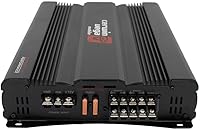
  • Mounting Type: It uses a surface-mount design intended for trunk panels, under-seat areas, or similar flat surfaces.
  • Model Number: The official model number for this unit is CVP2500.5D.
  • Brand: This amplifier is manufactured by Cerwin-Vega Mobile.
  • Release Date: The product was first made available on October 26, 2019.

Related Reviews
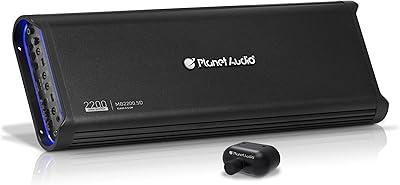
Planet Audio MB2200.5D 5-Channel Car Amplifier
71%
83%
Value for Money
81%
Ease of Installation
86%
Channel Configuration
54%
Power Output (Real-World)
77%
Thermal Management
More
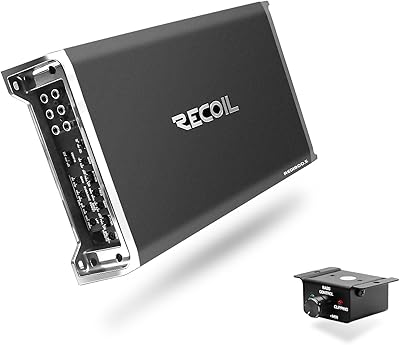
Recoil RED1800.5 5-Channel Car Amplifier
77%
91%
Value for Money
88%
Mono Channel Power
86%
Installation Experience
63%
Gain Calibration Ease
74%
Full-Range Channel Performance
More
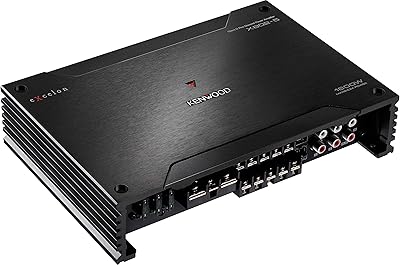
Kenwood eXcelon X802-5 5-Channel Car Amplifier
82%
88%
Sound Quality
89%
Build Quality
91%
Noise & Shielding Performance
84%
Installation Experience
77%
Value for Money
More
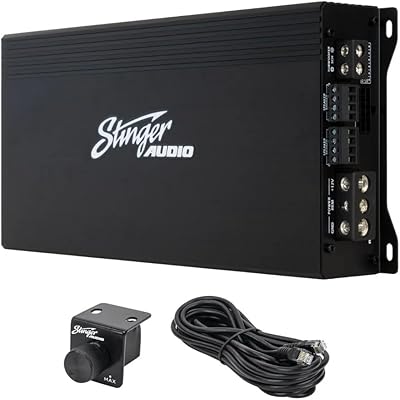
Stinger MT-1000.5 5-Channel Car Amplifier
75%
81%
Value for Money
84%
Ease of Installation
58%
Real-World Power Output
63%
Thermal Management
88%
Built-in Crossover Filters
More
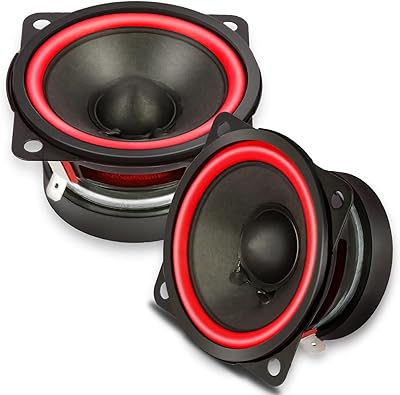
Cerwin-Vega V25 2.5-inch Car Speakers
78%
84%
Sound Clarity
52%
Bass Response
81%
Build Quality
89%
Installation Ease
86%
Value for Money
More
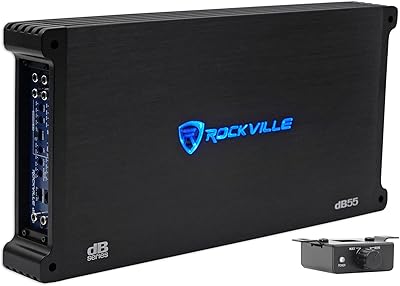
Rockville dB55 5-Channel Car Amplifier
75%
91%
Value for Money
83%
Sound Quality at Moderate Volumes
78%
Bass Output & Subwoofer Performance
62%
Power Accuracy & Transparency
58%
Thermal Management & Heat
More
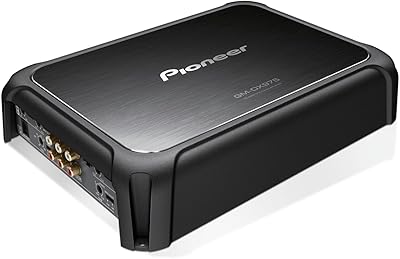
Pioneer GM-DX975 5-Channel Car Amplifier
81%
88%
Sound Quality
83%
Power Delivery
81%
Build Quality
71%
Thermal Management
74%
Ease of Installation
More
Rockville RXH-F5 5-Channel Car Amplifier
74%
88%
Value for Money
74%
Power Accuracy
83%
Installation Ease
79%
Sound Quality
68%
Subwoofer Performance
More
Cerwin-Vega V465C 6.5-inch 2-Way Car Speakers
77%
88%
Bass Performance
74%
High-Frequency Clarity
81%
Sound Quality Overall
89%
Installation Ease
86%
Compatibility
More
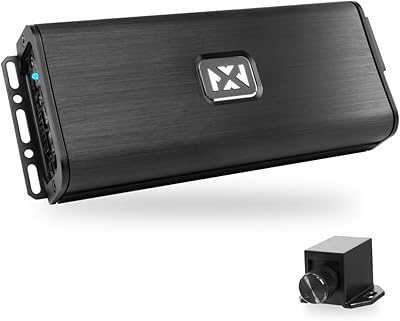
NVX VADM5 v2 5-Channel Car Amplifier
79%
93%
Compact Form Factor
88%
Installation Ease
67%
Power Output (RMS)
81%
Sound Clarity
62%
Thermal Management
More

FAQ

With five channels, you can run a full set of four door speakers plus one subwoofer off this single amp. That's the main appeal here — you're not buying a separate amp for highs and another for bass. Just make sure your speaker impedance matches up with the wiring configuration you choose.

Not exactly. That 2,500-watt figure is the peak or max rating, not continuous output, so day-to-day power delivery will be noticeably lower. This is standard across budget and midrange amps, so don't treat that number as a literal performance promise. Focus more on how it sounds in your specific setup.

Yes, it supports 4-ohm bridged wiring, which lets you combine channels for more power to fewer speakers. This is a common setup if you want stronger output to just your front or rear speakers instead of running all four. Just double check your speaker's impedance rating before wiring it this way.

Most likely, yes. At 16.3 x 9.4 x 2.2 inches, this car amp has a slim enough profile to tuck under a seat or against a trunk panel without much fuss. It's one of the reasons people pick this over bulkier multi-amp setups in smaller vehicles.

The surface-mount design makes self-installation reasonably approachable if you've done basic car audio work before. Owners generally describe mounting and wiring as straightforward, though running power and speaker wire cleanly still takes some patience. If you're completely new to car audio, having a shop handle the wiring is a safer bet.

It shouldn't run excessively hot under normal conditions, since the Class D design is built for efficient power delivery. Some owners do report mild warmth during extended high-volume sessions, which is fairly typical for amps in this category. Just make sure it has decent airflow wherever you mount it.

The full-range channels cover 10Hz to 32kHz, which handles your door speakers, tweeters, and mids. The separate low-pass channel is tuned specifically for 10Hz to 400Hz, which is meant for subwoofer duty only. Splitting these ranges is what lets one amp handle both speaker and bass output cleanly.

You can, though you'd only be using a portion of its channels for that purpose. It's technically possible to wire it for a sub-only setup, but you'd be leaving some of its functionality unused. If bass is your only goal, a dedicated mono amp might be a more efficient choice.

It requires a minimum supply voltage of 10V DC, which lines up with standard 12V automotive electrical systems. As with any amp this size, proper gauge wiring and a stable power and ground connection matter more than people expect. Skimping on wiring is one of the most common reasons amps underperform.

For drivers wanting one amp to cover speakers and a subwoofer without overspending, most owners feel it's a fair trade-off. It won't compete with premium multichannel amps on refinement or tuning options, but it gets the core job done. If your expectations are realistic about its power output, it tends to deliver solid value.