
Overview

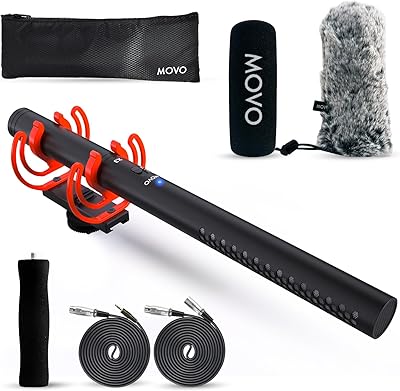
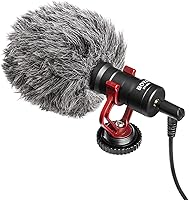
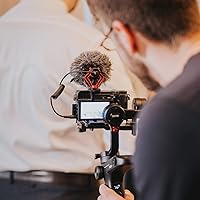
The Boya BY-MM1 Shotgun Microphone is the kind of affordable, no-nonsense upgrade that content creators reach for when built-in camera audio just isn't cutting it anymore. This on-camera microphone uses a super-cardioid polar pattern to focus on whatever is directly in front of it, naturally pushing background noise aside. No batteries required — it draws plug-in power straight from your camera or phone. It ships with both a TRS and TRRS cable, so whether you're shooting on a DSLR or an iPhone, you're covered straight out of the box. Lightweight and compact, it sits on a hot shoe without throwing off your camera's balance at all.

Features & Benefits

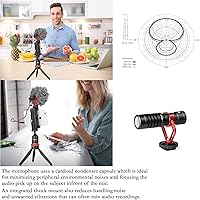
The super-cardioid pickup is really where this shotgun mic earns its keep. In a noisy café or on a busy street, it does a surprisingly decent job of isolating the voice in front and keeping ambient chatter out of your recording. The built-in shock mount suspension handles vibration well — walking shots and handheld movement stay much cleaner than you might expect. The included furry windscreen takes the edge off a light outdoor breeze, though it isn't a substitute for a proper blimp in genuinely gusty conditions. With a 35–18kHz frequency response and a 76dB signal-to-noise ratio, audio clarity holds up without needing heavy corrective EQ in post.

Best For

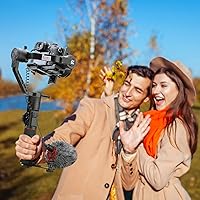
This on-camera microphone is built for people who want better audio without spending hours reading manuals or buying extra gear. Solo YouTubers, vloggers, and travel shooters will get the most out of it — especially those who move fast and need something that fits in a kit bag. It also works well for straightforward interview setups where the subject stays within a few feet of the camera. Students and beginner filmmakers on tighter budgets will find it delivers real directional control at a price that doesn't sting. If you're shooting professional broadcast content, this isn't that mic — but for everyone just starting to take audio seriously, it's a practical first step.

User Feedback

Across hundreds of reviews, the BY-MM1 lands around a 4.0 out of 5 — a score that reflects genuine satisfaction with a few honest reservations. Buyers consistently mention how much better their videos sound compared to built-in camera or phone audio, which is exactly what this mic is supposed to deliver. The shock mount gets specific praise for keeping footage clean during handheld movement. The main gripe? Cable durability. A number of long-term users report the included cables start to fail with regular use, so keeping a spare isn't a bad idea. Smartphone users with newer devices should also double-check headphone jack compatibility before ordering, since not all phones work with the TRRS connector.

Pros

  • Delivers a clear, immediate improvement over built-in camera and smartphone audio with zero configuration required.
  • Ships with both TRS and TRRS cables, so it works with DSLRs and smartphones straight out of the box.
  • The shock mount does a genuinely good job of killing handling noise during handheld and walking shots.
  • Lightweight enough to live on your camera all day without affecting balance or adding fatigue.
  • No batteries needed — plug-in power keeps things simple and eliminates one more thing to forget.
  • A furry windscreen is included, offering useful protection against light outdoor breeze at no extra cost.
  • The super-cardioid polar pattern gives real directional focus, reducing ambient room noise noticeably.
  • A 12-month warranty provides basic peace of mind at this budget-friendly price point.
  • Wide device compatibility means one mic can follow you across cameras, phones, tablets, and laptops.

Cons

  • The included cables are the most commonly reported weak point, with durability issues surfacing after regular use.
  • The furry windscreen struggles in anything beyond a gentle breeze, limiting reliable outdoor use.
  • Newer smartphones without a 3.5mm headphone jack require a separate adapter that is not included.
  • Audio quality, while solid relative to built-in mics, does not approach dedicated boom or studio microphone performance.
  • The mic body is plastic, which gives it a budget feel that may not hold up well in rough shooting conditions.
  • Directional pickup requires subjects to stay reasonably close to the camera — it is not a solution for distance recording.
  • There is no built-in level control or monitoring output, so you are entirely reliant on your camera or phone settings.
  • The windscreen, while included, is small and may need replacement with a higher-quality option for serious outdoor shoots.

Ratings

The scores below reflect an AI-driven analysis of verified global user reviews for the Boya BY-MM1 Shotgun Microphone, with spam, bot activity, and incentivized feedback actively filtered out to ensure the results represent genuine buyer experiences. Each category is scored independently, capturing both the areas where this on-camera microphone genuinely impresses and the friction points that real users encounter in daily use. Nothing has been smoothed over — the ratings reflect the full picture.

Audio Clarity
78%
22%
For vloggers and YouTube creators shooting close to the camera, the improvement over built-in audio is immediately obvious. The super-cardioid pattern keeps the subject voice clean and centered, and the 76dB signal-to-noise ratio means recordings don't need heavy noise reduction in post.
In reverberant spaces like tiled rooms or large halls, the limitations of an entry-level condenser capsule become apparent. Users expecting near-professional clarity will find the audio acceptable but not exceptional — it is a meaningful step up from built-in mics, not a replacement for dedicated studio or boom setups.
Directional Pickup
83%
The super-cardioid polar pattern does a genuinely solid job of isolating frontal sound and pushing back ambient noise from the sides and rear. Creators shooting in busy cafés or urban environments report a noticeable reduction in background chatter compared to omnidirectional built-in mics.
The directional advantage diminishes when subjects wander off-axis or move further than about two meters from the camera. In those situations, room noise starts to creep back in, and the mic's strength becomes less of a factor.
Build Quality
61%
39%
The all-metal mic body feels solid for its price tier, and the overall construction is sturdy enough for regular on-camera use. Buyers who handle it carefully and use it for standard shooting sessions generally report no structural issues over the first several months.
The plastic elements in the shock mount bracket and the cable connectors feel noticeably budget-grade, and long-term users frequently describe the included cables as the weakest link in the entire package. The overall build confidence drops if you are shooting daily in varied conditions.
Included Cables
52%
48%
The decision to bundle both a TRS and TRRS cable is genuinely practical — most competitors at this price point include only one. New buyers appreciate being able to connect immediately to both cameras and smartphones without any additional purchases on day one.
Cable durability is the single most consistent complaint across verified reviews. A significant number of users report connectivity issues, intermittent signal loss, or outright cable failure after months of regular use. Treating the included cables as consumables and budgeting for replacements is a realistic expectation.
Shock Mount Performance
81%
19%
The integrated suspension mount earns consistent praise from handheld shooters and vloggers who move while filming. Footstep rumble, camera button presses, and light handling vibrations are absorbed noticeably well, keeping audio clean during dynamic shooting situations.
The mount works best for moderate movement — aggressive handheld action or heavy bumping can still transmit some vibration to the capsule. The plastic locking mechanism also feels less secure than a proper dovetail or metal clamp would, which concerns some users during extended shoots.
Windscreen Effectiveness
63%
37%
The furry dead-cat windscreen included in the box provides real attenuation for light breezes and gentle outdoor conditions. For city vlogging, garden shoots, or filming near open windows, it handles typical day-to-day wind exposure adequately without any extra cost.
In genuinely windy outdoor environments — beaches, hilltops, or any exposed location with sustained gusts — reviewers consistently note that the windscreen starts to fail and wind noise bleeds into recordings. Serious outdoor shooters will need a larger aftermarket windscreen or a full blimp solution.
Ease of Setup
92%
Plug-and-play operation with no drivers, apps, or batteries makes the setup process about as fast as it gets. Mount the mic, choose the right cable for your device, plug it in, and you are recording — most users are up and running in under two minutes.
The only friction point is cable selection, which can trip up complete beginners who are not familiar with the TRS versus TRRS distinction. The labeling on the cables is minimal, and a few reviewers mention confusion about which cable to use with which device on first setup.
Compatibility
77%
23%
The dual-cable bundle covers a genuinely wide range of devices — DSLRs, mirrorless cameras, camcorders, Android phones, and older iPhones all work without needing any additional adapters. For users with a traditional 3.5mm-equipped setup, this mic connects to nearly everything they own.
Modern smartphones that have dropped the 3.5mm jack create a real compatibility gap that the included accessories cannot bridge. iPhone 15 and USB-C Android users need a separate adapter, and not all adapters reliably pass microphone signals through — compatibility testing before a shoot is genuinely necessary.
Value for Money
88%
At its price point, the BY-MM1 offers a combination of directional pickup, shock mounting, dual cables, and a windscreen that would cost significantly more if purchased as separate components. Buyers consistently frame it as one of the most complete entry-level audio kits available for the money.
The value proposition holds only if you go in with calibrated expectations. Users who expect professional results and then feel disappointed leave the most critical reviews — the mic is exceptional for its tier, but it is not a bargain version of a premium mic.
Portability
91%
At just 40g and 81mm long, the BY-MM1 barely registers as extra weight on a camera rig. Travel shooters and minimalist creators particularly value how it fits into any bag without dedicated padding or a protective case.
The lack of a dedicated storage pouch or protective cap means the mic capsule is exposed during transport. A few users report minor cosmetic damage to the mesh grille after the mic rattled around loosely in a bag — a small case or pouch is a worthwhile addition.
Handling Noise Rejection
79%
21%
Between the super-cardioid pattern and the shock mount suspension, this on-camera microphone handles the typical handling noise of run-and-gun shooting better than most mics at this price. Tapping the camera body or adjusting settings mid-shot rarely produces the loud thuds you get from a rigidly mounted mic.
Low-frequency rumble from heavy footsteps or placing the camera on a vibrating surface can still find its way through the suspension if the movement is sustained. The system works well for normal shooting but is not a substitute for a proper anti-vibration rig in high-movement scenarios.
Frequency Response
74%
26%
A 35–18kHz response range means the mic captures the full presence of a speaking voice without rolling off high-end detail early. In practice, recordings retain good vocal presence and clarity without needing significant EQ correction for standard vlogging and interview content.
At the extreme ends of the frequency range, the response is less consistent than higher-end condensers, and the low-frequency capture below 100Hz can pick up room hum in poorly treated spaces. The stated range is accurate but the real-world performance across that range is not perfectly flat.
Long-Term Reliability
58%
42%
The mic capsule and body itself tend to hold up reasonably well when used carefully. Users who invest in aftermarket cables and treat the unit with basic care report satisfactory performance over a year or more of regular use.
The pattern of cable failure and the budget-grade connector housing raise legitimate concerns about durability beyond the one-year warranty period. The 12-month warranty is appreciated but does not fully offset the anxiety around a product where the most failure-prone component — the cable — is an included consumable.

Suitable for:

The Boya BY-MM1 Shotgun Microphone is a strong fit for anyone taking their first real step away from built-in camera or smartphone audio. Solo vloggers and YouTubers will appreciate how little setup it demands — mount it, plug in the right cable, and you're recording. Travel content creators and run-and-gun shooters benefit from its light weight and compact footprint, since it adds almost nothing to a mobile kit. Students and beginner filmmakers working with limited budgets get genuine directional audio control without needing to understand complex signal chains or phantom power. It's also a practical choice for casual interview-style shooting, where the subject stays close to the camera and a wireless system would be overkill.

Not suitable for:

Photographers or videographers working in demanding professional or broadcast environments will quickly outgrow what this on-camera microphone can deliver. The included cables, while convenient, have a track record of wear that makes them unreliable for daily heavy-duty production use. Shooters who frequently work in strong wind — think outdoor events or field documentary work — will find the bundled furry windscreen falls short and will need a more robust solution. The Boya BY-MM1 Shotgun Microphone is also not a substitute for a boom mic or a dedicated audio recorder when room acoustics, distance, or isolation really matter. And if your smartphone no longer has a 3.5mm headphone jack, you will need a separate adapter before this mic works at all, which is worth factoring in before buying.

Specifications

  • Polar Pattern: Super-cardioid (unidirectional) design focuses pickup on sound directly in front while rejecting noise from the sides and rear.
  • Transducer Type: Electret condenser capsule converts acoustic sound waves into an electrical signal without requiring an internal battery.
  • Frequency Response: Captures audio across a 35–18kHz range at ±3dB, covering the full spectrum of human speech and most ambient sound.
  • Sensitivity: Rated at -42dB ±1dB (0dB = 1V/Pa at 1kHz), suitable for close-range vocal and on-camera recording applications.
  • Signal-to-Noise Ratio: 76dB SPL signal-to-noise ratio delivers a clean audio floor with minimal self-noise for a mic in this price tier.
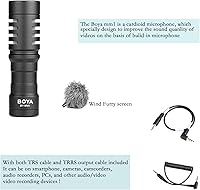
  • Connectors: Ships with a 3.5mm TRS-to-TRS cable for cameras and a 3.5mm TRS-to-TRRS cable for smartphones and tablets.
  • Power Source: Draws plug-in power directly from the connected device via the 3.5mm jack — no batteries or external power supply needed.
  • Weight: The mic body weighs just 40g (0.19 lb), keeping the overall load on a camera hot shoe negligible.
  • Dimensions: The microphone body measures 22×81mm, making it compact enough to fit easily into any camera bag or travel kit.
  • Impedance: Output impedance is rated at 1000 ohms, compatible with the standard microphone inputs found on consumer cameras and smartphones.
  • Shock Mount: An integrated suspension shock mount is built into the hot shoe bracket to reduce handling vibration and mechanical rumble.
  • Windscreen: A furry windscreen (dead cat style) is included to attenuate wind noise and light environmental turbulence during outdoor recording.
  • Compatible Devices: Works with DSLR and mirrorless cameras, smartphones, tablets, camcorders, audio recorders, and laptops equipped with a 3.5mm input.
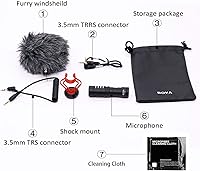
  • Package Contents: Box includes the microphone unit, shock mount bracket, TRS cable, TRRS cable, furry windscreen, and warranty card.
  • Warranty: Boya provides a 12-month manufacturer warranty covering defects in materials and workmanship from the date of purchase.
  • Best Sellers Rank: Ranked #155 in Professional Video Microphones on Amazon, reflecting consistent long-term sales volume in its category.
  • Date Available: This model has been available for purchase since May 9, 2019, giving it a well-established user feedback base.

Related Reviews
Comica VM40
Comica VM40
83%
88%
Audio Quality
93%
32-Bit Float Recording
82%
Wireless Performance
91%
Onboard Backup Recording
89%
Build Quality
More
BOYA BY-M1 Lavalier Microphone
69%
73%
Audio Quality
88%
Value for Money
82%
Ease of Setup
69%
Device Compatibility
58%
Build Quality
More
Rode VideoMic with Rycote Lyre
83%
92%
Vocal Clarity
94%
Vibration Isolation
89%
Build Durability
91%
Ease of Use
58%
Power Management
More
Pixel M80 Shotgun Microphone
74%
74%
Audio Clarity
71%
Noise Rejection
38%
Wind Resistance
67%
Build Quality
83%
Value for Money
More
Comica VM20
Comica VM20
81%
83%
Audio Clarity
78%
Noise Rejection
88%
Build Quality
81%
Low-Cut Filter Performance
76%
Gain Control
More
Saramonic VMICMINI Mini Shotgun Microphone
76%
72%
Audio Quality
94%
Ease of Use
83%
Build Quality
88%
Value for Money
86%
Device Compatibility
More
Sony ECM-CG50 Shotgun Microphone
71%
83%
Audio Clarity
79%
Noise Rejection
44%
Wind Noise Handling
51%
Compatibility
62%
Build Quality
More
Schoeps CMIT 5U Shotgun Microphone
77%
94%
Sound Quality
91%
Off-Axis Rejection
88%
Self-Noise Performance
89%
Build Quality
62%
Value for Money
More
Takstar SGC-600
Takstar SGC-600
76%
78%
Audio Clarity
74%
Noise Rejection
53%
Build Quality
84%
Sensitivity & Gain Control
61%
Wind Noise Handling
More
Sony ECM678/9X Shotgun Microphone
72%
91%
XLR & Phantom Power Integration
89%
Long-Term Reliability
88%
Directional Audio Capture
86%
Build Quality
83%
Signal-to-Noise Performance
More

FAQ

No, the BY-MM1 runs entirely on plug-in power drawn from whatever device it is connected to. Just plug it in and it is ready to go — no batteries to buy or charge.

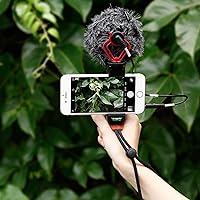
Use the TRS-to-TRS cable when connecting to a DSLR, mirrorless camera, or camcorder. Use the TRS-to-TRRS cable when connecting to a smartphone or tablet. Both cables are included in the box, so you do not need to buy anything extra for either setup.

It will work with any phone that has a standard 3.5mm headphone jack using the included TRRS cable. If your phone has dropped the headphone jack — which is common on newer iPhones and some Android flagships — you will need a Lightning or USB-C to 3.5mm adapter, which is sold separately.

The improvement is real and noticeable, especially in terms of directionality and handling noise. That said, this is a budget-tier mic, not a professional broadcast tool. It sounds considerably cleaner than a smartphone or camera mic for close-range recording, but do not expect studio-grade results in reverberant or very noisy spaces.

It handles light outdoor use reasonably well — the included furry windscreen takes the edge off a gentle breeze. In stronger wind or gusty conditions, the windscreen starts to struggle, and you may still get some wind noise in the recording. For serious outdoor work, a higher-grade blimp system would serve you better.

This is the most common complaint from long-term users. The cables work fine initially, but a number of buyers report them becoming unreliable after months of regular use. If you plan to use this mic frequently, it is worth picking up a spare 3.5mm TRS or TRRS cable as a backup.

Yes, as long as your laptop has a 3.5mm combo jack that accepts a TRRS plug. Some laptops have separate headphone and microphone ports, in which case you may need a TRRS splitter adapter. It will work as an input device, though it is optimized for on-camera video rather than desktop podcast recording.

Yes, and this is one of the features that genuinely earns positive feedback from users. The suspension mount does a solid job of absorbing vibration from footsteps, camera adjustments, and handheld movement — noticeably more than a rigid mount would.

For best results, keep the subject within roughly one to two meters of the camera. The super-cardioid pattern gives you good directional focus, but it is still a compact on-camera mic — it is not a long-range boom microphone. The further away the subject, the more room noise will creep into the recording.

It fits the standard cold/hot shoe found on the vast majority of DSLRs, mirrorless cameras, and camcorders. The mounting bracket is a universal size, so compatibility issues with hot shoe fitment are rare.

Where to Buy