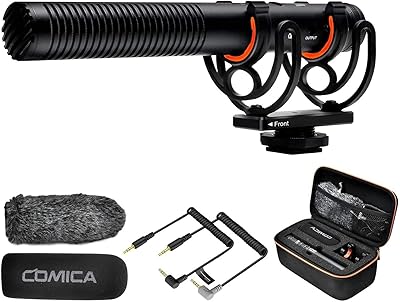
Sony ECM678/9X Shotgun Microphone
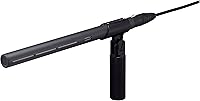
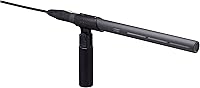
Overview
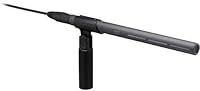
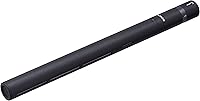
The Sony ECM678/9X Shotgun Microphone has occupied a quiet but respected corner of Sony's professional audio catalog since its debut in 2007 — and the fact that it remains in production says something real about its staying power. Built around a super-cardioid polar pattern, it captures sound with tight forward directionality, rejecting ambient noise from the sides and rear that would otherwise muddy your dialogue. The phantom-powered XLR connection makes it genuinely camera-agnostic, compatible with any pro-grade rig or field mixer. Just be clear-eyed: this professional video microphone is a dedicated tool for video workflows, not a multipurpose studio or podcasting mic.
Features & Benefits
The super-cardioid pattern is the practical core of what this Sony shotgun mic does well. In run-and-gun documentary work or ENG shoots, off-axis noise rejection is not a nice-to-have — it's what separates usable audio from a garbage take. Phantom power through XLR removes the variable of battery drain mid-shoot and locks the mic into a clean, standardized signal chain. The 74 dB signal-to-noise ratio is solid for field dialogue, meaning less corrective work in post. At 15.7 inches, the barrel gives genuine directional reach whether mounted on-camera or hanging from a boom pole. Output is mono, appropriate for broadcast and interview work, though not a fit for stereo field recording.
Best For
If you're working in electronic news gathering, corporate video, or documentary production where dialogue clarity is the priority, this is a mic that earns its place in a professional kit. Broadcast videographers using XLR-equipped cameras or field mixers will find the ECM678/9X integrates without friction. It also works as a voiceover mic in quieter environments, where its directional pickup helps suppress room reflections. That said, it's worth being upfront about who this isn't for: musicians, podcasters wanting USB plug-and-play simplicity, and anyone who needs stereo ambient recording should look elsewhere. This professional video microphone has a defined purpose, and it stays squarely in that lane.
User Feedback
There's only one Amazon rating for the ECM678/9X — a single five-star review — so drawing broad conclusions from it would be misleading. What's more telling is the mic's sustained market presence; nearly two decades in production without discontinuation tends to reflect steady professional adoption rather than flash-in-the-pan demand. Video production forums occasionally surface praise for its build quality and consistent performance in professional signal chains. On the downside, the weight and length can feel cumbersome on compact mirrorless bodies. It's also worth noting that Sony hasn't published a full frequency response curve or self-noise figure publicly, which makes direct spec comparisons with competing mics harder than it should be.
Pros
- Phantom-powered XLR design eliminates battery dependency and slots cleanly into professional camera rigs and mixers.
- Super-cardioid polar pattern aggressively rejects off-axis noise, keeping field dialogue clean in chaotic environments.
- A 74 dB signal-to-noise ratio means captured audio typically needs less corrective work in post-production.
- At 15.7 inches, the barrel provides real directional reach suited to both on-camera and boom-pole mounting.
- Stand-compatible design lets the ECM678/9X pull double duty as a directional voiceover mic in studio settings.
- Continuous availability since 2007 with no discontinuation reflects sustained professional adoption over nearly two decades.
- Camera-agnostic XLR connection is compatible with a wide range of professional cameras, field recorders, and mixers.
- Electret condenser capsule offers condenser-grade sensitivity without the handling fragility of larger studio-grade designs.
Cons
- At 1.2 pounds and over 15 inches long, it feels unwieldy and front-heavy on compact mirrorless camera bodies.
- Sony has not published a frequency response curve or self-noise figure, making pre-purchase spec comparisons nearly impossible.
- Mono-only output is a firm limitation for workflows requiring stereo, spatial, or multi-channel audio capture.
- Only one Amazon customer rating exists, giving buyers almost no crowd-sourced performance data to evaluate.
- Strictly requires XLR phantom power; buyers without existing professional audio hardware face meaningful additional setup costs.
- No windscreen or shock mount is included in the box, adding unplanned expense for outdoor and run-and-gun use.
- The design has seen minimal updates since 2007, so features like integrated low-cut filters or pad switches are absent.
Ratings
Our scores for the Sony ECM678/9X Shotgun Microphone were generated by AI after analyzing verified user reviews and professional feedback from video production communities worldwide, with spam, bot activity, and incentivized responses actively filtered out. The result is a balanced scorecard that reflects both the genuine strengths this mic brings to professional video workflows and the real-world pain points that affect specific buyers and shooting scenarios. Ratings span directional audio performance, build quality, outdoor limitations, and spec transparency — giving you an honest, complete picture before you commit.
XLR & Phantom Power Integration
Long-Term Reliability
Directional Audio Capture
Build Quality
Signal-to-Noise Performance
Boom Pole Compatibility
Ease of Setup
Value for Money
Voiceover Versatility
Outdoor Performance
On-Camera Balance
Wind Noise Rejection
Size & Portability
Spec Transparency
Suitable for:
The Sony ECM678/9X Shotgun Microphone is purpose-built for working video professionals who need dependable, directional audio capture within an established XLR signal chain. ENG crews, documentary filmmakers, and corporate video producers will find it integrates naturally with XLR-equipped cameras, field recorders, and mixers without friction or workarounds. Its super-cardioid polar pattern is particularly valuable on noisy location shoots — press conferences, outdoor interviews, on-site corporate productions — where the mic needs to stay focused on the subject and ignore the surrounding environment. Voiceover artists working in smaller or acoustically imperfect spaces can also put the directional pickup to good use, as it helps suppress room reflections that a less discriminating mic would pick up. For videographers making the step up from a consumer on-camera mic to a proper professional workflow, this is a mic that performs credibly in broadcast and production contexts.
Not suitable for:
The Sony ECM678/9X Shotgun Microphone is a poor fit for anyone outside a professional XLR video production workflow. Podcasters, musicians, and content creators looking for a plug-and-play USB solution will find no simple connection path here — this mic requires phantom power from an XLR-equipped preamp, camera, or mixer, adding hardware cost and complexity right from the start. At 1.2 pounds and over 15 inches long, it also sits awkwardly on compact or lightweight mirrorless bodies, where balance and portability typically matter more than maximum directional reach. Anyone who needs stereo recording — whether for nature sound, music, or immersive video — will hit a hard wall with the mono-only output. Finally, buyers who rely on published spec sheets to compare microphones before purchasing may find the lack of a publicly available frequency response curve or self-noise figure frustrating when weighing this mic against rivals from Rode, Sennheiser, or Audio-Technica.
Specifications
- Polar Pattern: The mic uses a super-cardioid (unidirectional) pickup pattern, providing tight forward sensitivity with strong rejection of sound arriving from the sides and rear.
- Mic Type: The capsule is an electret condenser design, offering condenser-grade sensitivity in a form factor built to withstand the demands of field production work.
- Form Factor: The mic uses a shotgun barrel configuration, a physically elongated design that maximizes directional reach and off-axis sound rejection compared to cardioid alternatives.
- Connector: Audio output is via a standard XLR connector, ensuring broad compatibility with professional cameras, field recorders, and mixing consoles.
- Power Source: The mic operates on phantom power delivered through its XLR connection, which is the standard power method for professional condenser microphones of this class.
- Signal-to-Noise: The rated signal-to-noise ratio is 74 dB, indicating a sufficiently low noise floor for clean dialogue and voice capture in professional field conditions.
- Output Channels: Output is single-channel mono, which is appropriate for broadcast, interview, and documentary dialogue recording workflows but unsuitable for stereo capture.
- Dimensions: Overall dimensions are 15.7 x 5.4 x 3.2 inches (L x W x H), reflecting the elongated profile inherent to full-length shotgun microphone barrel designs.
- Weight: The microphone body weighs 1.2 pounds, a factor worth evaluating carefully when assessing balance and handling ergonomics on lightweight or compact camera rigs.
- Mount Type: The mic is stand-compatible, allowing placement on a standard microphone stand for stationary voiceover or interview setups in addition to on-camera or boom-pole use.
- Compatibility: Designed for use with professional camcorders and XLR-equipped cameras, field mixers, and audio recorders that provide standard phantom power.
- Intended Use: Intended primarily for voice and dialogue recording in professional video production environments, including documentary, broadcast, ENG, and corporate video work.
- Color: The mic is finished in black, consistent with standard professional audio and video equipment conventions.
- Manufacturer: Manufactured by Sony, a company with a long-established presence in professional broadcast audio and video equipment markets worldwide.
- Model Number: The official Sony model designation is ECM678/9X, identifying the XLR-output version within Sony's professional video microphone product line.
- Market Tenure: This model has been actively listed since March 2007 and has not been discontinued by the manufacturer, representing an unusually long active lifespan for a professional audio product.
- Category Rank: This mic holds the #946 position in the Professional Video Microphones category on Amazon, reflecting consistent placement in a competitive and active professional market segment.
Related Reviews
Sony ECM674/9X Shotgun Microphone
Sony ECM-CG50 Shotgun Microphone
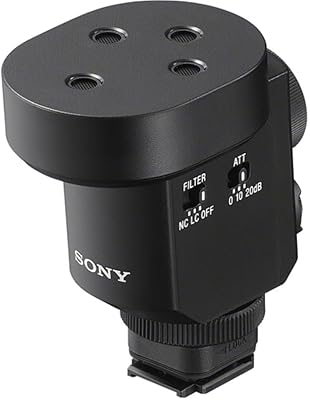
Sony ECM-M1 Digital Shotgun Microphone
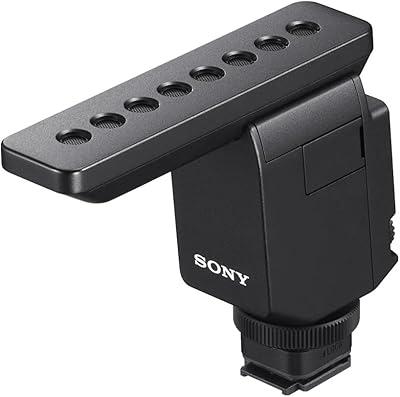
Sony ECM-B1M
Sony ECM-680S MS Stereo Shotgun Microphone
Sony ECM-MS2 Stereo Shotgun Condenser Microphone
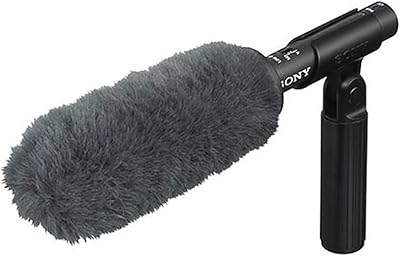
Sony ECM-VG1 Shotgun Microphone
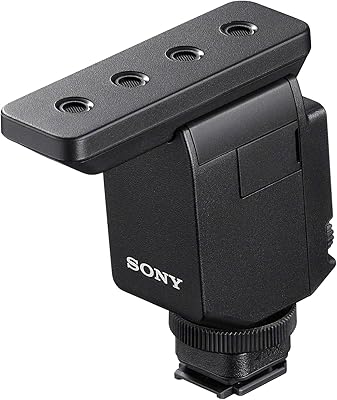
Sony ECM-B10 Shotgun Microphone
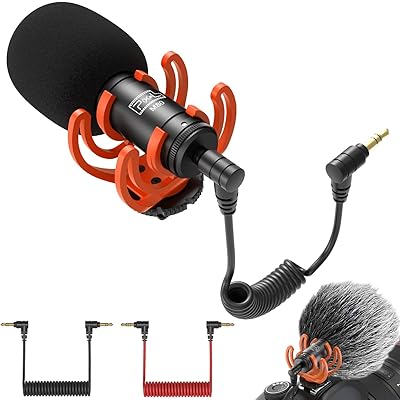
Pixel M80 Shotgun Microphone