Bluesound Node Nano


Overview
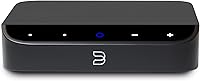
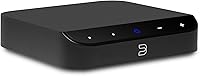
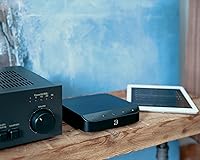
The Bluesound Node Nano arrived in mid-2024 as a genuinely compact alternative for anyone who wants high-resolution streaming without dismantling a perfectly good existing setup. It sits in the upper tier of dedicated network streamers, and at its price point it has real competition — so it earns its place rather than assuming it. What makes it worth considering is the combination of a capable ESS SABRE DAC and quad-core ARM processor packed into a 5.6-inch square chassis that can mount flush to a wall. This network music player is not a standalone system; it needs an amplifier or powered speakers to sing.
Features & Benefits
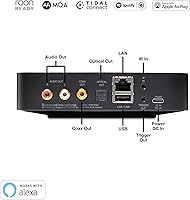
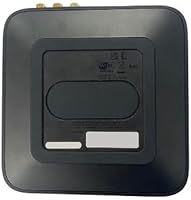
At the core of this compact streamer is the ESS ES9039Q2M DAC, handling up to 24-bit/192kHz with a -118dB signal-to-noise ratio — numbers that look strong on paper, though the real-world result depends heavily on what amplifier and speakers sit downstream. Connectivity is genuinely broad: stereo RCA, optical, coaxial, and USB outputs cover nearly any amplifier scenario, while aptX Adaptive Bluetooth works both ways for added flexibility. AirPlay 2, Spotify Connect, Tidal Connect, and local server mode handle almost every streaming workflow without workarounds. Two programmable presets mean your favourite station is one tap away, no app required.
Best For
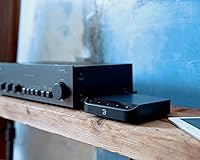
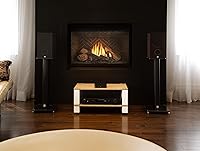
This network music player makes the most sense for someone who already owns a solid integrated amplifier or a pair of active speakers and simply wants to bring modern streaming into the picture without buying a whole new system. It also works well as a BluOS ecosystem expansion piece — adding coverage to a bedroom or office where a full-size component would feel excessive. Local file enthusiasts will appreciate the NAS and local server support alongside the streaming services. Anyone with a cramped shelf or a preference for tidy installs will find the wall-mount option genuinely useful rather than a gimmick.
User Feedback
Buyers consistently highlight build quality and sound clarity relative to the device's small footprint, and the BluOS app setup draws repeated praise for being straightforward even for first-time network audio users. That said, a few owners report occasional Wi-Fi dropouts requiring an app restart, which is a known rough edge in the BluOS ecosystem. The absence of HDMI eARC limits home-theatre integration, and it is worth noting that DSD playback was listed as a future firmware update at launch — not a current feature — which has frustrated some buyers who assumed it was ready out of the box. Long-term software support from Bluesound is generally well-regarded.
Pros
- The Bluesound Node Nano pairs a genuinely capable ESS SABRE DAC with a near-silent noise floor for detailed, high-resolution playback.
- Stereo RCA, optical, coaxial, and USB outputs make it compatible with virtually any amplifier or powered speaker setup.
- Native Spotify Connect, Tidal Connect, and AirPlay 2 support means no workarounds for most streaming subscribers.
- Two-way aptX Adaptive Bluetooth adds real flexibility for casual listening without switching inputs or opening an app.
- The wall-mount system and compact square footprint solve installation problems that bulkier streamers simply cannot.
- BluOS multi-room grouping is reliable and tight, making this an easy ecosystem expansion for existing Bluesound households.
- Two programmable presets deliver one-tap access to favourite stations or playlists without unlocking a phone.
- Build quality consistently exceeds expectations for the size, with a chassis that feels solid and long-lasting.
- Gigabit Ethernet provides a rock-solid wired connection for critical listening sessions where Wi-Fi reliability is a concern.
- Local NAS and server support makes this a capable hub for large personal music libraries alongside streaming services.
Cons
- DSD playback was not available at launch and remained a pending firmware update, despite being listed as a supported feature.
- The BluOS app occasionally loses sight of the device mid-session, requiring a restart to restore control.
- Only two preset buttons feel limiting once daily use habits form around them.
- No physical remote is included, making the setup entirely app-dependent until you program an existing IR remote.
- Qobuz and Amazon Music HD lack native integration, with AirPlay 2 as the only workaround for those subscribers.
- Wi-Fi onboarding caused problems for a notable subset of users with stricter or older router configurations.
- The matte black finish is the sole colour option, which limits flexibility when matching lighter-coloured audio furniture.
- At this price tier, feature-competitive alternatives from other brands make the value case harder to argue on specs alone.
- Large local music libraries can take a noticeably long time to index on first scan through the UPnP server.
- Less experienced users may find local server and NAS configuration underdocumented, leading to avoidable setup frustration.
Ratings
The Bluesound Node Nano scores here reflect AI-driven analysis of verified global buyer reviews, with spam, bot activity, and incentivized submissions actively filtered out before scoring. Across categories ranging from audio performance to app reliability, this compact streamer earns strong marks in several areas while showing real friction points that prospective buyers deserve to know about. Both the highlights and the frustrations are represented honestly in the breakdowns below.
Audio Performance
Build Quality
Setup & Installation
BluOS App Experience
Multi-Room Integration
Streaming Service Compatibility
Local File Playback
Connectivity & Outputs
Bluetooth Performance
Physical Design & Form Factor
Value for Money
DSD Playback Support
Remote & Preset Controls
Long-Term Reliability & Software Support
Suitable for:
The Bluesound Node Nano is purpose-built for a specific kind of buyer, and it genuinely delivers for them: someone who already owns a capable integrated amplifier or a pair of active speakers and wants to bring high-resolution streaming into that system without gutting it. If your existing setup sounds great but your only streaming option is plugging a phone in with an aux cable, this compact streamer solves that problem cleanly and without compromise. It is also an excellent fit for BluOS ecosystem users who want to extend multi-room coverage to a smaller space — a home office, bedroom, or kitchen — where a full-size component would feel excessive. Listeners with large local music libraries of FLAC or ALAC files will appreciate the reliable NAS and local server support, and those who care about installation aesthetics will find the wall-mount option genuinely useful rather than a novelty. If space is tight, the system sounds serious, and you want a device that will receive firmware updates for years, this network music player checks the right boxes.
Not suitable for:
The Bluesound Node Nano is not the right call for everyone, and it is worth being clear about where it falls short before spending at this price point. If you do not already own an amplifier or powered speakers, this device does nothing on its own — it has no amplification stage, so it requires external hardware before you hear a single note. Buyers hoping for HDMI eARC to loop audio from a television into their stereo system will need to look elsewhere, as that input is simply not present. Anyone specifically purchasing this device for DSD playback should know that the feature was not available at launch and was listed as a future firmware update — if DSD is a hard requirement today, this is not the right choice right now. Streaming subscribers on Qobuz or Amazon Music HD who want a native app connection rather than AirPlay 2 passthrough will find the service support incomplete. Finally, if the BluOS ecosystem holds no appeal and you are comparing purely on features per dollar, competitors from WiiM and Cambridge Audio offer serious alternatives that deserve a side-by-side look before committing.
Specifications
- Processor: Powered by a 1.8GHz Quad-Core ARM Cortex A53 processor, providing sufficient headroom for multi-room streaming and high-resolution audio decoding without audible lag.
- DAC: Uses the ESS ES9039Q2M SABRE DAC, supporting up to 24-bit/192kHz playback with a signal-to-noise ratio of -118dBA for a clean, low-noise audio output.
- Dimensions: The unit measures 5.6 x 5.6 x 1.38 inches, making it one of the more compact dedicated network streamers available in its performance tier.
- Weight: The device weighs 1.26 pounds, light enough for secure wall mounting without requiring reinforced fixings in standard drywall.
- Audio Outputs: Provides stereo RCA, optical (TosLink), coaxial (S/PDIF), and USB outputs, covering the majority of amplifier and DAC input configurations in current use.
- Bluetooth: Two-way aptX Adaptive Bluetooth allows both receiving audio from external devices and sending audio to compatible Bluetooth speakers or headphones.
- Wi-Fi: Dual-band Wi-Fi (2.4GHz and 5GHz) is built in, with automatic band selection to optimize connection stability based on network conditions.
- Ethernet: A Gigabit Ethernet port is included for wired network connections, recommended for critical listening or environments where Wi-Fi congestion is a concern.
- Streaming Services: Natively supports Spotify Connect, Tidal Connect, AirPlay 2, MQA decoding, and local server mode via UPnP/DLNA; DSD playback is reserved for a future firmware update.
- Multi-Room Platform: Fully integrated into the BluOS multi-room ecosystem, allowing synchronized group playback with other BluOS-compatible players, amplifiers, and soundbars.
- Presets: Includes two programmable quick-touch preset buttons on the unit itself, each assignable to a favourite station, playlist, or input source via the BluOS app.
- IR Learning: Built-in IR sensor supports remote learning, allowing the device to be controlled by most existing universal or third-party IR remote controls.
- Wall Mounting: Ships with a built-in wall-mounting system, enabling flush installation on a wall without requiring additional brackets or third-party mounting accessories.
- Amplification: The device is a streamer and DAC only, with no onboard amplification stage; connection to an external amplifier or powered speakers is required for audio output.
- Color: Available exclusively in black with a matte finish, with no additional colour variants offered at launch.
- Model Number: The official model identifier is NODE-N030BLKUNV, which can be used for warranty registration, firmware lookup, and compatibility verification.
- Availability: First made available in July 2024 as a new compact sub-line within the established Bluesound Node family, and has not been discontinued by the manufacturer.
Related Reviews
Bluesound Node ICON
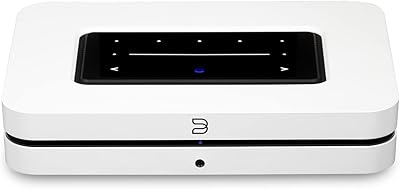
Bluesound Node
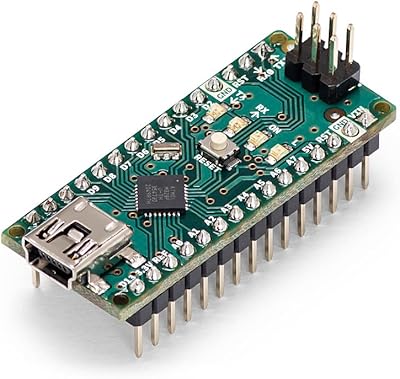
Arduino Nano A000005
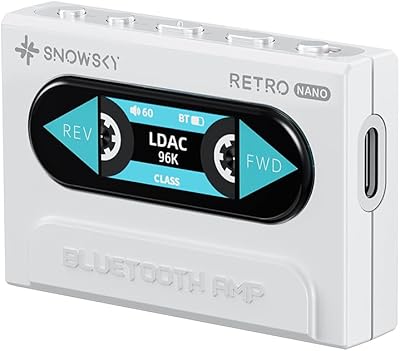
FiiO Retro Nano Bluetooth DAC AMP
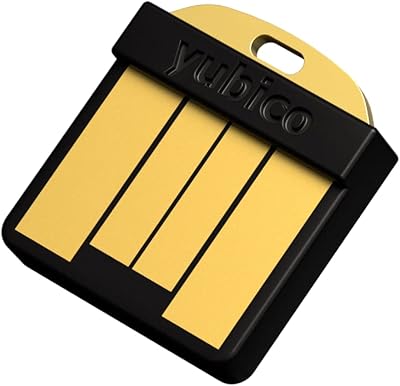
Yubico YubiKey 5 Nano
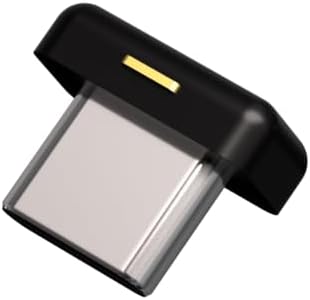
Yubico YubiKey 5C Nano USB-C Security Key
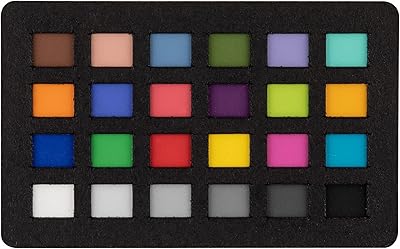
Calibrite ColorChecker Classic Nano Color Calibration Chart
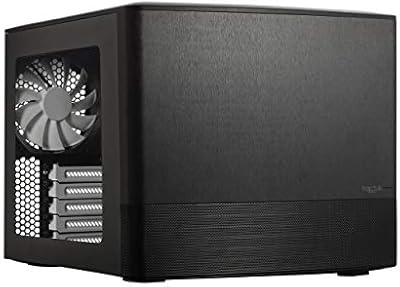
Fractal Design Node 804
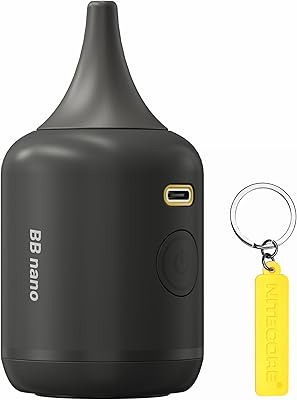
Nitecore BB Nano Electronic Air Blower