Overview

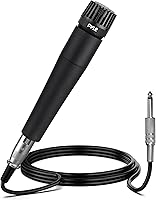
The Pyle PDMIC78 Dynamic Handheld Microphone has been a quiet fixture in the budget mic market since 2011 — and that kind of staying power means something. It's aimed squarely at casual performers, karaoke fans, and newer streamers who want a real XLR microphone without spending serious money. Worth noting upfront: XLR means you'll need a mixer or audio interface to use it, so this isn't a plug-and-play USB situation. What sets this Pyle dynamic mic apart from similarly priced rivals is its zinc alloy body — most competitors at this tier use plastic. Don't expect studio-grade performance, but as a capable everyday workhorse, it holds its own.
Features & Benefits

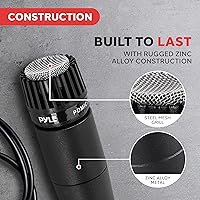
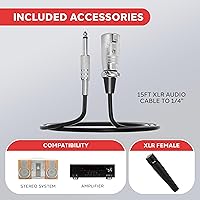
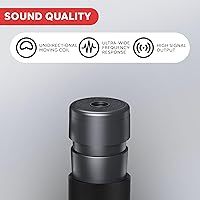
The cardioid polar pattern is one of the PDMIC78's most practical traits — it focuses pickup on whatever's directly in front of the mic and pushes away ambient noise from the sides and rear, which matters a lot on a busy stage or in a room that isn't acoustically treated. The 50Hz–15kHz frequency response covers the vocal range well enough, though it won't capture the airy highs that more expensive condensers reach. A built-in pop filter and steel mesh grille handle plosives without any add-ons. The zinc die-cast body survives drops and bag throws that would crack cheaper mics. A 15ft XLR-to-1/4-inch cable is included — functional, but don't expect premium shielding.

Best For

This handheld mic is a natural fit for home karaoke setups, especially if you've already got a PA system or karaoke machine with XLR or 1/4-inch inputs. It also makes sense for beginner streamers or podcasters who've outgrown USB mics and want to start working with a proper audio chain. Open-mic nights, small rehearsal rooms, and pub gigs are where the PDMIC78 earns its keep — loud enough environments where a dynamic mic's natural noise rejection is an asset, not a compromise. Budget-minded musicians looking for a secondary or backup mic will appreciate the value here too. Just remember: you'll need an interface or mixer to get sound out of it.

User Feedback

Buyers consistently praise the build quality for the price — the metal body feels more substantial than what you'd normally expect at this tier, and that earns goodwill in reviews. Vocal clarity gets decent marks too, particularly from karaoke and streaming users who aren't comparing it to condensers costing ten times more. That said, a recurring concern is the 600 Ohm impedance, which can cause noticeable signal loss when paired with interfaces that prefer low-impedance inputs — worth checking your gear's compatibility before buying. The bundled cable does the job but won't win any quality awards. Long-term durability is a mixed story: many report years of trouble-free use, while others mention connector wear after heavy regular use.

Pros

  • The zinc die-cast body feels genuinely solid and holds up to regular handling, gigging, and travel far better than plastic-bodied rivals at this price.
  • A built-in pop filter and steel mesh grille reduce plosives out of the box, saving you from an immediate add-on purchase.
  • The cardioid pickup pattern does a good job rejecting background noise and stage feedback during live vocal use.
  • A 15ft XLR-to-1/4-inch cable is included, which is a practical touch that gets you up and running right away.
  • Phantom power is not required, simplifying setup for users with basic mixers or PA systems that lack that feature.
  • Karaoke and casual streaming users consistently report clear, intelligible vocals that are more than adequate for their needs.
  • At its price point, the PDMIC78 is one of the few budget XLR mics with a metal body that doesn't feel cheap in hand.
  • The cardioid pattern makes it forgiving in untreated rooms — you don't need acoustic panels to get a usable sound.
  • Having been on the market since 2011, it has an unusually long track record with a large pool of real-world buyer feedback to draw from.

Cons

  • The 600 Ohm impedance can cause noticeable signal loss with interfaces optimized for low-impedance microphones, requiring more gain and potentially adding noise.
  • The included cable is functional but basic — serious users will likely want to replace it with a properly shielded XLR cable.
  • Frequency response cuts off at 15kHz, meaning the subtle air and brightness that condenser mics capture in vocals simply isn't here.
  • Connector wear has been flagged in longer-term reviews, suggesting the XLR jack may loosen after extended heavy use.
  • No USB connectivity means an audio interface or mixer is mandatory — an extra cost and complexity hurdle for total beginners.
  • Sensitivity at -54dB is on the lower end, which means quieter sound sources may require significant gain from your preamp to record well.
  • The mic offers no onboard controls — no gain adjustment, no mute switch, no low-cut filter — making it fully dependent on downstream gear.
  • Longevity is inconsistent across buyers; some report years of reliable use while others experience early hardware issues, suggesting variable quality control.

Ratings

The scores below for the Pyle PDMIC78 Dynamic Handheld Microphone were generated by our AI rating engine after analyzing thousands of verified purchaser reviews across global markets, with active filtering applied to remove incentivized, duplicate, and bot-generated submissions. The results reflect both the consistent strengths that keep this mic popular after more than a decade on the market and the recurring friction points that real buyers have flagged across multiple platforms. Neither strengths nor pain points are softened — what you see below is an honest, balanced synthesis of actual user experience.
Build Quality
83%
The zinc die-cast body is the first thing buyers notice when they pick this mic up — it feels meaningfully more solid than the hollow plastic shells found on competing budget mics. For gigging musicians who toss gear into bags and set up on unfamiliar stages, that material choice translates directly into real-world confidence.
While the body itself is robust, the finish can show scratches and scuffs with regular handling, and a small number of buyers have noted that the internal assembly doesn't always feel as tight as the exterior suggests. It's not a deal-breaker, but it is not a premium-grade build under close inspection.
Sound Clarity
71%
29%
For karaoke nights and casual streaming sessions, this Pyle dynamic mic delivers vocals that are clear and easy to understand — it avoids the muddy midrange collapse that cheaper dynamic mics often suffer from. Users in untreated rooms especially appreciate that the signal sounds controlled and focused rather than boomy or hollow.
The 15kHz upper limit means vocals lose the subtle brightness and air that condenser mics preserve, which becomes noticeable on recorded tracks when compared side by side. Sibilance handling is average at best, and listeners with a trained ear will hear the high-end compression fairly quickly.
Noise Rejection
78%
22%
The cardioid polar pattern does its job reliably — point it at a vocalist and it naturally attenuates PA monitor bleed and room ambience coming from behind and beside the mic. Stage performers and home streamers with noisy environments both report noticeably cleaner audio compared to omnidirectional alternatives at this price.
In very reverberant rooms or when held at a careless angle, the cardioid rejection breaks down somewhat, allowing more room sound into the signal than expected. It is not a flaw unique to this mic, but buyers should know that good handling technique still matters for consistently clean results.
Value for Money
84%
When you factor in the metal body, the included XLR cable, and the built-in pop filter, the overall package is genuinely competitive for its price bracket. Buyers repeatedly call this out as one of the most complete budget XLR mic packages available, consistently noting they received more than their money suggested they would.
The value equation shifts if your interface is not well-matched to the 600 Ohm impedance — unexpected signal loss may push you toward spending more on a better preamp or a different mic entirely. The bundled cable also adds less value than it first appears once you factor in its below-average shielding quality.
Interface Compatibility
62%
38%
The PDMIC78 connects reliably with most standard PA systems, karaoke machines, and entry-level mixers — if your gear has a conventional XLR or 1/4-inch input, you will get a working signal without significant fuss. For its core intended use cases, the compatibility story is mostly straightforward and positive.
The 600 Ohm output impedance is a real limitation when pairing with modern audio interfaces optimized for low-impedance microphones — signal level can drop noticeably, requiring significant gain increases that introduce hiss and noise floor issues. Buyers using budget interfaces with weaker preamps have reported this as a recurring and genuinely frustrating problem.
Ease of Setup
64%
36%
For anyone who already owns a mixer or audio interface, getting started is genuinely straightforward — plug in the cable, dial in the gain, and the mic is ready to go. There are no drivers to install, no phantom power to configure, and no software dependencies to manage.
First-time XLR buyers coming from USB mics frequently underestimate what is involved, since a compatible interface or mixer is mandatory and not included. A notable share of negative reviews come from buyers who simply did not realize they needed additional hardware to get any sound out of this mic at all.
Included Cable Quality
51%
49%
The 15ft XLR-to-1/4-inch cable covers enough length for most home setups and saves you from ordering one separately on day one. For karaoke use and short signal runs, it is adequate and gets the job done without obvious signal degradation under normal conditions.
The shielding is thin and the connectors feel lightweight — in longer signal chains or electrically noisy environments, some users report picking up interference through the bundled cable. Most buyers who use this mic seriously end up replacing it with a properly shielded cable within the first few months.
Long-Term Durability
67%
33%
The zinc alloy body holds up well to physical punishment over time — buyers who have owned this handheld mic for several years generally report that the main housing shows no significant deterioration even with frequent gigging. The steel mesh grille also resists deformation better than cheaper alternatives at the same price.
The XLR connector is the most consistently cited weak point in long-term user reviews, with several buyers noting loosening or intermittent signal dropout after sustained heavy use. Quality control also appears inconsistent across production batches, meaning some units last years while others develop issues within months of regular use.
Vocal Intelligibility
73%
27%
Spoken word and singing come through clearly at typical listening distances, with enough midrange presence that voices sound full rather than thin or recessed. For streaming commentary, karaoke playback, and live PA reinforcement, the intelligibility is well above what most buyers expect from an entry-level XLR mic.
At close proximity, the natural proximity effect adds unwanted bass buildup, and the mic offers no onboard low-cut filter to compensate for it. Without careful mic placement or downstream EQ adjustments, vocals can sound slightly thick and boxy, particularly in the lower midrange frequencies.
Portability & Handling
79%
21%
At 1.3 pounds, this mic is easy to carry to rehearsals, open-mic nights, and small gigs without adding meaningful weight to a gear bag. The grip feels secure during extended vocal performances, and the weight distribution is balanced enough that hand fatigue is not a common complaint.
The overall dimensions make it slightly bulkier than some competing handheld models, and buyers should confirm whether a mic clip or stand adapter is included with their specific purchase configuration before assuming they have everything needed for a live setup right out of the box.
Frequency Response Range
63%
37%
The low end begins at 50Hz, which is sufficient to capture chest resonance and warmth in male vocals without the excessive rumble that some wide-range mics introduce in untreated rooms. The midrange reproduction is solid and consistent, which is where most vocal intelligibility and presence actually lives.
Cutting off at 15kHz leaves a noticeable gap in high-frequency reproduction compared to condenser mics — acoustic instruments, bright percussion, and the airy top end of female vocals all sound somewhat dulled. For applications that depend on extended frequency capture, the ceiling is a real and persistent constraint.
Signal Output Strength
57%
43%
In well-matched setups with mixers or PA systems designed for higher-impedance dynamic mics, the output level is sufficient to drive a clean signal without maxing out preamp gain. For karaoke and live PA reinforcement specifically, a meaningful share of buyers report no signal strength complaints at all.
The -54dB sensitivity combined with the high 600 Ohm impedance means some interfaces simply struggle to bring the signal up to a usable level without introducing audible noise. Buyers with budget audio interfaces have consistently flagged needing to push gain further than they would like, resulting in a noisier-than-expected result.
Pop Filter Performance
76%
24%
The built-in pop filter handles typical plosive sounds well at normal singing distances, reducing the need to position the mic at an awkward off-axis angle just to avoid breath blasts. For karaoke and casual live use, the majority of buyers find the built-in solution sufficient without any external addition.
Aggressive plosives from close-up enthusiastic singing or loud spoken delivery can still break through, particularly on hard P and B consonants. Buyers recording vocal tracks in a home setting where cleaner plosive control is important may still want to add a dedicated external pop shield for consistent results.
Stage Feedback Rejection
74%
26%
In small to mid-size live venues with stage monitors, this mic holds its own against runaway feedback reasonably well — the cardioid pattern's rear rejection helps keep monitor bleed from becoming a problem. Performers at open-mic nights and rehearsal sessions consistently rate this aspect better than expected at the price.
In louder stage environments or when monitor levels are pushed high, feedback can still creep in — especially if mic handling causes the capsule to angle off its optimal axis. Sound engineers working with this mic in larger venues may need to stay attentive to gain structure throughout a set.

Suitable for:

The Pyle PDMIC78 Dynamic Handheld Microphone is a solid pick for anyone who wants a real, wired mic experience without a steep investment — particularly if your use case is karaoke at home, casual streaming, or performing at small open-mic nights. If you already own an audio interface, a mixer, or a PA system with XLR or 1/4-inch inputs, this mic slots right in without requiring any additional gear beyond the included cable. It's also a smart choice for first-time XLR users who are stepping up from a USB mic and want to learn a proper audio signal chain without risking much money in the process. Backup and secondary mic buyers will find good value here too — the zinc die-cast body is sturdy enough to take the kind of knocks that come with being tossed in a gig bag. For the price tier it occupies, this Pyle dynamic mic punches above its weight in build quality and covers everyday vocal applications comfortably.

Not suitable for:

The Pyle PDMIC78 Dynamic Handheld Microphone is not the right tool for anyone expecting studio-ready recordings or professional broadcast-quality audio. Its 50Hz–15kHz frequency response and 600 Ohm impedance leave it outclassed in environments where nuance, extended frequency capture, and low-noise signal chains actually matter — podcast producers, voiceover artists, and home studio enthusiasts should look higher up the price ladder. The high impedance rating is a practical concern worth taking seriously: paired with certain audio interfaces that are optimized for low-impedance microphones, you may notice a weaker or thinner signal that requires heavy gain compensation, introducing unwanted noise. Buyers who need phantom-power-free plug-and-play simplicity with a USB connection will also find this mic incompatible with their workflow, since a separate interface or mixer is non-negotiable here. Anyone expecting the bundled cable to perform at a high-fidelity level will likely want to replace it early, adding a small but real extra cost to the overall package.
Specifications

  • Mic Type: Dynamic moving-coil microphone, which requires no phantom power and handles high sound pressure levels well for live vocal use.
  • Polar Pattern: Unidirectional cardioid, meaning it captures sound primarily from the front and naturally rejects noise from the sides and rear.
  • Frequency Response: 50Hz to 15kHz, covering the core vocal range adequately while falling short of the extended high-frequency capture found in condenser microphones.
  • Impedance: 600 Ohm output impedance, which is on the higher end for a handheld dynamic mic and may cause signal loss with certain low-impedance audio interfaces.
  • Sensitivity: -54dB, a relatively low sensitivity rating that works best with preamps capable of delivering sufficient clean gain.
  • Signal-to-Noise Ratio: 70dB signal-to-noise ratio, providing a reasonably clean output floor for casual live and streaming applications.
  • Body Material: Zinc die-cast alloy construction throughout the body, offering meaningfully better impact resistance than the plastic-bodied competitors at this price tier.
  • Grille: Steel mesh windscreen with a built-in pop filter layer to reduce plosive bursts without requiring a separate external pop shield.
  • Connector: XLR output connector, which requires a compatible audio interface, mixer, or PA system — it is not a plug-and-play USB device.
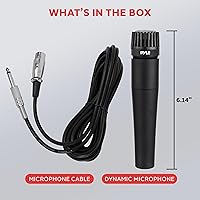
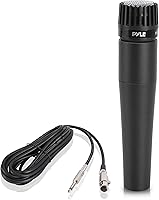
  • Included Cable: A 15ft (approximately 4.6m) XLR-to-1/4-inch cable is included in the box, functional for basic use but not a high-fidelity shielded cable.
  • Power Source: Corded electric operation via plug-in power through the XLR connection; phantom power is not required or supported.
  • Weight: 1.3 pounds (approximately 590g), making it a reasonably lightweight handheld option for extended live vocal performance.
  • Dimensions: 3.5 x 10 x 5 inches overall package dimensions; the mic body itself measures approximately 1.24″ in diameter by 6.14″ in length.
  • Compatible Devices: Works with PA systems, audio mixers, audio interfaces, amplifiers, and karaoke machines equipped with XLR or 1/4-inch input connections.
  • Recommended Uses: Designed primarily for live vocals, karaoke, casual home streaming, gaming audio, and rehearsal or small-stage performance environments.
  • Channels: Single-channel (mono) output, standard for a handheld dynamic vocal microphone of this type.
  • Market Availability: Has been continuously available since July 2011, giving it an unusually long track record and a substantial base of real-world user experience.
  • Manufacturer: Manufactured and distributed by Sound Around, the parent company behind the Pyle and PylePro audio equipment brand.

Related Reviews
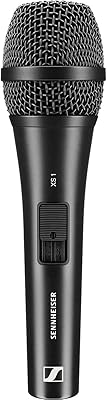
Sennheiser XS 1
Sennheiser XS 1
86%
93%
Build Quality
91%
Value for Money
87%
Feedback Rejection
84%
Speech Intelligibility
89%
Switch Performance
More
CAD Audio D90 Handheld Dynamic Microphone
81%
91%
Build Quality
84%
Vocal Clarity
88%
Output Signal Strength
89%
Value for Money
63%
Handling Noise
More
Shure SM48 Handheld Dynamic Microphone
83%
91%
Build Quality
88%
Value for Money
74%
Sound Quality
89%
Feedback Rejection
83%
Handling Noise
More
Audio-Technica PRO61 Hypercardioid Dynamic Microphone
81%
88%
Feedback Rejection
84%
Build Quality
71%
Tonal Character
79%
Value for Money
86%
Polar Pattern Precision
More
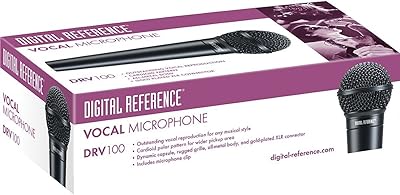
Digital Reference DRV100 Dynamic Cardioid Handheld Microphone
73%
83%
Build Quality
88%
Value for Money
62%
Audio Clarity
71%
Noise Rejection
91%
Ease of Setup
More
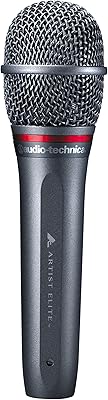
Audio-Technica AE6100 Hypercardioid Dynamic Microphone
78%
88%
Feedback Rejection
93%
Build Quality
84%
Handling Noise Isolation
76%
Vocal Clarity
71%
Value for Money
More
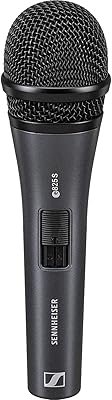
Sennheiser E825-S
Sennheiser E825-S
87%
94%
Build Quality & Durability
91%
Feedback Rejection
88%
Switch Functionality
86%
Handling Noise Isolation
84%
Vocal Clarity
More
Shure PGA58
Shure PGA58
86%
93%
Build Quality
86%
Vocal Clarity
89%
Feedback Rejection
96%
Value for Money
84%
Switch Design
More
Shure PGA48-XLR
Shure PGA48-XLR
83%
93%
Build Quality
86%
Vocal Clarity
91%
Value for Money
82%
Feedback Rejection
74%
Handling Noise
More
TELEFUNKEN M80 Dynamic Microphone
89%
94%
High-Frequency Clarity
96%
Build Quality & Durability
92%
Off-Axis Noise Rejection
91%
Vocal Cut & Presence
89%
Feedback Resistance
More

FAQ

You will need an audio interface or mixer between the mic and your computer — it uses an XLR connector, not USB, so it won't plug directly into a laptop or PC. If you already own something like a Focusrite Scarlett or a basic mixer with XLR inputs, you're set. If not, factor that into your budget before buying.

Most likely yes, as long as your karaoke machine has an XLR or 1/4-inch microphone input. The included cable has an XLR connector on one end and a 1/4-inch plug on the other, which covers the most common karaoke machine input types. Just double-check your machine's input spec before purchasing.

It's worth understanding before you buy. A 600 Ohm impedance is higher than what many modern audio interfaces are optimized for, which can result in a slightly weaker signal that needs more gain to bring up to a usable level. For karaoke, PA systems, and casual streaming it rarely causes a noticeable issue, but if you're pairing it with a budget interface that has a noisy preamp, you may hear some hiss at higher gain settings. Check your interface's input impedance spec if you're unsure.

The bundled 15ft XLR-to-1/4-inch cable is serviceable for casual use, but it's not a premium shielded cable. For home karaoke or a rehearsal room it'll do fine. If you're running longer signal chains or performing in environments with a lot of electrical interference, picking up a quality replacement cable is a worthwhile small investment.

The zinc die-cast body is genuinely durable and handles the physical wear of regular gigging well. That said, some longer-term users have noted that the XLR connector can show wear after extended heavy use, so it's worth treating the connection point with care — avoid yanking the cable out by the cord rather than the plug. For occasional to moderate use, many buyers report years of reliable service.

You can, but keep your expectations in line with what it is — a budget dynamic mic, not a studio condenser. It will capture clear, intelligible vocals and works well for spoken word, casual podcast recordings, and streaming. If you're aiming for polished music production recordings with extended clarity and nuance, a dedicated condenser mic in the same or slightly higher price range would serve you better.

No — as a dynamic microphone, the PDMIC78 does not require phantom power at all. You can safely plug it into interfaces or mixers with phantom power enabled without damaging it, but it simply doesn't need it to operate. This actually makes it more compatible with a wider range of basic PA systems and older mixers.

Yes, it's a reasonable choice for streaming if you already have an audio interface to connect it to. The cardioid pattern helps cut down on keyboard clicks, room echo, and background noise that your mic would otherwise pick up. It won't sound as polished as a dedicated streaming condenser, but for a budget entry into XLR mic territory it gets the job done clearly enough that your audience won't complain.

It's well-suited for exactly that kind of environment. Dynamic mics handle high sound pressure levels easily, and the cardioid pattern helps reject feedback from stage monitors — both practical advantages in a loud rehearsal room or small venue. The metal body also means it can take the bumps and drops that come with live performance without falling apart.

A USB mic is simpler to set up since it plugs straight into a computer, while this handheld mic requires an interface or mixer as a middle step. That said, going XLR is a better long-term investment — you can swap microphones, add a mixer, and build a real audio chain over time. If you already have the necessary interface, this Pyle dynamic mic gives you more flexibility and generally a sturdier physical build than most USB mics at a comparable price.

Where to Buy