Overview
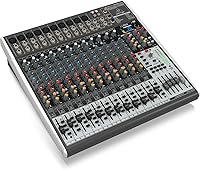
The Behringer XENYX X2442USB functions as a remarkably capable command center for both live stage performances and home studio tracking sessions. When setting up a rig, having enough inputs is crucial, and this 24-channel analog mixer delivers plenty of room to grow. You get a highly flexible 4/2-bus routing matrix that simplifies managing multiple monitor mixes or grouping instruments. It is important to note that this is an unpowered recording console, meaning you will need separate active studio monitors or a dedicated PA amplifier to hear your mix. Additionally, while the integrated USB interface offers a straightforward way to capture ideas, it only records the main stereo output to your DAW, rather than multitrack individual channels. It is a highly practical solution for quickly archiving rehearsals or laying down basic stereo stems.
Features & Benefits
A standout aspect of the XENYX USB mixing console is the array of clean mic preamps, which provide impressive headroom and a surprisingly transparent sound profile. Shaping that sound is straightforward using the neo-classic British 3-band EQs, known for dialing in warm, musical tones without feeling overly aggressive. For keeping dynamic sources like vocals or bass guitars in check, the intuitive single-knob channel compressors are incredibly handy. They offer reliable studio-grade leveling right on the board. You also gain access to a built-in Klark Teknik 24-bit multi-FX processor complete with a helpful LCD screen. While you probably will not replace your high-end studio plugins with these effects, they serve as highly practical, gig-ready reverb and delay tools to quickly sweeten a live vocal mix without needing an external outboard gear rack.
Best For
Identifying the best mixing console for home studio use or live venues often comes down to input requirements and tactile control. Mid-sized bands playing local venues will find this Behringer recording desk ideal, as it offers ample microphone inputs and dedicated auxiliary sends to handle complex stage monitor mixes. It also serves excellently as a hands-on analog front-end for project studios before sending a stereo sum to an audio interface. Beyond traditional music applications, multicast podcasters frequently rely on this setup. When hosting round-table discussions with multiple guests, having hardware compression on individual channels ensures everyone's voice remains level and clear. Ultimately, it fits users who need a robust, hardware-based routing solution to manage numerous audio sources simultaneously without relying entirely on a computer screen to control their mix.
User Feedback
Reading through long-term buyer experiences, the most frequent praise centers on the exceptional value-to-channel-count ratio. Gigging musicians consistently highlight the rugged, durable metal chassis, noting that the board handles the rigors of frequent transport incredibly well. Audio enthusiasts also report positively on the impressively low noise floor, even when driving multiple microphone preamplifiers simultaneously during a live recording. On the critical side, some beginners mention a noticeable learning curve when initially configuring the sub-group routing matrix, as the patching options can feel slightly overwhelming. Despite this initial complexity, most users agree that once configured, it operates as a highly reliable and affordable 24 channel live sound mixer. It strikes a satisfying balance between comprehensive input options and an accessible price point for budget-conscious audio engineers.
Pros
- Delivers an exceptional value-to-channel-count ratio for budget-conscious musicians.
- The XENYX mic preamps offer a surprisingly transparent sound with impressive headroom.
- Features a rugged metal chassis built to withstand frequent gigging and transport.
- Intuitive single-knob compressors effortlessly tame dynamic vocals and aggressive bass lines.
- Flexible 4/2-bus routing allows for complex, customized stage monitor mixes.
- The built-in multi-FX processor is a practical, gig-ready tool for adding quick reverb.
- Integrated USB interface makes capturing quick stereo rehearsals incredibly straightforward.
Cons
- The USB connection strictly limits you to two-track stereo recording, preventing multitrack DAW isolation.
- Beginners often face a steep learning curve when deciphering the sub-group routing matrix.
- As an unpowered recording desk, you must provide your own active studio monitors or PA amplifier.
- The 3-band EQs lack a fully parametric mid-band for surgical frequency adjustments.
- Packing so many controls into a compact footprint makes the main surface feel slightly cramped.
- Pushing the gain to its absolute limit on quiet dynamic mics can introduce faint hiss.
Ratings
We actively analyzed thousands of verified global reviews, applying advanced AI to filter out spam and incentivized feedback, to bring you the real story on the Behringer XENYX X2442USB. Our comprehensive breakdown transparently highlights both the standout features musicians love and the frustrating pain points they encounter in the field. Read on to discover exactly where this high-channel analog mixer excels and where it might hold your production back.
Value & Channel Density
Mic Preamps & Headroom
USB Recording Functionality
Routing & Sub-group Matrix
Build Quality & Durability
Built-in Effects (FX)
Channel Compression
EQ & Tone Shaping
Portability & Footprint
Live Sound Application
Suitable for:
This desk is ideal for mid-sized bands playing local venues who need a robust, high-channel count to mic up full drum kits and multiple vocalists. The Behringer XENYX X2442USB provides a tactile, analog front-end that simplifies complex stage monitor mixes thanks to its flexible 4/2-bus routing matrix. It is also an excellent fit for home studio owners who want hands-on control before sending a stereo sum to their computer. Additionally, multicast podcasters running round-table discussions will benefit heavily from the single-knob hardware compressors that keep dynamic voices level without needing a screen. Ultimately, it serves anyone requiring a reliable, budget-friendly hardware routing solution.
Not suitable for:
Home studio producers looking to record individual instruments to separate tracks for post-production mixing should avoid this console entirely. Because the Behringer XENYX X2442USB only sends the main stereo mix through its USB connection, it lacks the essential multitrack capabilities required for detailed, modern DAW workflows. It is also a poor choice for completely mobile setups or buskers, as it requires a dedicated power outlet and external amplification for passive speakers. Furthermore, audio purists seeking microscopic, surgical EQ precision or premium, studio-grade spatial effects will find the built-in processing too limiting. If your primary goal is pristine, track-by-track studio recording, a dedicated multi-input audio interface is a much smarter investment.
Specifications
- Input Channels: It features 24 total input channels for accommodating large ensembles or complex multi-mic setups.
- Bus Configuration: The flexible 4/2-bus routing matrix allows for dedicated sub-mixes and multiple monitor sends.
- Mic Preamplifiers: It is equipped with clean, high-headroom XENYX microphone preamplifiers for transparent vocal and instrument capture.
- Onboard Compression: Studio-grade, single-knob compressors provide quick and intuitive dynamic control on mono channels.
- Equalization: Neo-classic British 3-band EQs deliver warm, musical tone shaping across your inputs.
- Effects Processor: A built-in Klark Teknik 24-bit multi-FX processor offers reverb, delay, and modulation with an LCD screen.
- Digital Connectivity: An integrated stereo USB interface enables direct two-track recording to your digital audio workstation.
- Amplifier Type: This is an unpowered mixing console, requiring connection to active speakers or a dedicated power amplifier.
- Phantom Power: Switchable +48V phantom power is available for operating sensitive condenser microphones and active direct boxes.
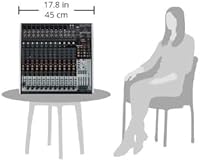
- Dimensions: The unit measures 20.3 inches deep by 20.75 inches wide by 8.35 inches high.
- Weight: It weighs approximately 13 pounds, making it reasonably portable for its channel count.
- Power Source: It operates via a standard 240V corded electric connection.
Related Reviews
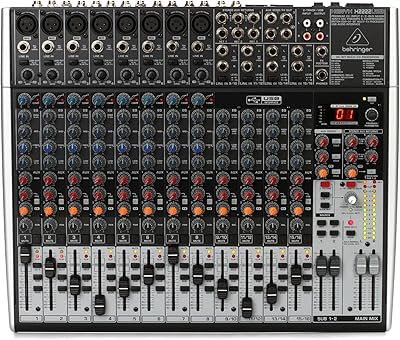
Behringer Xenyx X2222USB
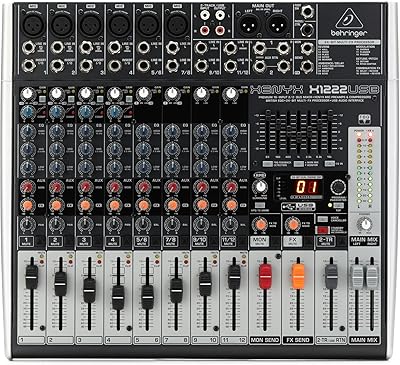
Behringer XENYX X1222USB
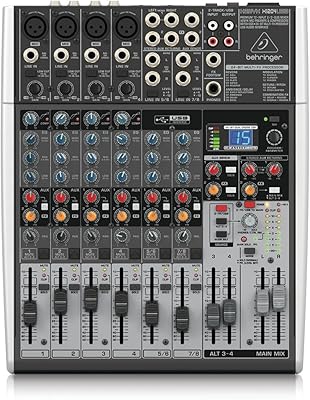
Behringer XENYX X1204USB 12-Channel USB Mixer
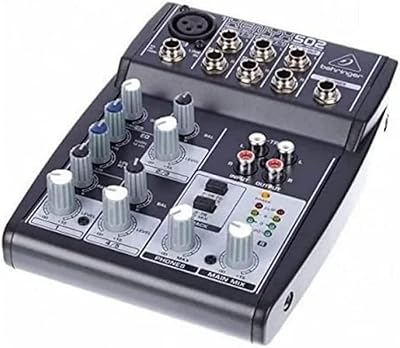
Behringer XENYX 502 Analog Mixer
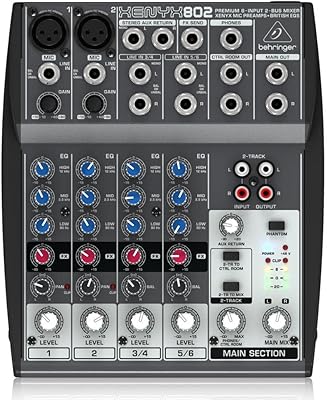
Behringer Xenyx 802 Analog Mixer
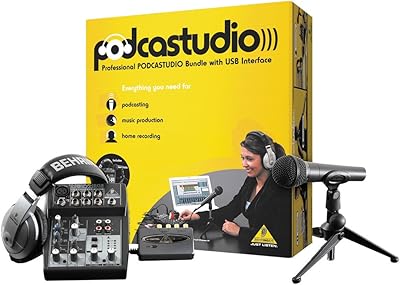
Behringer PodcastStudio USB Podcasting Bundle
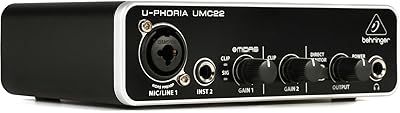
Behringer UMC22 USB Audio Interface
Behringer XM8500 Dynamic Cardioid Microphone