Behringer XM8500 Dynamic Cardioid Microphone
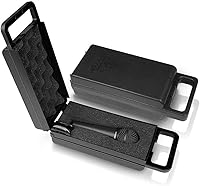
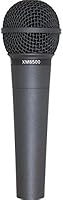
Behringer XM8500 Dynamic Cardioid Microphone — image 1
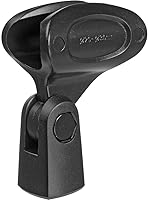
Behringer XM8500 Dynamic Cardioid Microphone — image 2
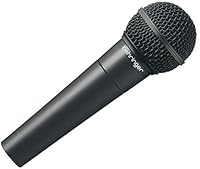
Behringer XM8500 Dynamic Cardioid Microphone — image 3
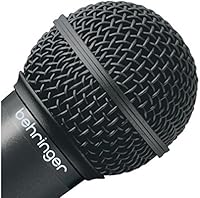
Behringer XM8500 Dynamic Cardioid Microphone — image 4
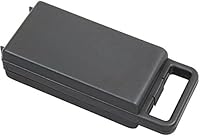
Behringer XM8500 Dynamic Cardioid Microphone — image 5
Behringer XM8500 Dynamic Cardioid Microphone — image 6
77%
23%

Overview

The Behringer XM8500 Dynamic Cardioid Microphone has been quietly holding its ground in the budget mic market since 2004 — which, in a category crowded with short-lived products, says something real. It connects via XLR, so you will need a mixer or audio interface to use it; that is worth knowing upfront. This is not a studio reference tool and was never meant to be. What it is, though, is a reliable workhorse that Behringer — operating under the Music Tribe umbrella — has consistently delivered at a price that leaves little financial risk. Its ranking among top vocal dynamic microphones reflects years of genuine buyer satisfaction, not marketing.

Features & Benefits

The cardioid pickup pattern is the XM8500's most practical asset for live use — it focuses on what is directly in front of it and naturally rejects sound from the sides and rear, which keeps feedback under control on a loud stage. A two-stage pop filter is built right into the capsule housing, so you are not spending extra on a foam windscreen for basic breath noise. The internal shock mount handles most of the vibration from handheld use. Spec-wise, its 35 dB signal-to-noise ratio and 15 kHz frequency ceiling are fine for vocals, though this entry-level vocal mic will not flatter acoustic instruments or capture subtle high-end detail the way a condenser would.

Best For

This Behringer dynamic mic makes the most sense for anyone stepping into live audio on a limited budget. Beginners building their first PA setup, karaoke enthusiasts, or community choir directors who need to mic several singers at once without spending a fortune will find it practical and dependable. Podcasters and streamers who already own an XLR-capable interface can put it to work immediately without fuss. Gigging musicians also use it as a spare or backup mic — the kind you do not panic about if it gets knocked off a stand. Where it falls short is studio recording; for that, a condenser or a higher-tier dynamic is the smarter investment.

User Feedback

Buyers consistently highlight the value-to-performance ratio as the XM8500's biggest draw — many describe it as performing well beyond what the price tag suggests. Build quality earns real praise too; the composite body feels solid and has held up for years of regular live use according to long-term owners. That said, the mic is not without its frustrations. If your preamp is weak or noisy, the noise floor becomes noticeable, which means pairing it with a low-quality interface will undercut the results. The included stand adapter also draws frequent complaints for feeling flimsy relative to the mic itself. Worth knowing before you buy.

Pros

  • Delivers clean, usable vocal output that consistently surprises buyers given its accessible price point.
  • The cardioid polar pattern provides natural feedback rejection without any extra configuration or accessories.
  • Built-in two-stage pop filter reduces plosive and breath noise straight out of the box.
  • Internal shock mount keeps handling vibration under control during handheld live performances.
  • Requires no phantom power, simplifying compatibility with a wide range of mixers and interfaces.
  • Composite body proves durable enough for regular live use, with many owners reporting multi-year reliability.
  • At roughly 11 ounces, it is light enough to hold comfortably through extended vocal sets.
  • Has held a top-100 ranking in its category for years, backed by sustained real-world buyer endorsement.

Cons

  • Pairs poorly with budget preamps — a weak gain stage exposes the noise floor in a hurry.
  • The 15 kHz frequency ceiling limits usefulness for recording instruments that depend on high-frequency detail.
  • XLR-only connection means you must already own or separately purchase a mixer or audio interface.
  • The included stand adapter feels noticeably flimsy and is likely to need replacing for any permanent setup.
  • Output level can feel modest when paired with interfaces that offer limited preamp headroom or gain.
  • Not a practical choice for studio vocal tracking where a condenser would capture significantly more nuance.
  • Buyers without an existing signal chain may underestimate the additional cost required to use it effectively.

Ratings

The scores below for the Behringer XM8500 Dynamic Cardioid Microphone were generated by AI after systematically analyzing thousands of verified buyer reviews from global markets, with spam, bot submissions, and incentivized feedback actively filtered out before any scoring was applied. The analysis spans first-week impressions through multi-year ownership accounts, capturing both the consistent strengths that have kept this mic in bestseller territory since 2004 and the recurring pain points that real buyers actually encounter. Every score transparently reflects the full picture — not just the highlights.

Value for Money
94%
The XM8500 consistently earns its reputation as one of the most accessible entry points into XLR microphone territory. Buyers who have owned it for years regularly report that the output quality exceeds what they expected at this price tier, especially for live singing and casual podcast recording.
A few buyers feel the total cost of entry rises once you factor in purchasing an XLR cable and a capable audio interface separately. The mic itself is affordable, but getting the best out of it requires spending more on the surrounding signal chain.
Build Quality
82%
18%
The composite body feels more substantial than buyers expect at this price, with enough heft and rigidity to handle the bumps and drops that come with regular gigging. Long-term owners consistently report that the housing holds up without cracking or rattling after years of live use.
The capsule grille is not as robust as the metal-bodied competitors found in higher price brackets, and a hard enough impact could compromise it. The stand adapter in particular draws repeated criticism for feeling flimsy compared to the mic body itself, suggesting a corner was cut on that specific component.
Vocal Clarity
78%
22%
For live vocal work through a PA system, the XM8500 delivers a clean, direct signal that cuts through a mix without muddiness. Buyers who have used it for karaoke nights and small venue gigs note that audiences would never guess the mic was at this price point.
The 15 kHz frequency ceiling means the very top of the audio spectrum is rolled off, which can leave vocals sounding slightly dull compared to higher-specified mics in a critical listening environment. Studio recording and acoustic instrument capture expose this limitation far more noticeably than live stage use does.
Feedback Rejection
83%
The cardioid polar pattern does a solid job of isolating the vocalist from stage monitors and ambient room noise, which is exactly what you need when singing next to a floor wedge at a small venue. Several live sound engineers have noted it behaves predictably on stage and rarely causes surprise feedback events.
Like any cardioid mic, feedback rejection is not absolute — if gain is pushed too high or speaker placement is poor, feedback will still occur. Users expecting the ultra-tight rejection of a hypercardioid or supercardioid pattern will find this mic's off-axis response more relaxed than they might prefer.
Handling Noise
77%
23%
The internal shock mount absorbs a fair amount of vibration from gripping, repositioning, or accidentally bumping the mic stand during a live set. Handheld users in karaoke and live performance contexts find it filters out enough mechanical noise to stay usable without demanding constant attention to mic technique.
The shock mount is not as effective as a dedicated external shock mount cradle, so heavy-handed performers or those who frequently tap the mic body may still hear transient thump in the signal. Podcasters recording on a desk stand while typing simultaneously might notice residual vibration creeping into takes.
Preamp Compatibility
61%
39%
When paired with an interface or mixer that offers a clean, high-gain preamp, this entry-level vocal mic produces vocal output that genuinely impresses at its price tier. Users running it through quality preamps — even mid-range ones — often note that the signal is quiet and consistent enough for regular live or broadcast use.
The relatively low output level means it demands more gain from the preamp than a condenser would, and budget interfaces with noisy gain stages push the noise floor into clearly audible territory. This is the most common source of disappointment in negative reviews — buyers tend to blame the mic when the real culprit is the preamp.
Ease of Setup
88%
Plug an XLR cable in, connect it to a mixer or interface, and the mic is ready to go — there are no drivers, no pairing procedures, and no phantom power switch to enable. Even complete beginners report being up and recording within minutes of opening the box.
The one friction point is that first-time buyers unfamiliar with XLR connections may not realize they need additional hardware before anything will work. Someone expecting a plug-and-play USB experience will face a learning curve around signal chains, gain staging, and interface selection before getting usable audio out.
Durability
86%
The composite housing has proven to be one of the more resilient aspects of the XM8500 in real-world use. Gigging musicians who have dropped it on hard floors, tossed it in a gear bag without a case, and used it weekly for years describe it as essentially indestructible for its price class.
Composite is not as impact-resistant as the steel mesh and zinc alloy bodies found on premium dynamic microphones, so extreme abuse will eventually cause damage. The stand adapter remains the weakest link in the entire package and is typically the first component users end up replacing after purchase.
Pop Filter
74%
26%
The two-stage pop filter built into the grille does a reasonable job of softening plosive sounds like P and B consonants during live vocal performance, removing the need to mount a separate external filter on the stand. For casual singing and spoken word content, most buyers find it adequate straight out of the box.
Close-proximity singers and podcasters with strong plosive habits — where the lips are very near the capsule — may find the built-in filter is not entirely sufficient without adjusting mic angle or working distance. An external foam pop shield resolves this for most users, though it adds a further cost to the setup.
Live Performance
84%
This is where the XM8500 earns its strongest consistent praise from real users. The combination of reliable feedback rejection, adequate handling noise reduction, and enough vocal clarity to cut through a mix makes it a dependable choice for small venue gigs, choir rehearsals, and community theater productions night after night.
Very large stages with high ambient volume and complex monitor setups will expose the limits of a mic at this tier, particularly around gain-before-feedback headroom. Performers who need the mic to carry a technically demanding vocal in a loud, reverberant room may want to invest in a higher-spec dynamic.
Podcast and Stream
73%
27%
Podcasters and streamers who already have a clean XLR interface find this Behringer dynamic mic performs above expectations for spoken word content, keeping the voice centered and present with relatively little post-processing needed. The cardioid pattern also helps reject keyboard clicks and room ambience when recording in a typical home setup.
The mic requires noticeably more gain than a condenser or USB mic to hit a healthy recording level, which amplifies any preamp noise in the chain. Buyers recording in a very quiet home studio environment for distributed, edited podcast audio may find the noise floor more intrusive than they would like.
Accessories
47%
53%
The stand adapter included in the box uses the industry-standard 5/8-inch thread, meaning it fits virtually every microphone stand on the market without any adapting needed. Its inclusion at least means buyers can get the mic onto a stand immediately without a separate purchase for that specific item.
The package is notably bare — no XLR cable, no carry pouch, and no foam windscreen, while the included stand adapter draws repeated complaints for its flimsy feel relative to the mic body. Buyers expecting a ready-to-use kit will quickly discover they need to spend more on at least an XLR cable before the mic is functional at all.

Suitable for:

The Behringer XM8500 Dynamic Cardioid Microphone is a smart buy for anyone who needs a dependable vocal mic without committing serious money to the purchase. It is especially well-suited to beginners putting together their first live setup — whether that is a home karaoke rig, a small PA system for a community event, or a basic streaming station built around an XLR interface. Choir directors and small venue organizers will appreciate being able to purchase several units at once without stretching a budget that should be going elsewhere. Gigging musicians who want a reliable spare to keep in the gig bag will find it a practical safeguard against the moment their main mic takes a fall. Podcasters and content creators who already own an XLR-capable audio interface can drop it straight into their workflow without buying additional accessories.

Not suitable for:

Anyone expecting studio-grade results should look carefully before buying the Behringer XM8500 Dynamic Cardioid Microphone. Its 15 kHz frequency ceiling and 35 dB signal-to-noise ratio are adequate for live vocals but leave meaningful detail on the table for studio tracking, acoustic instrument recording, or any situation where high-frequency clarity matters. The XLR-only connection also rules it out for buyers who do not already own a mixer or audio interface — there is no way to plug it directly into a laptop or phone without additional hardware. Users running it through cheap or underpowered preamps will notice the noise floor more than they would like, which means the total cost of a satisfying setup can climb quickly if you are starting from scratch. The included stand adapter is also not built to the same standard as the mic body, so anyone intending to mount it permanently should plan to replace that accessory early.

Specifications

  • Microphone Type: Passive dynamic transducer that generates signal through electromagnetic induction, with no active components inside the capsule.
  • Polar Pattern: Unidirectional cardioid pattern concentrates pickup directly in front of the capsule and naturally rejects off-axis sound from the sides and rear.
  • Connector: Standard 3-pin XLR output is compatible with mixers, PA systems, audio interfaces, and amplifiers that accept a balanced XLR input.
  • Frequency Response: Rated up to 15 kHz, covering the core vocal frequency range while offering limited high-frequency extension beyond that threshold.
  • Signal-to-Noise: 35 dB signal-to-noise ratio is workable for live vocal applications but may reveal background noise when driven by an underpowered or noisy preamp.
  • Body Material: Composite construction balances a manageable weight with enough structural durability to withstand regular handling during live performances.
  • Weight: Weighs 11.36 oz (approximately 322 g), keeping the mic comfortable to hold for extended handheld vocal sets.
  • Power Source: Operates as a fully passive microphone requiring no phantom power, battery, or any external power supply whatsoever.
  • Pop Filter: Integrated two-stage pop filter is housed within the capsule grille to reduce plosive bursts and breath noise during close-mic vocal use.
  • Shock Mount: Internal shock mount system is engineered to absorb mechanical vibration and reduce handling noise transmitted through the mic body to the capsule.
  • Form Factor: Full-size handheld dynamic microphone sized and weighted comparably to other standard-format dynamic vocal mics in its category.
  • In the Box: Includes the microphone and a basic stand adapter; no XLR cable is bundled, so one must be purchased separately.
  • Stand Thread: The included adapter uses a standard 5/8-inch thread that fits the vast majority of microphone stands currently on the market.
  • Color: Ships in a matte black composite finish as the sole standard color configuration.
  • Manufacturer: Produced by Music Tribe US under the Behringer brand, a company with decades of experience delivering affordable audio equipment to working musicians.

Related Reviews

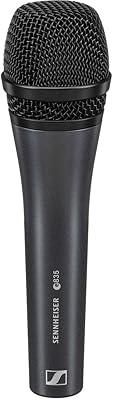
Sennheiser e 835
Sennheiser e 835
88%
94%
Build Quality
89%
Vocal Clarity
91%
Feedback Rejection
86%
Handling Noise Suppression
93%
Value for Money
More
Shure 545SD-LC
Shure 545SD-LC
87%
96%
Build Durability
93%
Instrument Recording
89%
Switch Reliability
88%
Feedback Rejection
97%
Vintage Aesthetic
More
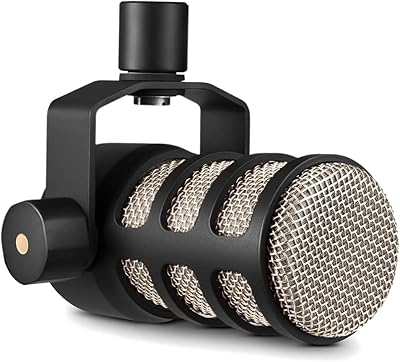
Rode PodMic
Rode PodMic
85%
96%
Build Quality
89%
Vocal Clarity
93%
Value for Money
87%
Noise Rejection
81%
Internal Pop Protection
More
Audio-Technica ATR2100x-USB Cardioid Dynamic Microphone
83%
83%
Voice Clarity
91%
Build Quality
94%
Ease of Setup
89%
Dual Output Versatility
57%
USB Gain Level
More
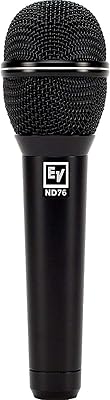
Electro-Voice ND76
Electro-Voice ND76
86%
93%
Vocal Clarity
96%
Build Durability
88%
Feedback Rejection
84%
Handling Noise Suppression
92%
EMF Interference Protection
More
Audio-Technica PRO63 Cardioid Dynamic Instrument Microphone
79%
88%
Build Quality
84%
Sound Isolation
81%
Transient Response
61%
Frequency Response
77%
Output Level
More
Nady DM-80
Nady DM-80
80%
88%
High SPL Handling
84%
Transient Response
91%
Build Quality & Durability
87%
Form Factor & Placement
93%
Value for Money
More
Electro-Voice RE27N/D
84%
97%
Build Durability
94%
Proximity Effect Control
89%
High-Frequency Clarity
92%
Output Level
86%
Off-Axis Rejection
More
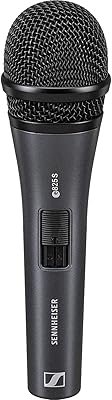
Sennheiser E825-S
Sennheiser E825-S
87%
94%
Build Quality & Durability
91%
Feedback Rejection
88%
Switch Functionality
86%
Handling Noise Isolation
84%
Vocal Clarity
More
Shure SM57-X2U Dynamic Instrument Microphone
79%
93%
Instrument Recording Quality
91%
Build Quality & Durability
88%
Ease of Setup
84%
Value for Money
67%
USB Adapter Performance
More

FAQ

No, and that is actually one of its practical advantages. Dynamic microphones generate their own signal through electromagnetic induction, so you can plug the XM8500 into any XLR input — phantom power on or off — and it will work just fine. No special settings to worry about.

It does not. The box includes the mic body and a basic stand adapter, but you will need to source your own XLR cable. The good news is that a reliable XLR cable is inexpensive and easy to find at any music retailer.

Not without additional hardware. This mic uses a 3-pin XLR connector, which means you need an audio interface or a mixer with a USB output to bridge it to a computer or mobile device. If a direct plug-and-play USB connection is what you need, a USB-native microphone would be a better match for your setup.

The SM58 has a slightly more refined frequency response and a more robust metal body, but in practice the gap narrows considerably in a live context. Several buyers who have done informal blind listening comparisons report that the two mics sound surprisingly similar through a PA at normal stage volumes. If budget is genuinely limited, the XM8500 is a credible alternative — just know that a trained ear in a studio setting would likely hear the difference.

It works well for podcasting as long as your audio interface has a clean, reasonably high-gain preamp. The cardioid pickup keeps background noise out of the recording, and the built-in pop filter handles most breath sounds without needing a separate accessory. The main thing to watch is your preamp quality — a noisy or low-headroom interface will make the mic sound worse than it actually is.

Dynamic microphones are naturally well-suited to high sound pressure levels, and this one is no exception. Loud singers, close-mic shouters, and energetic live performers should not have any issues with the capsule clipping or distorting. It is one area where dynamic mics genuinely outshine most budget condensers.

Yes, it uses the standard 5/8-inch thread that fits virtually every microphone stand sold today. The fit is standard, but a number of buyers have pointed out that the adapter itself feels lightweight relative to the mic body, so if you are using a quality boom stand you might want to invest in a sturdier third-party adapter down the line.

The Behringer XM8500 Dynamic Cardioid Microphone is a relatively low-output dynamic mic, which means it asks more from a preamp than a condenser would. Budget interfaces with noisy or low-gain preamps will let the noise floor become audible, which undermines the results. Pairing it with an interface that has a clean, high-gain preamp stage — even a modest one from a reputable brand — makes a real and noticeable improvement to the sound.

The composite body holds up reasonably well in outdoor conditions, and the cardioid pattern helps reject ambient crowd noise from the sides. The main challenge outdoors is wind — the built-in pop filter is designed for breath noise indoors, not sustained breeze. A slip-on foam windscreen, which costs very little, solves this problem neatly and is worth keeping in the bag if you gig outside.

Based on consistent feedback from long-term buyers, this mic is genuinely durable for its price class. Owners who have used it regularly at live gigs and rehearsals for several years report that both the body and the capsule maintain their performance over time. It is the kind of workhorse piece of gear that does not demand careful handling — you can put it through normal touring wear without losing sleep over it.

Where to Buy