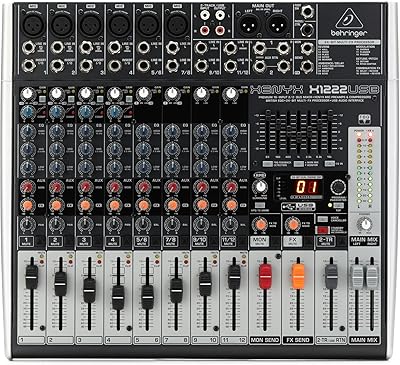
Overview

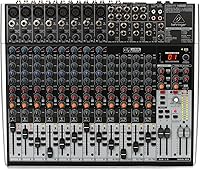
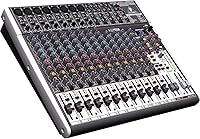
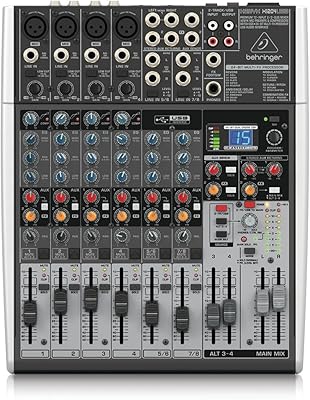
Finding a balance between vintage-style sound and modern digital workflows can be tricky, but the Behringer Xenyx X2222USB attempts to bridge that gap without breaking the bank. This 22-input mixer offers a high-headroom analog signal path that keeps your audio clean even when pushing the gain. While its chassis utilizes composite materials, the build feels surprisingly robust and ready for the rigors of travel. You get the sonic character of a traditional analog board coupled with basic digital connectivity for easy recording. It is a solid choice for anyone who needs plenty of inputs but lacks a massive budget. The tactile response of the knobs and sliders gives you that hands-on control that software cannot replicate. This analog desk stands out as a reliable centerpiece for a growing studio or a busy live stage.

Features & Benefits

Under the hood, the X2222USB packs eight preamps that deliver boutique-level clarity and reliable phantom power for your condenser mics. One of the standout additions is the one-knob compression found on the first four channels; it simplifies the complex task of leveling out vocals or punchy instruments into a single turn. For tone shaping, the classic British-style three-band EQs provide a musical warmth that helps sit different elements nicely in the mix. You also get an internal FX engine loaded with sixteen presets like reverb and delay to add space to your sound. Keep in mind that while the USB interface is incredibly convenient for a quick stereo master recording, it will not track every channel individually into your software. It is a streamlined, effective workflow for live and studio use alike.

Best For

This 22-input mixer is a natural fit for mid-sized bands who need a dependable board for club gigs or rehearsal spaces. Having enough channels to mic up a full drum kit, multiple guitars, and several vocalists makes it a versatile workhorse. It is equally useful for home recording enthusiasts who want to keep all their hardware synths and drum machines patched in and ready to go at a moment's notice. Podcasters will also find plenty to like here, especially since the built-in compressors help manage volume spikes during lively discussions. If you are looking for an affordable centerpiece that can handle both a live set and a multi-mic recording session, this analog desk provides the necessary flexibility without demanding a professional engineer's salary.

User Feedback

Real-world users often point to the exceptional value found here, noting that the noise floor remains impressively low for a board at this price point. There is a lot of praise for the tactile experience, particularly the smooth travel of the 60-mm logarithmic faders which allow for very precise level adjustments during a performance. However, some newcomers mentioned a bit of a learning curve when navigating the bus assignments and routing options for the first time. The reliability of the internal effects engine is another frequent highlight, as the presets sound professional enough for most live applications. While the interface is limited to a stereo out, the overall package remains a favorite for those who prioritize a clean signal and physical controls over complex menu-diving.

Pros

  • Offers an impressive 22 inputs at a price point that is very accessible for hobbyists and local bands.
  • The eight XENYX preamps deliver a clean, transparent sound with a surprisingly low noise floor during recording.
  • One-knob compressors on the first four channels make vocal leveling simple and fast for non-engineers.
  • Long-throw 60-mm logarithmic faders provide more precise control than shorter, budget-style sliders found on smaller boards.
  • The internal 24-bit FX processor includes 16 usable presets for instant atmosphere during live performances.
  • Subgroup routing options give you advanced control over groups of instruments like a full drum kit.
  • Built-in phantom power allows you to use professional condenser microphones across all eight XLR inputs simultaneously.
  • The British-style EQ provides a musical warmth that helps instruments sit naturally and clearly in a live mix.

Cons

  • The USB interface only records a stereo mix, preventing individual multi-track editing in your recording software later.
  • Beginners may find the complex routing and bus assignments difficult to master without studying the manual thoroughly.
  • While the composite body is lightweight for travel, it feels less premium than a full metal chassis.
  • The power cable connection on the back of the unit can feel a bit loose and prone to wiggling.
  • Rotary knobs are packed tightly together, making quick adjustments a bit cramped for those with larger hands.
  • The internal effects engine can introduce a slight digital hiss if the return levels are pushed too high.
  • Fixed mid-range frequencies on the EQ limit your ability to pinpoint and fix very specific tonal issues.

Ratings

Our comprehensive analysis of the Behringer Xenyx X2222USB draws from thousands of verified global reviews to provide an authentic look at its real-world performance. By using advanced AI to strip away promotional fluff and bot-generated noise, we have created a transparent scorecard for this 22-input mixer that balances high-praise features with critical user pain points.

Mic Preamp Performance
87%
Musicians consistently praise the XENYX preamps for delivering a clean, low-noise signal that rivals boutique gear. In quiet recording environments, the transparency allows subtle vocal nuances to shine through without annoying hiss, making the X2222USB a solid choice for tracking.
While they perform well for the price, the preamps can introduce a subtle coloring when the gain is pushed near the limit. Some users noted that the phantom power LED is difficult to see under bright stage lights or in outdoor settings.
One-Knob Compression
91%
The one-knob functionality is a standout for users who need a quick vocal polish without technical fuss. It effectively keeps levels consistent during energetic live performances or podcasts, ensuring the audio remains clear and professional with just one simple turn of the dial.
Experienced sound engineers might find the lack of manual control over attack and release times a bit frustrating. If turned too high, the effect can become overly aggressive, resulting in a squashed sound that loses all its natural dynamic range.
Input Flexibility
93%
With a total of 22 inputs, the X2222USB is a powerhouse for mid-sized bands that need to mic up every instrument. Reviewers love the flexibility of having enough XLR and line inputs to handle a full band rehearsal without needing to swap cables constantly.
The high input count makes the unit fairly large, which can be an issue for those with limited desk space. Managing so many cables in the back can become a messy tangle if you do not invest in proper cable management or a snake.
EQ Musicality
84%
The British-style EQs are highly regarded for their musical warmth, making it easy to shape tones without adding harshness. Users find that the high and low shelves are particularly effective at adding air to vocals or grounding a bass guitar in the mix.
Because the mid-range frequency is fixed, users have less control over specific problem areas in the frequency spectrum. This lack of a sweepable mid can be a hindrance when trying to notch out very specific resonances in a challenging acoustic environment.
FX Processor Utility
79%
21%
The built-in 24-bit processor provides a solid variety of 16 editable presets that sound clean and professional. Having accessible reverbs and delays directly on the board saves space in a gig bag and simplifies the setup process for small live music venues.
While the core reverbs are excellent, some of the more niche effects like pitch shifting sound a bit synthetic to critical ears. Additionally, switching between presets using the rotary dial can feel a bit sluggish when you need to make rapid changes during a show.
USB Audio Connectivity
64%
36%
The integrated USB port allows for a straightforward connection to a computer for quick stereo recordings of rehearsals or live sets. It simplifies the signal chain by removing the need for a separate audio interface when doing basic two-track tracking or live streaming.
Users frequently cite the inability to record multiple individual tracks simultaneously as the major limitation of the interface. Since it only outputs a stereo master mix, you cannot independently edit different instruments or vocals once the recording session has been completed in your software.
Fader Smoothness
88%
The 60-mm logarithmic faders provide a tactile and smooth travel that feels much more precise than standard short-throw sliders. Musicians appreciate the physical feedback, which allows for very fine adjustments during a busy live mix or while tracking in a home studio.
Although the movement is smooth, the plastic fader caps feel a bit lightweight and could potentially break if handled roughly during transport. Dust accumulation can also lead to a scratchy sound over time if this analog desk is not kept covered when not in use.
Subgroup Routing
72%
28%
The 2/2-bus subgroup routing is a massive benefit for managing complex mixes by grouping multiple channels together under a single fader. This allows engineers to easily control the overall level of a drum kit or a group of backing vocalists without affecting individual channel balances.
Many users found the routing buttons and signal paths quite confusing at first, necessitating a thorough read of the manual. The logic for the Alt 3-4 bus is not immediately apparent to those who are used to more basic, entry-level mixing boards.
Value for Money
96%
This analog desk offers an incredible number of inputs and high-end features for a fraction of what competitors charge. Many buyers express that it provides the perfect entry point for bands or home studios looking to expand their setup without a massive financial investment.
To achieve this price, certain aesthetic sacrifices were made, such as using composite materials rather than a full metal frame. A few reviewers mentioned that the plastic knobs feel less premium than those on higher-end professional equipment, though they remain functional.
Physical Build Integrity
76%
24%
Despite its lighter weight, the chassis is rigid enough to survive the occasional bump in a mobile rig. The sealed rotary controls are frequently praised for their ability to resist dust and spill damage, ensuring the pots stay quiet and functional over years of use.
The power cable connection on the back can feel a bit insecure, leading some users to worry about accidental disconnection during a show. While the body is tough, the overall aesthetic is definitely more utilitarian than sleek, which might not suit high-end studio decors.
Portability for Gigging
81%
19%
At just 10.5 pounds, the mixer is surprisingly easy to carry to rehearsals or gigs without needing a team of roadies. Its slim profile allows it to fit into many standard 19-inch racks or padded carry bags, making it a favorite for mobile sound engineers.
The external dimensions are still quite wide, so you will need a decent amount of flat surface area to set it up properly. Some users found that finding a specialized case that fits its specific footprint can be a bit more expensive than they originally anticipated.
Signal-to-Noise Ratio
82%
18%
One of the most common compliments is how quiet the mixer remains, even when multiple channels are active. The low noise floor ensures that your recordings and live sound stay crisp and free from the distracting hum often found in other budget-friendly analog equipment.
If the gain stages are not managed correctly, or if poor quality cables are used, some floor noise can creep in. A few users noted that the internal effects can occasionally add a slight digital hiss to the signal if the effect levels are set too high.

Suitable for:

The Behringer Xenyx X2222USB is a fantastic choice for mid-sized bands that need to manage several vocalists and instruments during live gigs without spending a fortune. Home studio owners who own various hardware synths and drum machines will appreciate having enough inputs to keep everything patched in and ready. It also serves podcasters well, particularly those who host multiple guests and need the immediate leveling that hardware compression provides. If you value tactile control and analog warmth but still want the convenience of a basic digital recording link, this analog desk fits the bill. It is ideal for users who prioritize a low noise floor and straightforward physical faders over complex software menus.

Not suitable for:

Professionals who require multi-track recording directly into their DAW should look elsewhere, as the Behringer Xenyx X2222USB only outputs a stereo master mix via USB. If your workflow depends on independent editing of every single input after the session, this limited digital interface will prove frustrating. Beginners with very limited space might find the physical footprint of this 22-input mixer too cumbersome for a small bedroom desk. Additionally, if you are an advanced engineer who needs deep control over attack and release times, the simple one-knob compressors will likely feel too restrictive. This is not the right tool for those who primarily want a compact, minimalist audio interface without the bulk of a full mixing board.

Specifications

  • Total Input Channels: This mixer provides 22 input channels for diverse audio setups.
  • Microphone Preamps: Eight phantom-powered XENYX preamps offer high-headroom performance similar to standalone boutique units.
  • Dynamics Control: Four channels feature one-knob compressors with integrated LEDs for vocal and instrument control.
  • Equalizer Type: The board utilizes 3-band British EQs to provide a warm and musical sonic character.
  • FX Processor: A 24-bit multi-effects processor includes 16 editable presets like reverb, delay, and pitch shifter.
  • Computer Connectivity: An integrated USB audio interface allows for a direct stereo connection to a computer.
  • Fader Type: Long-wearing 60-mm logarithmic-taper faders are used for precise volume adjustments.
  • Routing Buses: The unit features a 2/2-bus subgroup design to facilitate complex signal routing.
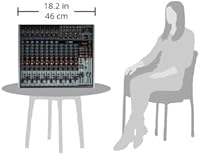
  • Dimensions: The physical footprint of the device is 16.93″ x 13.98″ x 3.54″.
  • Item Weight: The total weight of the hardware is 10.5 pounds.
  • Connector Suite: Input options include 8x XLR and 12x 1/4″ TRS connector ports.
  • Power Source: This is a corded electric device designed for standard power outlets.
  • Operating Voltage: The internal power supply is rated for 240 Volts.
  • Chassis Material: The outer body is made from a durable composite material designed for portability.
  • Control Design: Rotary controls are fully sealed to protect against dust and ensure operational longevity.

Related Reviews
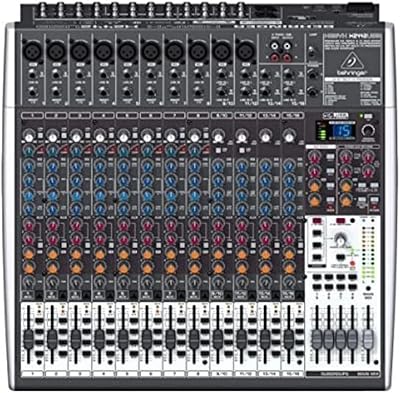
Behringer XENYX X2442USB
80%
91%
Value & Channel Density
84%
Mic Preamps & Headroom
68%
USB Recording Functionality
76%
Routing & Sub-group Matrix
82%
Build Quality & Durability
More
Behringer XENYX X1222USB
78%
93%
Value for Money
88%
Ease of Setup
74%
Preamp Performance
82%
Onboard Compression
68%
Build Quality
More
Behringer XENYX X1204USB Mixer
87%
89%
Sound Quality
92%
Ease of Use
85%
USB Connectivity
80%
Build Quality
90%
Portability
More
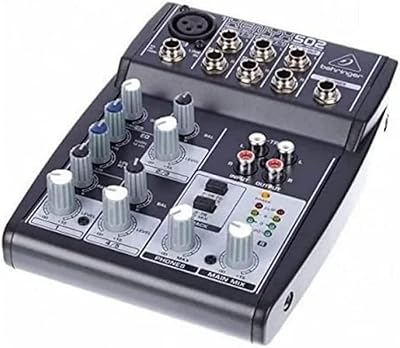
Behringer XENYX 502 Analog Mixer
85%
89%
Audio Quality
93%
Portability
81%
Build Quality
85%
Ease of Use
92%
Value for Money
More
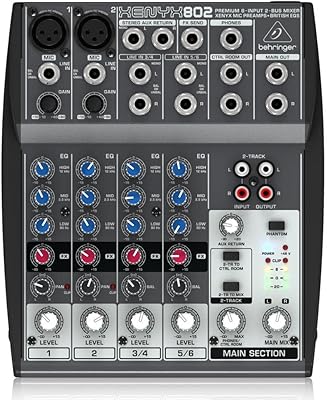
Behringer Xenyx 802 Premium 8-Input 2-Bus Mixer
86%
87%
Sound Quality
91%
Build Quality
92%
Portability
85%
Ease of Use
84%
FX Send Integration
More
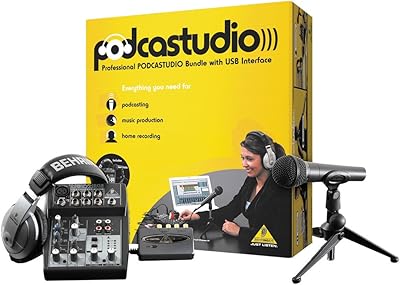
Behringer Podcastudio USB
86%
91%
Value for Money
94%
Ease of Use
88%
Sound Quality
82%
Build Quality
80%
Software Experience
More
Behringer B-5 Microphone
81%
87%
Sound Quality
90%
Build Quality
92%
Value for Money
80%
Ease of Setup
85%
Versatility
More
Behringer XM8500 Wired Microphone
83%
88%
Sound Quality
92%
Value for Money
84%
Build Quality
86%
Ease of Use
85%
Noise Isolation
More
Behringer UMC22 Audio Interface
86%
88%
Sound Quality
93%
Ease of Use
92%
Value for Money
85%
Portability
79%
Build Quality
More
Behringer B-2 PRO Microphone
85%
90%
Sound Quality
87%
Build Quality
92%
Value for Money
85%
Ease of Setup
88%
Versatility (Studio & Live Use)
More

FAQ

No, the USB output on this analog desk only sends a stereo mix of the master output to your software. You won't be able to edit individual instruments separately after they have been recorded.

Yes, there is a global +48V phantom power switch that provides the necessary voltage to all eight XLR mic inputs at once.

At nearly 17 inches wide, it is likely too large for a standard backpack. You should look into a dedicated padded bag or a hard case to keep it safe during transport.

It includes 16 editable presets covering essentials like reverb, chorus, delay, and flanger. You can even use the tap function to sync delay times with your song's tempo.

Definitely! By assigning your drum channels to a subgroup, you can use a single fader to raise or lower the entire kit without losing your individual mic balances.

Most computers will recognize the X2222USB as a generic audio device immediately. For the best performance on Windows, however, downloading the official low-latency drivers is recommended.

Instead of worrying about technical settings like threshold or attack, you just turn the dial until the LED lights up to smooth out volume spikes. It helps keep your vocals sitting consistently in the mix.

The chassis is constructed from a high-quality composite material. It makes the unit light enough to carry to gigs while remaining rigid and durable enough for regular use.

Yes, you just need a cable that splits your device's output into two 1/4″ plugs for one of the stereo channels or use the RCA inputs.

The 60-mm logarithmic faders are designed for a smooth, natural feel. They allow for the kind of subtle, precise movement you need for a professional fade at the end of a song.