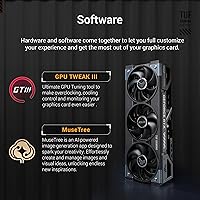
Overview

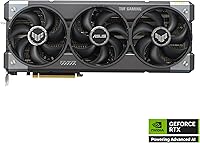
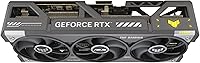
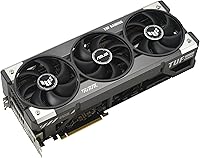
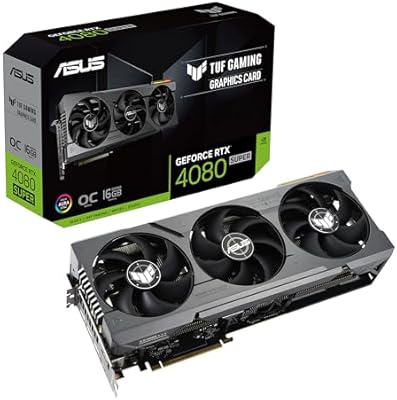
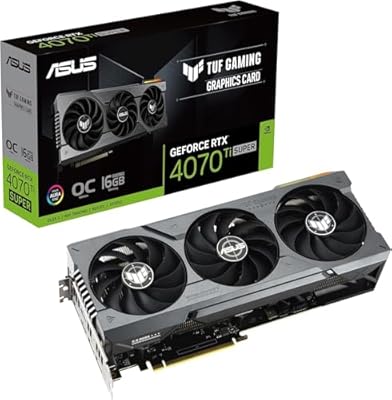
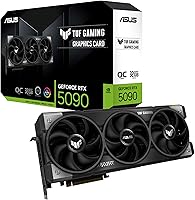
The ASUS TUF Gaming RTX 5090 32GB GPU sits at the very top of the consumer GPU market, and NVIDIA's Blackwell architecture is the reason this generation feels like a genuine leap rather than an incremental update. Compared to Ada Lovelace, Blackwell brings meaningful IPC gains, a wider memory bus, and improved AI compute throughput. The TUF Gaming line has always been ASUS's durability-focused alternative to the flashier ROG Strix — you trade some RGB flair for reinforced components and a more grounded build. This card targets a narrow group of buyers for whom nothing short of absolute peak performance is acceptable. Availability has been constrained since launch, so finding it in stock is itself worth noting.
Features & Benefits

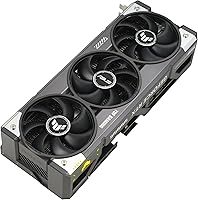
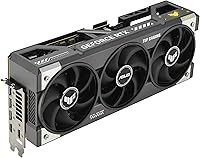
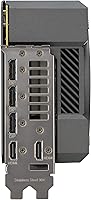
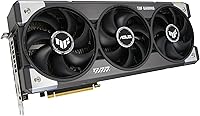
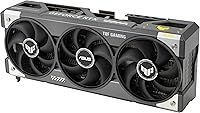
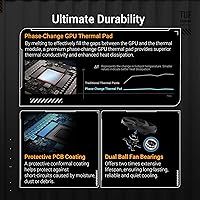
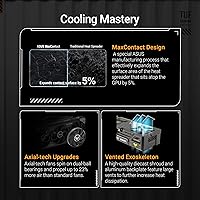
Thirty-two gigabytes of GDDR7 is the headline, and it matters more than it sounds — at 4K with ray tracing pushed hard, VRAM headroom has become a real bottleneck on older cards, and this flagship TUF card sidesteps that entirely. The vapor chamber cooling system, spanning 3.6 slots with three Axial-tech fans, keeps thermals in check during long sessions without generating the fan noise you might expect from a card drawing this much power. The phase-change thermal pad degrades far more slowly than traditional paste under repeated thermal cycling, which matters if you plan to keep this card for years. Five display outputs covering DisplayPort 2.1a and HDMI 2.1b make 8K and multi-monitor setups genuinely practical, and DLSS 4 delivers real frame rate improvements in supported titles without obvious visual trade-offs.

Best For

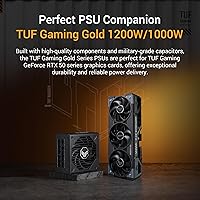
If your monitor runs at 4K with a high refresh rate, or you are seriously considering an 8K display, this graphics card is the most capable consumer option currently available. The 32GB GDDR7 buffer also makes it a strong pick for professionals — Blender artists, video editors cutting RAW 8K footage, and anyone running local generative AI models will find the VRAM headroom genuinely useful rather than just impressive on paper. Sim racing and flight simulation communities have responded well to the RTX 5090 TUF Gaming precisely because those titles are punishing and resist easy optimization shortcuts. What this card is not: a fit for mid-range systems. A weak CPU or an undersized PSU — you will want at least a 1000W power supply — will cap what you actually get out of it.

User Feedback

Across more than 530 ratings, this graphics card holds a 4.5-star average, which is a genuinely strong result at this price tier where buyers are particularly critical. The most consistent praise focuses on temperatures under sustained load: owners report lower readings than expected, with fan noise staying manageable until the card is truly pushed. On the critical side, the physical footprint catches people off guard — at nearly 14 inches long and over 5 pounds, case compatibility is a pre-purchase check you cannot skip. Power draw is the other frequent mention; not every buyer had an adequate PSU ready on day one. A handful of early purchasers flagged packaging concerns at delivery, though actual hardware defect reports were rare once the card was up and running.

Pros

  • Delivers the highest consumer gaming performance currently available at 4K and 8K resolutions.
  • 32GB of GDDR7 VRAM handles today's most demanding games and creative workloads without memory pressure.
  • Vapor chamber cooling keeps thermals impressively low even during extended, demanding sessions.
  • Military-grade components and protective PCB coating support genuine long-term reliability.
  • Five display outputs give multi-monitor setups and content creators outstanding connectivity flexibility.
  • DLSS 4 provides real, visible frame rate gains in supported titles without obvious image quality trade-offs.
  • The phase-change thermal pad outlasts traditional paste, reducing maintenance needs over the card's lifespan.
  • Fan noise stays manageable under typical gaming loads, which is not a given at this performance tier.
  • PCIe 5.0 interface positions this graphics card well for next-generation platform compatibility.
  • A 4.5-star rating across more than 530 verified buyers reflects consistent real-world satisfaction.

Cons

  • At 13.7 inches long, the card will not physically fit in many popular mid-tower cases without careful pre-purchase measurement.
  • A high-wattage power supply — 1000W or more — is a practical requirement, adding cost for buyers who are not already equipped.
  • The card weighs nearly 5 pounds and stresses the PCIe slot without a GPU support bracket, which is not included in the box.
  • CPU bottlenecking is a real risk; older processors will limit performance and reduce the return on a significant investment.
  • Early Blackwell drivers had some rough edges, particularly for DX12 titles, requiring patience from day-one adopters.
  • Stock availability has been inconsistent since launch, making it difficult to purchase at listed price without waiting.
  • Some early buyers reported damaged outer packaging on delivery, raising concerns about third-party shipping handling.
  • The performance premium over the next tier down shrinks considerably at 1440p, making it hard to justify for most screen sizes.
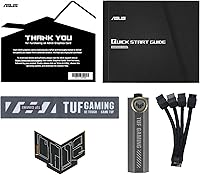
  • The RTX 5090 TUF Gaming has no bundled accessories beyond basic documentation, which feels like an oversight at this price level.
  • Local AI and professional creative use cases that push past enthusiast needs may warrant a dedicated workstation GPU with ECC memory instead.

Ratings

The ASUS TUF Gaming RTX 5090 32GB GPU has been put through rigorous scrutiny by our AI analysis engine, which processed hundreds of verified global buyer reviews while actively filtering out incentivized, bot-generated, and low-quality submissions. What emerged is an honest, multi-dimensional picture of this flagship card — covering everything from raw thermal headroom to the frustrations of fitting it inside a real case. Both the genuine strengths and the recurring pain points are reflected transparently in the scores below.
Thermal Performance
93%
Owners running extended 4K gaming sessions consistently report GPU temperatures staying well within safe margins even during hour-long benchmark runs. The vapor chamber and three Axial-tech fans distribute heat so effectively that thermal throttling is rarely observed under normal gaming workloads.
In very small or poorly ventilated cases, ambient heat buildup can push temperatures higher than expected, since the card exhausts a significant amount of warm air into the chassis. A few users noted the fans spin noticeably faster when ambient room temperature exceeds 30°C.
Gaming Performance
97%
At 4K with maximum settings and ray tracing enabled, the RTX 5090 TUF Gaming delivers frame rates that competing cards simply cannot match in the current generation. Titles that previously struggled past 60 fps at ultra settings now sustain well above 100 fps, making high-refresh 4K displays feel genuinely justified.
The performance ceiling is so high that it exposes CPU bottlenecks in many existing builds — users with older processors often see the GPU sitting below full utilization, which is a system-level issue rather than a flaw in the card itself.
Build Quality
91%
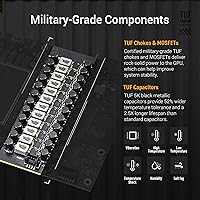
The military-grade component standard is not just marketing copy — buyers who have owned previous TUF cards report the same level of solid construction here, with no flex in the PCB and a backplate that feels genuinely robust rather than decorative. The protective coating adds a layer of confidence for builders in humid environments.
At just under 5 pounds, the card puts real stress on the PCIe slot over time without a GPU support bracket, and ASUS does not include one in the box. Several buyers flagged this as an oversight given the card's weight and price tier.
Cooling Noise Level
82%
18%
Under typical gaming loads, this graphics card runs noticeably quieter than many competing flagship designs, which often spin their fans aggressively to compensate for less effective coolers. Buyers transitioning from older high-end cards frequently comment on how much quieter their system sounds overall.
Push the card hard with a demanding benchmark or a GPU-intensive creative render and the fans do become clearly audible. It is not disruptive with headphones on, but open-back headphone users or those in quiet offices may notice the fan ramp during extended compute tasks.
VRAM Capacity & Bandwidth
96%
Thirty-two gigabytes of GDDR7 is a practical advantage today and an insurance policy for tomorrow — users running AI image generation models locally, editing 8K RAW footage, or playing texture-heavy open-world titles at 4K report zero memory pressure even with multiple applications open simultaneously.
For the majority of current game releases, 32GB remains more than enough, which means some buyers feel they are paying for headroom they will not use for another two or three years. This is a future-proofing cost, not a functional weakness.
DLSS 4 Quality
84%
In supported titles, buyers describe DLSS 4 frame generation as a genuine improvement over previous iterations — the AI-rendered frames hold up better during fast camera movement and produce less ghosting than earlier DLSS versions. For competitive multiplayer, the effective frame rate gains are meaningful.
The benefit is entirely dependent on game support, and the library of DLSS 4-optimized titles is still growing. A handful of users also noted that in very fast-paced shooters, generated frames introduce a subtle input latency increase that more sensitive players can detect.
Physical Size & Case Compatibility
58%
42%
The 3.6-slot design is a deliberate trade-off for superior thermal headroom, and buyers who planned for it report no issues. The card fits comfortably in full-tower and many mid-tower cases that support cards beyond 13 inches in length.
At 13.7 inches long, 2.8 inches tall, and 3.6 slots wide, this card will not physically fit in a large number of popular mid-tower cases without modification. Multiple buyers discovered the compatibility issue only after the card arrived, making this one of the most common sources of frustration in the review pool.
Power Consumption & PSU Requirements
61%
39%
For buyers who came prepared with a high-wattage power supply, the card's power draw is a non-issue — it performs exactly as expected and the TUF line's power delivery components handle transient spikes reliably without coil whine complaints.
The RTX 5090 TUF Gaming demands a robust PSU — most experienced builders recommend at least 1000W, and some advise more for a fully loaded system. Several buyers who underestimated this requirement reported system instability or shutdowns under full load until they upgraded their power supply.
Display Output Versatility
89%
Five display outputs — three DisplayPort 2.1a and two HDMI 2.1b — give multi-monitor enthusiasts and content creators serious flexibility. Running three 4K 144Hz monitors simultaneously while keeping two additional ports free for capture devices or secondary screens is genuinely practical with this setup.
Adapters are occasionally needed for older monitors or projectors that rely on legacy connectors, as there is no DVI or older HDMI output. This is an industry-wide transition issue rather than unique to this card, but it still trips up buyers with mixed display setups.
Longevity & Durability
88%
The combination of the phase-change thermal pad, military-grade capacitors, and the protective PCB coating gives this graphics card a credible argument for lasting well beyond the typical two or three year upgrade cycle. TUF Gaming's track record with previous generations supports this confidence.
Long-term durability claims are inherently difficult to verify for a card that only launched in early 2025. The phase-change pad advantage over traditional paste is well-documented in theory, but real-world multi-year data is still accumulating for this specific product.
Creative & AI Workload Suitability
92%
Video editors, 3D artists, and users running local AI inference models consistently highlight the 32GB GDDR7 pool as a decisive advantage — large model weights load entirely into VRAM without pagefile overflow, and Blackwell's tensor core improvements make AI-accelerated workflows noticeably faster than the previous generation.
At this price point, some professionals would consider a workstation-class GPU instead, which offers ECC memory and better driver support for enterprise software. The RTX 5090 TUF Gaming is a strong prosumer option but is not positioned as a replacement for dedicated professional cards.
Value for Money
63%
37%
For the specific buyer who needs the absolute best 4K or 8K gaming performance available today, the price is defensible — there is simply no other consumer card that competes directly, and the build quality reinforces the long-term investment argument.
By any objective measure, the cost is very difficult to justify for the majority of PC builders. The performance premium over mid-range options narrows significantly at 1440p, and most current game libraries do not demand anywhere near the full capabilities of this card.
Packaging & Unboxing Experience
74%
26%
Most buyers report that the card arrived well-protected, with adequate foam padding and a structured outer box appropriate for a product of this value. The unboxing experience feels appropriately premium for the price tier.
A small but notable segment of early buyers reported damaged outer packaging at delivery, raising concerns about how third-party logistics handle a product this heavy. No widespread reports of actual hardware damage emerged, but the shipping inconsistency is worth flagging.
Driver Stability
78%
22%
For most standard gaming use cases, the Blackwell drivers have been stable since launch, with buyers reporting clean installations and consistent performance across a range of titles and system configurations.
Being a brand-new architecture, some users encountered driver-related quirks in the early months post-launch — occasional crashes in specific DX12 titles and some initial incompatibilities with certain capture card setups. Most issues were addressed in subsequent driver updates, but early adopters experienced a rockier period.

Suitable for:

The ASUS TUF Gaming RTX 5090 32GB GPU is purpose-built for a specific type of buyer — one who has already committed to gaming at 4K or higher resolutions and refuses to accept compromises on frame rates or visual fidelity. If you own or plan to buy a high-refresh-rate 4K monitor, or are seriously evaluating an 8K display, this is the only consumer card that currently makes that investment feel fully realized. Sim racing and flight simulation enthusiasts will find the 32GB GDDR7 buffer particularly valuable, since those titles push VRAM limits that leave mid-range and even upper-mid-range cards struggling. Creative professionals — video editors working with RAW 8K footage, 3D artists running heavy Blender renders, or anyone experimenting with local AI image generation — will also get genuine daily utility from both the memory capacity and the Blackwell architecture's improved compute throughput. Builders who upgrade infrequently and want a card that will remain relevant for five or more years have a strong case here, particularly given the military-grade components and phase-change thermal pad that support long-term reliability.
Not suitable for:

The ASUS TUF Gaming RTX 5090 32GB GPU is a poor fit for anyone who games primarily at 1080p or 1440p, where the performance advantage over far less expensive alternatives narrows to a point that is very difficult to justify financially. Before even considering the price, you need to measure your case — at 13.7 inches long and 3.6 slots wide, this card physically will not fit in a large number of popular mid-tower builds, and discovering that after purchase is an expensive mistake. Your power supply also needs serious attention; a system not already equipped with at least a 1000W unit will likely need an upgrade before this card runs stably under full load. If your CPU is from more than two generations ago, expect it to limit what the card can actually deliver, meaning you are paying for performance you cannot fully access. Casual gamers, students, or anyone building a capable but cost-conscious PC should direct their budget toward cards that are far better matched to typical gaming workloads.
Specifications

  • GPU Chip: Powered by the NVIDIA GeForce RTX 5090 built on the Blackwell architecture, representing NVIDIA's current consumer flagship generation.
  • VRAM: Equipped with 32GB of GDDR7 memory, offering substantially higher bandwidth and capacity than the previous generation's GDDR6X.
  • Boost Clock: The GPU boosts up to 2580 MHz in OC Edition configuration, providing higher sustained performance than the reference specification.
  • Memory Interface: Features a 512-bit memory bus width, enabling the high bandwidth throughput required for 4K and 8K workloads.
  • PCIe Interface: Uses a PCIe 5.0 x16 interface, ensuring compatibility with current and near-future motherboard platforms without bandwidth limitations.
  • Display Outputs: Provides three native DisplayPort 2.1a and two native HDMI 2.1b ports, supporting up to five simultaneous displays.
  • Max Resolution: Supports a maximum output resolution of 7680x4320 pixels (8K) across compatible monitors and display connections.
  • Cooling System: Uses a 3.6-slot vapor chamber heatsink paired with three Axial-tech fans designed for high static pressure and sustained airflow efficiency.
  • Thermal Interface: Ships with a phase-change GPU thermal pad instead of traditional thermal paste, offering better long-term thermal conductivity under repeated heat cycling.
  • PCB Protection: The printed circuit board is coated with a protective layer designed to resist short circuits caused by moisture, dust, and debris exposure.
  • Build Standard: Components are rated to military-grade standards, targeting higher tolerance thresholds for temperature, vibration, and electrical stress than standard consumer parts.
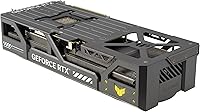
  • Dimensions: The card measures 13.7 inches in length, 5.7 inches in height, and 2.8 inches in depth, requiring significant clearance inside the chassis.
  • Weight: The card weighs approximately 5 pounds, making a dedicated GPU support bracket strongly advisable to protect the PCIe slot over time.
  • Power Connector: Requires a high-wattage power connection compatible with the 16-pin PCIe Gen 5 connector standard used on current high-end GPUs.
  • API Support: Fully supports DirectX 12 Ultimate, Vulkan, OpenGL 4.6, and OpenCL, covering the full range of modern gaming and compute APIs.
  • DLSS Version: Supports DLSS 4 with Multi Frame Generation, enabling AI-assisted frame output at a level not available on prior-generation Blackwell predecessors.
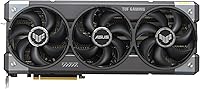
  • Color: Finished in black with the TUF Gaming aesthetic, using a more restrained visual design compared to the ASUS ROG Strix lineup.
  • Amazon Ranking: Holds the number 23 position in the Computer Graphics Cards category on Amazon with a 4.5-star average across 532 verified ratings.

Related Reviews

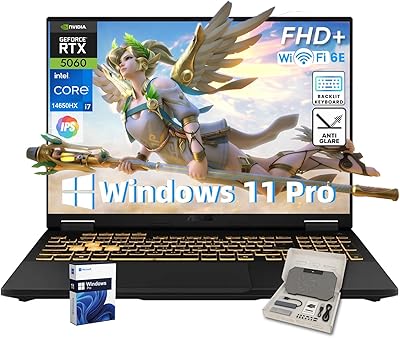
ASUS TUF F16 Gaming Laptop, Intel i7-14650HX, 32GB RAM, 2TB SSD, RTX 5060
84%
94%
Performance
91%
Gaming Experience
89%
Display Quality
88%
Build Quality and Durability
86%
Cooling and Thermals
More
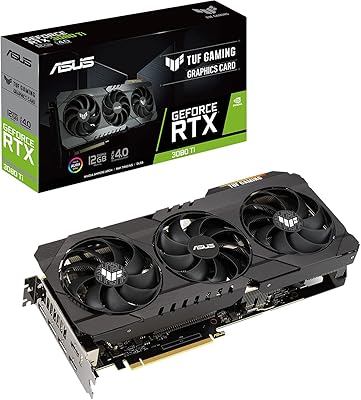
ASUS TUF Gaming RTX 3080 Ti Graphics Card
80%
91%
Gaming Performance
88%
Thermal Management
84%
Noise Level
93%
Build Quality
62%
Value for Money
More
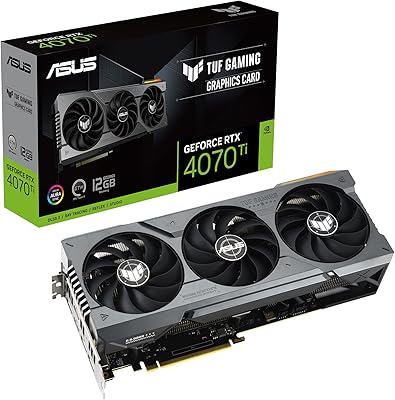
ASUS TUF Gaming GeForce RTX 4070 Ti 12GB
86%
95%
4K Gaming Performance
92%
Ray Tracing & DLSS 3 Support
88%
Cooling System
87%
Build Quality
73%
Size & Fit for PC Builds
More
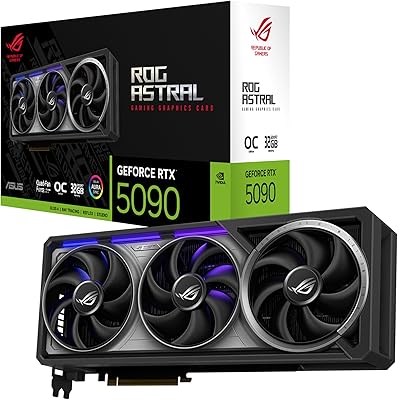
ASUS ROG Astral GeForce RTX 5090 OC Edition 32GB
82%
98%
Raw 8K Gaming Performance
94%
Cooling Efficiency
91%
Acoustic Profile
96%
Physical Build Quality
42%
Case Compatibility
More
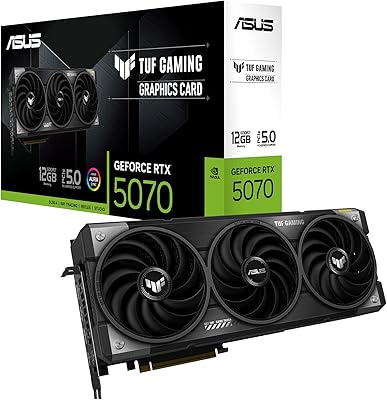
ASUS TUF Gaming GeForce RTX 5070 12GB GDDR7 Graphics Card
87%
94%
Gaming Performance
91%
Cooling Performance
88%
Noise Levels
93%
Build Quality & Durability
80%
Setup & Installation
More
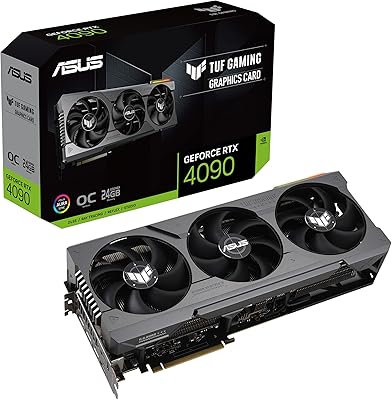
Asus TUF Gaming NVIDIA GeForce RTX 4090 OC Edition 24GB
90%
98%
Gaming Performance
94%
Cooling Efficiency
96%
4K Gaming Experience
92%
Build Quality
87%
Value for Money
More
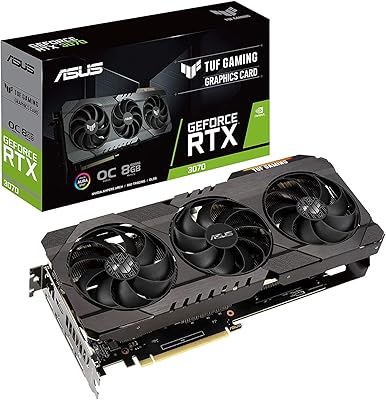
ASUS TUF Gaming NVIDIA GeForce RTX 3070 OC Edition Graphics Card
88%
94%
Gaming Performance
92%
Cooling Efficiency
88%
Setup & Installation
91%
Build Quality & Durability
90%
Ray Tracing & DLSS
More
ASUS TUF Gaming NVIDIA GeForce RTX 4080 SUPER OC Edition 16GB
87%
96%
Gaming Performance
94%
Content Creation Performance
91%
Cooling Efficiency
93%
Ray Tracing Quality
88%
Overclocking Potential
More
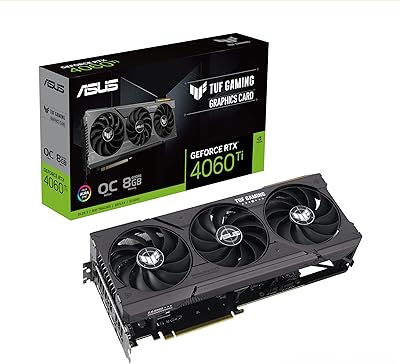
ASUS TUF Gaming GeForce RTX 4060 Ti OC Edition 8GB GDDR6
85%
92%
Performance
88%
Cooling Efficiency
91%
Value for Money
89%
Overclocking Capability
84%
Ray Tracing Quality
More
ASUS RTX 4070 Ti Super 16GB GPU
83%
91%
Gaming Performance
93%
Thermal Management
88%
Noise Level
94%
Build Quality
78%
DLSS 3 & Frame Generation
More

FAQ

Most experienced builders recommend at least a 1000W power supply for a complete system built around this card, and some suggest going higher if you have a power-hungry CPU or multiple storage drives. The RTX 5090 TUF Gaming draws significant power under full load, and running it on an undersized PSU is the most common cause of system instability reported by buyers.

That depends heavily on your specific case. At 13.7 inches long and 3.6 slots wide, this flagship TUF card exceeds the maximum GPU clearance listed for many popular mid-tower builds. Before purchasing, look up your case's maximum GPU length and slot clearance in the manufacturer's specifications — do not assume it fits based on past experience with smaller cards.

Honestly, no — not for most people. At 1440p, the performance gap between this graphics card and significantly less expensive options narrows to a point where the price premium is very hard to justify. This card is built for 4K high-refresh-rate gaming and 8K, and that is where its advantages become genuinely noticeable rather than marginal.

The TUF Gaming line prioritizes durability and sustained reliability using military-grade components, while the ROG Strix typically leans into higher factory overclocks, more aggressive cooling aesthetics, and additional RGB lighting. In real-world gaming performance, the two are very close. If you value understated design and long-term build robustness over maximum out-of-box clock speed, the TUF variant is the more practical choice.

No — the card will work in PCIe 4.0 slots as well, since the PCIe standard is backward compatible. That said, running it in a PCIe 4.0 x16 slot introduces a theoretical bandwidth reduction, though in current real-world gaming scenarios the practical performance impact is minimal. PCIe 3.0 slots may see a more noticeable effect in GPU-intensive workloads.

No maintenance is required on your end. The phase-change pad comes factory-installed and is designed to outlast traditional thermal paste by a significant margin under repeated heat cycling. Unlike conventional paste, it does not dry out or degrade at the same rate, which is one of the reasons the ASUS TUF Gaming RTX 5090 32GB GPU suits buyers who plan to keep the card for many years.
Yes, and then some. The card offers five display outputs total — three DisplayPort 2.1a and two HDMI 2.1b — so three-monitor setups are fully supported without adapters, provided your monitors use compatible connectors. All five ports can be used simultaneously for more elaborate multi-display configurations.

In supported titles, most users describe the improvement as genuine rather than marginal — particularly Multi Frame Generation, which provides higher effective frame rates compared to DLSS 3's single-frame generation approach. The catch is that game support is still expanding, so the benefit you see depends entirely on which titles you play most. Very fast-paced competitive games may also reveal subtle input latency differences that sensitive players can detect.

It is genuinely strong for professional and prosumer creative workloads. The 32GB GDDR7 pool means large AI models, heavy Blender scenes, and 8K video editing projects can load entirely into VRAM without overflow. The Blackwell architecture also brings improved tensor core performance that directly benefits GPU-accelerated AI inference and rendering pipelines. That said, if your work requires ECC memory or certified professional driver support, a dedicated workstation GPU is still the more appropriate tool.

It is a legitimate concern worth addressing proactively. At nearly 5 pounds, the RTX 5090 TUF Gaming puts more stress on the PCIe slot than lighter cards, especially in a horizontally mounted build. ASUS does not include a support bracket in the box, so picking up a third-party GPU brace is a sensible and inexpensive precaution if you plan to keep the card long-term.

Where to Buy