Overview

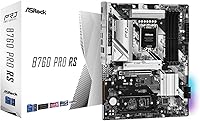
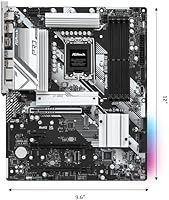
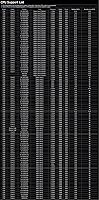
The ASRock B760 Pro RS ATX Motherboard launched in early 2023 as a practical answer for builders who want current-generation features without stretching into Z790 territory. This B760 board supports Intel's 12th, 13th, and 14th Gen CPUs on the LGA1700 socket, giving it a broad compatibility window that holds real value for anyone upgrading incrementally. The full ATX layout means you get a familiar, roomy canvas — plenty of slot spacing, straightforward cable routing, and no compromises on expansion. It sits in a competitive segment, but what it puts on the table at this price point genuinely deserves a closer look.

Features & Benefits

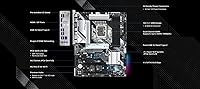
The ASRock B760 Pro RS packs a 10+1+1 power phase setup using Dr.MOS components, which matters when you're running a power-hungry Core i9 or pushing a 13th Gen CPU under extended workloads — this isn't just a spec-sheet number. DDR5 support stretches to 7200MHz with overclocking, though reaching those speeds reliably depends on your memory kit and some BIOS tuning patience. The PCIe 5.0 x16 slot is genuinely unusual at this price tier and keeps the board relevant as next-gen GPUs roll out. Rounding things out, the 2.5G LAN port and both front and rear USB-C connections handle modern peripherals without needing add-in cards.

Best For

This mid-range Intel motherboard is a strong fit for builders putting together a gaming or productivity system around a 12th, 13th, or 14th Gen Intel chip who aren't ready to pay the premium the Z790 platform demands. It also makes sense for anyone who wants to get into DDR5 memory early without locking into a top-shelf board. Content creators and home-office users will appreciate the 2.5G networking and the convenience of USB-C on both the front panel and rear I/O. First-time builders will find the standard ATX layout approachable, and anyone with an eye on upgrading to a PCIe 5.0 GPU down the road won't need to swap the board.

User Feedback

With around 66 ratings and a 4.2 out of 5 score, early buyers lean positive on this B760 board, though the sample size is too small to draw firm conclusions. Many reviewers highlight the painless installation process and point to the BIOS as well-organized and intuitive — a meaningful plus for newer builders. On the critical side, a handful of users mention needing to experiment with memory settings to get DDR5 kits running at advertised speeds, which isn't unique to this board but is worth knowing going in. A few buyers also flag that VRM temperatures can climb under sustained heavy loads, so good case airflow helps. Most find the value-to-feature ratio competitive against similar B760 options.

Pros

  • LGA1700 socket covers 12th, 13th, and 14th Gen Intel CPUs, giving the board strong long-term flexibility.
  • A PCIe 5.0 x16 slot is a rare and forward-thinking feature at this price tier.
  • The 10+1+1 Dr.MOS power phase setup handles sustained CPU loads with solid stability.
  • DDR5 support with overclocking headroom up to 7200MHz offers genuine room to grow.
  • 2.5G LAN is a meaningful real-world upgrade for home networking and content uploading.
  • Both front panel and rear USB-C ports cover modern peripheral needs without adapters.
  • The full ATX layout provides comfortable spacing and straightforward installation for less experienced builders.
  • Multiple display outputs including HDMI, DisplayPort, and eDP support integrated graphics without extra hardware.
  • Early buyers consistently praise the BIOS layout as clean and approachable.
  • Competitive feature set makes it a strong contender when compared to similarly priced B760 boards.

Cons

  • B760 chipset locks out CPU overclocking, which rules it out for performance enthusiasts.
  • VRM temperatures can rise under sustained heavy workloads if case airflow is not well planned.
  • Reaching high DDR5 speeds often requires compatible kits and manual BIOS tuning — not automatic.
  • No onboard WiFi is included; a separate M.2 wireless card must be purchased and installed.
  • With only around 66 ratings at the time of writing, long-term reliability data is still limited.
  • Memory compatibility can be hit or miss with certain DDR5 kits, requiring research before buying.
  • Only four USB 2.0 ports on the rear may feel limiting for users with many legacy peripherals.
  • The board has been on the market since early 2023, so it may face stiffer competition from newer revisions.

Ratings

The ASRock B760 Pro RS ATX Motherboard scores below are generated by our AI system after analyzing verified purchaser reviews worldwide, with spam, bot activity, and incentivized feedback actively filtered out before scoring. This B760 board earned a cautiously positive overall reception, and these ratings reflect both the genuine strengths buyers praised and the real friction points that surfaced repeatedly. Nothing has been smoothed over — if a category underperformed, the score shows it.

Value for Money
83%
Many buyers feel this mid-range Intel motherboard punches above its weight, particularly given the PCIe 5.0 slot and 2.5G LAN — features that typically cost more on competing boards. For builders trying to stay under a tight build budget while still getting a forward-looking platform, the value proposition lands well.
A handful of reviewers feel that a few rival B760 boards from MSI and Gigabyte undercut it slightly in price while offering comparable connectivity. As the board ages into a crowded market, the value edge could narrow further without a price adjustment.
Feature Set
88%
The combination of PCIe 5.0 x16, DDR5 memory support, 2.5G LAN, and USB-C on both the front panel and rear I/O is genuinely hard to match at this price tier. Buyers building productivity rigs and home entertainment setups consistently call out this breadth of connectivity as a deciding factor.
There is no bundled WiFi adapter, which forces an additional purchase for wireless users. A few buyers expected at least a basic wireless card to be included given what competing boards offer, and its absence feels like a noticeable gap in an otherwise strong feature list.
CPU Compatibility
91%
Spanning three Intel generations on a single LGA1700 socket gives builders real flexibility, whether they are dropping in a 12th Gen Alder Lake chip today or planning a 13th or 14th Gen upgrade down the road. This range is one of the most consistently praised aspects across early buyer feedback.
The B760 chipset blocks CPU overclocking entirely, which limits the board's appeal for enthusiasts with unlocked K-series processors. Buyers who want to squeeze extra performance out of a Core i9-13900K or similar chip will need to look at a Z790 board instead.
Memory Performance
74%
26%
DDR5 support up to 7200MHz gives the board headroom that most B-series competitors do not offer, and buyers running validated kits at 5600MHz or 6000MHz report stable, reliable everyday performance. For productivity workloads and general gaming, the memory subsystem holds up well.
Reaching the upper DDR5 frequency range is not automatic — multiple buyers report needing to manually tune timings and voltages before high-speed kits post reliably. Some DDR5 modules from less-tested brands struggle to boot at advertised speeds, which adds friction for less experienced builders.
VRM & Power Delivery
76%
24%
The 10+1+1 Dr.MOS power phase configuration keeps mid-range CPUs running stably through extended gaming and productivity sessions. Builders pairing this board with a Core i5 or mainstream Core i7 report clean, consistent operation without thermal concerns under typical loads.
Under sustained all-core workloads — particularly with higher-TDP chips like the Core i9-13900K — several users note that VRM temperatures climb to uncomfortable levels if case airflow is not carefully managed. It is not a dealbreaker, but it does demand attention to cooling layout.
BIOS Experience
84%
ASRock's UEFI BIOS is frequently highlighted as one of the more approachable interfaces in this segment, with a clean layout that first-time builders can navigate without a manual. XMP and EXPO profile support makes memory setup quick and accessible for most configurations.
Advanced tuning menus can feel less polished than what Gigabyte or MSI offer at a similar level, and a few buyers report that BIOS update procedures are less streamlined than they expected. Nothing is broken, but power users may find the depth of options slightly lacking.
Ease of Installation
86%
The standard ATX layout makes this board one of the more approachable builds for first-timers, with clear labeling, well-spaced headers, and a logical component arrangement. Multiple early buyers specifically mention how straightforward the physical installation process was compared to their previous boards.
The front panel header cluster, like most boards in this class, can be fiddly for builders with large hands or bulky cases. A couple of reviewers also noted that the included documentation could be more detailed for complete newcomers navigating DDR5 installation quirks.
Connectivity & I/O
82%
18%
Having USB-C available on both the front panel header and the rear I/O is a practical convenience that many competing B760 boards still skip. The rear panel layout covers modern peripheral needs well, and the 2.5G LAN is a genuine daily upgrade for anyone on a capable home network.
The four USB 2.0 ports feel like a concession for a board positioned at this tier, and users with multiple legacy peripherals may find themselves reaching for a hub. There is also no Thunderbolt support, which content creators moving large files externally may notice.
Gaming Readiness
79%
21%
The PCIe 5.0 x16 slot future-proofs GPU installations, and the board handles current-gen discrete graphics cards without any reported issues. Gamers running a Core i5-13600K with a mid-range GPU find the platform stable and responsive for everyday play.
The B760 chipset provides no CPU overclocking, so competitive gamers who want to squeeze every frame out of an unlocked processor will hit a ceiling. The board also lacks any onboard RGB headers or aesthetic features that gaming-focused buyers often look for.
Thermal Design
71%
29%
For light to moderate workloads, the heatsink coverage on the VRM area is adequate and keeps temperatures in a sensible range during casual gaming and office use. Builders who run well-ventilated mid-towers report no issues under typical everyday conditions.
The heatsink solution is not designed with extreme workloads in mind, and sustained all-core rendering or encoding tasks expose its limits with hotter Intel chips. Buyers without good case airflow or running high-TDP processors should plan for supplemental cooling near the top of the board.
Build Quality
78%
22%
The board feels solid out of the box, with reinforced PCIe slots and a layout that does not feel cheap relative to the price point. Several buyers note that component quality and PCB construction compare favorably to entry-level competitors from the same era.
The overall aesthetic is utilitarian — there is minimal RGB lighting and no premium finish that some buyers expect at this tier. A few users also noticed that the M.2 retention mechanism feels slightly less refined than what you get on higher-end ASRock models.
Stability & Reliability
81%
19%
Day-to-day stability is consistently praised, with most buyers reporting months of trouble-free operation once the system is dialed in. The Dr.MOS power delivery appears to contribute to clean voltage regulation under normal mixed workloads.
A small subset of users report intermittent boot issues tied to specific DDR5 kit and BIOS version combinations, which required updating the BIOS to resolve. These cases appear to be the exception rather than the rule, but they are worth noting for buyers planning a no-fuss first build.
Software & Drivers
67%
33%
ASRock's Polychrome software and bundled utilities cover the basics, and driver availability is not a concern for Windows 10 or 11 installs. Most buyers get up and running without digging for drivers beyond the included package.
The companion software suite is widely considered the weakest link, with several buyers describing it as clunky and less intuitive than tools offered by competing brands. For users who rely heavily on motherboard tuning software, the experience may feel dated compared to MSI's Dragon Center or Gigabyte's App Center.
Longevity & Future-Proofing
85%
PCIe 5.0 support and a wide CPU generation compatibility window give this board a longer useful life than many B-series competitors from the same release period. Buyers who plan incremental upgrades over several years will find the platform holds its relevance well.
The LGA1700 socket reached the end of its Intel roadmap with 14th Gen, meaning this board will not support future Intel processor generations. Buyers planning a multi-year upgrade path beyond 14th Gen will eventually need a new platform entirely.

Suitable for:

The ASRock B760 Pro RS ATX Motherboard is a well-matched choice for builders who want a capable, modern Intel platform without the cost premium of a Z790 chipset board. It fits naturally into mid-range gaming and productivity builds centered on 12th, 13th, or 14th Gen Intel CPUs, giving buyers solid CPU compatibility range and room to drop in a strong processor without overspending on the board itself. The full ATX layout is particularly friendly for first-time builders who prefer the extra spacing and familiar design, and the broad community support around B760 boards means help is easy to find when needed. Home office users and content creators will find real everyday value in the 2.5G LAN and USB-C availability at both the front panel and rear I/O. Anyone already eyeing a next-gen GPU will also appreciate having a PCIe 5.0 x16 slot ready to go without needing to upgrade the motherboard later.

Not suitable for:

The ASRock B760 Pro RS ATX Motherboard is not the right pick for enthusiasts who want to push their CPU's performance ceiling, since the B760 chipset does not support CPU overclocking — for that, a Z790 board is the proper tool. Builders planning a high-end workstation with heavy multitasking or professional rendering workloads may find the VRM setup adequate but not ideal under sustained, all-core stress, especially without good case airflow. Those expecting plug-and-play DDR5 overclocking at the upper frequency ranges will need patience — reaching speeds near the 7200MHz ceiling typically requires compatible memory kits and hands-on BIOS tuning that not every buyer will want to deal with. If you need onboard WiFi out of the box, note that this board only includes an M.2 Key E slot for a wireless card, which means you will need to purchase a separate adapter. Compact build enthusiasts working with Micro-ATX or ITX cases also need to look elsewhere, as this is a full ATX board only.

Specifications

  • CPU Socket: Uses the LGA1700 socket, compatible with Intel 12th, 13th, and 14th Gen Core processors.
  • Chipset: Built on the Intel B760 chipset, which supports memory overclocking but does not allow CPU overclocking.
  • Form Factor: Full ATX format measuring 9.7 × 6.5 inches, fitting standard mid-tower and full-tower cases.
  • Memory Type: Supports DDR5 DIMM modules only; DDR4 is not compatible with this board.
  • Max Memory Speed: DDR5 memory can be overclocked up to 7200MHz, though actual stability depends on the kit used.
  • Power Phases: Features a 10+1+1 power phase design using Dr.MOS components for VCore and GT voltage rails.
  • PCIe Slots: Includes one PCIe 5.0 x16, one PCIe 4.0 x16, one PCIe 3.0 x16, and one PCIe 3.0 x1 expansion slot.
  • Storage Interface: Provides an M.2 Key E slot dedicated to optional WiFi card installation; no onboard wireless is included.
  • LAN: Equipped with a 2.5 Gigabit Ethernet port for faster wired networking compared to standard 1G controllers.
  • Display Outputs: Rear panel includes HDMI, DisplayPort, and eDP outputs for use with Intel integrated graphics.
  • USB-C Ports: Offers USB-C connectivity on both the front panel header and the rear I/O panel.
  • USB 2.0 Ports: Four USB 2.0 ports are available, suitable for keyboards, mice, and other legacy peripherals.
  • Board Weight: The board weighs approximately 2.64 pounds, consistent with a standard full ATX motherboard.
  • Dimensions: Physical dimensions are 9.7 × 6.5 inches, fitting the standard ATX mounting hole pattern.
  • WiFi Support: An M.2 Key E slot is present for adding an optional WiFi adapter; no wireless card is bundled in the box.
  • BIOS Platform: Runs ASRock's UEFI BIOS with support for XMP and EXPO DDR5 memory profiles for easier memory configuration.
  • OS Support: Officially supports Windows 10 and Windows 11 as declared by the manufacturer.
  • Release Date: First made available in January 2023, placing it in the early wave of consumer B760 chipset boards.

Related Reviews
ASRock B650 PRO RS ATX Motherboard
74%
88%
Value for Money
83%
Build Quality
84%
BIOS Experience
86%
Installation & Setup
71%
CPU Power Delivery
More
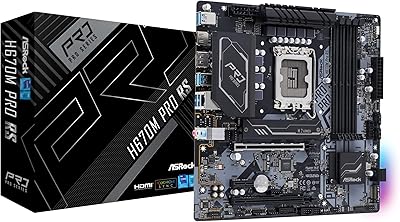
ASRock H670M PRO RS Motherboard
83%
84%
Performance
91%
Value for Money
88%
Ease of Installation
90%
Compatibility with Intel 12th Gen
85%
Gaming Performance
More
ASRock X870 Pro RS WiFi Motherboard
84%
91%
Performance
95%
Connectivity Options
88%
Stability and Overclocking
70%
Ease of Setup
94%
DDR5 Compatibility
More
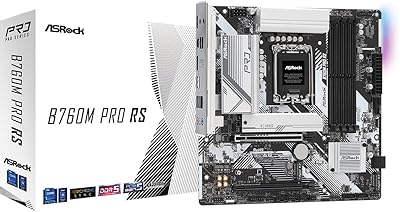
ASRock B760M Pro RS Motherboard
78%
88%
Value for Money
91%
BIOS Experience
86%
DDR5 Compatibility
89%
Installation Ease
83%
CPU Power Delivery
More
ASRock Z790 Pro RS/D4 Motherboard
86%
91%
Performance
88%
Overclocking Stability
89%
Power Delivery & Stability
85%
Build Quality
80%
Ease of Setup
More
ASRock H81 PRO BTC Motherboard
77%
91%
Value for Money
88%
Performance in Mining Rigs
86%
Build Quality
85%
Ease of Setup
82%
Connectivity Options
More
ASRock B550M-HDV Micro-ATX Motherboard
84%
88%
Performance
92%
Value for Money
85%
Overclocking Capability
84%
Build Quality
65%
USB Connectivity
More
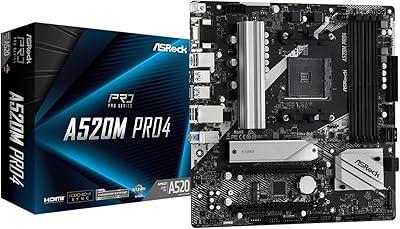
ASRock A520M Pro4 Micro ATX Motherboard
83%
92%
Value for Money
89%
Processor Compatibility
86%
Performance Stability
84%
Build Quality
88%
Ease of Setup
More
ASRock 970M Pro3 Micro ATX Motherboard
74%
88%
Value for Money
91%
Compatibility & CPU Support
86%
Ease of Installation
61%
BIOS Usability
54%
Overclocking Headroom
More
ASRock B550 PG Riptide ATX Motherboard
86%
89%
Performance
94%
Build Quality
88%
Ease of Installation
92%
Compatibility with Ryzen CPUs
85%
Expansion Options (PCIe, M.2)
More

FAQ

Yes, the ASRock B760 Pro RS ATX Motherboard officially supports 12th, 13th, and 14th Gen Intel processors on the LGA1700 socket. That said, keep in mind the B760 chipset does not allow CPU overclocking, so if you have a K-series chip and want to push it past stock speeds, you would need a Z790 board instead.

No, this board is DDR5 only. The memory slots are physically different from DDR4 slots, so DDR4 modules will not fit. Make sure any RAM you buy is DDR5 before ordering.

Not always. Like most DDR5 boards, you will typically need to enable an XMP or EXPO profile in the BIOS to reach the advertised speed. Getting to the higher end of the range, closer to 7000MHz or above, can require additional tuning and a kit that is specifically validated for those speeds. Starting with a reputable DDR5 kit rated at 5600MHz or 6000MHz tends to give the smoothest experience.

No, there is no onboard WiFi. The board has an M.2 Key E slot where you can install a separate wireless adapter, but nothing is included in the box. If you need wireless connectivity, budget for an add-in WiFi card or plan to use the 2.5G wired LAN port.

It uses a standard 24-pin ATX main connector and a CPU power connector — you will want at least a single 8-pin EPS connector, though checking ASRock's official documentation for the exact CPU power header layout is always a good idea before buying a PSU.

Generally yes. Several early buyers specifically call out the BIOS as clean and well-organized. ASRock's UEFI interface has an easy mode for beginners and an advanced mode for those who want more control. Most first-time builders find it approachable enough to configure memory profiles and boot order without much frustration.

All three brands offer competitive B760 boards in this price range, and the differences often come down to specific connectivity preferences and BIOS feel. The AsRock B760 Pro RS stands out with its PCIe 5.0 x16 slot and 2.5G LAN, which not every competing board includes at this tier. MSI and Gigabyte boards sometimes edge ahead on bundled software or aesthetics, so it is worth comparing the I/O panel and expansion slots of whichever specific models you are cross-shopping.

Yes. It follows the standard ATX specification at 9.7 × 6.5 inches, so any case that lists ATX motherboard support will accommodate it. Just double-check the case's listed maximum motherboard size if you are using a more compact mid-tower.

This depends on your CPU — Intel CPUs with integrated graphics can output through the rear HDMI or DisplayPort while a discrete card is also installed, but this typically requires enabling iGPU multi-monitor support in the BIOS. It works well for use cases like a dedicated display for monitoring while gaming on a separate screen driven by the GPU.

The 10+1+1 power phase setup is solid for most mid-range builds, but a handful of users have noted that temperatures climb under sustained all-core loads, particularly with higher-TDP chips. If you are running a Core i7 or i9 and doing extended rendering or encoding sessions, make sure your case has decent airflow moving air across the VRM area. Adding a case fan that pushes air toward the top of the board helps keep things stable under heavier workloads.

Where to Buy